Commercial Solar and Battery Storage
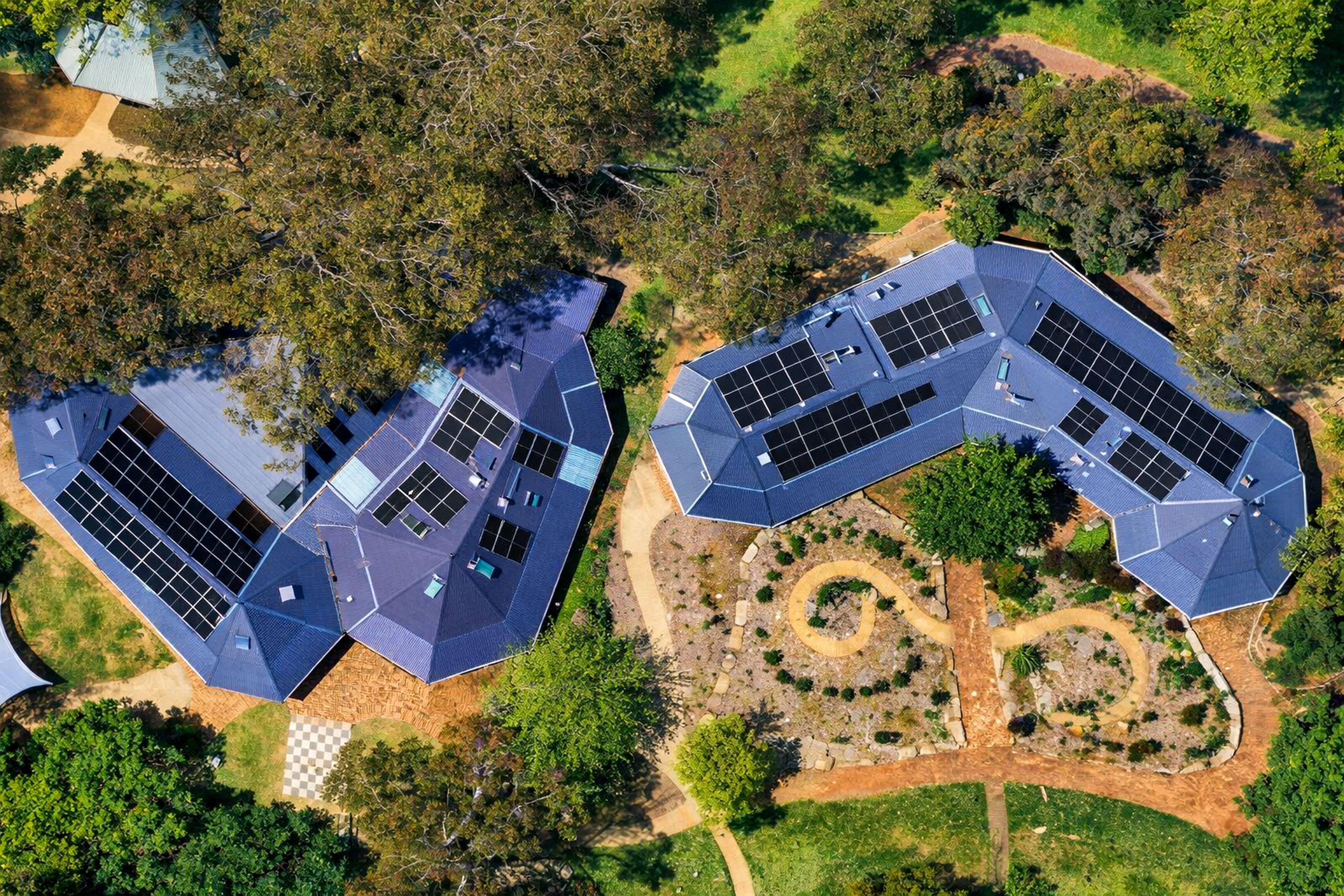
Commercial Solar and Battery Storage for Businesses That Can't Afford to Stop
Agile Energy develops, finances and installs energy systems to solve both of these issues by using commercial solar and battery storage, customised to meet the specific needs of a particular location. Instead of simply decreasing the amount of electricity used, the emphasis is put on minimizing costs and increasing reliability during unpredictable times.

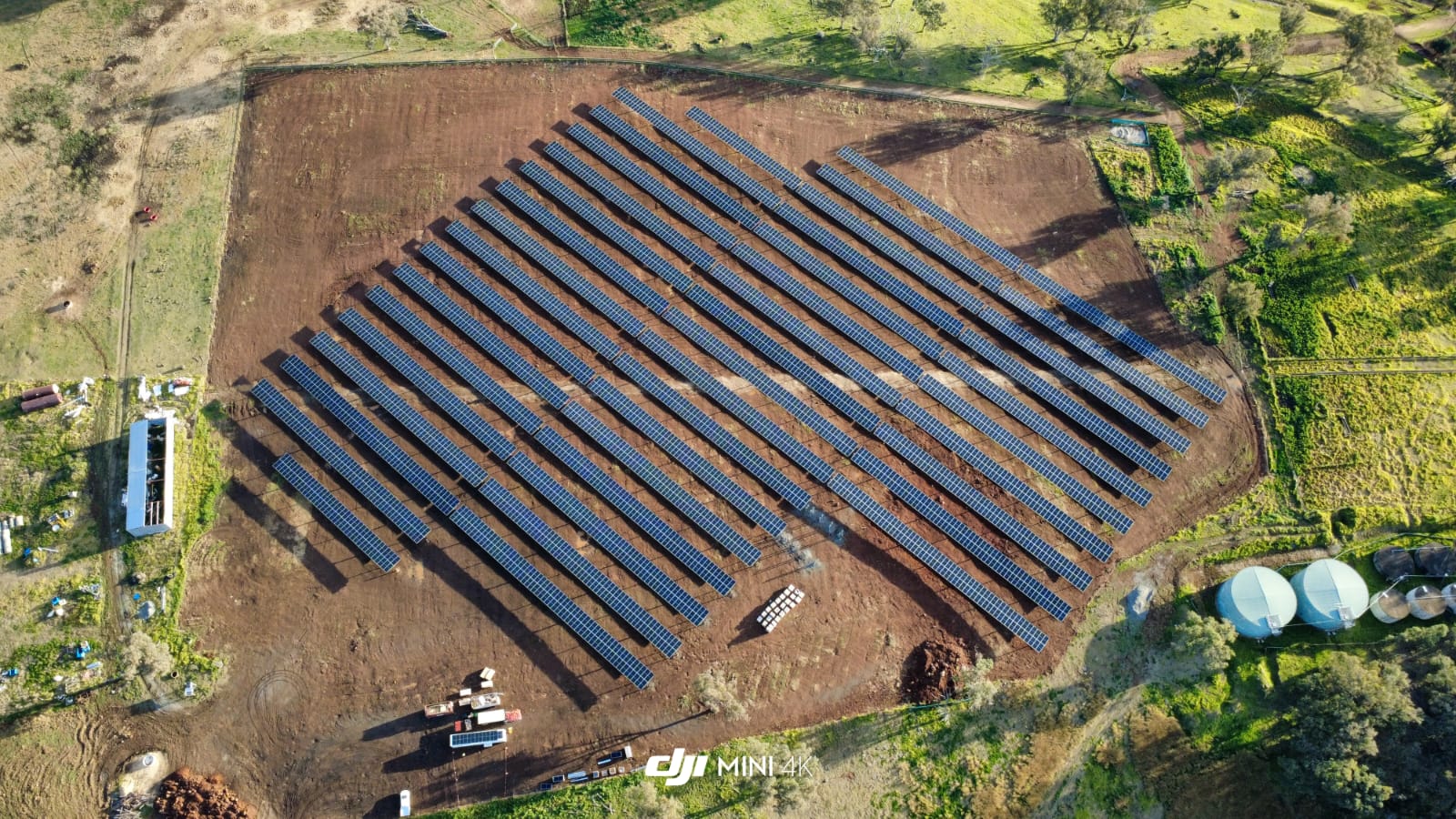
Two Numbers on Your Power Bill Nobody Ever Explained
Most companies know how much they pay per unit of electricity consumed. Very few companies know what is charged for one instance of high demand for electricity and how the cost of losing power affects them financially.
The half-hour that prices your whole month
Demand charges Australia businesses are calculated according to the maximum amount of power used during a period of time, usually half an hour, in a billing period. The measure used is kilowatts (kW), not energy consumption, and it applies even when the peak appears just once. A short period when all machines, including refrigerators, cooling systems, and pumps, are operating together will decide the whole month’s cost.
The hour of downtime that costs more than a month of power
The Australian Energy Regulator suggests that for businesses, the worth of having avoided outages is around $34.39 per kilowatt hour of electricity not supplied. For many companies, a single outage may be much more costly than an entire month’s electricity costs due to production losses and other factors.
Why “switch to LEDs” doesn’t touch either one
While energy efficiency can help cut down on usage, it has minimal effects in reducing demand charges or prevent operational interruptions. This is because peak demand cost is dependent on the reliability factor. This is why battery technologies, smart controls, and self-generation have become valuable business strategies.
What a Demand Charge Actually Is
kW vs kWh: the bit that trips everyone up
Compare electricity to water being delivered through a pipe. The measurement of kilowatt-hours measures the amount of water that flowed. Kilowatts measure the strength of the water flow. Demand charges are calculated depending on the point of peak pressure and not the total amount of usage.
- Water Analogy
- Total water used
- Highest flow rate
- Monthly usage cost
- Peak pressure charge
- Electricity Equivalent
- kWh
- kW
- Usage charge
- Demand charge
The $1,350 half-hour
Below is an example that illustrates the impact on cost of even one short spike in energy prices without any change in the consumption of energy.
Bill Component
120kW Peak
220kW Peak
Usage charge (50,000kWh × $0.28)
$14,000
$14,000
Supply charge
$33
$33
Demand charge
$1,620
$2,970
Total
$15,653
$17,003
Illustrative model using representative commercial tariffs. Demand charge = peak kW × rate × billing days.
An additional half hour brings $1,350, without using any additional energy. If that new peak rate persists, the effect on the annual cost will be $16,200.
Same business, different postcode; $29,970 a year apart
The same sites may earn very differently based on their local distribution network.
An identical company may earn almost $30,000 more a year just because of its location.
- Network
- SA
- QLD – Energex
- VIC – Jemena
- NSW – Endeavour
- VIC – Powercor
- Monthly Demand Charge
- $428
- $675
- $900
- $1,170
- $2,925
Which network are you actually on?
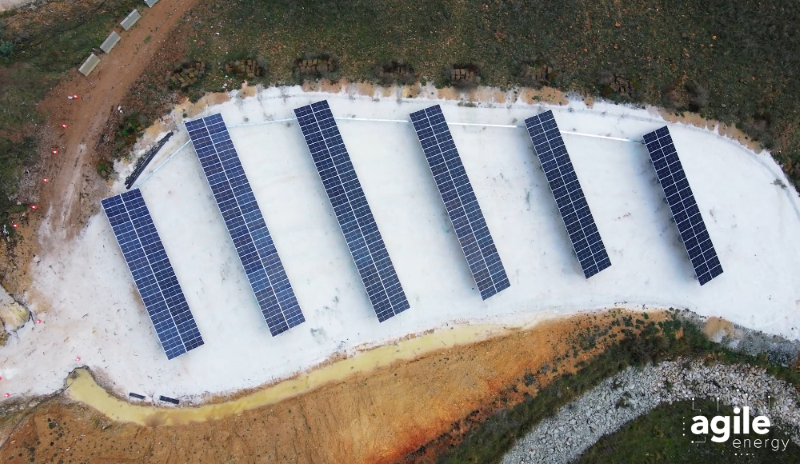
When the Grid Blinks, What Stops First?
More load, less headroom
Electricity demand in Australia is projected to increase to 229 TWh by 2034-35 from about 178 TWh in 2024-25 due to increasing reliance on electricity as well as industrial and data centre growth. The existing problems with aged generation plants and transmission constraints persist.
During the summer of 2025-26, 90 unexpected coal unit failures happened, with a total generation capacity of 5GW lost.
What an hour of downtime costs
- Customer Type
- Commercial
- Industrial
- Agriculture
- Large Industrial
- Mining
- Value of Unserved Energy
- $34.39/kWh
- $33.49/kWh
- $22.25/kWh
- $12.22/kWh
- $10.63/kWh
The cost incurred by the 500kW site due to loss of power for two hours is likely to be $34,390.
Your solar probably switches off in a blackout — here’s why
Automatic disconnection occurs with standard grid-connected solar systems during an outage. However, resilience is not automatic but should be deliberately designed using batteries, control and backup capacity.
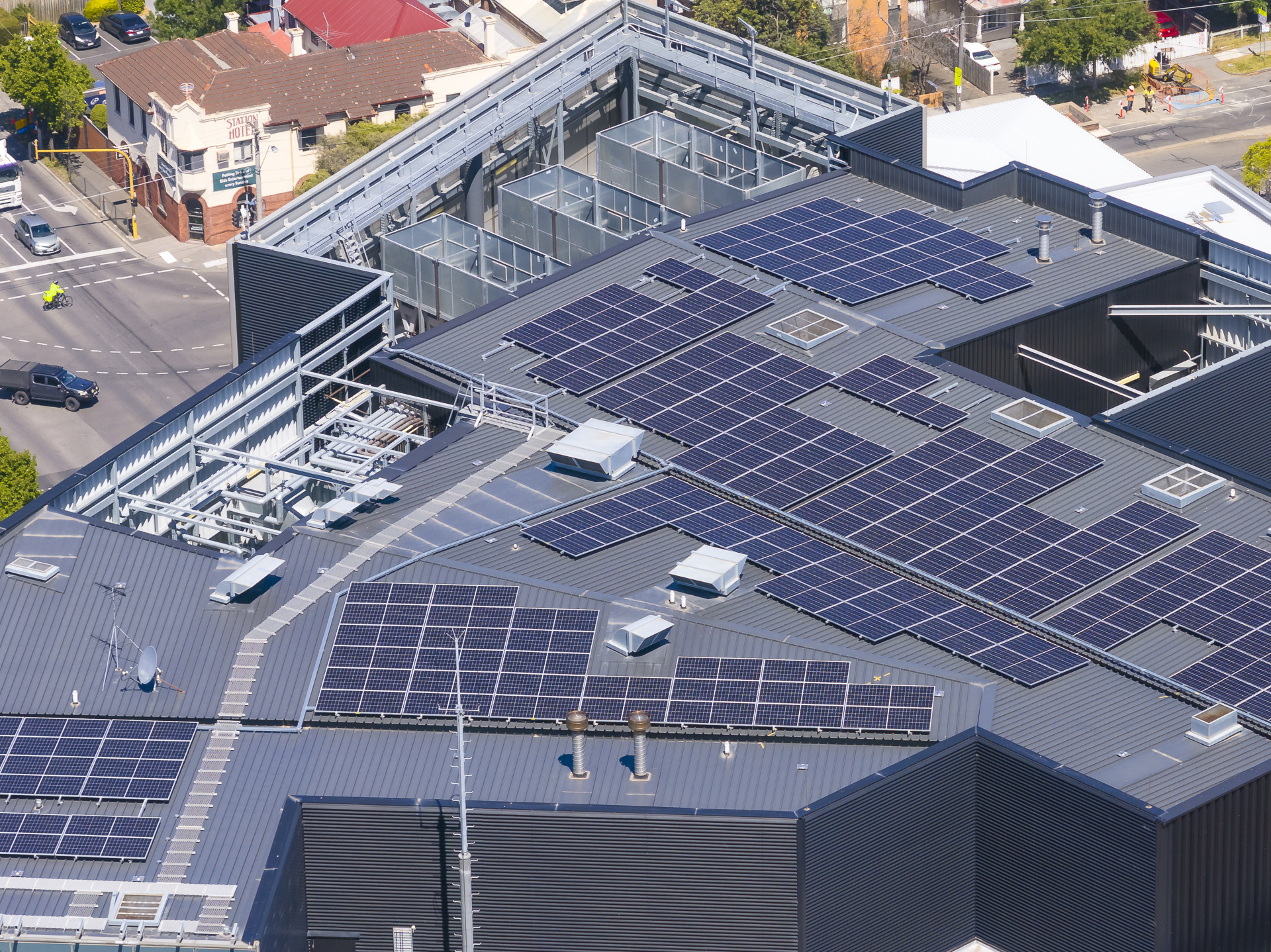
Staying Connected, Not Going Off-Grid
Most companies will not need to be off the grid. The working model is as follows:
Generate through the day
On-site power production using commercial solar systems decreases electricity consumption.
Store what the site doesn’t use
Energy storage is accomplished through commercial battery storage Australia solutions.
Shave the peak; the demand charge is pricing
Batteries facilitate load shifting/peak shaving, which helps lower high demand costs.
Hold your critical circuits through a disruption
Critical loads will be powered through a properly devised battery solution.
Request an Energy AssessmentWhat Agile Actually Does
We read your bill properly first
Agile Energy uses tariff analysis, interval data, and load profile to identify savings.
Resilience engineering, not just panels on a roof
Every system is engineered on the basis of critical circuits, backup time, motor starting, islanding controls, and scalability.
Solar, battery, and energy management as one system
By integrating solar panels for commercial buildings, energy storage, and controls, companies will be able to have enhanced monitoring and automation capabilities. This helps with broader distributed energy infrastructure solutions.
Fully funded, off the balance sheet
The options may include commercial solar no upfront cost structures, along with power purchase agreement Australia that businesses can use to avoid capital investment.
After commissioning: monitoring and peak governance
Ongoing reporting of peaks detects new peaks while maintaining performance.
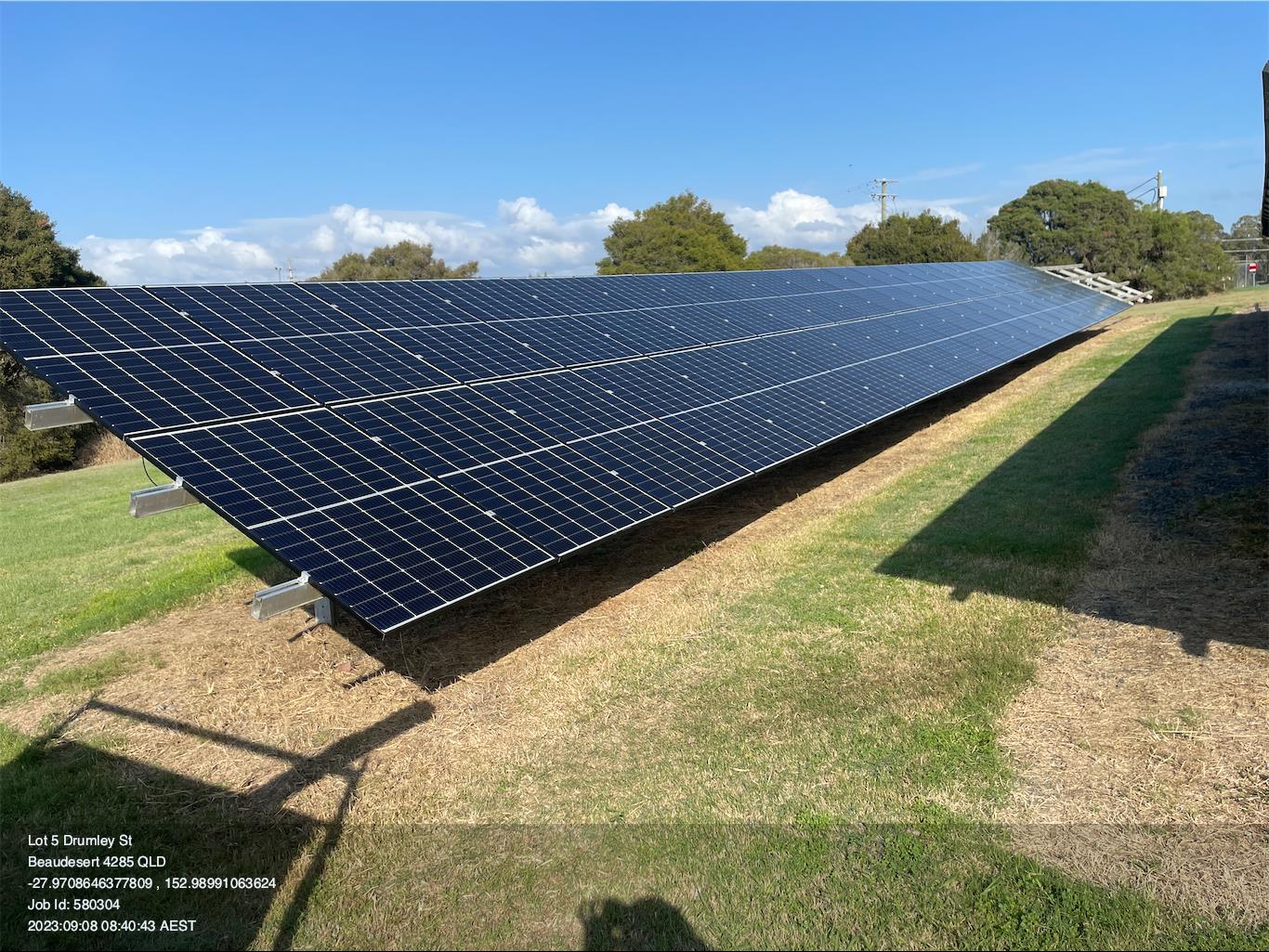
How It Works — Bill to Switch-On
An effective energy solution begins with determining how your facility really consumes energy. Instead of using vague averages, Agile Energy tailors a solution to your specific energy consumption by working with your utility bills, interval data, needs, and requirements.
1. Send 12 months of bills and interval data
Provide your latest electricity bills, along with any interval data available in 15- or 30-minute intervals. This will provide us with a complete picture of your consumption patterns, billing scheme, seasonal trends and previous peaks.
Typical timeframe: 1–2 business days to compile and analyse the data.
2. We model your peaks, your tariff and your downtime exposure
Identification of peak times and reasons for that demand, the cost of those peaks, and the impact of an outage on your business is determined. This is done before we design a system for you.
Typical timeframe: Approximately 1 week, depending on site complexity and data availability.
3. Design, resilience spec and funding proposal
We design the solar, battery, and energy management system based on your actual load. If backup power is needed, then we define the critical loads, runtime, transfer requirements, and generator needs before providing you with the financial packages.
Typical timeframe: 1–2 weeks for the initial design and proposal.
4. Install, grid approval and commissioning
After approval, the process will continue with the purchasing, installation, electrical works, grid approvals and commissioning. This time period is dependent on the size of the system, as well as other factors.
Typical timeframe: Usually 4–12 weeks from project approval to commissioning.
5. Monitoring, tuning and quarterly reporting
The switch-on is not the final step of the procedure. System performance monitoring will be conducted, new peaks detected, control settings optimized, and reports provided in order for the system to continue performing as your business needs change.
Ongoing: Performance monitoring commences post-commissioning and is conducted on a quarterly basis.
Book a 20-minute bill review
You will know your maximum demand, network configuration, and how much two hours of downtime is costing you, even if you don’t decide to do business with us.
1800 512 194Where This Pays Off Fastest
Want to supeThe greatest potential exists within companies that have direct linkages between electrical energy use and manufacturing processes or products, safety, or service. Here, energy savings can play an important role alongside energy reliability.rcharge your revenue with mindful energy resources? Here's how you can try our Solar PPA.
Cold Storage and Food Processing
Refrigeration systems, freezers, compressors, conveyors, and process machinery are sources of peak loads. Failure may result in temperature deviation, loss of goods, and food safety issues.
Manufacturing
Most manufacturing plants usually run more than one motor, compressor, refrigeration unit, machine, or process simultaneously. Effective management of these loads helps minimize peak load demands, while the backup power ensures that there is no long interruption in controlling processes.
Healthcare and Aged Care
Electricity plays a crucial role in healthcare and aged care facilities, as these require a power supply to ensure that equipment functions properly. It is possible to use backups that will prioritize critical circuits during an outage.
Agriculture and Irrigation
The operation of pumps, irrigation facilities, refrigerators, ventilation and processing facilities can result in significant electricity consumption, especially at peak periods of their operation. Energy management can assist in managing such peaks, while backup facilities will safeguard sensitive agricultural processes.
Warehousing and Logistics
Automation, refrigeration, conveyor belts, security, communications, and many other electrical installations are what modern-day warehouses depend upon. The lack of electricity can cause all of these activities to be stopped, causing delays.
Retail and Hospitality
Refrigeration, cooking devices, heating, ventilation, and air conditioning, lighting, point-of-sale terminals, and digitization all rely on electricity. Any outage will impact trade and spoil stock, thereby providing added value to the strategy aimed at ensuring resilience.
Water and Essential Infrastructure
Water and essential utility services would not be possible without pumps, treatment facilities, telemetry systems, monitoring systems, and control systems. An optimally designed energy system can facilitate continued services and better operation in case of any disturbances.
The Business Case Your CFO Will Actually Sign
However, a compelling business case needs to take into consideration much more than just “how soon will I break even on my investment?” In the case of most businesses, the real potential lies in the combination of energy savings and reduced peak charges. This helps in improving resilience while protecting against operational losses.
What Simple Payback Leaves Out
The future electricity demand also needs to be taken into account since as a company expands its range of operations by incorporating EV charging, electric heating, refrigeration, or machinery, it becomes increasingly dependent on electricity from the utility.

Work Out Your Own Downtime Number
Average load (kW) × outage duration (hours) × sector value of unserved electricity ($/kWh) = estimated outage impact
For instance, a 500 kW commercial load that is impacted by an outage of 2 hours results in 1,000 kWh of lost electricity. This translates to $34,390 at the AER commercial value of $34.39/kWh.
However, using a downtime calculator allows the business to go a step further by trying out various parameters.
Funded vs Capex: How the Two Actually Compare
Fully funded models can work well for those businesses that wish to conserve their money and not have to make an initial investment. The model is completely financed by a third party, where the energy setup is financed through operational costs and not through the company financing the whole system itself.
Neither of these systems is better than the other. It all comes down to how much money you have, how taxes will be treated, and your lease period.
Is This Right for Your Site?
Not every business needs solar and storage immediately. The best candidates are sites where the numbers, operational risk, or planned changes make the opportunity worth modelling.
Signs It’s Worth Modelling Now
- Demand charges are more than about 10% of your bill.
- You run refrigeration, compressors, pumps or process loads.
- Your load profile is peaky rather than flat.
- You have a usable roof or ground space.
- An outage has already cost you money.
- You are planning electrification.
- You operate on a Victorian network.
When It’s Probably Not Yet
- Short remaining lease with no landlord agreement.
- Site relocation planned.
- Very flat, very low consumption profile.
- Roof structural or age issues.
- Grid connection constraints.
Frequently Asked Questions
What is a demand charge on a business electricity bill?
How is a demand charge calculated?
Will my solar keep working if the grid goes down?
Can a battery genuinely reduce my demand charge, or just my usage rate?
How do I find out which electricity network my business is on?
Why are Victorian demand charges so much higher than other states?
How long can a commercial battery run my site during an outage?
Does the whole site stay on during a blackout, or only part of it?
What does a fully funded solar and battery system actually cost us?
Do we need to go off-grid to get this benefit?
How long does installation take, and how much disruption is there?
What happens if our energy use grows after installation?
Can this work alongside a diesel generator we already have?
What size roof or land area do we need?
Ready to power your business with Sustainable Energy?
Let's take the first step towards a brighter and greener future.