Agile Boardroom 2 - Solar + Storage Under Tight Operating Budgets: Education & Not-for-Profit
.jpg)
Education institutions and not-for-profit organisations operate under persistent financial constraints, where energy costs compete directly with service delivery, staffing and long-term sustainability objectives. In Australia, retail electricity prices have approximately doubled since 2009-10, reaching around $0.29/kWh in 2024- 25, driven by higher generation, network and retail costs. As a result, energy now represents a materially larger operating expense than in previous decades.
This escalation has shifted energy from a facilities issue into a financial, governance and risk consideration, particularly for organisations operating with fixed funding envelopes, regulated fee structures or donor-dependent income.
Energy as a Controllable Cost in Constrained Budgets
For education providers and not-for-profit organisations, energy expenditure is often one of the largest controllable operating costs. Unlike labour, staffing ratios or service delivery programs, energy costs can be reshaped through long-term contracting, on-site generation and load-management strategies.
Wholesale electricity prices in the National Electricity Market (NEM) remain elevated relative to long-term historical levels, averaging around $87/MWh in the September 2025 quarter, despite periods of moderation. This volatility continues to flow through to retail pricing, creating uncertainty for operating budgets.
As financial pressure persists, organisations are increasingly focused on:
• Reducing exposure to electricity price volatility
• Improving forecast accuracy for operating expenditure
• Preserving scarce funding for core educational and community outcomes
Solar and storage solutions are therefore assessed primarily on their ability to deliver predictable, stable cost outcomes, rather than short-term savings alone.
Capital Constraints and Balance-Sheet Sensitivity
Education and not-for-profit organisations typically operate with limited discretionary capital and heightened sensitivity to balance-sheet risk. Capital is often prioritised for buildings, learning environments, technology upgrades or frontline services, making large upfront investments in energy infrastructure difficult to justify.
This has increased demand for third-party ownership and service-based models, which can deliver the benefits of solar and storage while minimising capital outlay, avoiding additional debt and preserving financial flexibility.
Solar and Storage as Risk-Management Tools
Solar generation and battery storage are increasingly viewed as financial and operational risk-management tools, not merely sustainability initiatives.
Their value is assessed through their ability to:
• Reduce reliance on grid electricity during high- price periods
• Improve long-term energy cost certainty
• Enhance resilience during outages or supply disruptions
• For institutions with critical operations - including schools, campuses and care facilities - continuity of service is a material consideration alongside cost outcomes.
Contract Structures and Financial Predictability
Under tight operating budgets, the structure of energy contracts is as important as the technology itself. Long-term solar and storage agreements must provide clarity, simplicity and predictability for organisations with limited internal resources.
Key considerations include:
• Transparent pricing mechanisms aligned with budgeting cycles
• Clear treatment of performance, availability and maintenance
• Defined approaches to regulatory or tariff changes over time
Well-structured contracts reduce financial uncertainty and administrative burden, ensuring energy initiatives remain manageable and aligned with organisational priorities.
Counterparty and Delivery Risk
Third-party arrangements introduce long-term dependency on provider performance and solvency. As a result, education and not-for-profit organisations place strong emphasis on counterparty strength and delivery capability.
Decision-makers typically assess:
• Track record and financial stability of service providers
• Clarity of contractual remedies if performance falls short
• Alignment between contract duration and asset life
Effective risk management ensures energy solutions remain beneficial over their full operating life.
Governance, Accountability and Stakeholder Expectations
Energy decisions in the education and not-for-profit sectors are subject to heightened scrutiny from boards, regulators, funders, donors and communities. Transparency, accountability and alignment with organisational purpose are therefore central to governance expectations.
Leading organisations demonstrate:
• Clear internal ownership of energy-related decisions and risks
• Regular reporting on financial performance and
exposure
• Integration of energy considerations into broader risk- management frameworks
This approach ensures energy strategy strengthens, rather than distracts from, mission delivery.
CFO Checklist
Is This Energy Deal Safe for a Not-For-Profit?
Budget Certainty & Cost Exposure
• Does the arrangement materially reduce exposure to electricity price volatility?
• Are pricing and escalation mechanisms clearly defined and aligned with budgeting cycles?
• Are all pass-through costs transparent and controllable?
Capital & Balance-Sheet Impact
• Is upfront capital expenditure minimised or avoided?
• Does the agreement avoid creating debt-like obligations or balance-sheet constraints?
• Has accounting treatment been reviewed and documented?
Contract Term & Flexibility
• Is contract duration appropriate for site tenure and planning horizons?
• Are termination, exit and change-of-control provisions clearly defined?
• Does the agreement allow flexibility if the site is sold, repurposed or consolidated?
Counterparty Strength & Delivery Risk
• Has the provider's financial stability been assessed?
• Does the provider have a proven operating track record?
• Are remedies defined if performance obligations are not met?
Performance, Availability & Maintenance
• Are performance and availability standards explicit?
• Is responsibility for operations and maintenance clearly allocated?
• Are monitoring and reporting mechanisms in place?
Risk Allocation & Protection
• Are force-majeure, regulatory and tariff-change risks clearly addressed?
• Is insurance aligned with contractual risk allocation?
• Are there any uncapped or asymmetric risk exposures?
Long-Term Value Beyond Cost Reduction
While cost control remains critical, solar and storage investments are increasingly evaluated on broader measures of value, including:
• Budget certainty over extended periods
• Reduced exposure to future market volatility
• Alignment with environmental and social objectives
• Enhanced organisational resilience
Australia's rapid growth in solar capacity provides context for this shift. Rooftop sola now contributes around 8% of total electricity generation, and installation cost have fallen by approximately 75% over the past decade, improving economic viability for institutions operating under financial constraints.
Conclusion
Under tight operating budgets, solar and storage adoption in the education and not-for-profit sectors is driven by financial discipline, risk management and governance rather than technology ambition alone. Solutions that minimise capital requirements, deliver predictable cost outcomes and align with organisational objectives are most likely to succeed.
Agile Energy works with education and not-for-profit organisations to structure sola and storage solutions that respect budget constraints, manage risk and support long-term sustainability ensuring energy strategy strengthens, rather than competes with, core missions.

Agile Advantage Ed.22 - When Power Fails, Product Fails: Energy Resilience in Cold Chain

Agile Boardroom 7 - 2026 Energy Risk: A Framework for Reliability, Cost and Continuity
Big News for Business Solar: SRES Rebate Now Covers Systems 10x Larger

Agile Advantage Ed.21 - From Backup to Strategy: Batteries as business Continuity Infrastructure
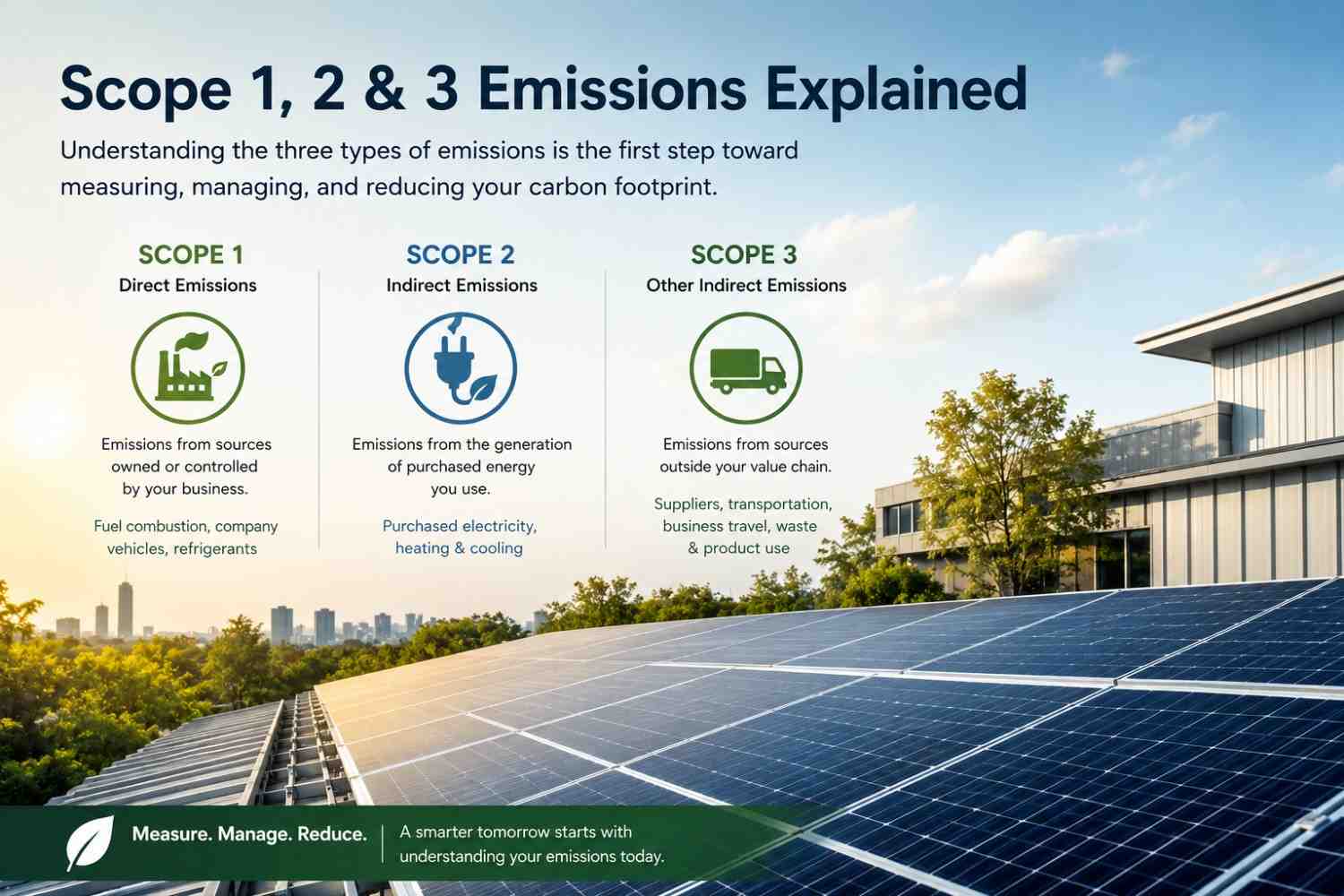
What Are Scope 1, 2 and 3 Emissions?

What Is Carbon Offsetting and Should Businesses Use It?
What Is RE100 and Should Your Business Join?
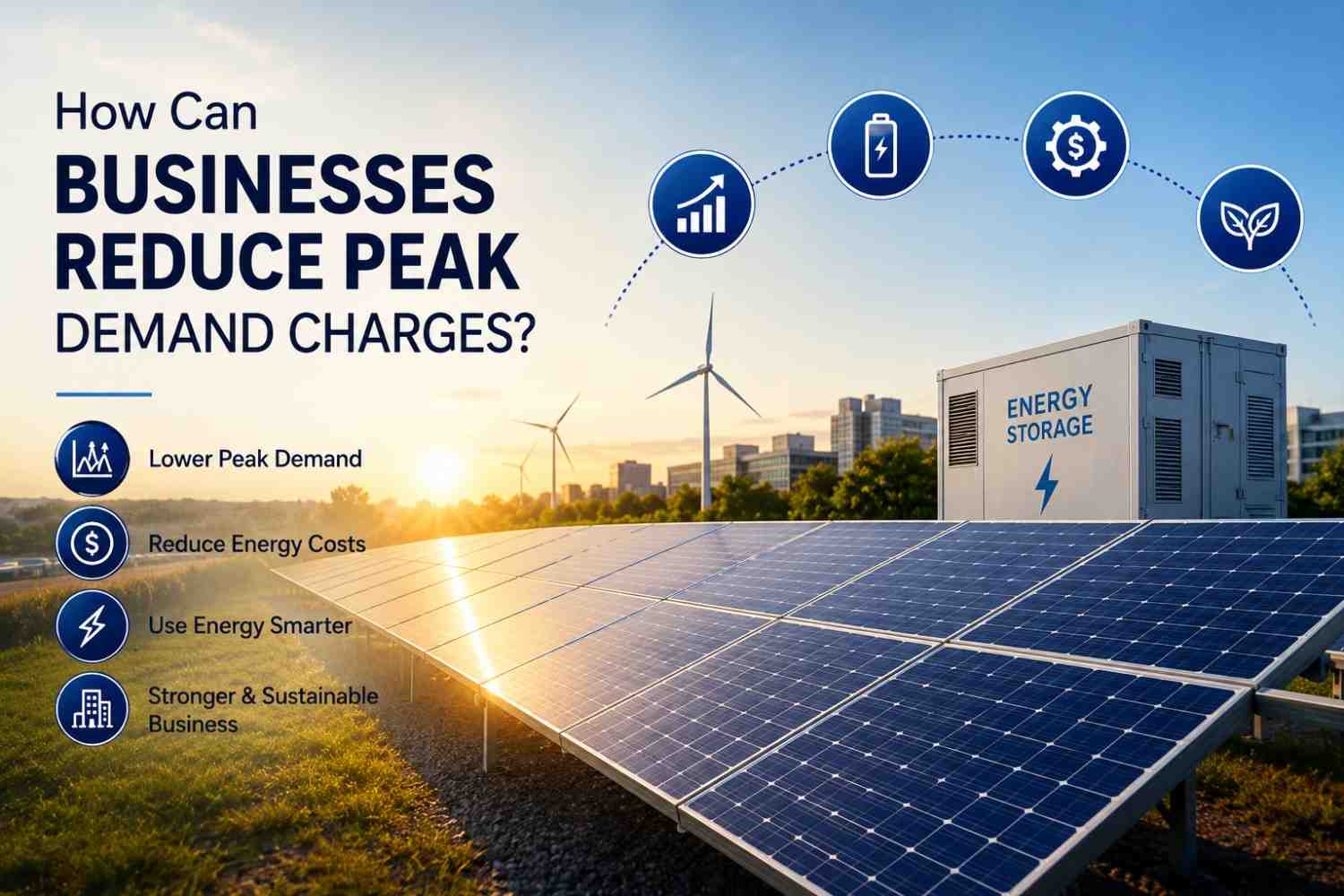
How Can Businesses Reduce Peak Demand Charges?
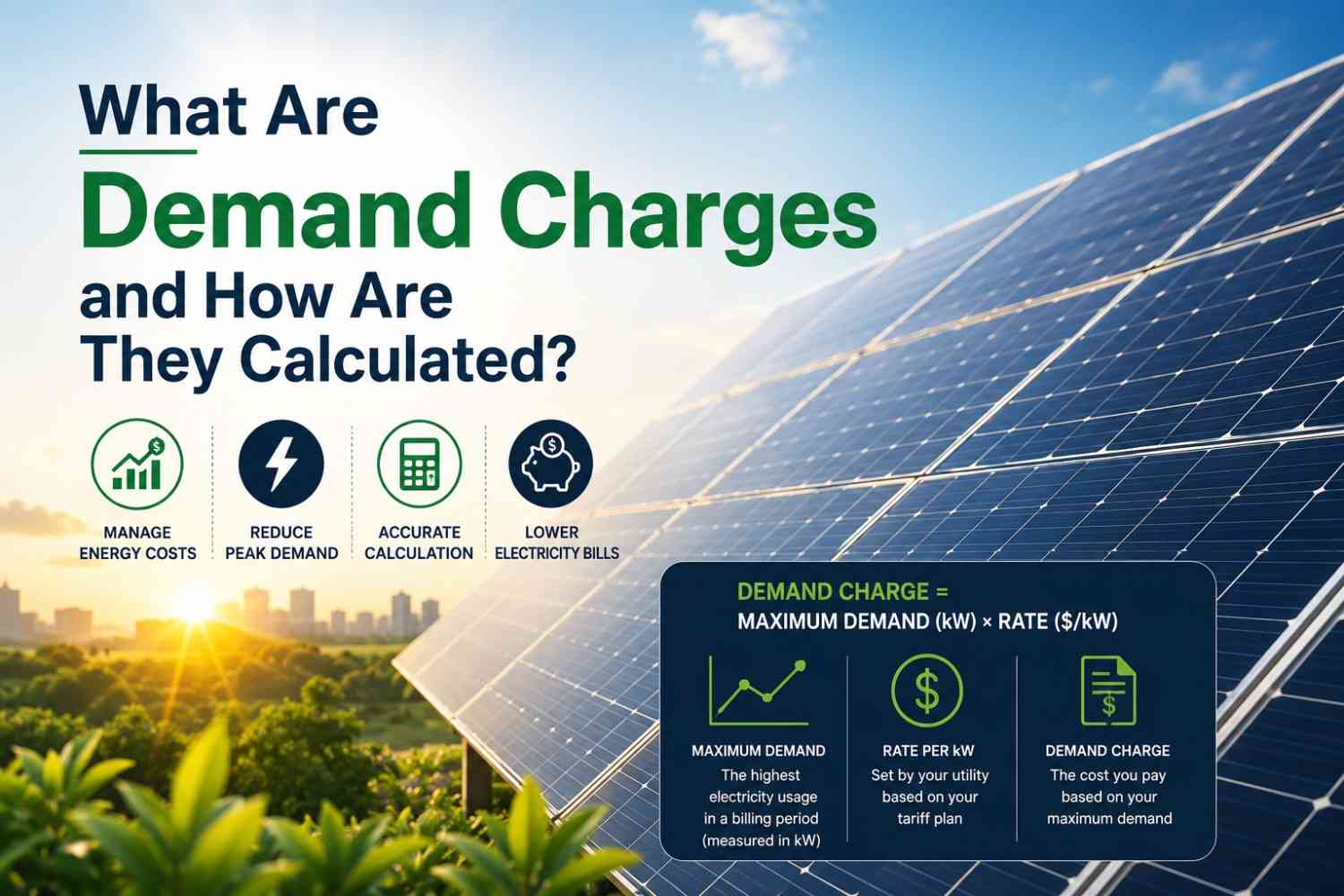
What Are Demand Charges and How Are They Calculated?
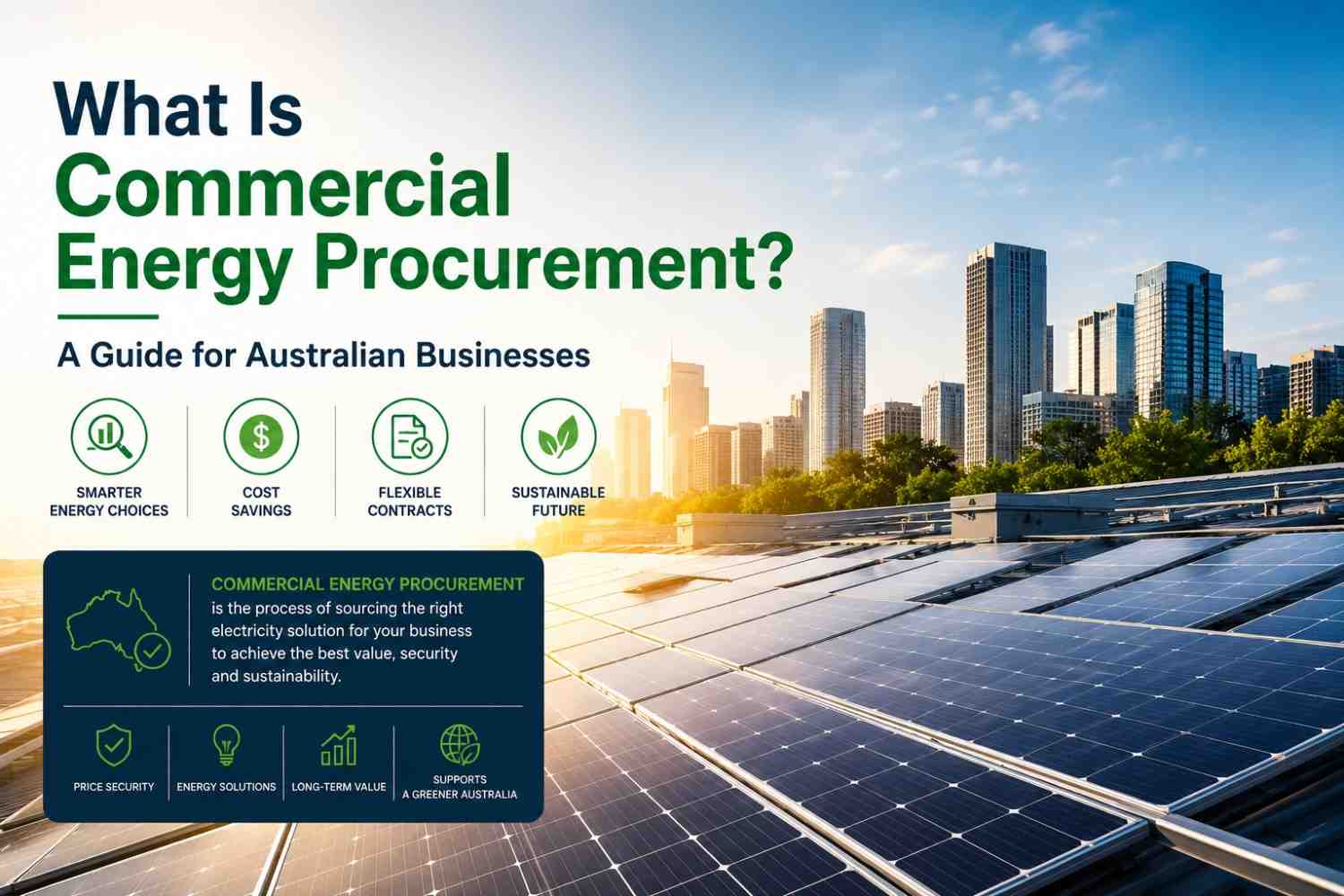
What Is Commercial Energy Procurement? A Guide for Australian Businesses

Agile Boardroom 6 - Where should capital go? Core Business vs Energy Infrastructure

Agile Advantage Ed.20 - Energy Security for Australian Businesses: Operating Through Global Instability

Is Your Business Too Dependent on the Grid? Here's What to Do
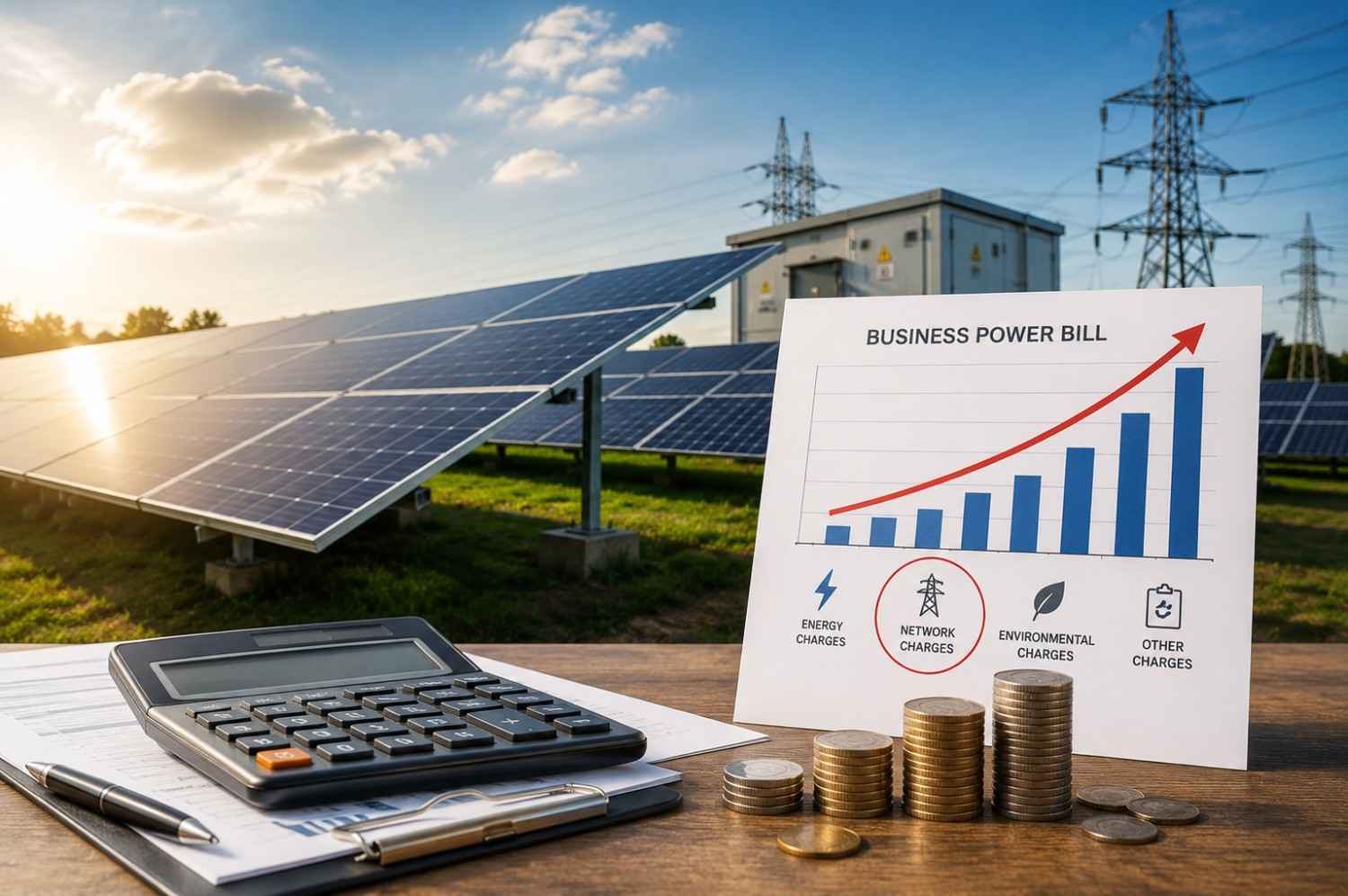
Network Charges Explained: The Fastest-Growing Cost on Your Business Power Bill

Agile Boardroom 5: Energy as competitive advantage in private equity portfolios

Agile Advantage Ed.19 - The End of Cheap Diesel: What Businesses Need to Know
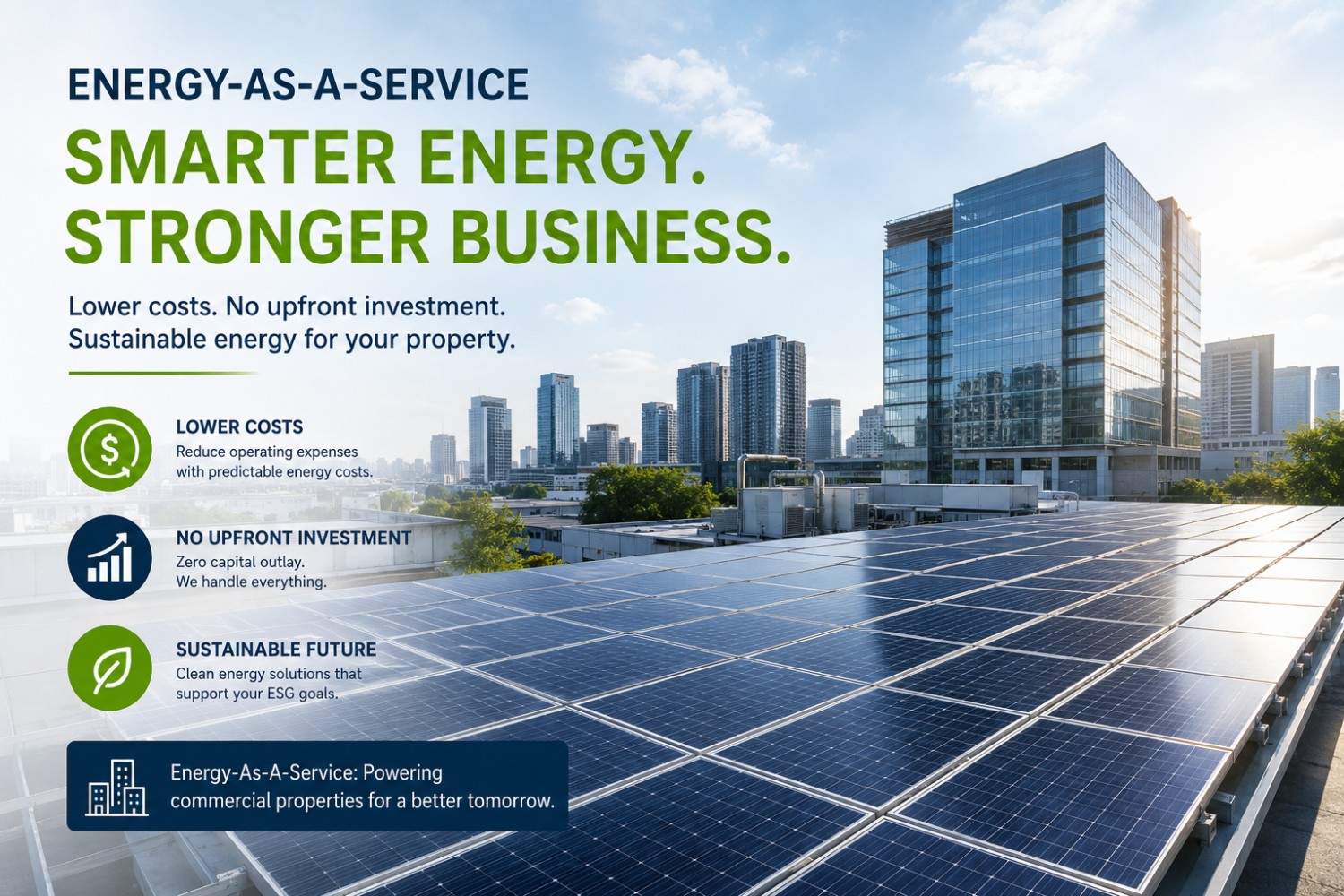
Energy-as-a-Service Explained for Commercial Property Owners

Agile Boardroom 4 - Geopolitics meets energy: What CFOs must factor into energy strategy

Agile Advantage Ed.18 - Keeping Production Running: Battery Storage for Outage Management in Manufacturing

Agile Boardroom 3 - The Bankable PPA: What Lenders, Boards and Investors actually require

Australia is experiencing a clean energy revolution as commercial and domestic landlords turn rooftops into revenue

Landlords turn to rooftop solar to yield income

Commercial landlords turning rooftops into ‘profit machines’ through solar installations

Solar PPA for Schools: Reduce Electricity Costs Without Upfront Investment
Agile Energy Featured on Business Essentials Podcast
.png)
Schools access cheaper electricity
Australia undergoes a clean energy revolution as commercial and domestic landlords turn rooftops into revenue
Agile Advantage Ed.17 - Solar for Process Heat: Replacing Gas Boilers in Food and Beverage Manufacturing

5 Reasons Why Capital-Funded Solar is the Safest Energy Transition Strategy in 2026
Industrial vs Commercial Solar Systems: Which Energy Solution Is Right for Your Business?

Agile Advantage Ed. 16 - Cutting Diesel Dependency: Solar battery PPAs for remote farming operations

Agile Boardroom 1 - A Competitive Advantage in Government & Enterprise Tenders: The Decarbonised Bid

Agile Advantage Ed. 15 - Winning the war on peak prices: Load Shifting, Storage and Smart Controls for C&I

The summer surge: How to keep energy bills cool when temperature rise

Agile Advantage Ed. 14 - The 2026 solar health check: From legacy systems to strategic assets
Solar vs Grid Energy Price Escalation: 2026 Outlook
Agile Advantage Ed. 13 - From energy users to market participants: How Agile businesses are monetising flexibility
Mandatory Climate Reporting: What CFOs need to know (2026–2028)

Agile Advantage Ed. 11 - Unlocking full value from solar & storage: The business case for batteries

End-of-Year Energy Audit: 10 ways to start 2026 leaner and cleaner

Agile Advantage Ed. 10 - Embedded Networks 101: Turning electricity from a cost centre into a profit centre
Top 5 Energy Incentives for Australian Businesses (2025)

Managing solar and battery rollouts for national portfolio

Risk management in renewables
Commercial solar ROI in 2026: Maximise your business savings

Scaling SAFe in large-scale energy organisations: How executives can harness the Scaled Agile Framework (SAFe) to accelerate the energy transition

Always-On Agile operating model for Australia’s energy transition

Integrated energy & carbon strategies: A Playbook for future-proofing Australian manufacturing

Weathering the storm: Protects solar assets from heavy rainfall risk

Transforming dead space into active assets: How Agile unlocks roofs, car parks, and land for revenue

Agile Advantage Ed. 9 - Why energy data is the new gold for Australian manufacturer

Solar Battery Rebate

Agile Advantage Ed. 8 - E is Everything: Energising Australian Businesses

Agile Advantage Ed. 7 - Riding the renewable wave: Why Australian businesses are embracing solar energy

Agile Advantage Ed. 6 - Why CFOs should prioritise renewable energy investments in 2025

Empowering Australian Businesses: Unlocking energy efficiency and sustainability

Agile Advantage Ed. 5 - Inspiring the young workforce: How rolling out renewables sparks motivation

The power of vertical integration in solar project delivery

Agile Advantage Ed. 4 - Making complex simple: Navigating the complexity of solar installations

Rising cost of insurance : Impact on solar assets

Monetising your solar assets: Converting pre-purchased systems into power purchase agreements (PPAs)

Agile Advantage Ed. 3 - The Magic of experience: Partnering for performance in renewables

Solar rooftop safety: Risk management guide

Agile Advantage Ed. 2 - Clear paths to carbon reduction: Renewables and more for Australian businesses

Agile Advantage Ed. 1 - Seven deadly sins of solar installations: Mistakes businesses must avoid

CEO's view on managing increasing energy costs

What are Small-scale technology certificates (STC)?

Carbon Accounting and your business

Join Agile Energy at the Healthcare Real Estate Summit

Carbon Projects - Where to Start?

TRADE ACCUs WITH US! From the desk of Equipoised Group
Ready to power your business with Sustainable Energy?
Let's take the first step towards a brighter and greener future.