Agile Boardroom 3 - The Bankable PPA: What Lenders, Boards and Investors actually require
.jpg)
For CFOs, a Power Purchase Agreement (PPA) is far more than a mechanism to procure electricity or monetise renewable generation. It is the principal financial
instrument through which boards, lenders and equity investors determine whether a project can secure approval, attract capital and sustain long-term returns.
In project finance, the PPA is the primary revenue contract. Where the project is non-recourse or limited-recourse, contracted cash flows under the PPA are the dominant source of debt repayment. When a PPA's structure, counterparties and risk allocation provide sufficient certainty over the predictability, durability and enforceability of cash flows for the life of the asset, it is considered bankable. In practice, bankability determines whether a project can be financed, on what terms, and at what cost of capital.
What "Bankability" Means in Practice
From a financing perspective, a bankable PPA must demonstrably support:
• Stable and predictable revenue for the contract term
• Clear allocation of commercial, regulatory and operational risk between parties
• Legal enforceability and lender protection under Australian contract and security law
•Alignment between contract tenor and capital structure, particularly senior debt maturity
In credit assessment, lenders and investment committees evaluate the PPA as the primary driver of:
• Debt service capacity
• Revenue durability
• Downside protection under stress scenarios
For CFOs, capital cost, balance-sheet exposure and long-term financial risk are therefore inseparable from the bankability of the PPA itself.
Counterparty Credit Quality
The creditworthiness of the offtaker is a central determinant of PPA bankability. Project revenues are only as reliable as the entity contractually obligated to make payments over the life of the agreement.
Lenders and institutional investors typically require evidence that the offtaker:
• Has sufficient financial capacity and ongoing solvency to meet long-term payment obligations
• Maintains audited financial reporting and governance standards
• Has legal authority to enter into binding long-term contracts
Where offtaker credit quality is weaker or untested, additional credit support is standard market practice, including:
• Parent company guarantees
• Letters of credit or bank guarantees
• Security deposits or debt-service reserve accounts
From a CFO perspective, this requires:
• A full-term assessment of counterparty risk across the PPA life
• Understanding the liquidity impact of credit support mechanisms
• Transparent disclosure of residual credit exposure to boards and investors
In practice, credit committees treat counterparty strength as a threshold issue: weak offtake credit materially increases pricing, reduces leverage or can render a project unfinanceable.
Contract Tenor and Revenue Certainty
Senior lenders underwrite debt primarily against contracted revenues rather than merchant or residual value. As a result, the PPA term must provide sufficient revenue certainty to cover scheduled debt amortisation and refinancing assumptions.
In Australia, PPAs commonly range from 10 to 15 years or longer, consistent with international project-finance norms for utility-scale and behind-the-meter assets. For bankability, lenders typically require:
• A contract term that aligns with or exceeds the debt tenor
• Clearly defined pricing structures, including fixed pricing, indexation or escalation mechanisms
• Explicit treatment of volumes, availability, metering, settlement and billing
From a financial governance standpoint, CFOs must ensure that:
• Indexation and escalation provisions align with inflation and operating-cost assumptions
• Revenue inputs in financial models are contractually supported
• Downside scenarios are stress-tested for reduced generation, lower volumes or contractual curtailment
Revenue certainty is not a commercial preference; it is a prerequisite for debt funding.
Lender Protections and Direct Agreements
Debt providers rely on the continuity and enforceability of the PPA. Standard project-finance structures therefore require contractual mechanisms that protect lenders in default scenarios.
Common lender protections include:
• Direct agreements between lenders and the offtaker
• Step-in rights, allowing lenders to remedy defaults or appoint a replacement operator
• Restrictions on termination or material amendment without lender consent
These provisions are fundamental to non-recourse and limited-recourse financing structures and are routinely required by Australian and international project finance banks.
For CFOs, these mechanisms directly affect:
• Corporate control and governance rights
• Flexibility to refinance or restructure
• Risk allocation and ultimately the cost of capital
Understanding these provisions is essential to balancing financial efficiency with long-term strategic control.
Risk Allocation and Contract Structure
Beyond price and tenor, lenders and boards closely scrutinise how key risks are allocated within the PPA. Bankable structures typically exhibit:
• Clearly defined force-majeure and change-in-law provisions
• Transparent treatment of regulatory risk and market rule changes
• Defined remedies for underperformance, non-delivery and billing disputes
• Alignment between performance obligations and available insurance coverage
From a governance perspective, CFOs must be satisfied that risk allocation is not only commercially acceptable but legally enforceable and financeable under lender standards.
Financial Metrics Underpinning Bankability
While precise financial thresholds vary by institution and market conditions, financiers consistently focus on:
• The project's ability to generate sufficient operating cash flow to meet scheduled debt service
• Stability and predictability of contracted revenues over the financing period
• Sensitivity of returns to changes in price, volume, availability and operating costs
Investment committees expect:
• Conservative, contract-aligned base-case modelling
• Sensitivity analysis across key revenue and cost drivers
• Demonstrated resilience under downside and stress scenarios
For CFOs, this reinforces that bankability is not determined by headline pricing alone, but by the integrity of the financial structure and the robustness of downside protection.
Implications for CFOs Working with Agile Energy
For CFOs engaging with Agile Energy, a bankable PPA should directly support:
• Board confidence through transparent risk, return and governance frameworks
• Investor assurance via predictable, contracted cash flows
• Lender requirements through robust legal structuring and finance-ready risk allocation
By addressing both contractual substance and financial mechanics, CFOs can position renewable energy projects as durable infrastructure assets rather than discretionary sustainability initiatives.
CFO Checklist
Is Our PPA Truly Bankable?
A Power Purchase Agreement may support a renewable energy strategy, but for CFOs the more important question is whether it will satisfy lenders, boards and investors. Use this checklist to assess whether the proposed PPA is likely to support financing, protect the balance sheet and preserve long-term value.
Counterparty Strength
• Is the offtaker financially strong enough to meet long-term payment obligations?
• Have we secured any required guarantees, letters of credit or other credit support?
• Do we understand the residual counterparty risk?
Revenue Certainty
• Does the PPA term align with or exceed the debt term?
• Are pricing, indexation and escalation clearly defined?
• Have we stress-tested revenue under lower generation, reduced volumes or curtailment scenarios?
Lender Requirements
• Can the PPA support non-recourse or limited-recourse financing?
• Has the contract been reviewed for enforceability under Australian law?
• Does the agreement include lender protections such as direct agreements and step-in rights?
Risk Allocation
• Are force majeure, change-in-law and performance risks clearly allocated?
• Are remedies for non-performance or disputes clearly defined?
• Is the risk allocation acceptable to both the board and lenders?
Financial Impact
• Does the project generate enough cash flow to service debt?
• Have we modelled downside scenarios for price, volume and operating costs?
• Does the structure preserve balance-sheet capacity and support long-term value?
Strategic Fit
• Would investors or lenders view the PPA as bankable?
• Does the agreement support the organisation's broader growth, sustainability and risk objectives?
• Can we clearly explain to the board how the PPA creates long-term value?

Agile Advantage Ed.22 - When Power Fails, Product Fails: Energy Resilience in Cold Chain

Agile Boardroom 7 - 2026 Energy Risk: A Framework for Reliability, Cost and Continuity
Big News for Business Solar: SRES Rebate Now Covers Systems 10x Larger

Agile Advantage Ed.21 - From Backup to Strategy: Batteries as business Continuity Infrastructure
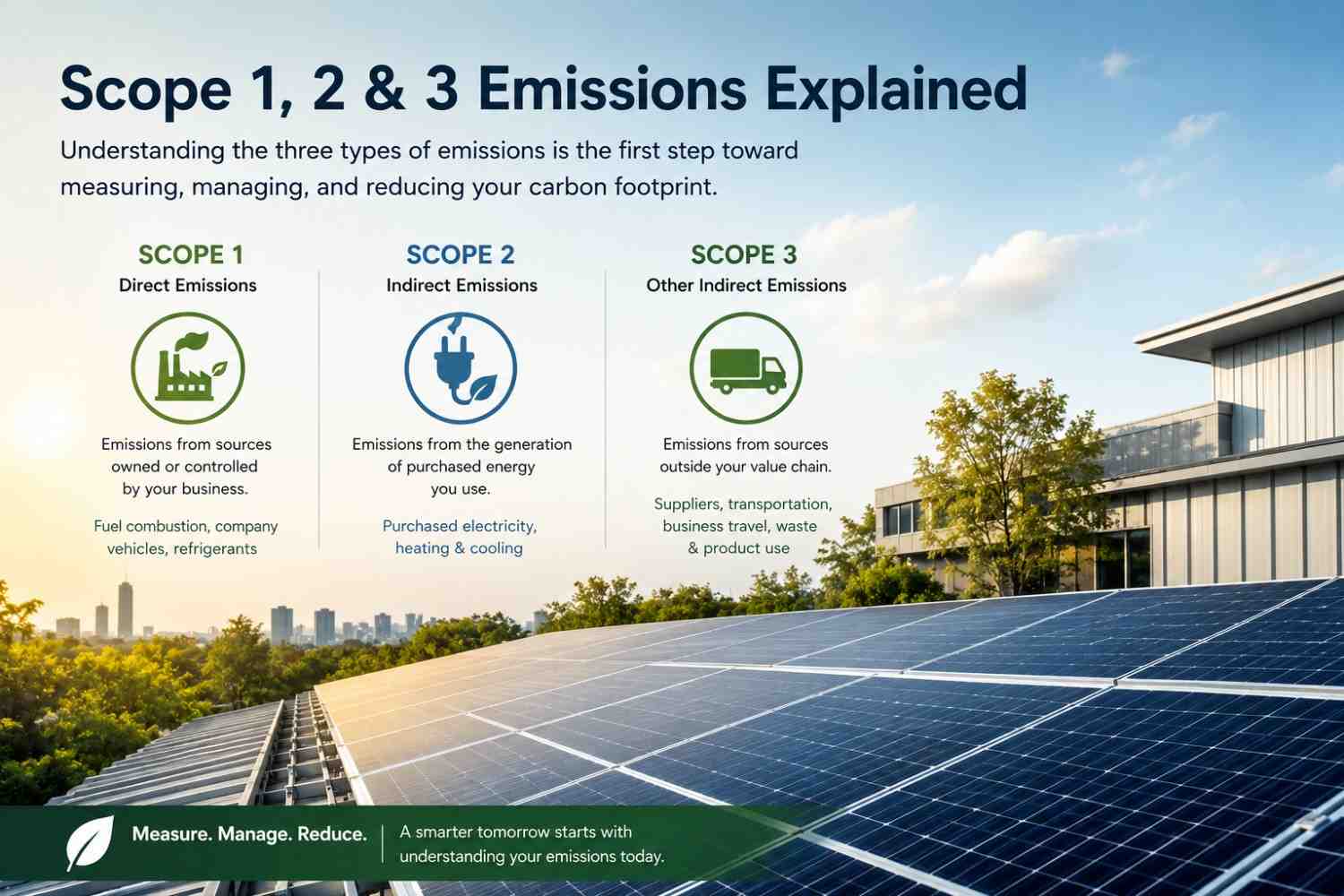
What Are Scope 1, 2 and 3 Emissions?

What Is Carbon Offsetting and Should Businesses Use It?
What Is RE100 and Should Your Business Join?
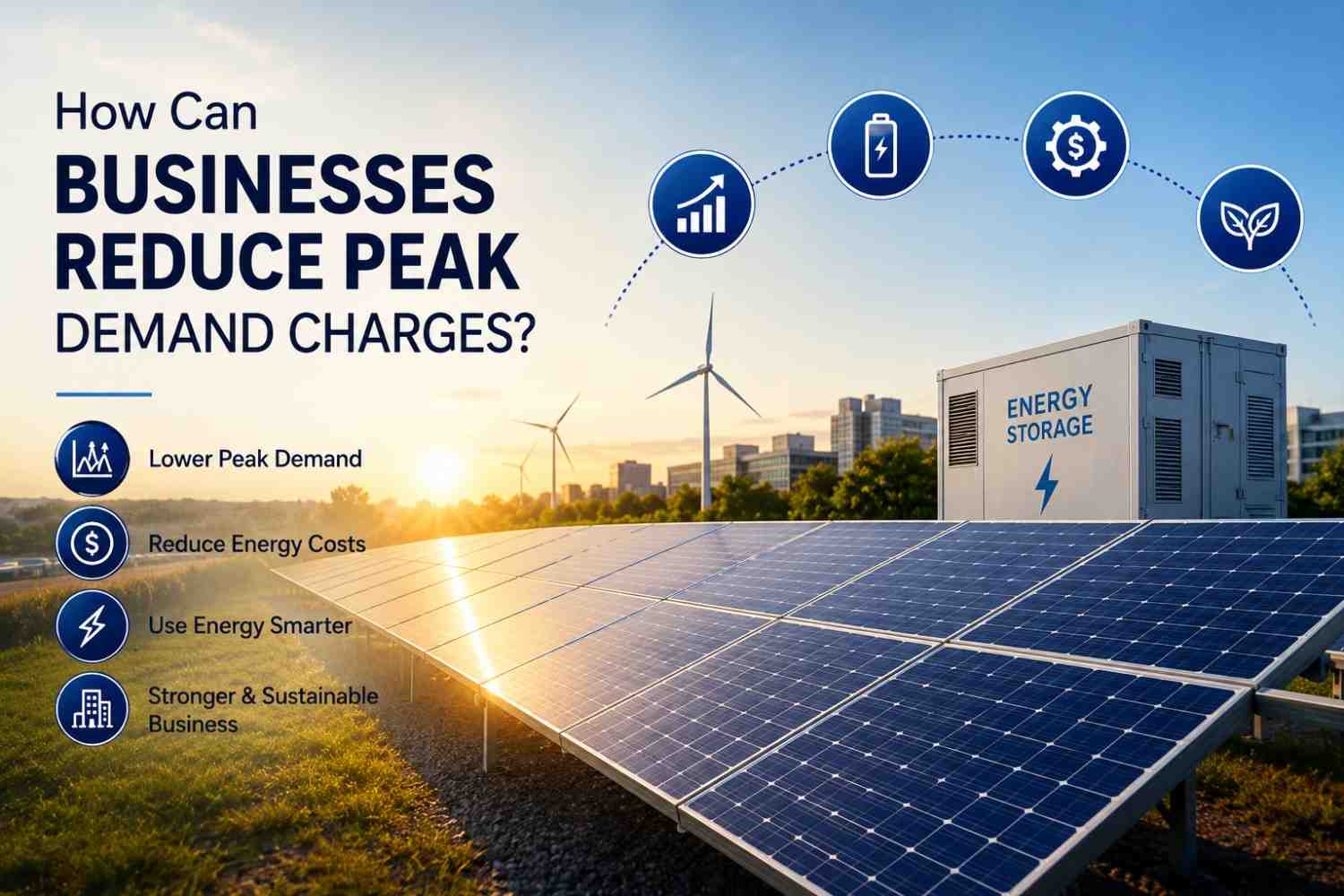
How Can Businesses Reduce Peak Demand Charges?
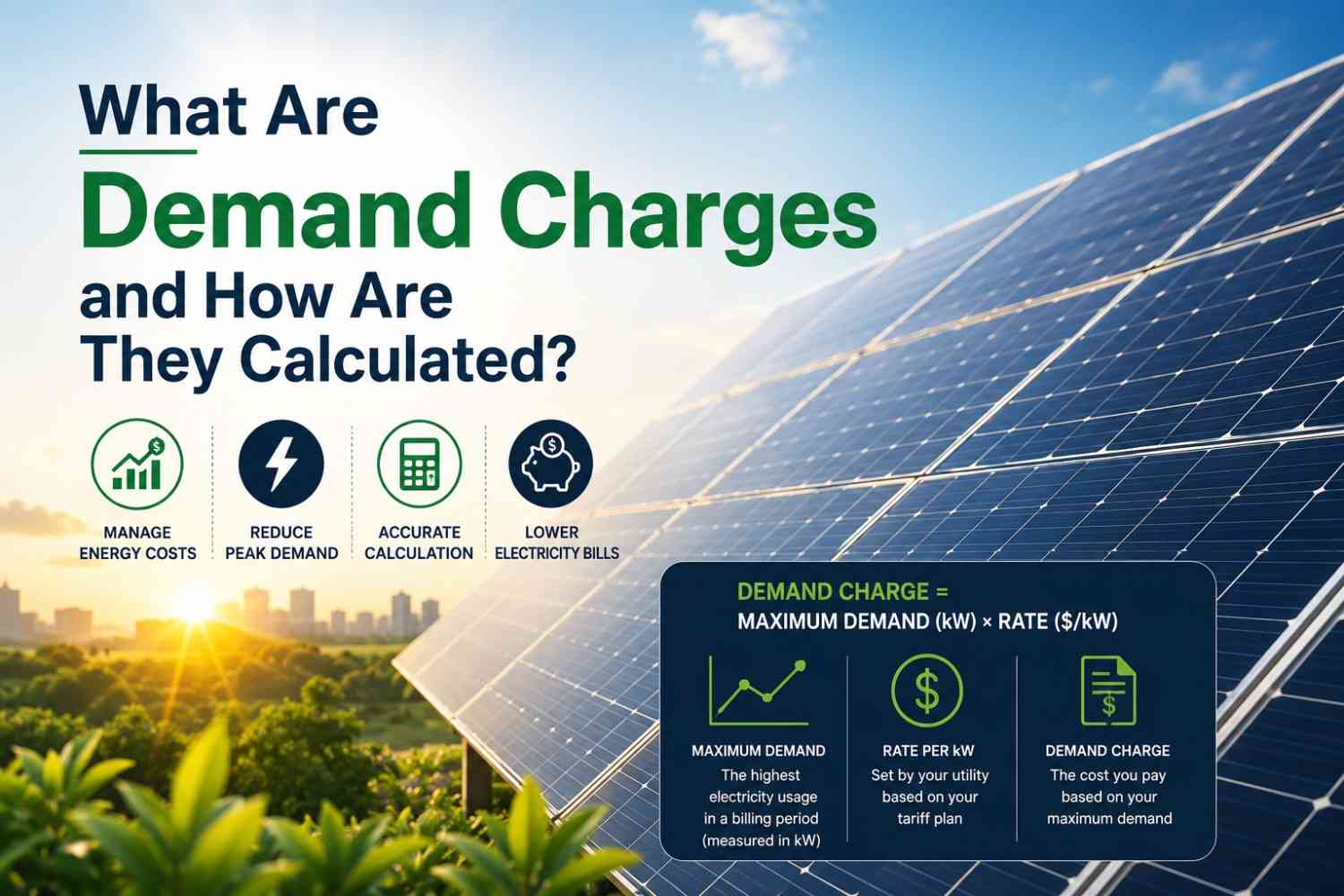
What Are Demand Charges and How Are They Calculated?
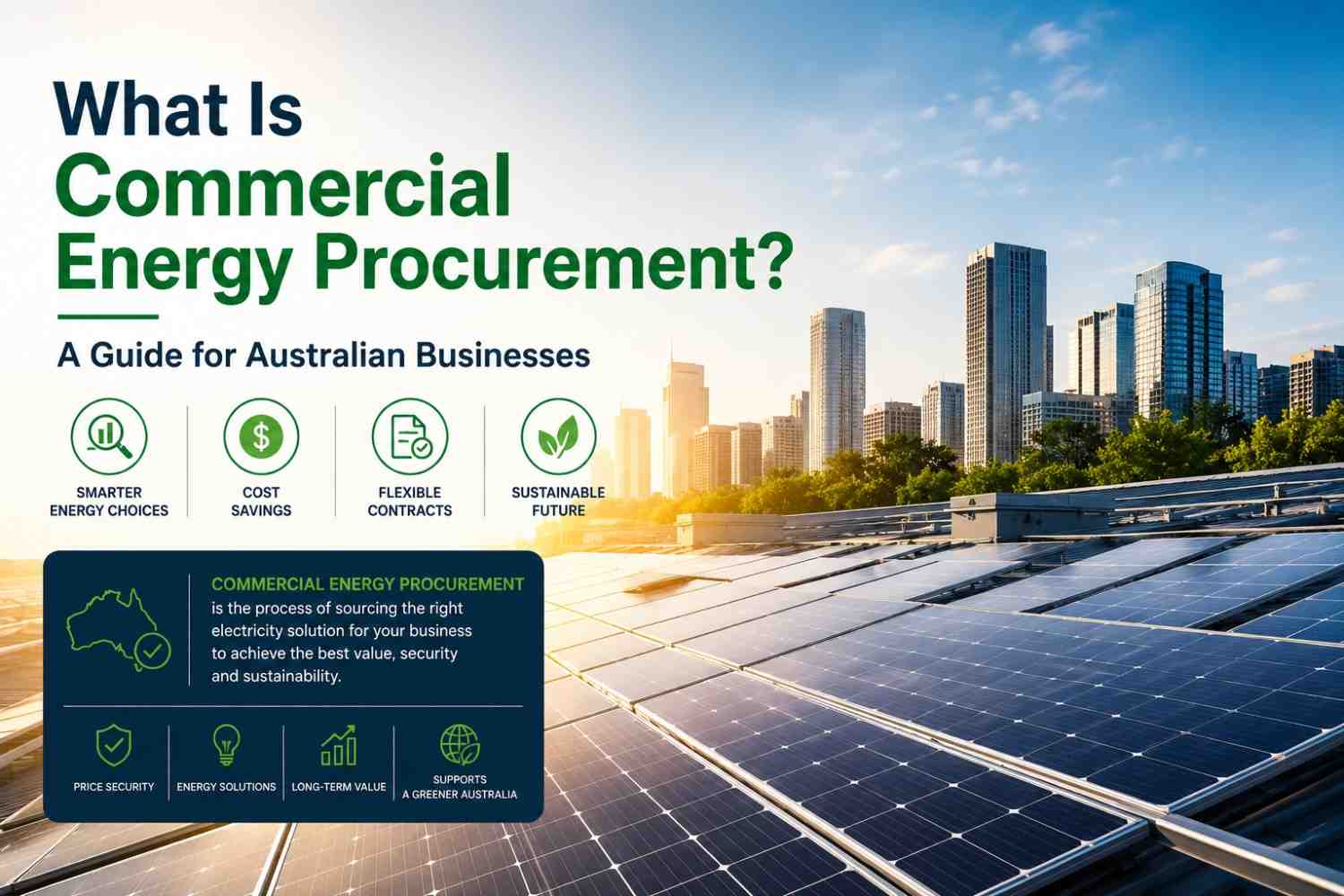
What Is Commercial Energy Procurement? A Guide for Australian Businesses

Agile Boardroom 6 - Where should capital go? Core Business vs Energy Infrastructure
Agile Advantage Ed.20 - Energy Security for Australian Businesses: Operating Through Global Instability

Is Your Business Too Dependent on the Grid? Here's What to Do
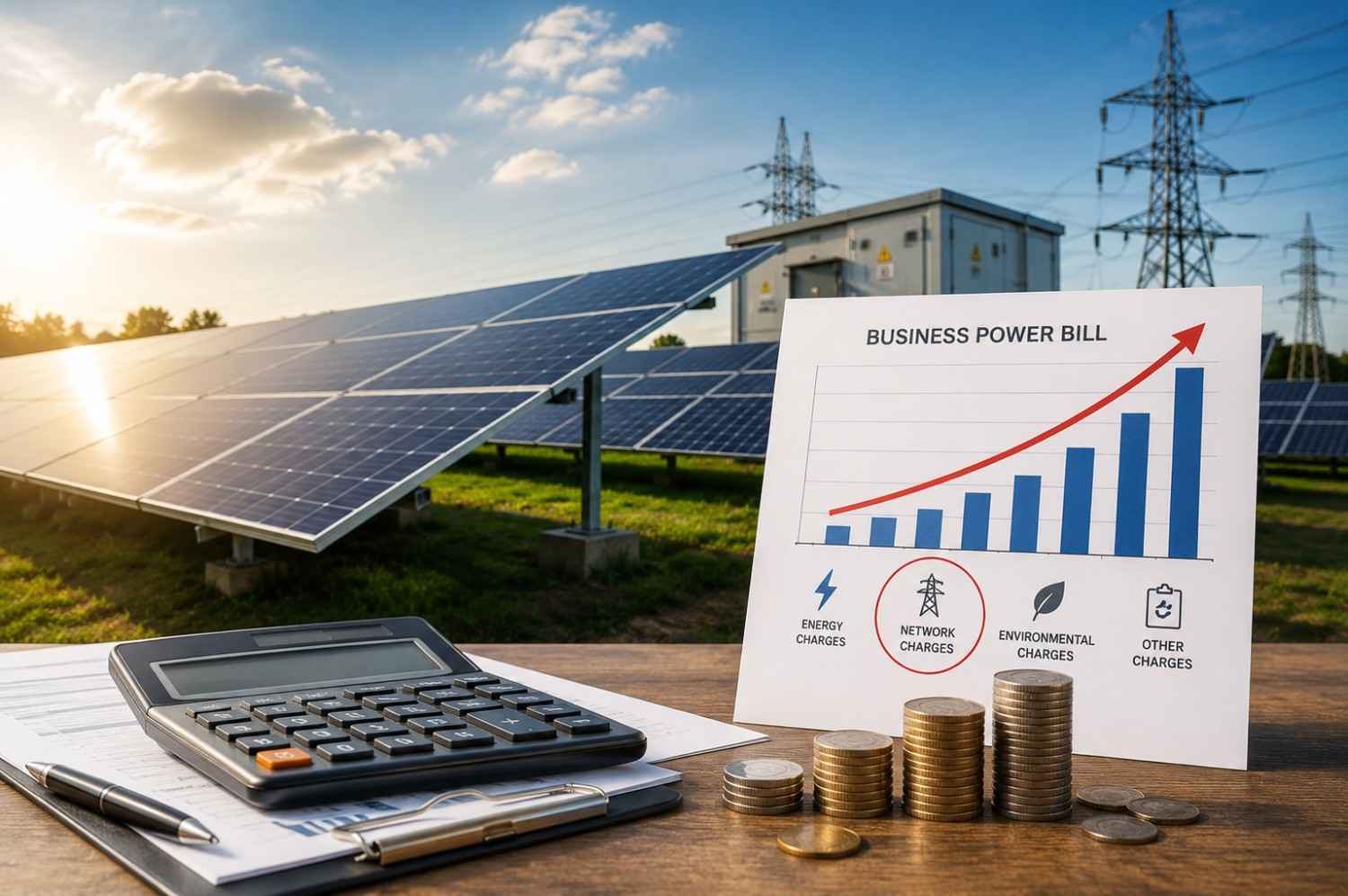
Network Charges Explained: The Fastest-Growing Cost on Your Business Power Bill

Agile Boardroom 5: Energy as competitive advantage in private equity portfolios

Agile Advantage Ed.19 - The End of Cheap Diesel: What Businesses Need to Know
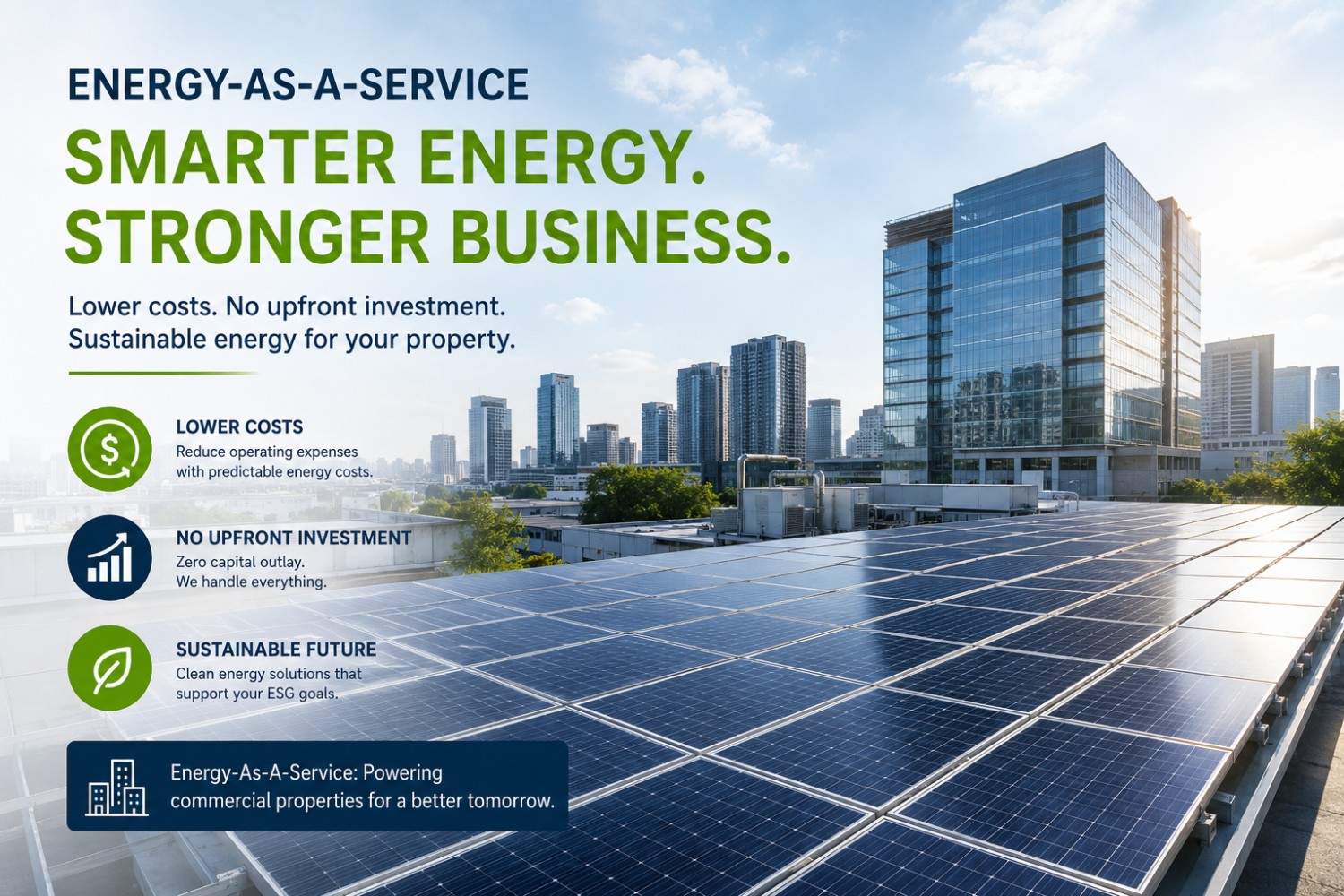
Energy-as-a-Service Explained for Commercial Property Owners

Agile Boardroom 4 - Geopolitics meets energy: What CFOs must factor into energy strategy

Agile Advantage Ed.18 - Keeping Production Running: Battery Storage for Outage Management in Manufacturing

Australia is experiencing a clean energy revolution as commercial and domestic landlords turn rooftops into revenue

Landlords turn to rooftop solar to yield income

Commercial landlords turning rooftops into ‘profit machines’ through solar installations

Solar PPA for Schools: Reduce Electricity Costs Without Upfront Investment
Agile Energy Featured on Business Essentials Podcast
.png)
Schools access cheaper electricity
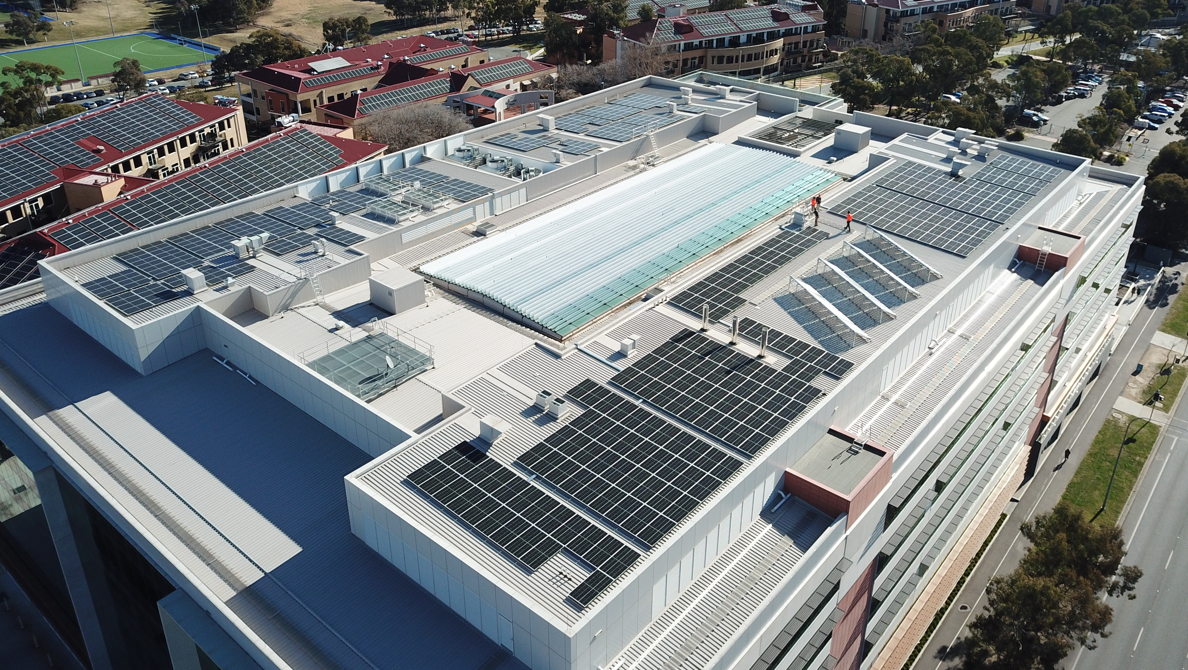
Australia undergoes a clean energy revolution as commercial and domestic landlords turn rooftops into revenue
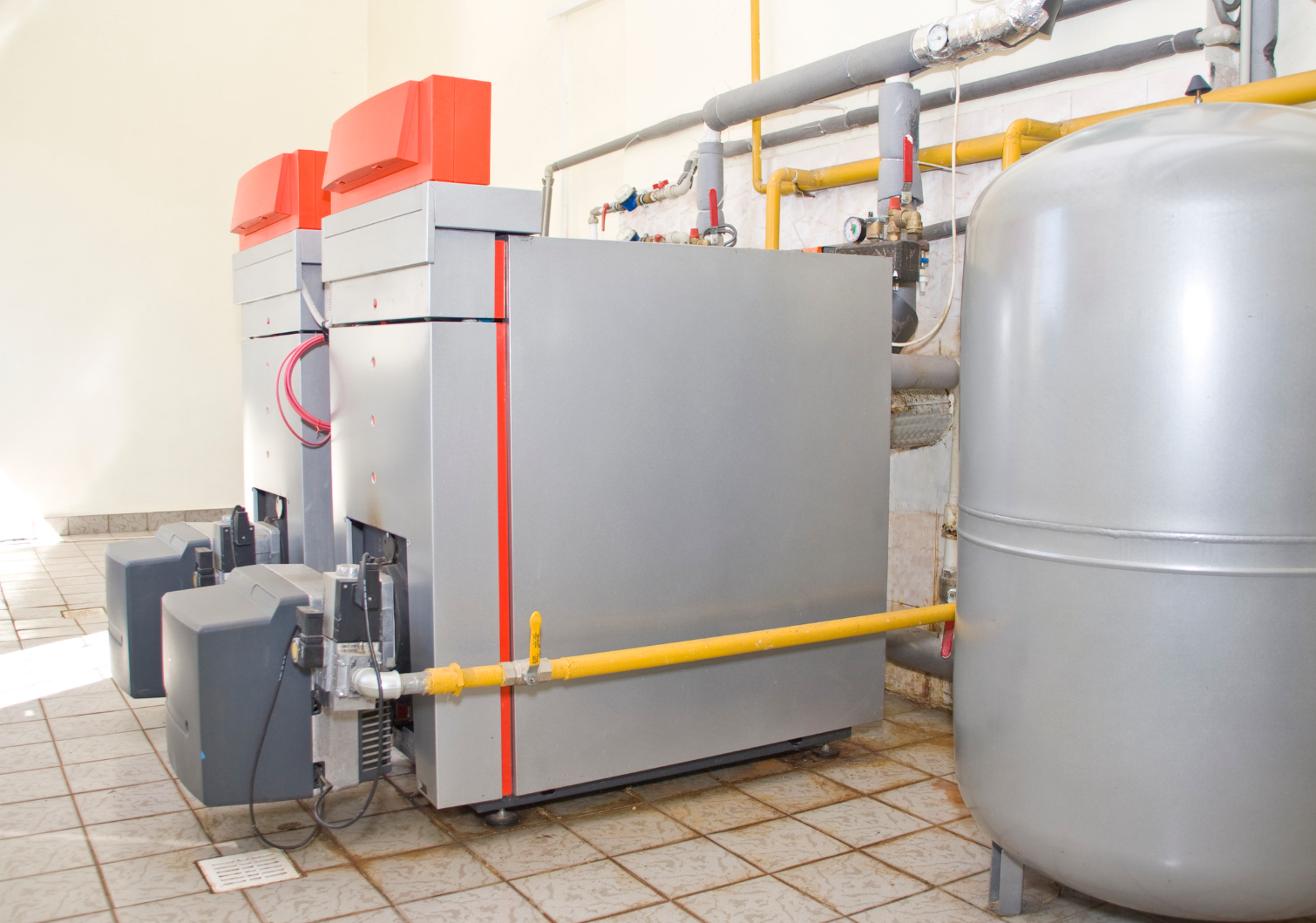
Agile Advantage Ed.17 - Solar for Process Heat: Replacing Gas Boilers in Food and Beverage Manufacturing

5 Reasons Why Capital-Funded Solar is the Safest Energy Transition Strategy in 2026
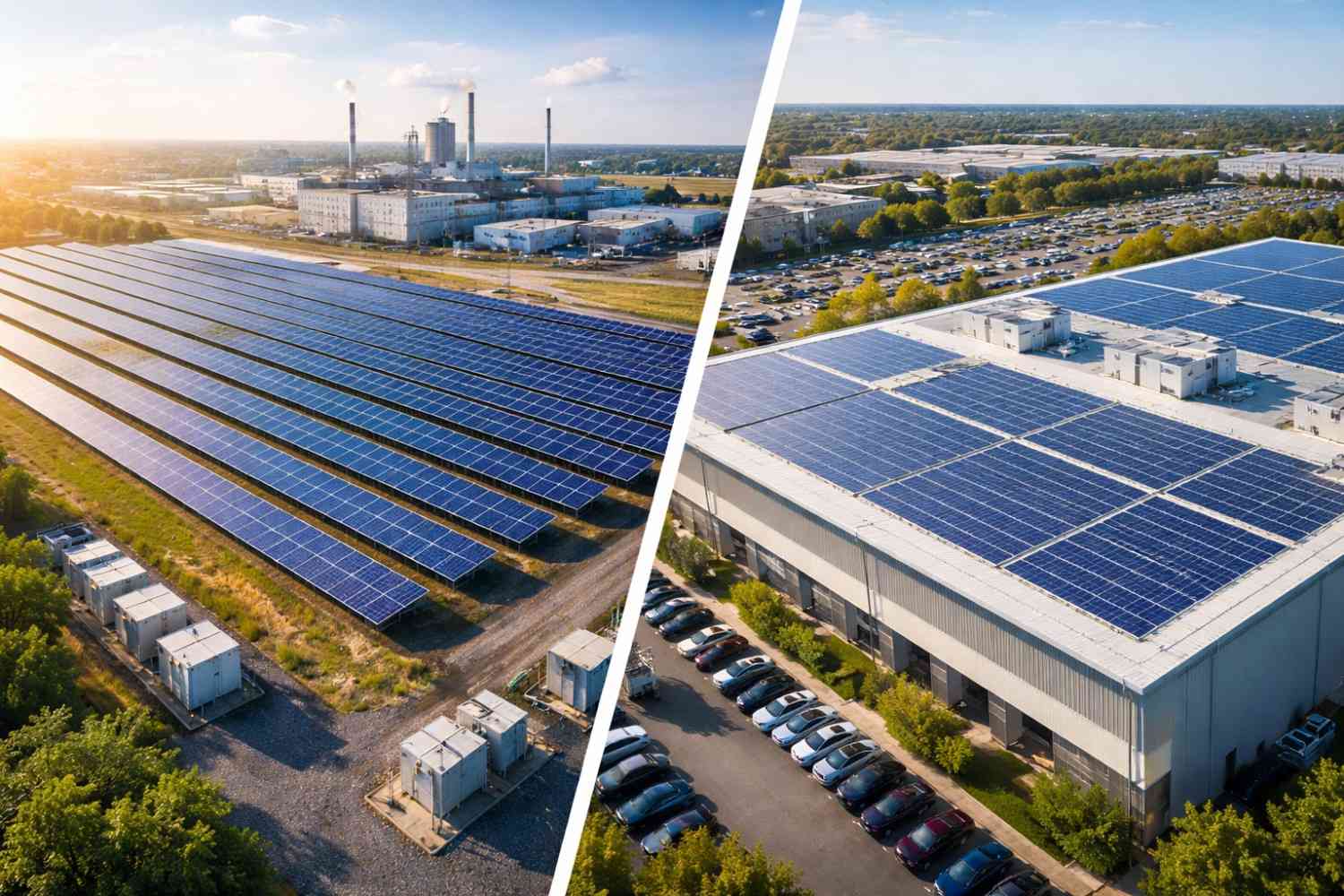
Industrial vs Commercial Solar Systems: Which Energy Solution Is Right for Your Business?

Agile Boardroom 2 - Solar + Storage Under Tight Operating Budgets: Education & Not-for-Profit

Agile Advantage Ed. 16 - Cutting Diesel Dependency: Solar battery PPAs for remote farming operations

Agile Boardroom 1 - A Competitive Advantage in Government & Enterprise Tenders: The Decarbonised Bid

Agile Advantage Ed. 15 - Winning the war on peak prices: Load Shifting, Storage and Smart Controls for C&I

The summer surge: How to keep energy bills cool when temperature rise

Agile Advantage Ed. 14 - The 2026 solar health check: From legacy systems to strategic assets
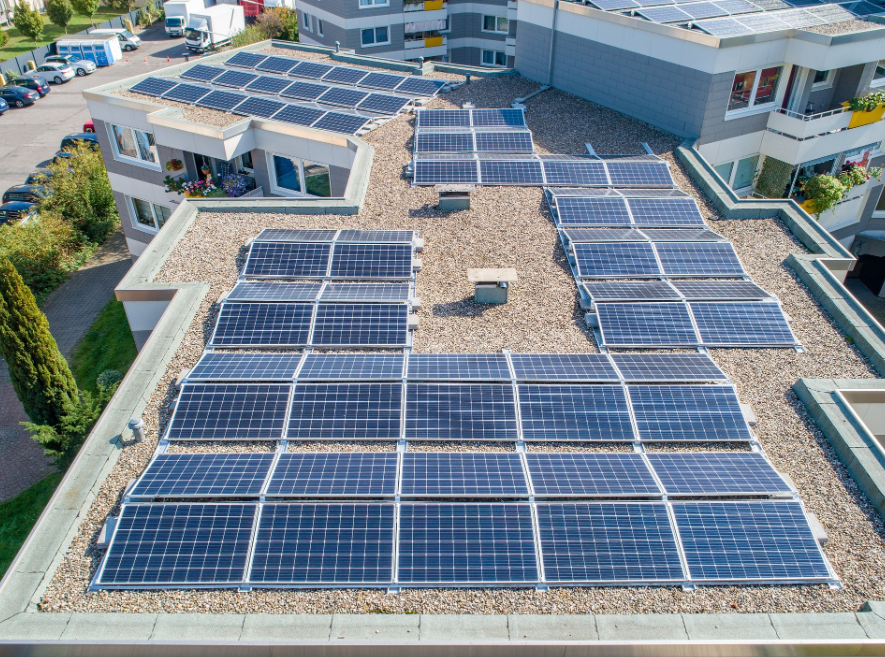
Solar vs Grid Energy Price Escalation: 2026 Outlook
Agile Advantage Ed. 13 - From energy users to market participants: How Agile businesses are monetising flexibility
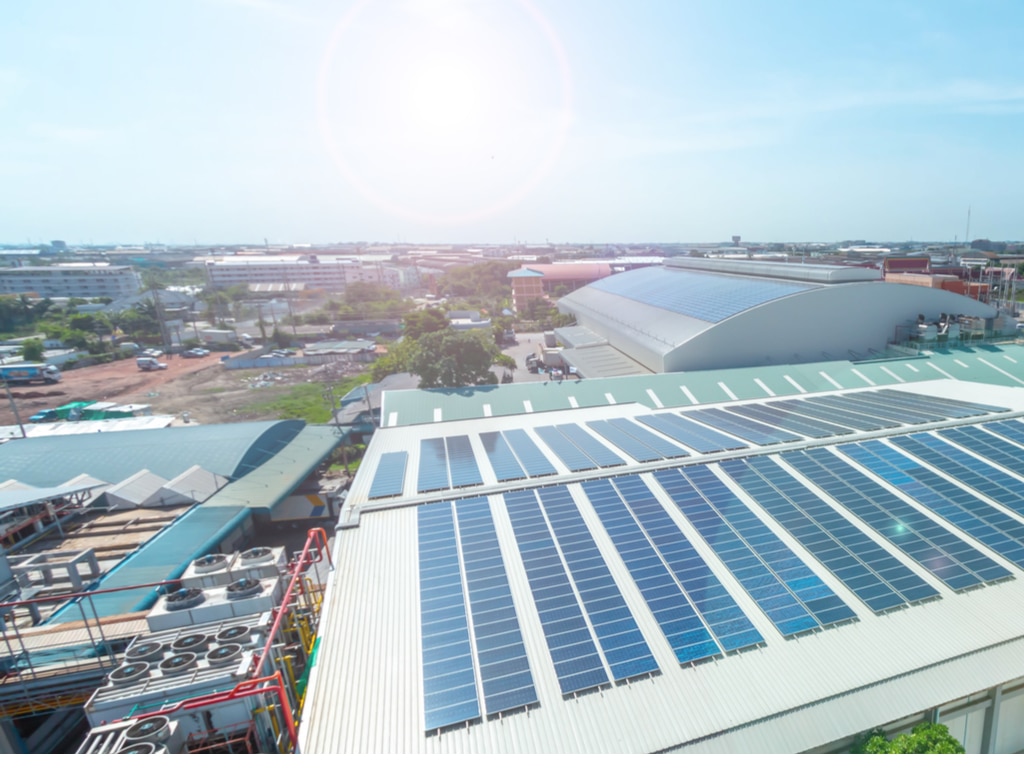
Mandatory Climate Reporting: What CFOs need to know (2026–2028)

Agile Advantage Ed. 11 - Unlocking full value from solar & storage: The business case for batteries

End-of-Year Energy Audit: 10 ways to start 2026 leaner and cleaner

Agile Advantage Ed. 10 - Embedded Networks 101: Turning electricity from a cost centre into a profit centre
Top 5 Energy Incentives for Australian Businesses (2025)

Managing solar and battery rollouts for national portfolio

Risk management in renewables
Commercial solar ROI in 2026: Maximise your business savings

Scaling SAFe in large-scale energy organisations: How executives can harness the Scaled Agile Framework (SAFe) to accelerate the energy transition

Always-On Agile operating model for Australia’s energy transition

Integrated energy & carbon strategies: A Playbook for future-proofing Australian manufacturing

Weathering the storm: Protects solar assets from heavy rainfall risk
Transforming dead space into active assets: How Agile unlocks roofs, car parks, and land for revenue

Agile Advantage Ed. 9 - Why energy data is the new gold for Australian manufacturer
Solar Battery Rebate

Agile Advantage Ed. 8 - E is Everything: Energising Australian Businesses

Agile Advantage Ed. 7 - Riding the renewable wave: Why Australian businesses are embracing solar energy

Agile Advantage Ed. 6 - Why CFOs should prioritise renewable energy investments in 2025

Empowering Australian Businesses: Unlocking energy efficiency and sustainability

Agile Advantage Ed. 5 - Inspiring the young workforce: How rolling out renewables sparks motivation

The power of vertical integration in solar project delivery

Agile Advantage Ed. 4 - Making complex simple: Navigating the complexity of solar installations

Rising cost of insurance : Impact on solar assets

Monetising your solar assets: Converting pre-purchased systems into power purchase agreements (PPAs)

Agile Advantage Ed. 3 - The Magic of experience: Partnering for performance in renewables

Solar rooftop safety: Risk management guide

Agile Advantage Ed. 2 - Clear paths to carbon reduction: Renewables and more for Australian businesses

Agile Advantage Ed. 1 - Seven deadly sins of solar installations: Mistakes businesses must avoid

CEO's view on managing increasing energy costs

What are Small-scale technology certificates (STC)?

Carbon Accounting and your business

Join Agile Energy at the Healthcare Real Estate Summit

Carbon Projects - Where to Start?

TRADE ACCUs WITH US! From the desk of Equipoised Group
Ready to power your business with Sustainable Energy?
Let's take the first step towards a brighter and greener future.