Industrial vs Commercial Solar Systems: Which Energy Solution Is Right for Your Business?
.jpg)
Businesses search for better methods to control energy use because energy prices keep increasing and sustainability requirements become more demanding. Solar energy has become a practical solution that helps organizations decrease their operational expenses while meeting their environmental objectives. However, choosing between industrial and commercial solar systems can be confusing without a clear understanding of how each system works.
The energy requirements and infrastructure, and future plans of your business determine which solar system matches your needs at your retail outlet or office space or manufacturing plant or logistics hub. Expert guidance from providers like Agile Energy enables businesses to make informed decisions that balance their operational performance with their financial costs and system scalability.
Understanding the Core Difference
Both industrial and commercial solar systems operate through photovoltaic technology that transforms sunlight into electrical power. The real difference lies in system scale, complexity, and application.
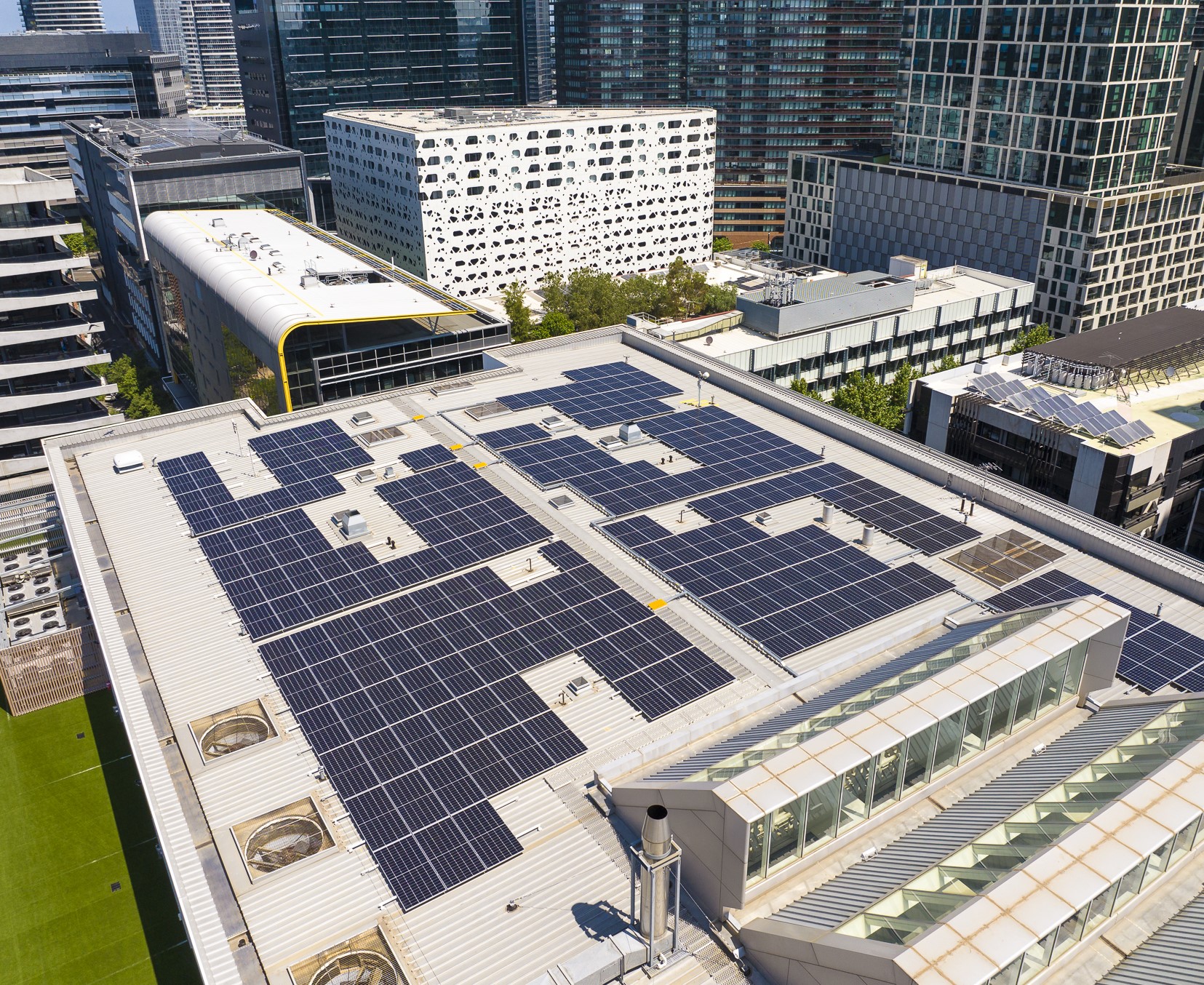
Commercial solar systems typically use smaller properties for installation, including offices, retail stores, and small-scale facilities. The systems operate at low capacity, enabling them to provide efficient electricity usage reduction without needing major system upgrades.
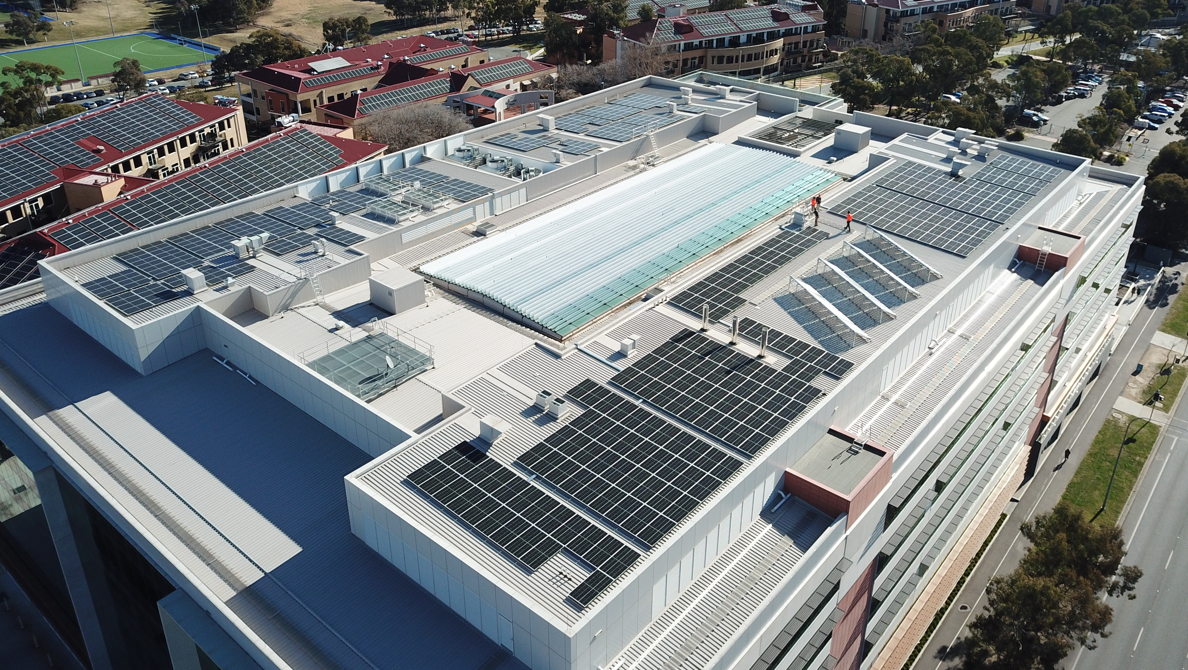
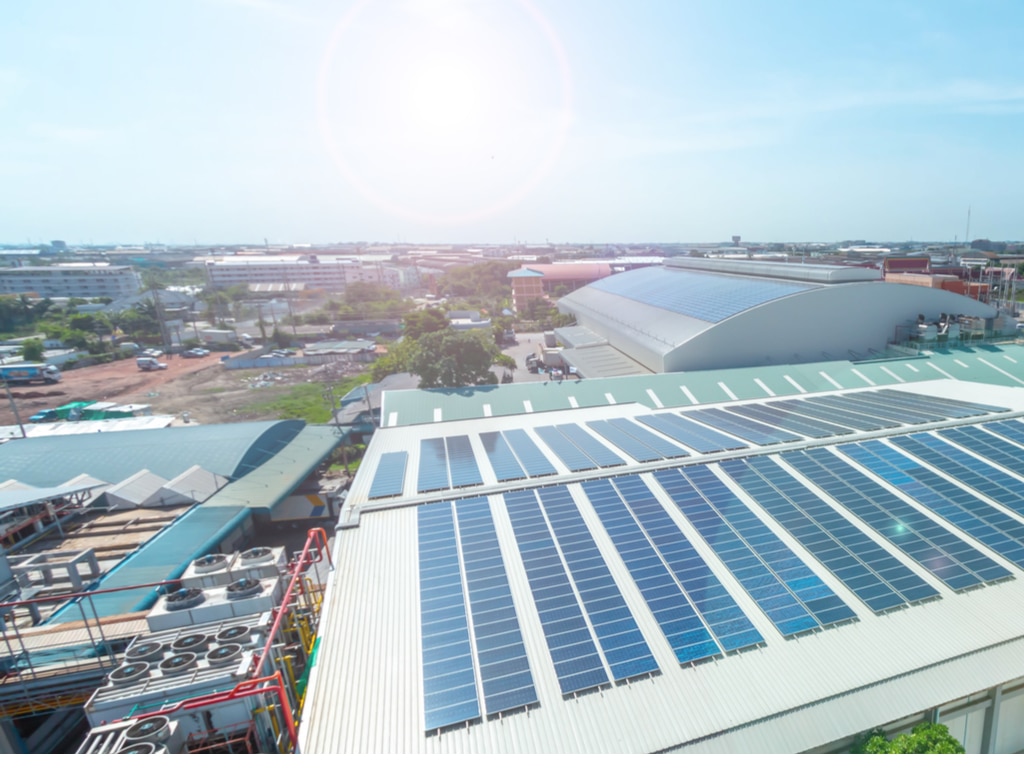
Industrial solar panel installation serves as a solution for vast industrial facilities, like factories, warehouses, and processing plants. The systems operate at much higher capacities that reach beyond one megawatt. It is because their design enables them to deliver power for substantial energy needs while incorporating various electrical systems.
Energy Demand and System Size
The major factor affecting your decision will be the energy use. Commercial users typically consume energy predictably during the daytime, which makes installing a solar energy system an easy choice. Additionally, these systems have the benefit of being easier to install and working with the existing electrical system.
Industrial facilities generally conduct their business 24 hours per day and have variable load requirements. As such, they require a much heavier duty system that can handle larger voltage connections and have much more extensive engineering studies with various levels of monitoring. For these types of companies, solar energy is more than just a source of energy; it is also a strategic asset.
Financial Considerations and ROI
There’s always a cost factor when making investments in renewable energy sources; however, solar has become increasingly accessible over the last several years. Many companies take advantage of Government solar rebates, helping to bring down initial capital costs and increase the overall return on investment.
Typical commercial installations have shorter payback periods due to their lower installation cost and ease of design than that of more complex (industrial) systems. Industrial system costs will generally be higher initially than commercial systems; however, the industrial sector typically enjoys the benefits of economies of scale. Therefore, as the size of an industrial solar energy system increases, the price per watt decreases, which ultimately provides an extremely cost-effective solution over time.
One of the additional benefits of financing models such as leasing and solar battery PPA solutions is that businesses can implement solar without incurring significant or even any initial costs. This is especially beneficial to businesses trying to maintain their cash flow while transitioning to renewable energy sources.
Infrastructure and Technology Integration
Solar technologies today offer more than their current panel systems. The current approach for businesses requires them to implement solar energy solutions throughout their entire distributed energy infrastructure, including automated power generation, storage, and usage management capabilities.
The typical commercial system uses standard inverters together with monitoring systems that measure energy production and cost savings. Industrial facilities use advanced technologies that enable real-time data analysis and grid stability and energy control systems to manage operations across their entire sites.
Industrial operations require battery storage systems as a vital element. Businesses can decrease their dependence on power plants during high-demand periods by using excess energy that they stored from daytime production to maintain operations during power interruptions.
Installation and Compliance Complexity
Commercial solar systems are generally easier to complete than larger industrial projects, with a significant number of requirements and items to work through being minimised. Commercial solar systems typically connect to low-voltage networks and require fewer approvals than larger projects.
Conversely, industrial projects are often more complex, including high-voltage networks, multiple electrical requirements, the requirement for network compliance to grid codes, and individualised engineering solutions. By working with experienced companies such as Agile Energy, you can ensure efficient and compliant management of the design and construction process.
Sustainability and Business Impact
Solar systems in both commercial and industrial settings lead to major reductions in carbon emissions. The scale of impact between these two systems shows different results. Industrial systems, due to their size, can offset substantial amounts of carbon annually, making them a powerful tool for achieving sustainability targets.
Solar energy adoption by businesses under stakeholder, client, and regulatory body pressure shows their strong commitment to environmental responsibility. The practice improves brand image while creating new business prospects in supply chains that focus on sustainable practices.
Future Scalability and Energy Strategy
The future development of the system needs to be assessed as an additional critical aspect. The expansion of commercial systems is possible, but their growth potential is restricted by the available roof area and existing building systems. The design of industrial systems that focus on scalability provides organizations with increased options to develop their operations.
The adoption of electric vehicles, advanced machinery, and automated systems by businesses leads to increased energy consumption. Your energy strategy will maintain its effectiveness through all future changes when you invest in a solar solution that can grow with your needs.
Industrial vs Commercial Solar Systems
Making the Right Choice
Your business needs will determine whether you select industrial solar power or commercial solar power. The commercial systems meet all energy requirements for small businesses that operate at moderate energy consumption levels. Industrial-scale installations provide better value to companies that require extensive energy resources throughout their entire operations.
Agile Energy provides expert solar solutions that match your distinct needs when you work with them as your solar solution provider. Your investment will achieve its maximum potential when you use the appropriate expertise for every step of the process, from initial assessment to system design and ongoing support.
Conclusion
Business nowadays requires solar energy as their primary energy solution because the energy market keeps changing. The advantages of commercial and industrial systems go beyond saving money because they provide energy independence, sustainability, and long-term operational strength.
The understanding of differences between solar systems allows you to choose the right option that will meet your business requirements.
Agile Advantage Ed.22 - When Power Fails, Product Fails: Energy Resilience in Cold Chain

Agile Boardroom 7 - 2026 Energy Risk: A Framework for Reliability, Cost and Continuity
Big News for Business Solar: SRES Rebate Now Covers Systems 10x Larger

Agile Advantage Ed.21 - From Backup to Strategy: Batteries as business Continuity Infrastructure
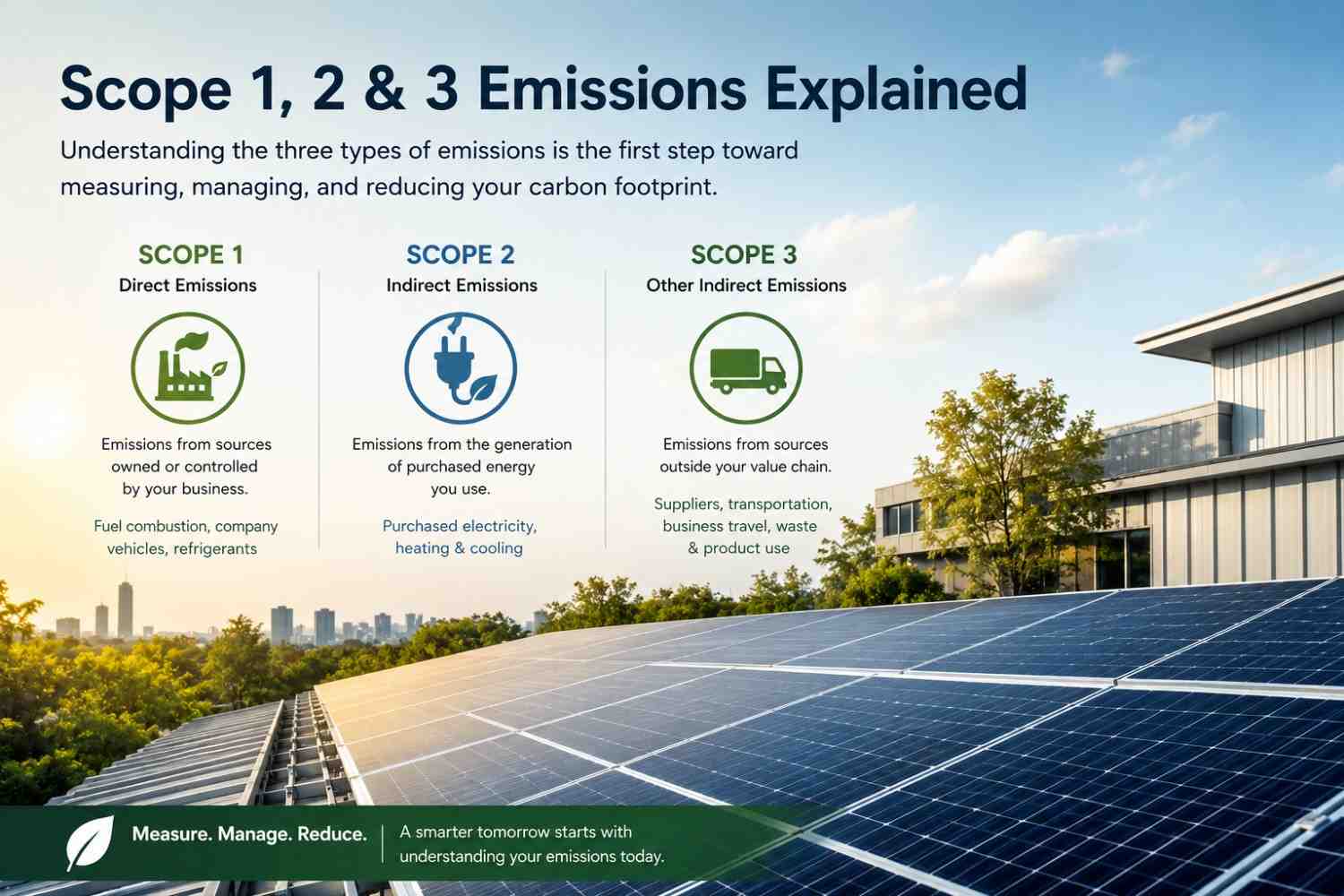
What Are Scope 1, 2 and 3 Emissions?

What Is Carbon Offsetting and Should Businesses Use It?
What Is RE100 and Should Your Business Join?
How Can Businesses Reduce Peak Demand Charges?
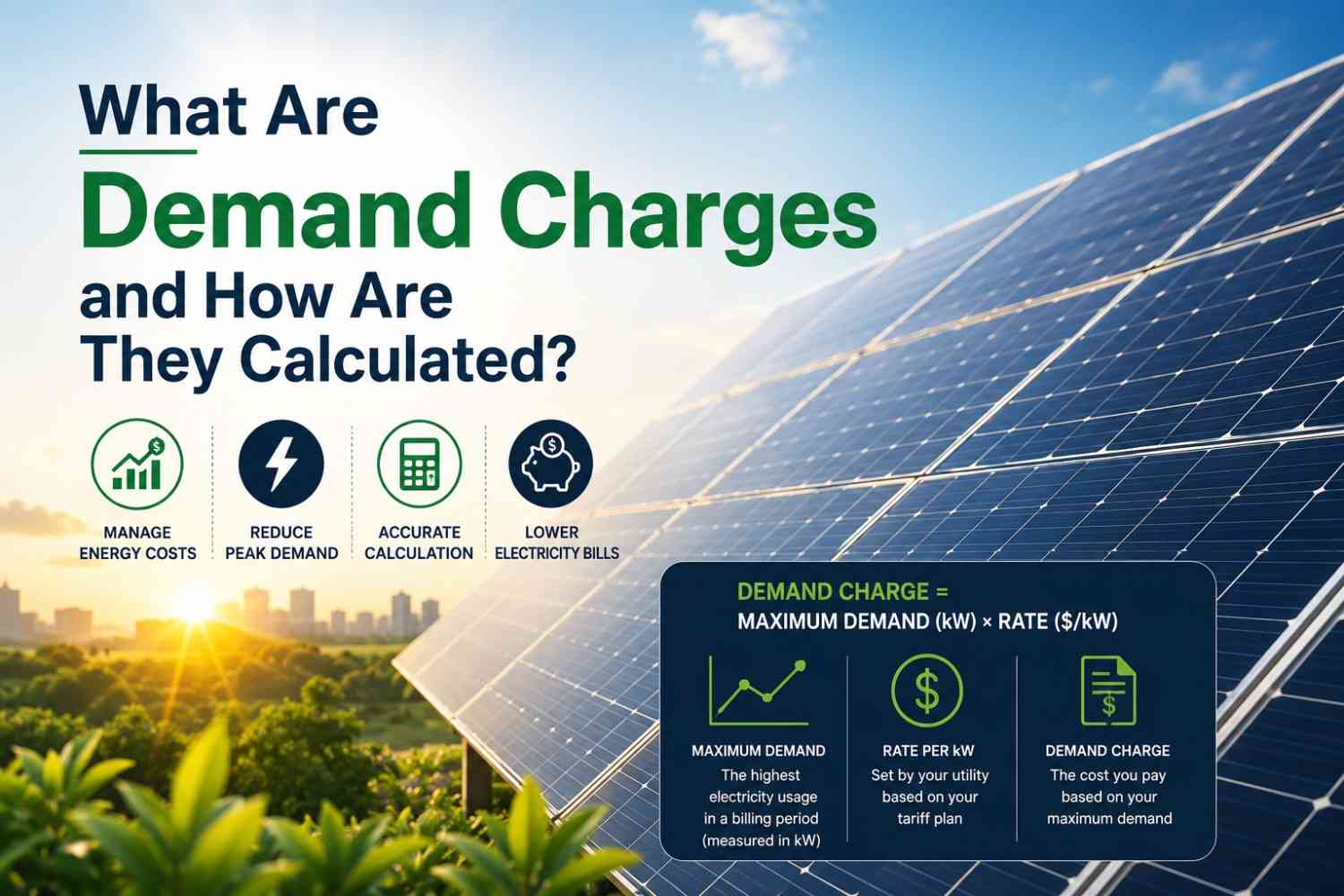
What Are Demand Charges and How Are They Calculated?
What Is Commercial Energy Procurement? A Guide for Australian Businesses

Agile Boardroom 6 - Where should capital go? Core Business vs Energy Infrastructure
Agile Advantage Ed.20 - Energy Security for Australian Businesses: Operating Through Global Instability

Is Your Business Too Dependent on the Grid? Here's What to Do
Network Charges Explained: The Fastest-Growing Cost on Your Business Power Bill

Agile Boardroom 5: Energy as competitive advantage in private equity portfolios

Agile Advantage Ed.19 - The End of Cheap Diesel: What Businesses Need to Know
Energy-as-a-Service Explained for Commercial Property Owners

Agile Boardroom 4 - Geopolitics meets energy: What CFOs must factor into energy strategy

Agile Advantage Ed.18 - Keeping Production Running: Battery Storage for Outage Management in Manufacturing

Agile Boardroom 3 - The Bankable PPA: What Lenders, Boards and Investors actually require

Australia is experiencing a clean energy revolution as commercial and domestic landlords turn rooftops into revenue
Landlords turn to rooftop solar to yield income

Commercial landlords turning rooftops into ‘profit machines’ through solar installations

Solar PPA for Schools: Reduce Electricity Costs Without Upfront Investment
Agile Energy Featured on Business Essentials Podcast
.png)
Schools access cheaper electricity
Australia undergoes a clean energy revolution as commercial and domestic landlords turn rooftops into revenue
Agile Advantage Ed.17 - Solar for Process Heat: Replacing Gas Boilers in Food and Beverage Manufacturing

5 Reasons Why Capital-Funded Solar is the Safest Energy Transition Strategy in 2026

Agile Boardroom 2 - Solar + Storage Under Tight Operating Budgets: Education & Not-for-Profit

Agile Advantage Ed. 16 - Cutting Diesel Dependency: Solar battery PPAs for remote farming operations

Agile Boardroom 1 - A Competitive Advantage in Government & Enterprise Tenders: The Decarbonised Bid

Agile Advantage Ed. 15 - Winning the war on peak prices: Load Shifting, Storage and Smart Controls for C&I

The summer surge: How to keep energy bills cool when temperature rise

Agile Advantage Ed. 14 - The 2026 solar health check: From legacy systems to strategic assets
Solar vs Grid Energy Price Escalation: 2026 Outlook
Agile Advantage Ed. 13 - From energy users to market participants: How Agile businesses are monetising flexibility
Mandatory Climate Reporting: What CFOs need to know (2026–2028)

Agile Advantage Ed. 11 - Unlocking full value from solar & storage: The business case for batteries

End-of-Year Energy Audit: 10 ways to start 2026 leaner and cleaner

Agile Advantage Ed. 10 - Embedded Networks 101: Turning electricity from a cost centre into a profit centre
Top 5 Energy Incentives for Australian Businesses (2025)

Managing solar and battery rollouts for national portfolio

Risk management in renewables
Commercial solar ROI in 2026: Maximise your business savings

Scaling SAFe in large-scale energy organisations: How executives can harness the Scaled Agile Framework (SAFe) to accelerate the energy transition

Always-On Agile operating model for Australia’s energy transition

Integrated energy & carbon strategies: A Playbook for future-proofing Australian manufacturing

Weathering the storm: Protects solar assets from heavy rainfall risk
Transforming dead space into active assets: How Agile unlocks roofs, car parks, and land for revenue

Agile Advantage Ed. 9 - Why energy data is the new gold for Australian manufacturer
Solar Battery Rebate

Agile Advantage Ed. 8 - E is Everything: Energising Australian Businesses

Agile Advantage Ed. 7 - Riding the renewable wave: Why Australian businesses are embracing solar energy

Agile Advantage Ed. 6 - Why CFOs should prioritise renewable energy investments in 2025

Empowering Australian Businesses: Unlocking energy efficiency and sustainability

Agile Advantage Ed. 5 - Inspiring the young workforce: How rolling out renewables sparks motivation

The power of vertical integration in solar project delivery

Agile Advantage Ed. 4 - Making complex simple: Navigating the complexity of solar installations

Rising cost of insurance : Impact on solar assets

Monetising your solar assets: Converting pre-purchased systems into power purchase agreements (PPAs)

Agile Advantage Ed. 3 - The Magic of experience: Partnering for performance in renewables

Solar rooftop safety: Risk management guide

Agile Advantage Ed. 2 - Clear paths to carbon reduction: Renewables and more for Australian businesses

Agile Advantage Ed. 1 - Seven deadly sins of solar installations: Mistakes businesses must avoid

CEO's view on managing increasing energy costs

What are Small-scale technology certificates (STC)?

Carbon Accounting and your business

Join Agile Energy at the Healthcare Real Estate Summit

Carbon Projects - Where to Start?

TRADE ACCUs WITH US! From the desk of Equipoised Group
Ready to power your business with Sustainable Energy?
Let's take the first step towards a brighter and greener future.