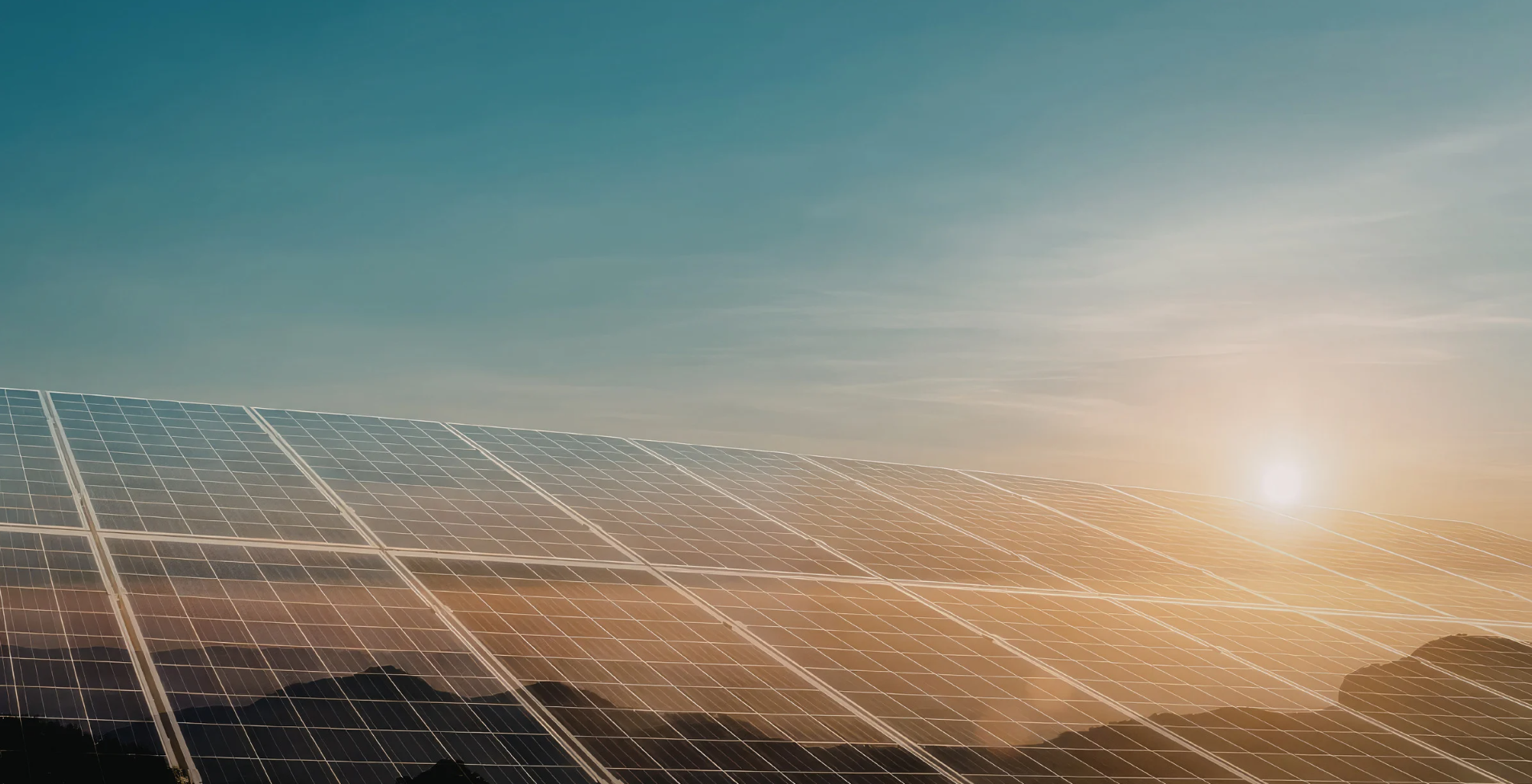
The summer surge: How to keep energy bills cool when temperature rise
.jpg)
A CEO's Guide to Managing Summer Energy Peaks with Solar + Storage
The Seasonal Spike That Hits Every Business
Every Australian summer, the same story unfolds: temperatures rise, air- conditioning units strain, and the national grid groans under the pressure. According to AEMO data, during the 2024-25 summer season:
Wholesale energy prices hit $246 per MWh during peak intervals - a 37% increase from the prior year. Queensland and NSW both recorded new five-year highs for daily peak loads, exceeding 10,500 MW. Average commercial power bills rose 22-28% compared to winter 2024.
For large businesses, those numbers translate into six-figure seasonal cost shocks. The summer period has become one of the most expensive and volatile quarters in the energy calendar - and the trend is accelerating.
The Commercial Cost of Heat
Heat directly inflates consumption. Every 1°C rise in temperature lifts HVAC energy demand by 3-5% and refrigeration load by 6-10%.
Take a logistics warehouse with a $600,000 annual power bill. A 20% summer uplift pushes an extra $120,000 of electricity costs of which around $40,000 is typically driven by short, high-demand intervals that attract network penalties.
These are not unavoidable expenses; they're inefficiencies caused by unmanaged peaks.
How Solar + Storage Neutralise Summer Peaks
Solar generation peaks during the same hours as grid tariffs - roughly 11 a.m. to 5 p.m. Batteries then extend that self-supply period, allowing stored solar energy to cover evening operations and offset demand charges.
Across a typical summer quarter, a 500 kW solar array paired with a 500 kWh battery can reduce grid imports by up to 40%, delivering between $85,000 and $110,000 in avoided energy costs. Network demand charges often fall by another 25-35%, meaning systems of this size usually recover an additional 0.8-1.2 years of payback compared to solar-only installations.
Why CFOs Should Care: Demand Charges as Silent Inflation
While most executives focus on kilowatt-hour rates, nearly half of a commercial energy bill in summer comes from demand charges - the highest 15-minute load interval across the billing cycle.
A manufacturing plant with a 1 MW peak load might pay roughly $180 per kilowatt in annual demand tariffs - that's $180,000 per year regardless of how much energy it uses overall. Installing a 400 kWh battery to reduce just 20% of that peak would save around $36,000-40,000 per year, often paying for itself in less than three years under a lease or PPA model.
Case Study: Cold Storage Facility, Brisbane
A 7,000 m2 refrigerated warehouse in Brisbane implemented a 650 kW rooftop solar system and 600 kWh battery under an Agile Energy PPA. Before installation, the site drew about 1,200 MWh per year.
After commissioning, the results were immediate:
Summer grid draw dropped 41%, and peak demand fell from 480 kW to 270 kW.
Annual savings reached $162,000, including $48,000 in avoided demand penalties.
Solar uptime during the heatwave months exceeded 99.6%, and refrigeration systems saw a 9% reduction in compressor runtime during January alone.
For the operator, the system didn't just cut energy costs - it improved thermal stability, product integrity, and resilience during grid volatility.
The Macro Trend: A Hotter, Pricier 2026 Ahead
AEMO and the Bureau of Meteorology both forecast an extension of the El Niño pattern into 2026, bringing 5-10% more cooling degree days and an additional 2-3 GW of commercial demand pressure across the grid.
Price volatility is likely to persist, with forward contracts already trading above $250-300 per MWh for next summer. In response:
Around 40% of Australia's top 200 industrial users now generate at least part of their own power. 23% have added or committed to on-site storage within the past 18 months.
The direction is clear: energy independence is becoming a competitive differentiator, not a sustainability gesture.
The most powerful shift is financial. Businesses no longer need to outlay capital to access resilience. Under an Agile Energy PPA, the system is fully funded by Agile and the customer simply buys the generated electricity at a fixed rate. This model can cut a site's annual energy costs by 35-45%, equating to $80,000-$120,000 in immediate cash savings for a 500 kW system. For CFOs, it's effectively a cost-neutral hedge: long-term price certainty without upfront CAPEX.
Get Summer Ready with Agile Energy!

Agile Advantage Ed. 23 -Turn energy into an operating expense, not capital investment

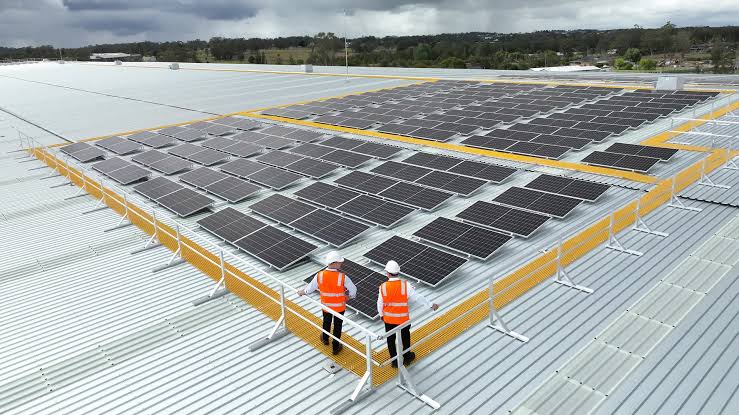
How Big a Commercial Solar System Do I Need? A Sizing Guide for Australian Businesses
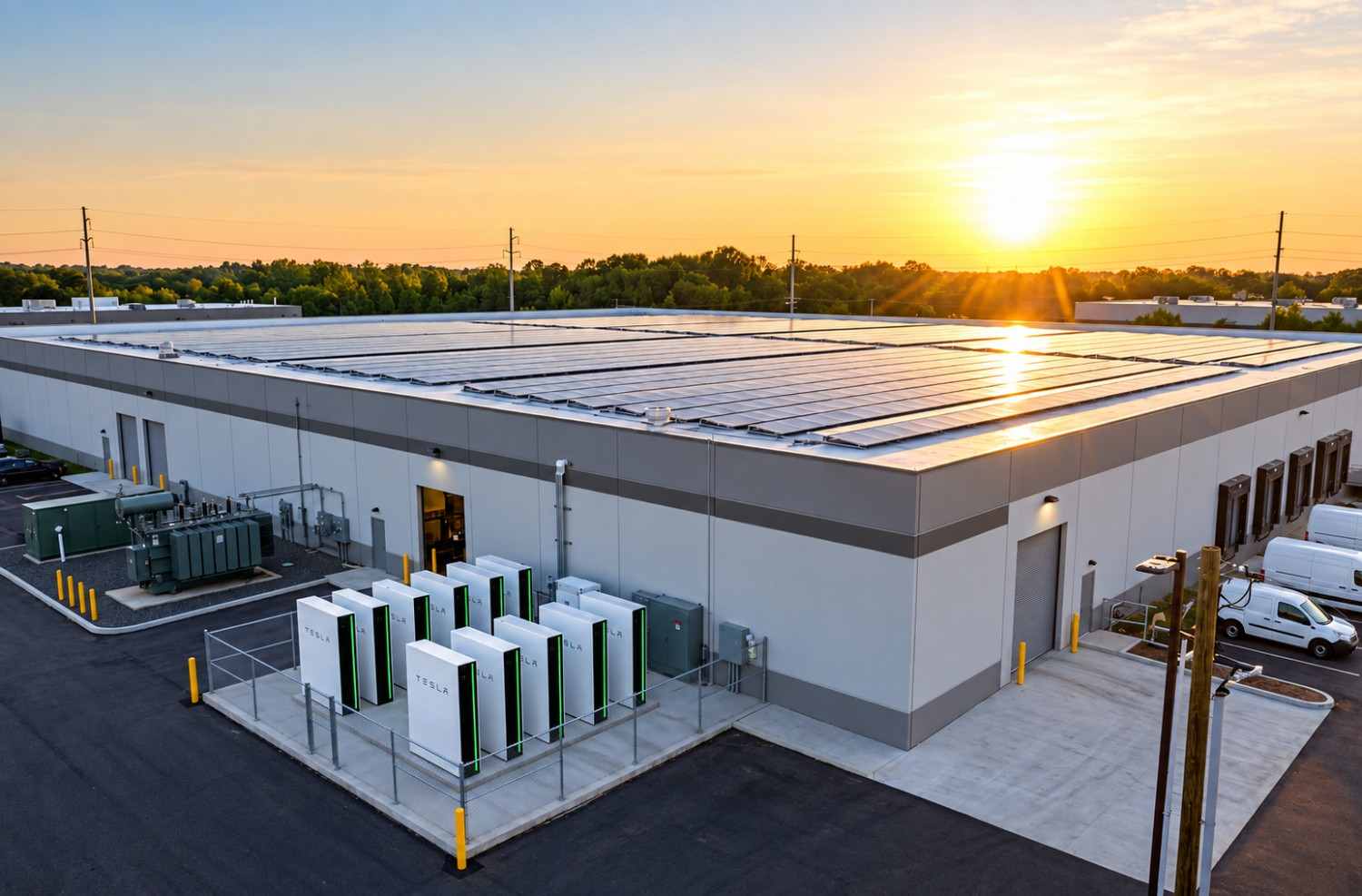
Solar and Battery vs Solar Only: When Does the Extra Cost Pay Off?
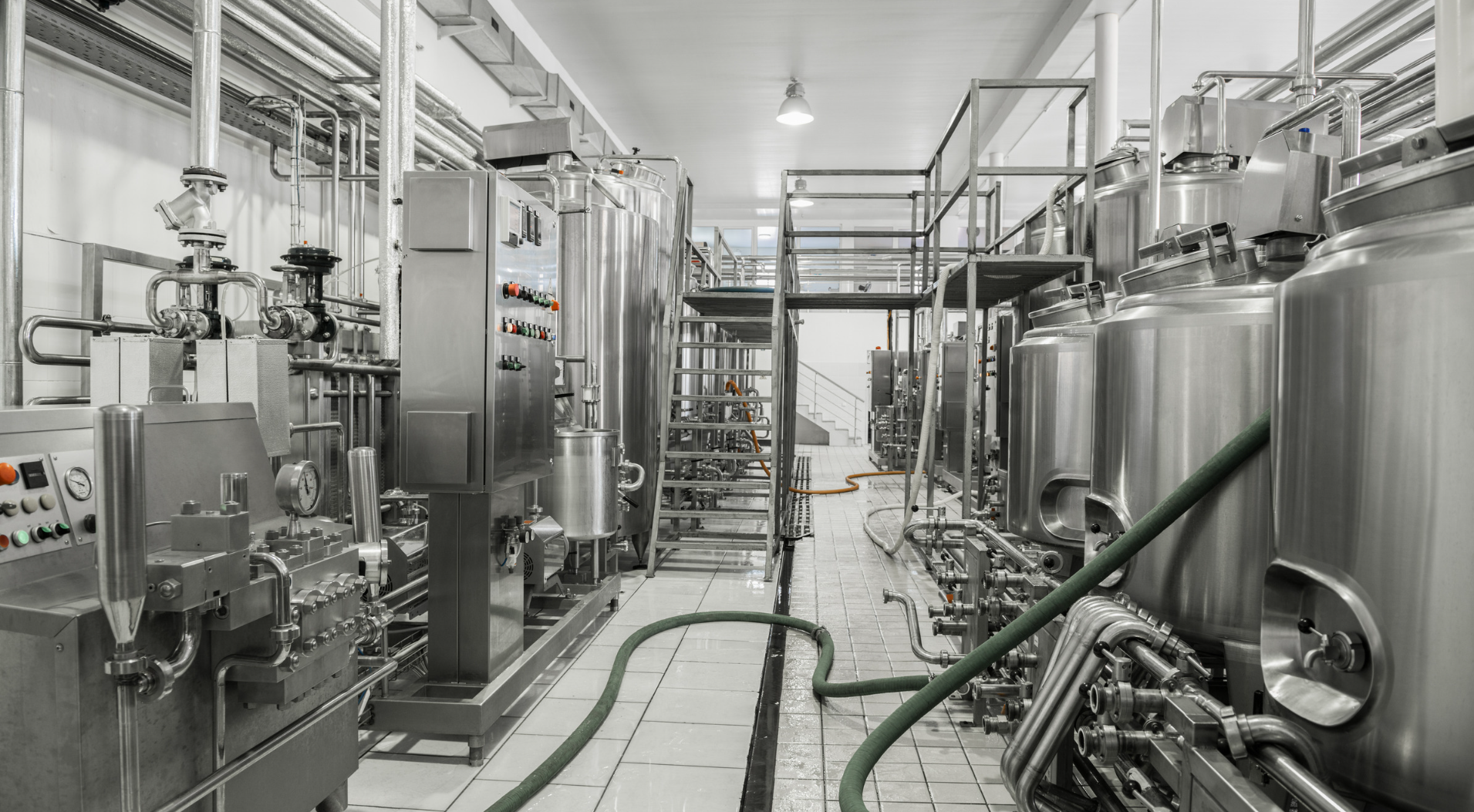
Agile Advantage Ed.22 - When Power Fails, Product Fails: Energy Resilience in Cold Chain

Agile Boardroom 7 - 2026 Energy Risk: A Framework for Reliability, Cost and Continuity
Big News for Business Solar: SRES Rebate Now Covers Systems 10x Larger

Agile Advantage Ed.21 - From Backup to Strategy: Batteries as business Continuity Infrastructure
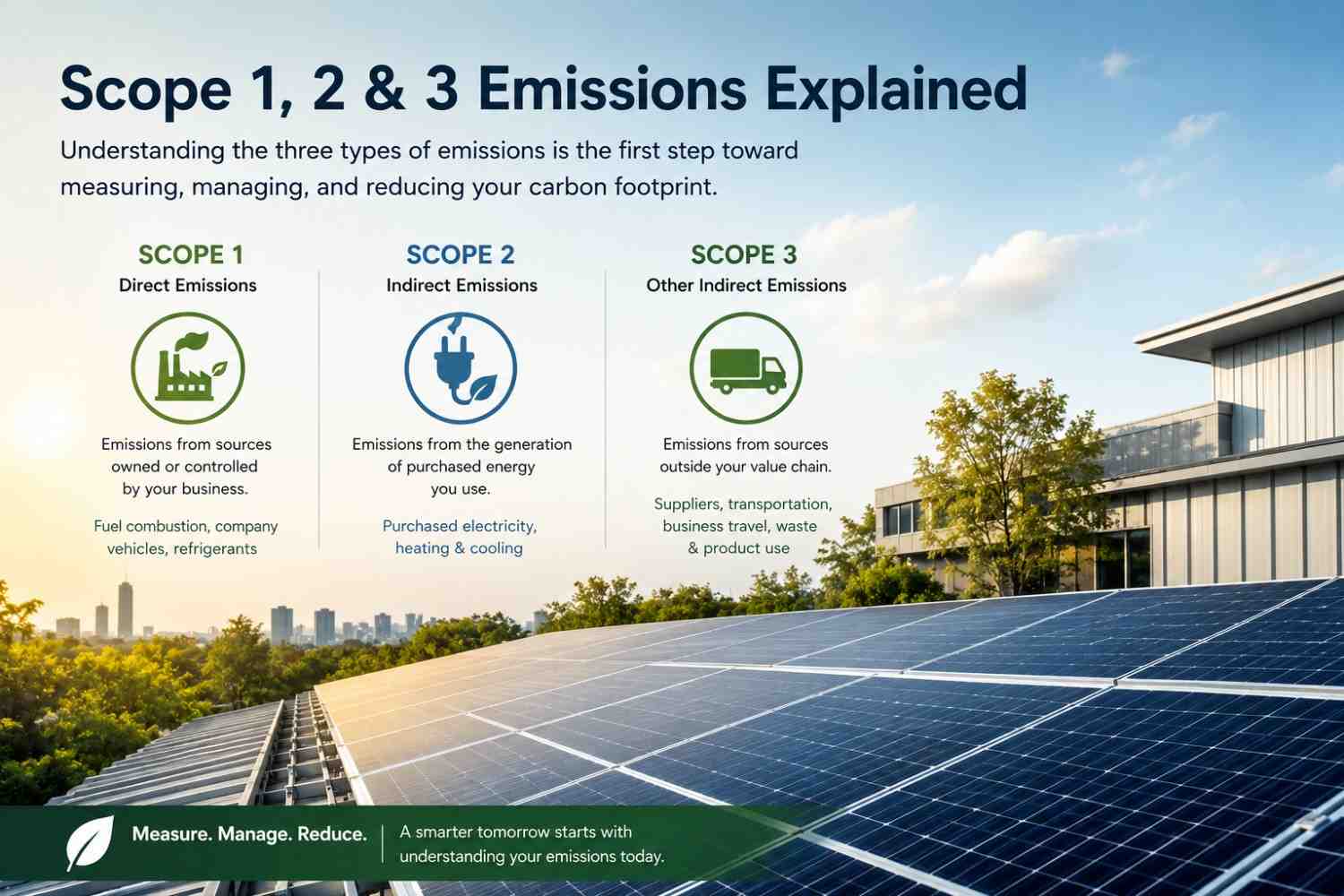
What Are Scope 1, 2 and 3 Emissions?
What Is Carbon Offsetting and Should Businesses Use It?
What Is RE100 and Should Your Business Join?
How Can Businesses Reduce Peak Demand Charges?
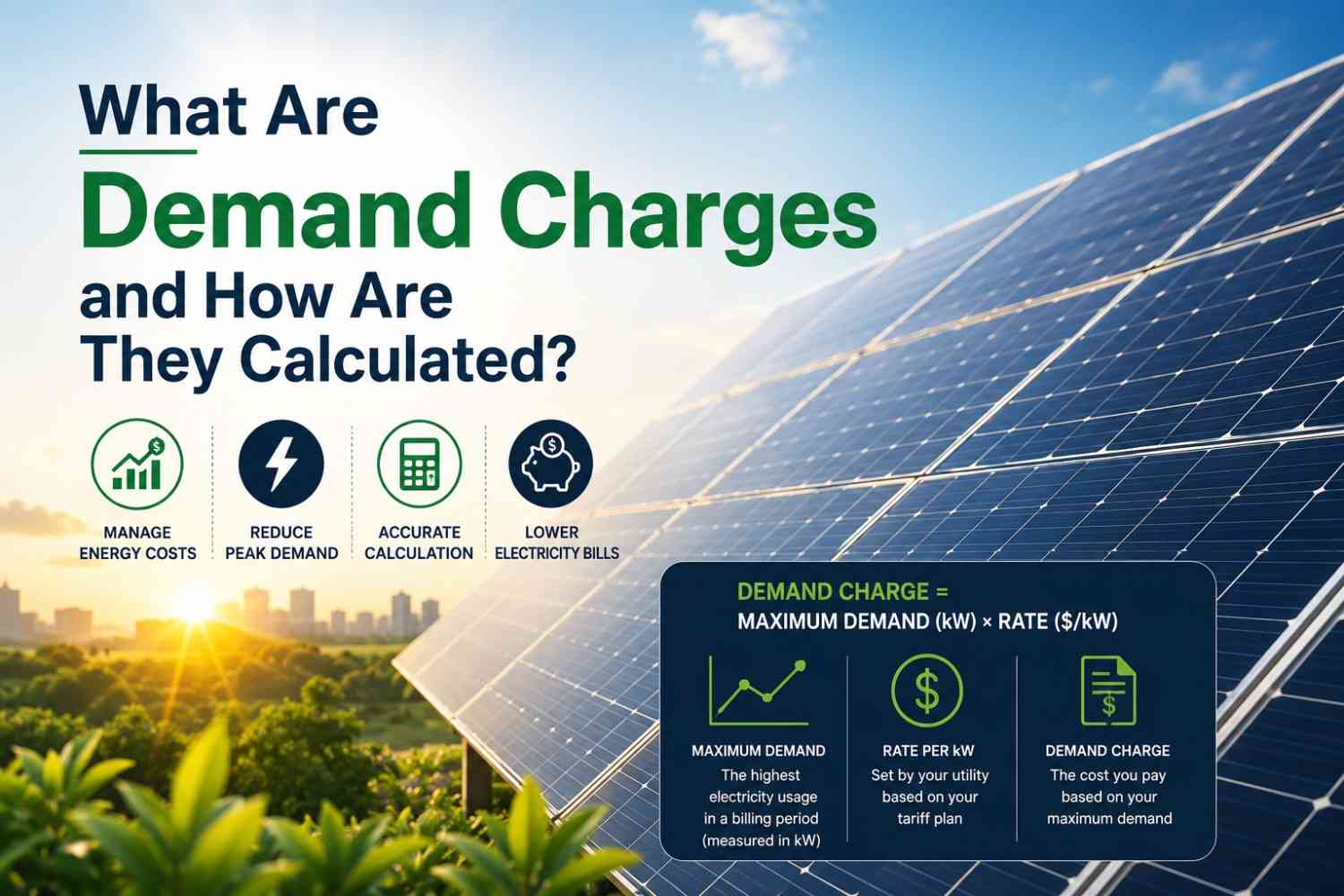
What Are Demand Charges and How Are They Calculated?
What Is Commercial Energy Procurement? A Guide for Australian Businesses

Agile Boardroom 6 - Where should capital go? Core Business vs Energy Infrastructure
Agile Advantage Ed.20 - Energy Security for Australian Businesses: Operating Through Global Instability

Is Your Business Too Dependent on the Grid? Here's What to Do
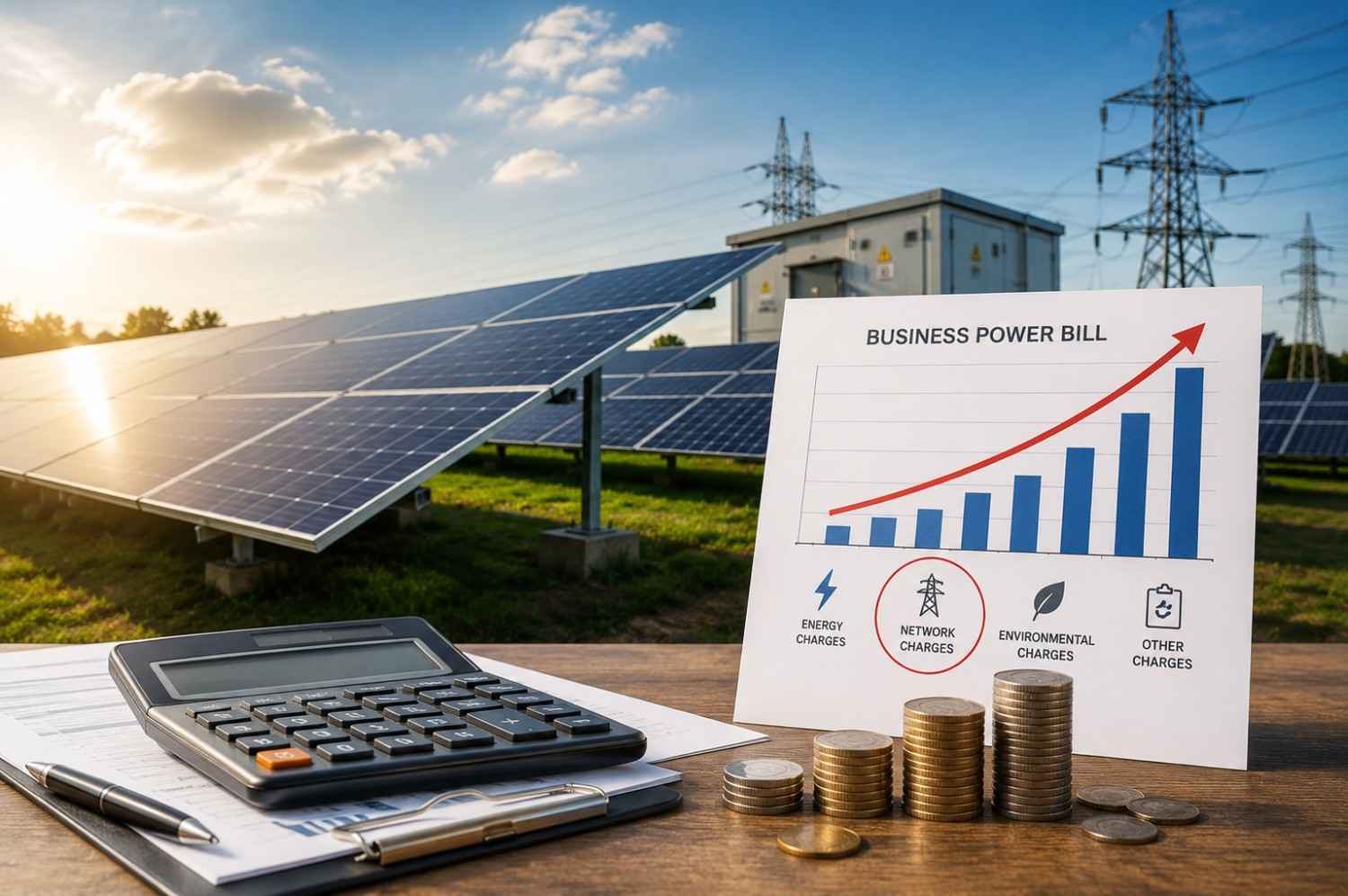
Network Charges Explained: The Fastest-Growing Cost on Your Business Power Bill

Agile Boardroom 5: Energy as competitive advantage in private equity portfolios

Agile Advantage Ed.19 - The End of Cheap Diesel: What Businesses Need to Know
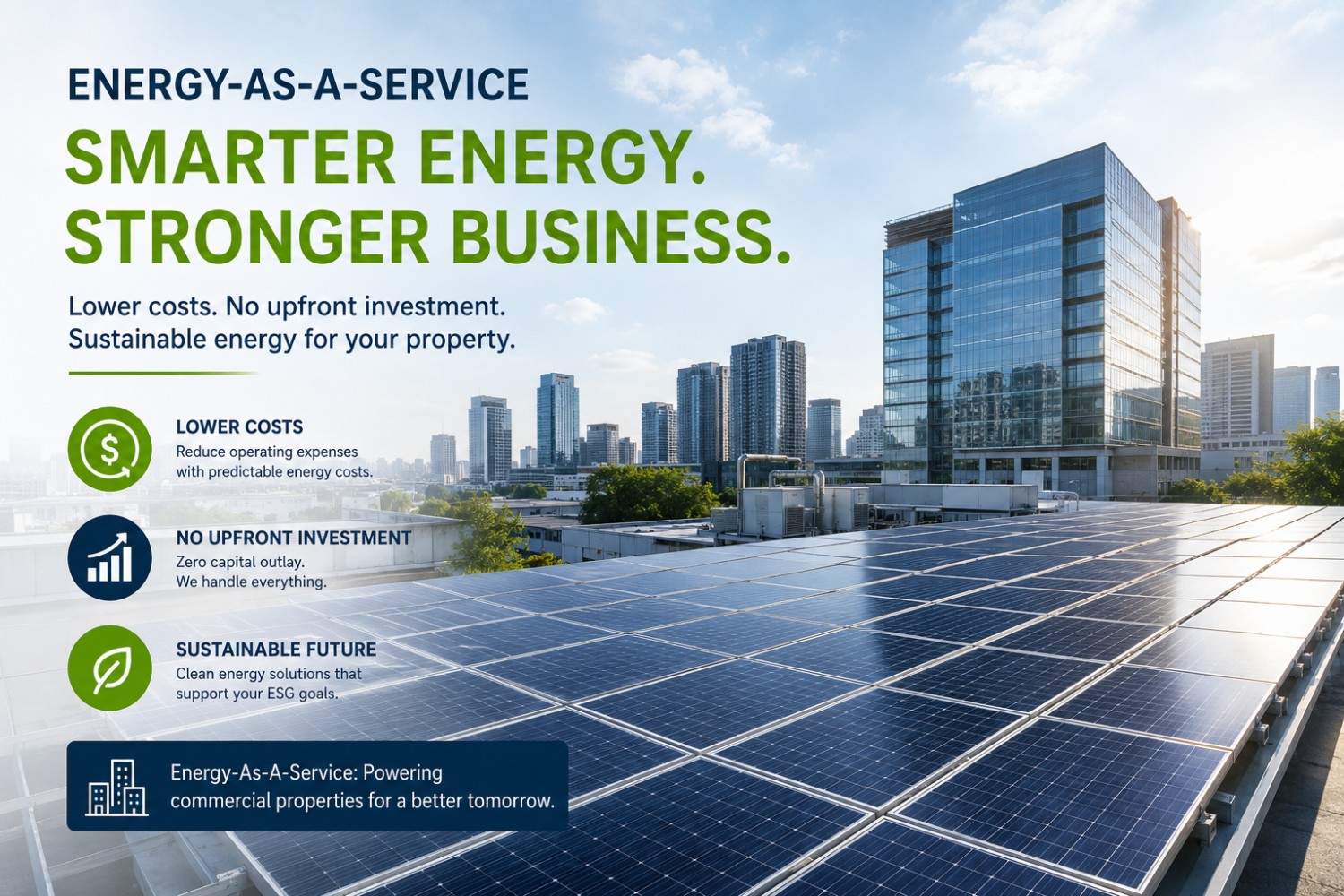
Energy-as-a-Service Explained for Commercial Property Owners

Agile Boardroom 4 - Geopolitics meets energy: What CFOs must factor into energy strategy

Agile Advantage Ed.18 - Keeping Production Running: Battery Storage for Outage Management in Manufacturing

Agile Boardroom 3 - The Bankable PPA: What Lenders, Boards and Investors actually require

Australia is experiencing a clean energy revolution as commercial and domestic landlords turn rooftops into revenue
Landlords turn to rooftop solar to yield income

Commercial landlords turning rooftops into ‘profit machines’ through solar installations

Solar PPA for Schools: Reduce Electricity Costs Without Upfront Investment
Agile Energy Featured on Business Essentials Podcast
.png)
Schools access cheaper electricity
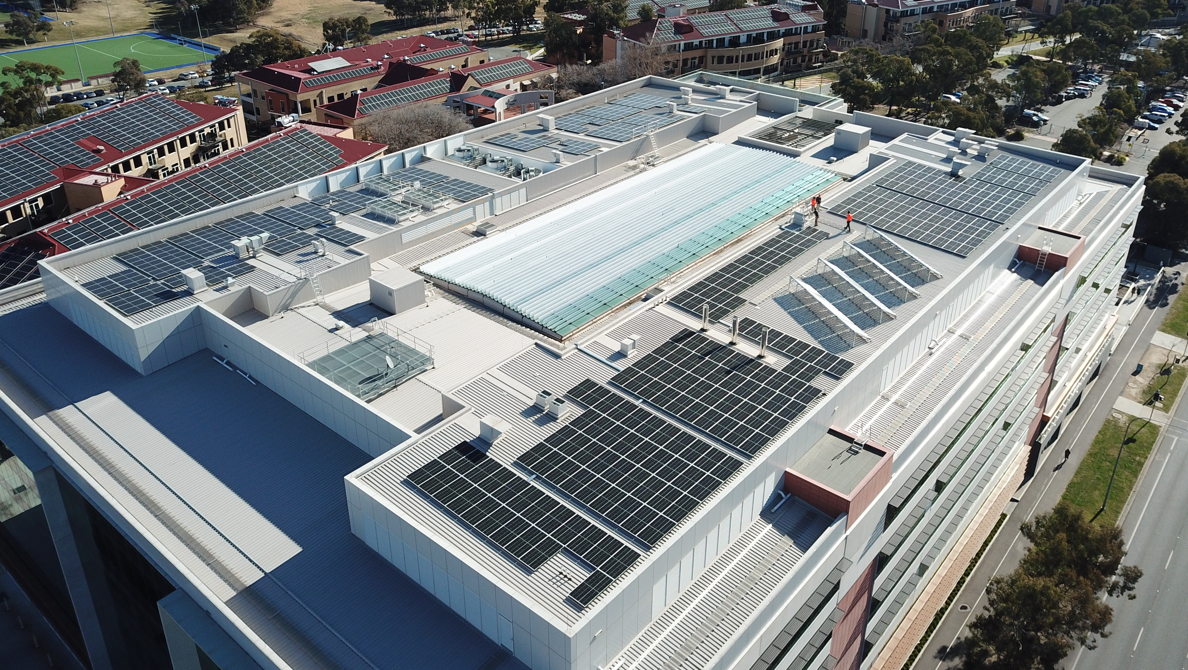
Australia undergoes a clean energy revolution as commercial and domestic landlords turn rooftops into revenue
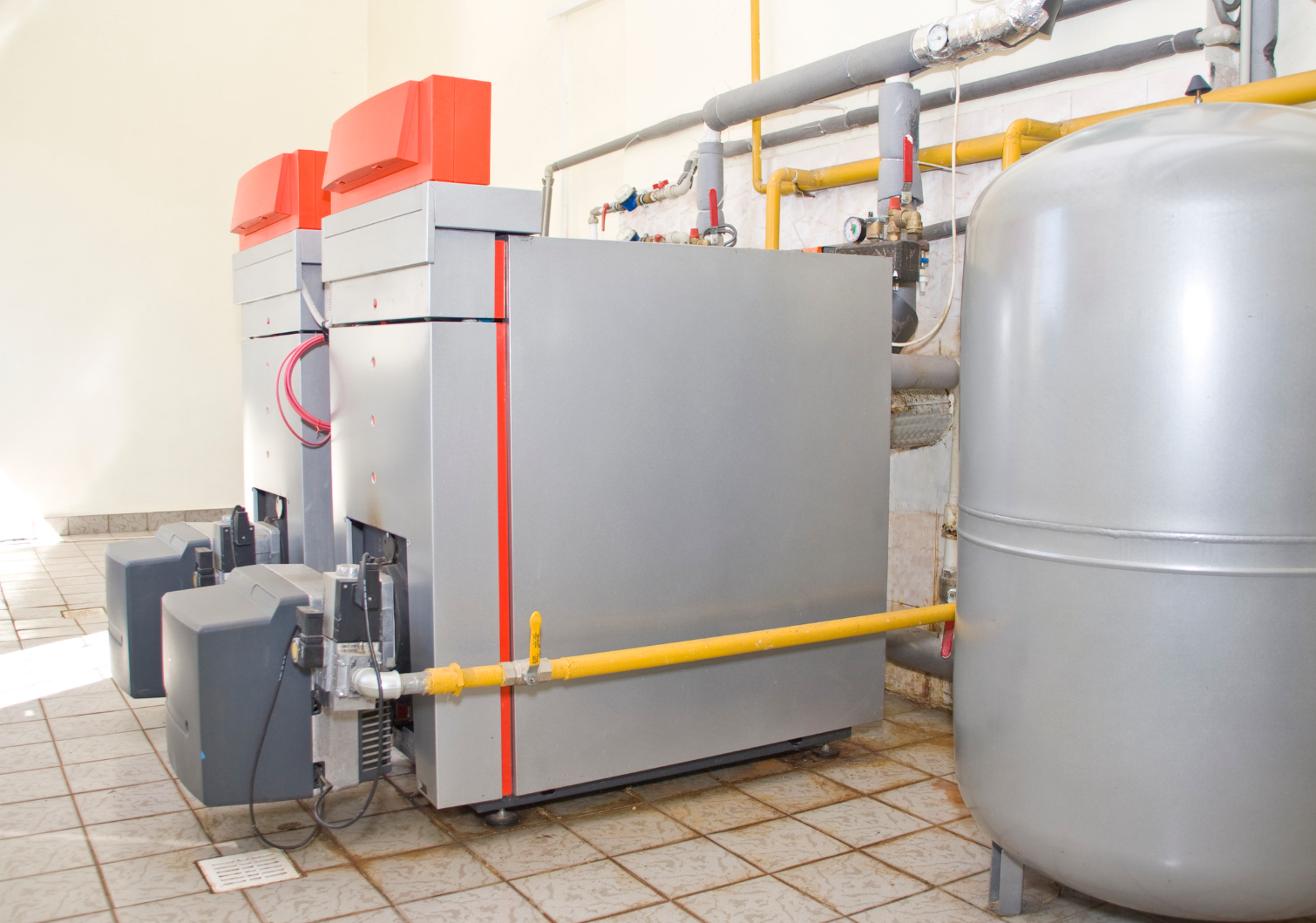
Agile Advantage Ed.17 - Solar for Process Heat: Replacing Gas Boilers in Food and Beverage Manufacturing

5 Reasons Why Capital-Funded Solar is the Safest Energy Transition Strategy in 2026
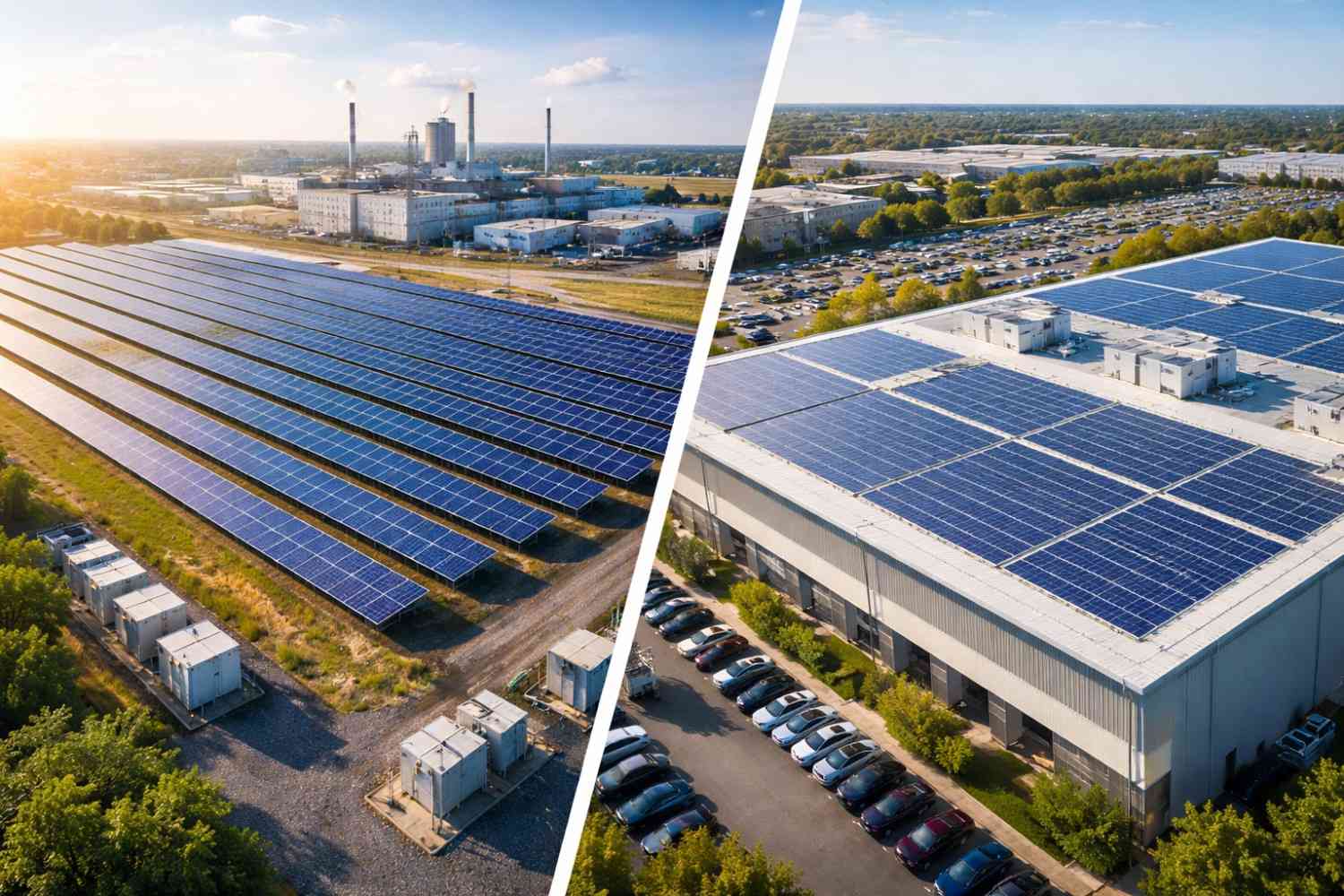
Industrial vs Commercial Solar Systems: Which Energy Solution Is Right for Your Business?

Agile Boardroom 2 - Solar + Storage Under Tight Operating Budgets: Education & Not-for-Profit
Agile Advantage Ed. 16 - Cutting Diesel Dependency: Solar battery PPAs for remote farming operations

Agile Boardroom 1 - A Competitive Advantage in Government & Enterprise Tenders: The Decarbonised Bid

Agile Advantage Ed. 15 - Winning the war on peak prices: Load Shifting, Storage and Smart Controls for C&I

Agile Advantage Ed. 14 - The 2026 solar health check: From legacy systems to strategic assets
Solar vs Grid Energy Price Escalation: 2026 Outlook
Agile Advantage Ed. 13 - From energy users to market participants: How Agile businesses are monetising flexibility
Mandatory Climate Reporting: What CFOs need to know (2026–2028)

Agile Advantage Ed. 11 - Unlocking full value from solar & storage: The business case for batteries

End-of-Year Energy Audit: 10 ways to start 2026 leaner and cleaner

Agile Advantage Ed. 10 - Embedded Networks 101: Turning electricity from a cost centre into a profit centre
Top 5 Energy Incentives for Australian Businesses (2025)

Managing solar and battery rollouts for national portfolio

Risk management in renewables
Commercial solar ROI in 2026: Maximise your business savings

Scaling SAFe in large-scale energy organisations: How executives can harness the Scaled Agile Framework (SAFe) to accelerate the energy transition

Always-On Agile operating model for Australia’s energy transition

Integrated energy & carbon strategies: A Playbook for future-proofing Australian manufacturing

Weathering the storm: Protects solar assets from heavy rainfall risk
Transforming dead space into active assets: How Agile unlocks roofs, car parks, and land for revenue

Agile Advantage Ed. 9 - Why energy data is the new gold for Australian manufacturer
Solar Battery Rebate

Agile Advantage Ed. 8 - E is Everything: Energising Australian Businesses

Agile Advantage Ed. 7 - Riding the renewable wave: Why Australian businesses are embracing solar energy

Agile Advantage Ed. 6 - Why CFOs should prioritise renewable energy investments in 2025

Empowering Australian Businesses: Unlocking energy efficiency and sustainability

Agile Advantage Ed. 5 - Inspiring the young workforce: How rolling out renewables sparks motivation

The power of vertical integration in solar project delivery

Agile Advantage Ed. 4 - Making complex simple: Navigating the complexity of solar installations

Rising cost of insurance : Impact on solar assets

Monetising your solar assets: Converting pre-purchased systems into power purchase agreements (PPAs)

Agile Advantage Ed. 3 - The Magic of experience: Partnering for performance in renewables

Solar rooftop safety: Risk management guide

Agile Advantage Ed. 2 - Clear paths to carbon reduction: Renewables and more for Australian businesses

Agile Advantage Ed. 1 - Seven deadly sins of solar installations: Mistakes businesses must avoid

CEO's view on managing increasing energy costs

What are Small-scale technology certificates (STC)?

Carbon Accounting and your business

Join Agile Energy at the Healthcare Real Estate Summit

Carbon Projects - Where to Start?

TRADE ACCUs WITH US! From the desk of Equipoised Group
Ready to power your business with Sustainable Energy?
Let's take the first step towards a brighter and greener future.