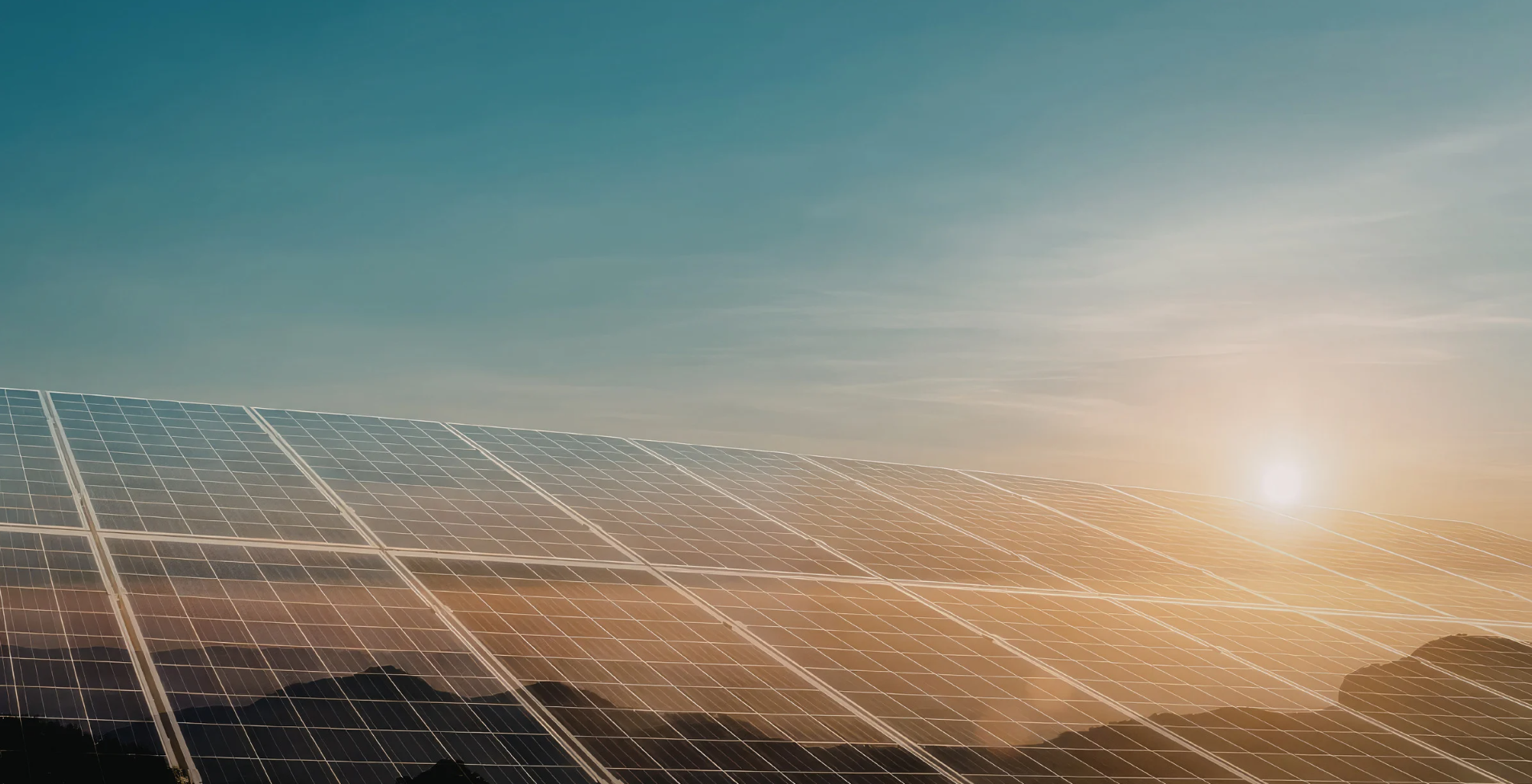
Australia undergoes a clean energy revolution as commercial and domestic landlords turn rooftops into revenue
.jpg)
Property owners are boosting returns by selling energy back to the grid and to tenants
Commercial and residential landlords across Australia are discovering a new way to increase property returns, by turning their buildings into energy providers.
As energy costs rise and tenants seek ways to reduce bills, building owners are increasingly installing solar panels and battery systems and supplying power back into the grid and directly to building occupants, creating an additional income stream alongside rent.
According to Jack Kapoor, founder and managing director of Agile Energy, Australia's leading provider of solar energy solutions for the commercial, education, health and business sector, energy-as-a-service is quietly transforming how property owners generate revenue from their assets.
"For decades, landlords relied almost entirely on rent to generate returns," Kapoor said.
"Now buildings can generate income in two ways, from tenants paying rent and from the energy the building produces."
Turning rooftops into profit centres
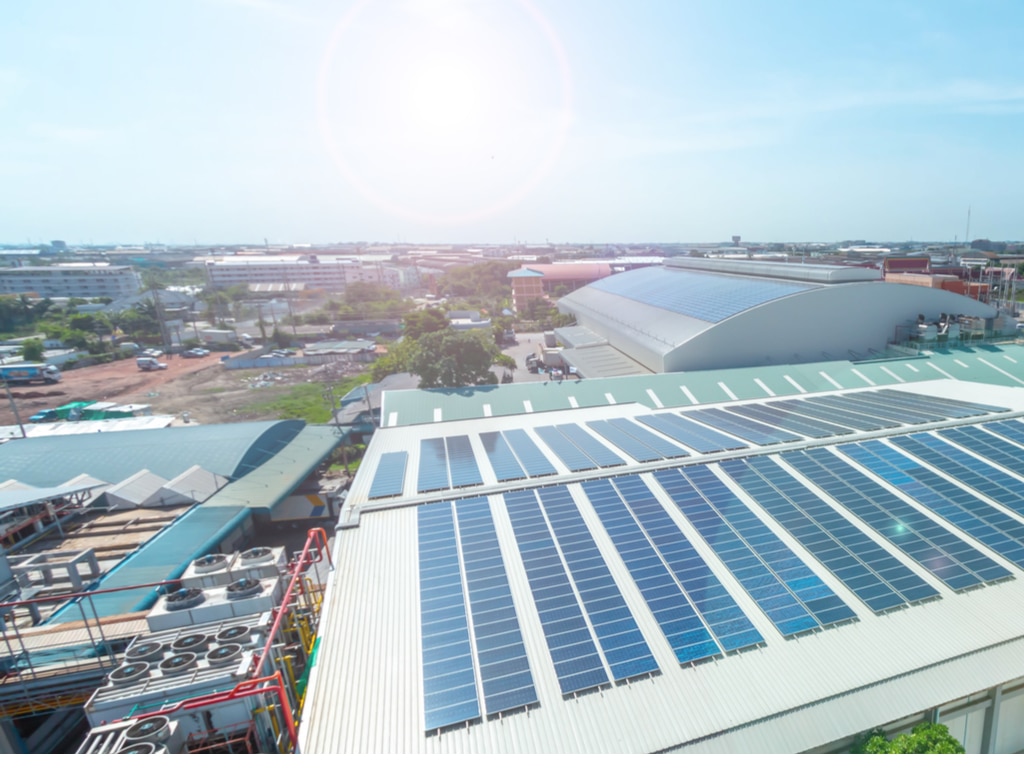
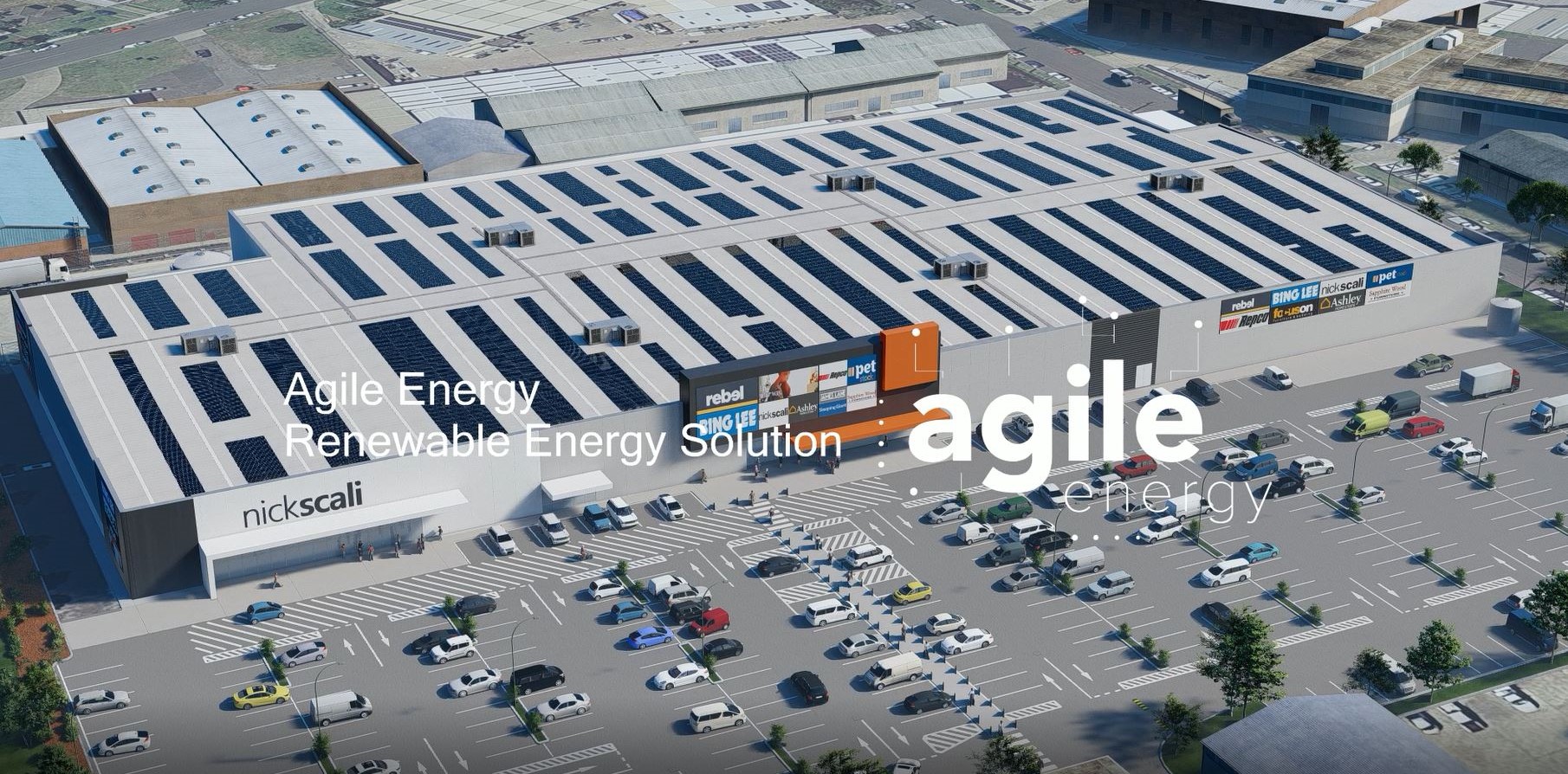
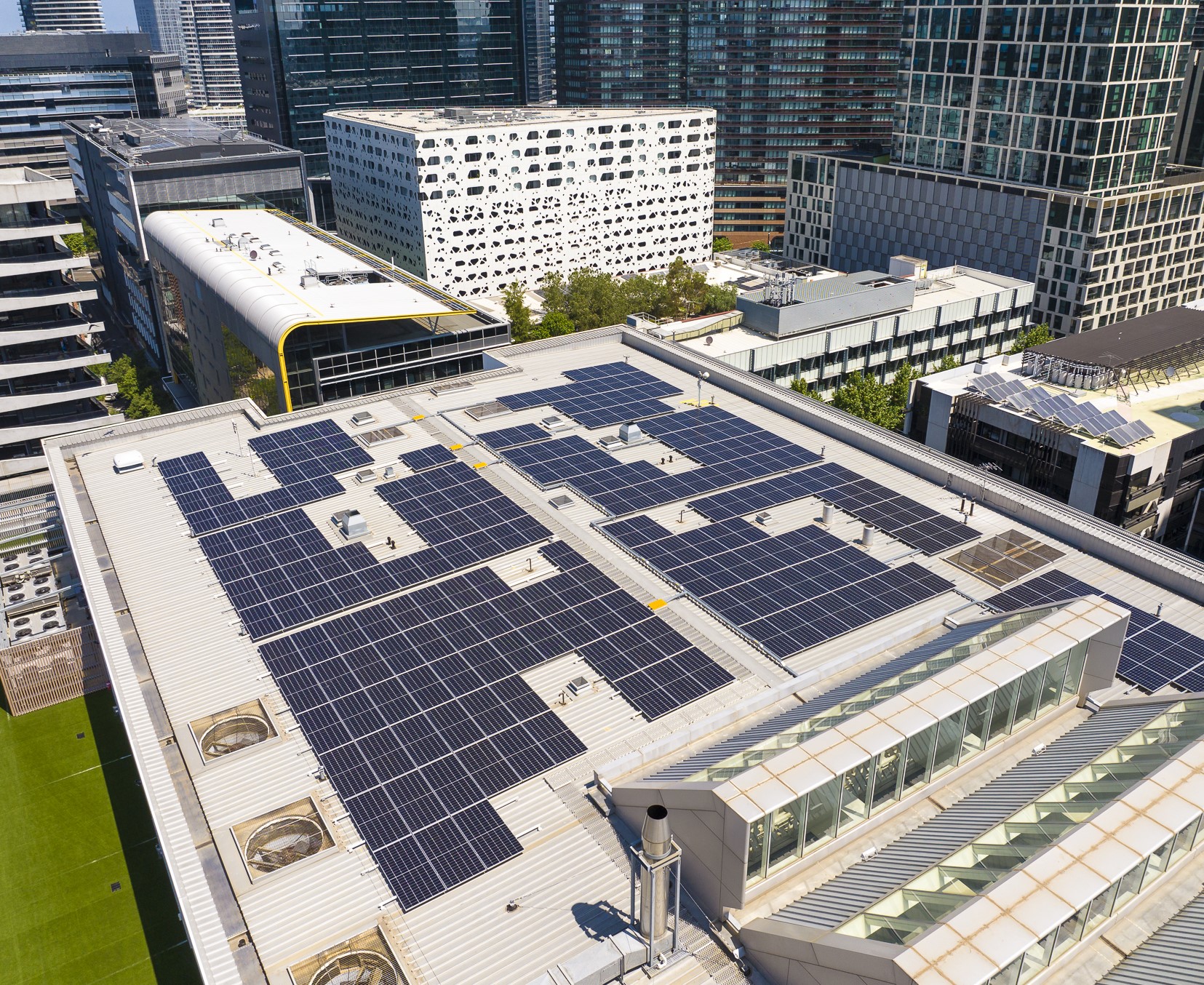
Large rooftops on commercial buildings, warehouses, apartment blocks and shopping centres are particularly well suited to solar installations.
Instead of leaving that space unused, building owners can install solar systems and supply electricity directly to tenants.
"Your roof can effectively become a power station," Kapoor said.
"Tenants receive cheaper and cleaner electricity while the building owner earns revenue from the energy produced."
In many cases, landlords can sell electricity to tenants at a rate lower than grid prices while still generating a margin.
"That means tenants win through lower power bills and owners gain a new revenue stream," Kapoor said.
A growing opportunity for landlords
The model is becoming increasingly attractive as property owners look for ways to improve yields in a high-interest-rate environment.
Energy costs are now one of the largest operational expenses for many businesses and households, creating strong demand for cheaper on-site power.
"For landlords, energy is becoming a second income stream," Kapoor said.
"Instead of treating electricity as a cost, buildings are being designed to produce and sell energy."
Commercial properties with large daytime energy demand such as shopping centres, office buildings, medical facilities and logistics sites are particularly suited to the model.
Apartment buildings and multi-tenant residential developments are also beginning to adopt similar systems.
Batteries unlock even greater value
Adding battery storage to solar installations allows building owners to store energy during the day and supply it when demand and prices are higher.
"Solar generates power during daylight hours, but batteries allow that energy to be used or sold later," Kapoor said.
"This means building owners can maximise the value of the electricity their property produces."
Battery systems can also allow buildings to participate in emerging energy markets.
Through Virtual Power Plant networks, stored electricity can be dispatched to support the grid during peak demand periods.
"In those moments, electricity prices can spike dramatically," Kapoor said.
"That stored energy suddenly becomes very valuable."
Energy becoming a new property asset class
Kapoor said the shift reflects a broader change in how property owners view energy infrastructure.
"In the past, energy was simply a utility expense associated with operating a building," he said.
"Now it's becoming an asset that can generate revenue."
For landlords managing multiple properties, the opportunity can be significant.
"Large property portfolios can effectively operate their own distributed energy networks," Kapoor said.
A competitive advantage for property owners
Providing lower-cost renewable energy can also make buildings more attractive to tenants.
Businesses and residents are increasingly looking for properties that help reduce operating costs and improve sustainability performance.
"Energy supply is becoming a competitive advantage for landlords," Kapoor said.
"A building that can offer cheaper and cleaner electricity is far more appealing to tenants."
The future of property income
Kapoor believes energy-as-a-service will become a defining trend in the Australian property market over the coming decade.
"As energy prices rise and buildings become more technologically advanced, property owners will increasingly generate income not just from rent but from energy," he said.
"The landlords who recognise that early will have a major advantage."
About Agile Energy
Agile Energy is one of Australia's fastest-growing clean-energy companies, delivering large-scale solar, battery and electrification solutions for the commercial, industrial, healthcare and property sectors. The company designs, finances, builds and operates integrated clean-energy systems that help businesses reduce costs, decarbonise operations and participate in virtual power networks. With deep engineering expertise, financial discipline and a long-term ownership mindset, Agile Energy is redefining how organisations generate, store and trade electricity creating measurable financial and environmental performance across Australia's transition to a smarter, more resilient energy future.

Agile Advantage Ed. 23 -Turn energy into an operating expense, not capital investment

How Big a Commercial Solar System Do I Need? A Sizing Guide for Australian Businesses
Solar and Battery vs Solar Only: When Does the Extra Cost Pay Off?
Agile Advantage Ed.22 - When Power Fails, Product Fails: Energy Resilience in Cold Chain

Agile Boardroom 7 - 2026 Energy Risk: A Framework for Reliability, Cost and Continuity
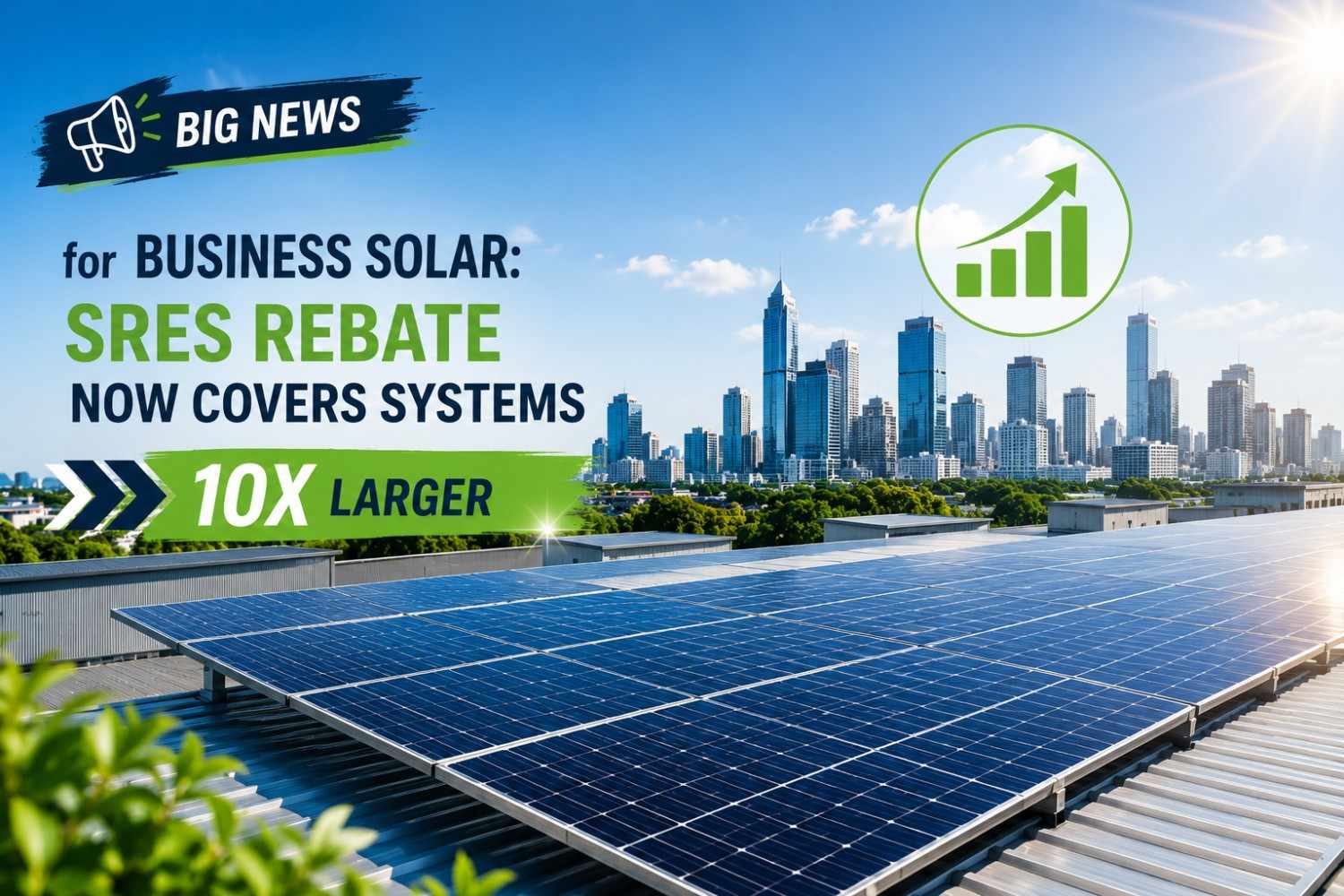
Big News for Business Solar: SRES Rebate Now Covers Systems 10x Larger

Agile Advantage Ed.21 - From Backup to Strategy: Batteries as business Continuity Infrastructure
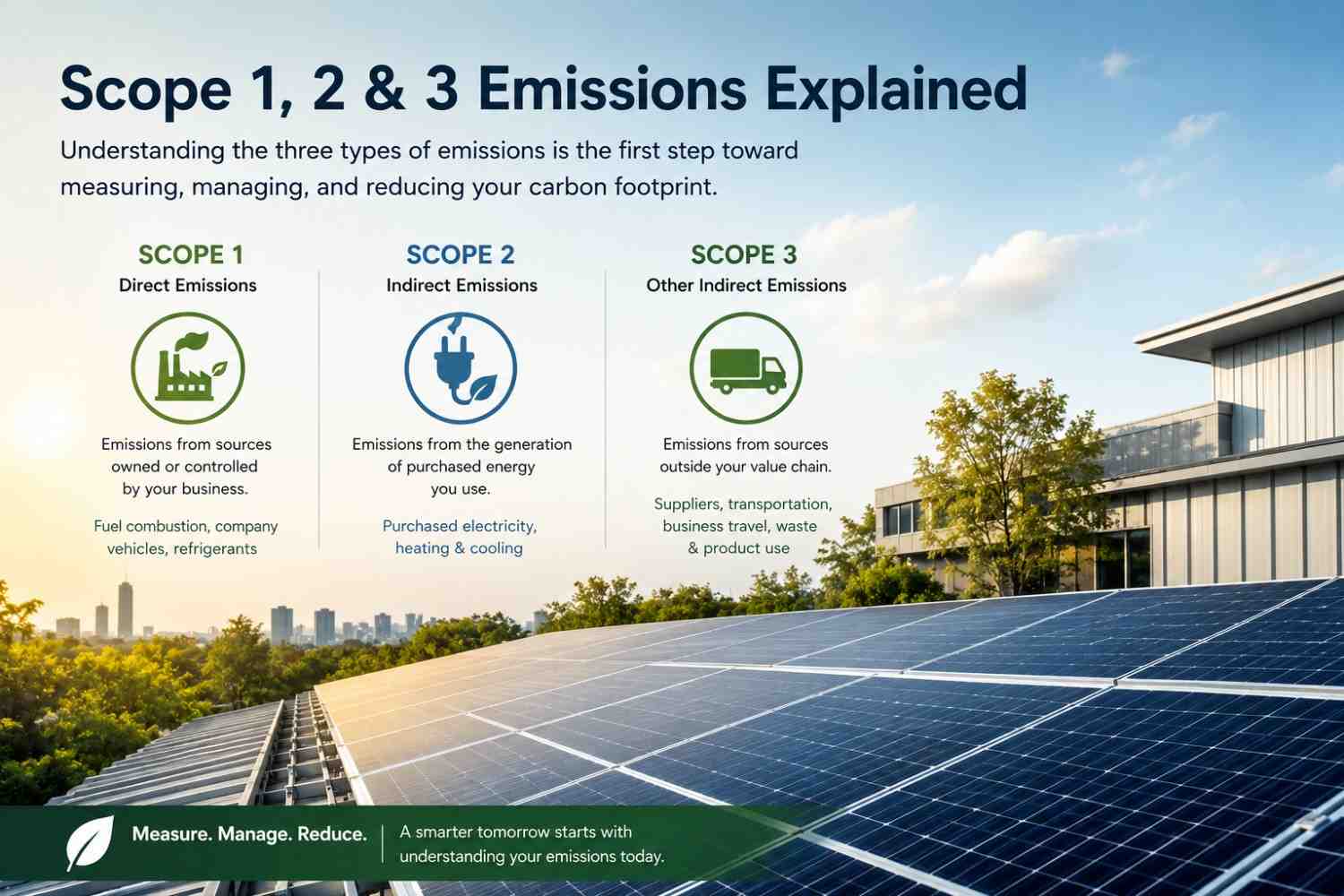
What Are Scope 1, 2 and 3 Emissions?
What Is Carbon Offsetting and Should Businesses Use It?
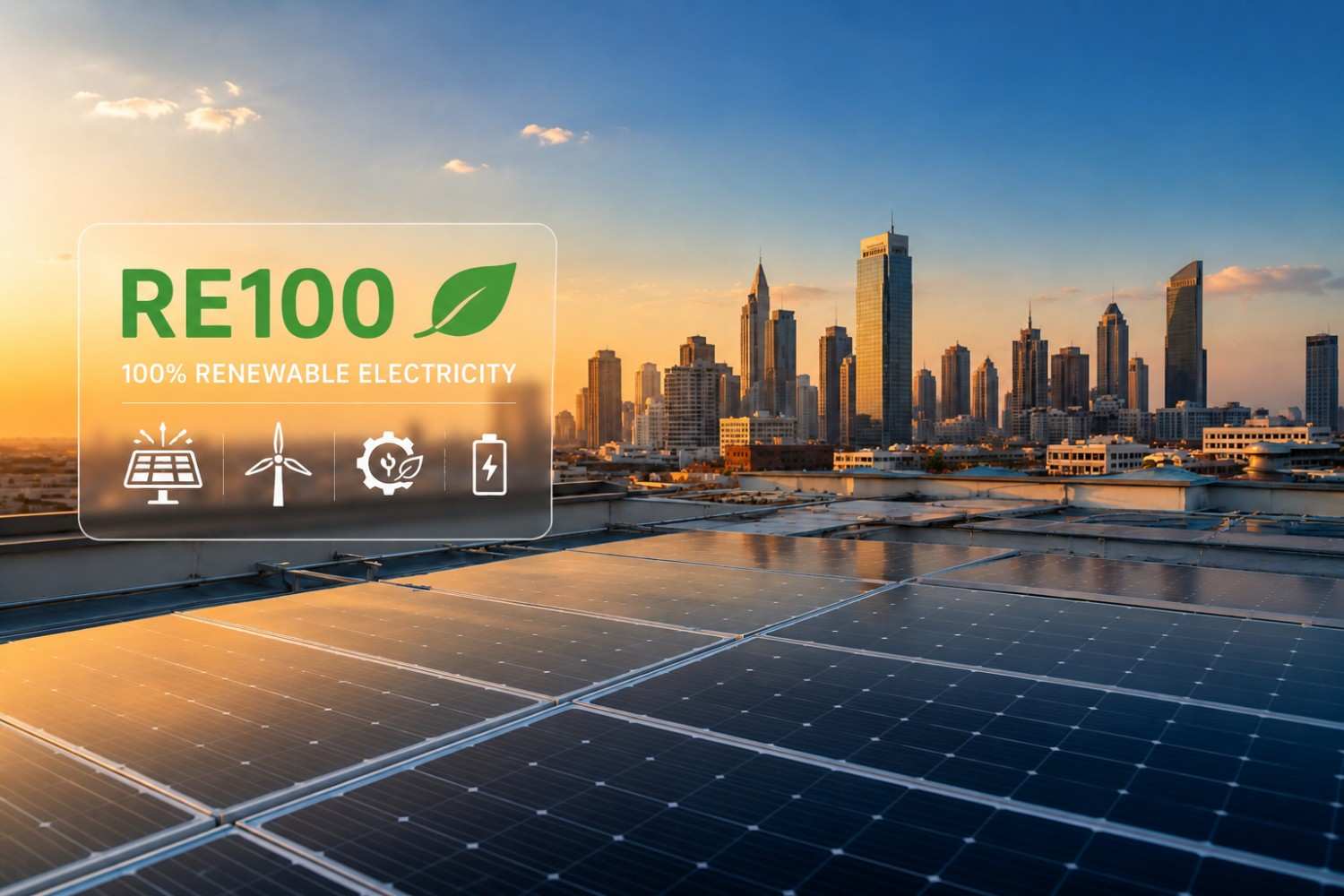
What Is RE100 and Should Your Business Join?
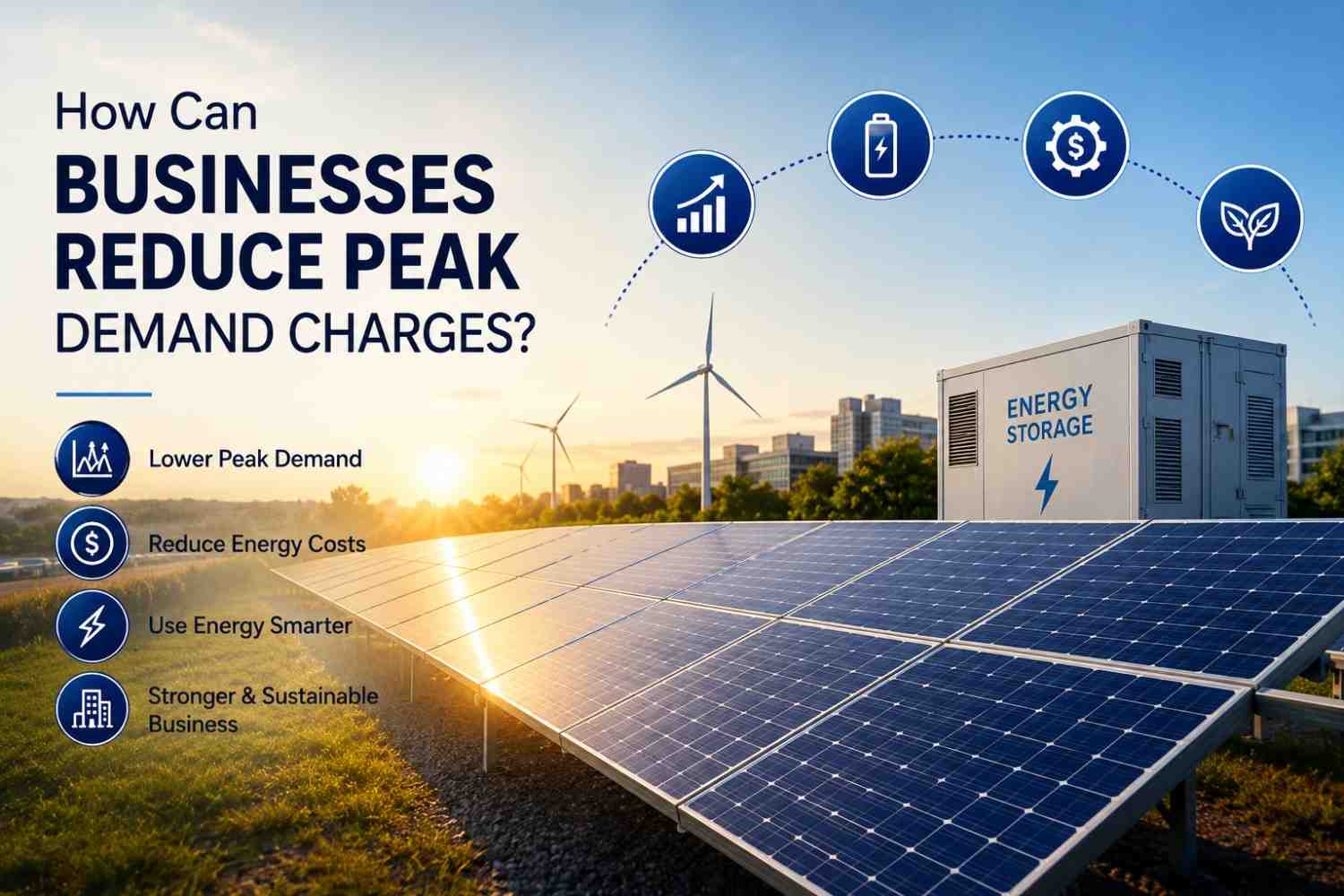
How Can Businesses Reduce Peak Demand Charges?
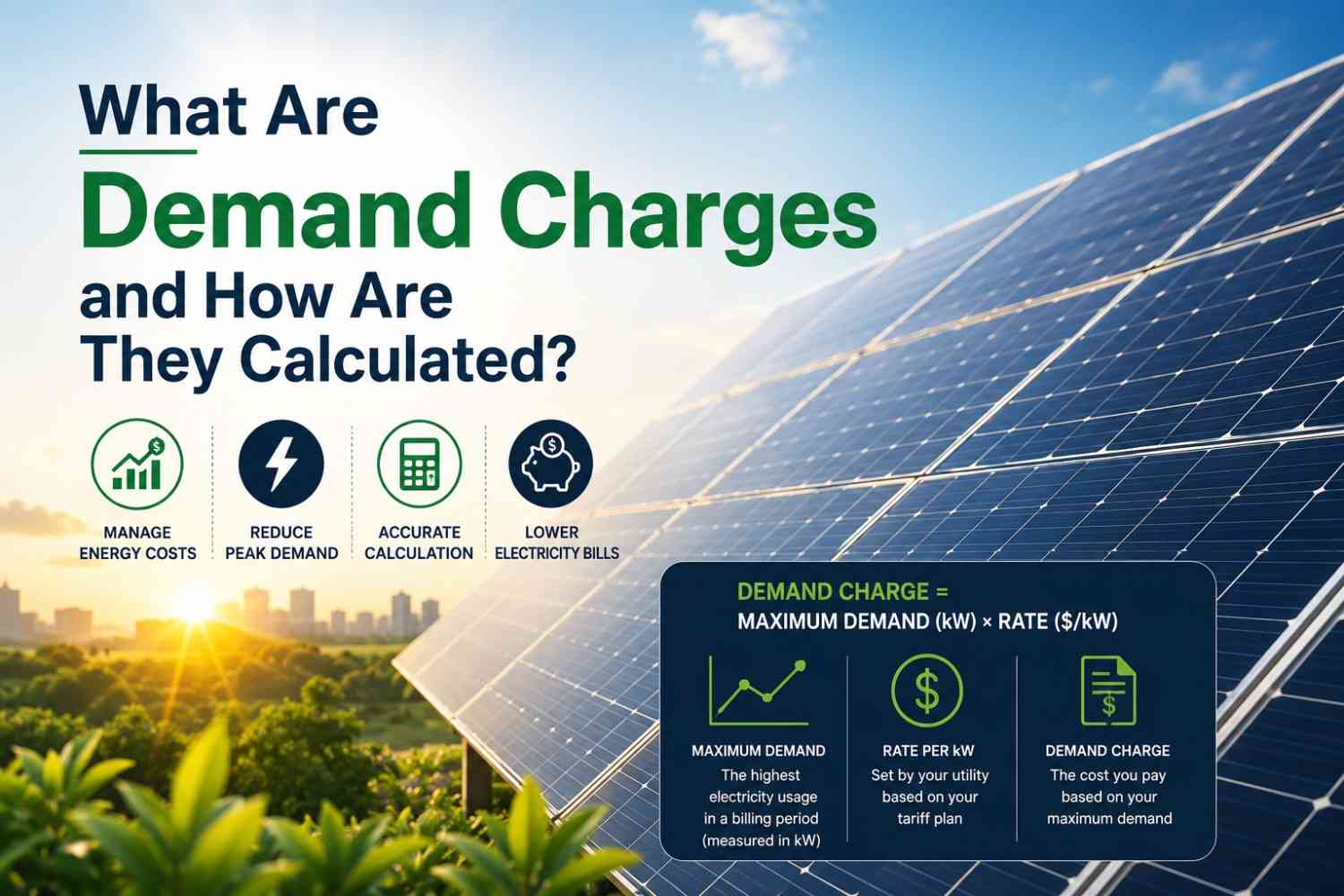
What Are Demand Charges and How Are They Calculated?
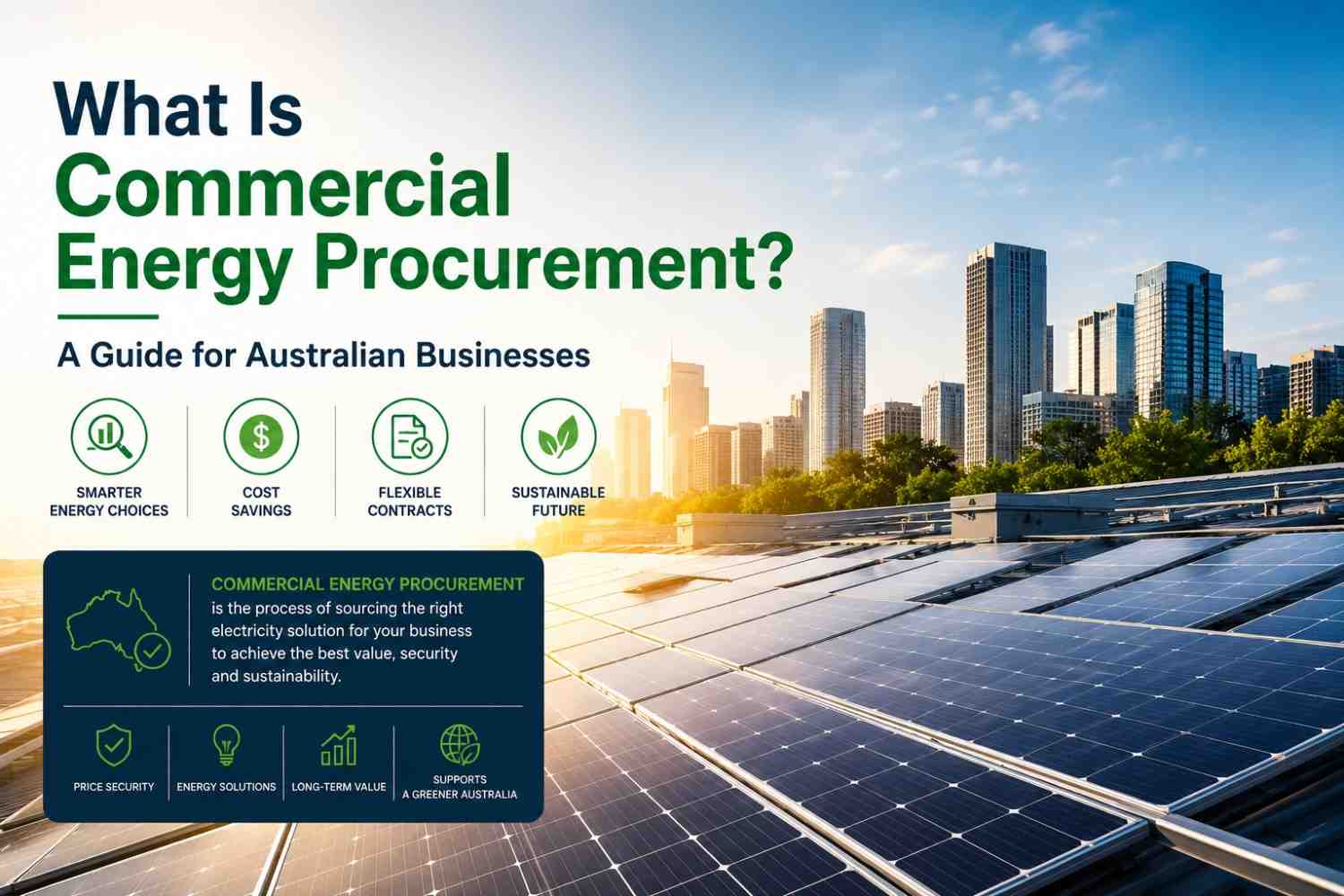
What Is Commercial Energy Procurement? A Guide for Australian Businesses

Agile Boardroom 6 - Where should capital go? Core Business vs Energy Infrastructure
Agile Advantage Ed.20 - Energy Security for Australian Businesses: Operating Through Global Instability

Is Your Business Too Dependent on the Grid? Here's What to Do
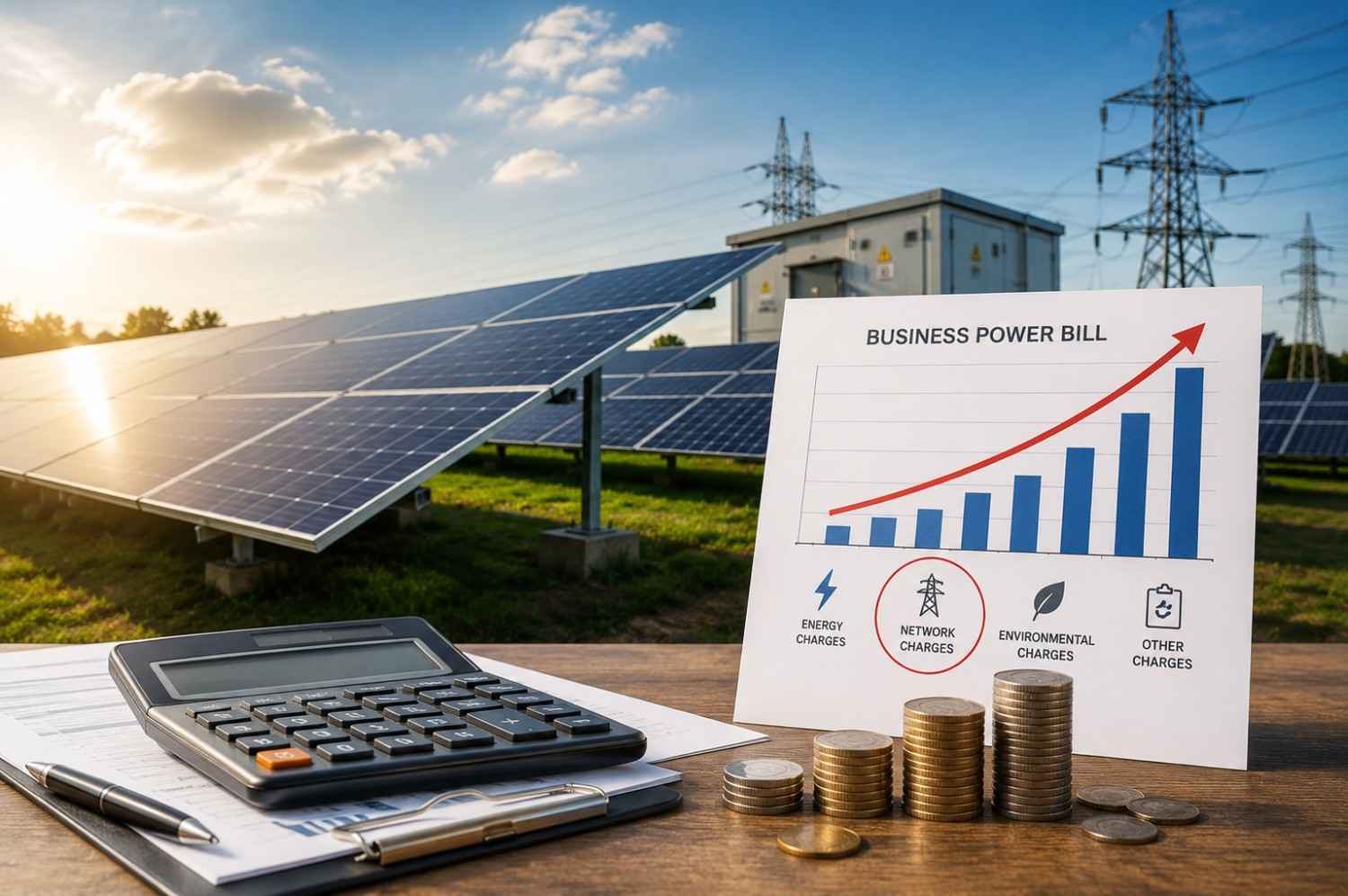
Network Charges Explained: The Fastest-Growing Cost on Your Business Power Bill

Agile Boardroom 5: Energy as competitive advantage in private equity portfolios

Agile Advantage Ed.19 - The End of Cheap Diesel: What Businesses Need to Know
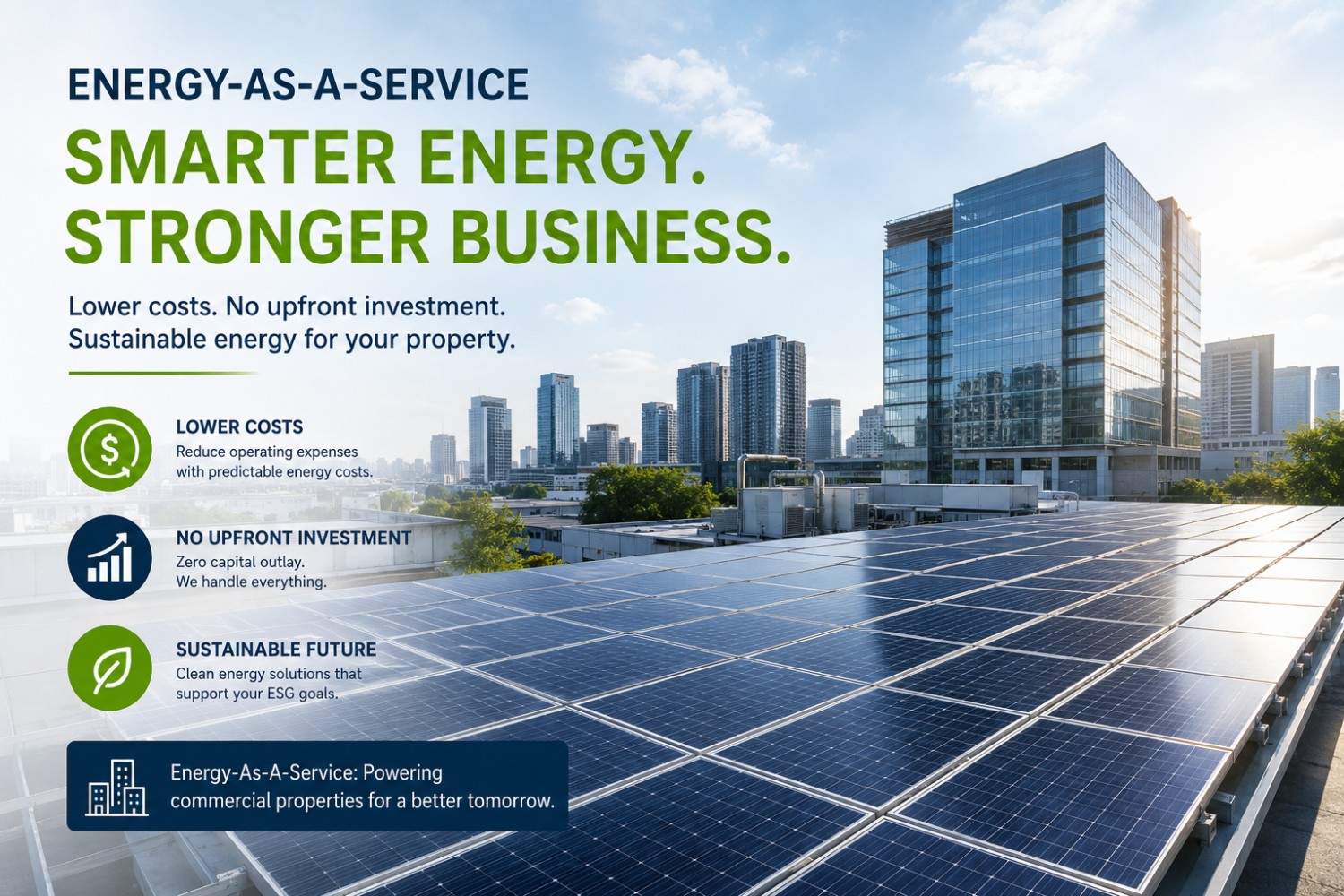
Energy-as-a-Service Explained for Commercial Property Owners

Agile Boardroom 4 - Geopolitics meets energy: What CFOs must factor into energy strategy

Agile Advantage Ed.18 - Keeping Production Running: Battery Storage for Outage Management in Manufacturing

Agile Boardroom 3 - The Bankable PPA: What Lenders, Boards and Investors actually require

Australia is experiencing a clean energy revolution as commercial and domestic landlords turn rooftops into revenue
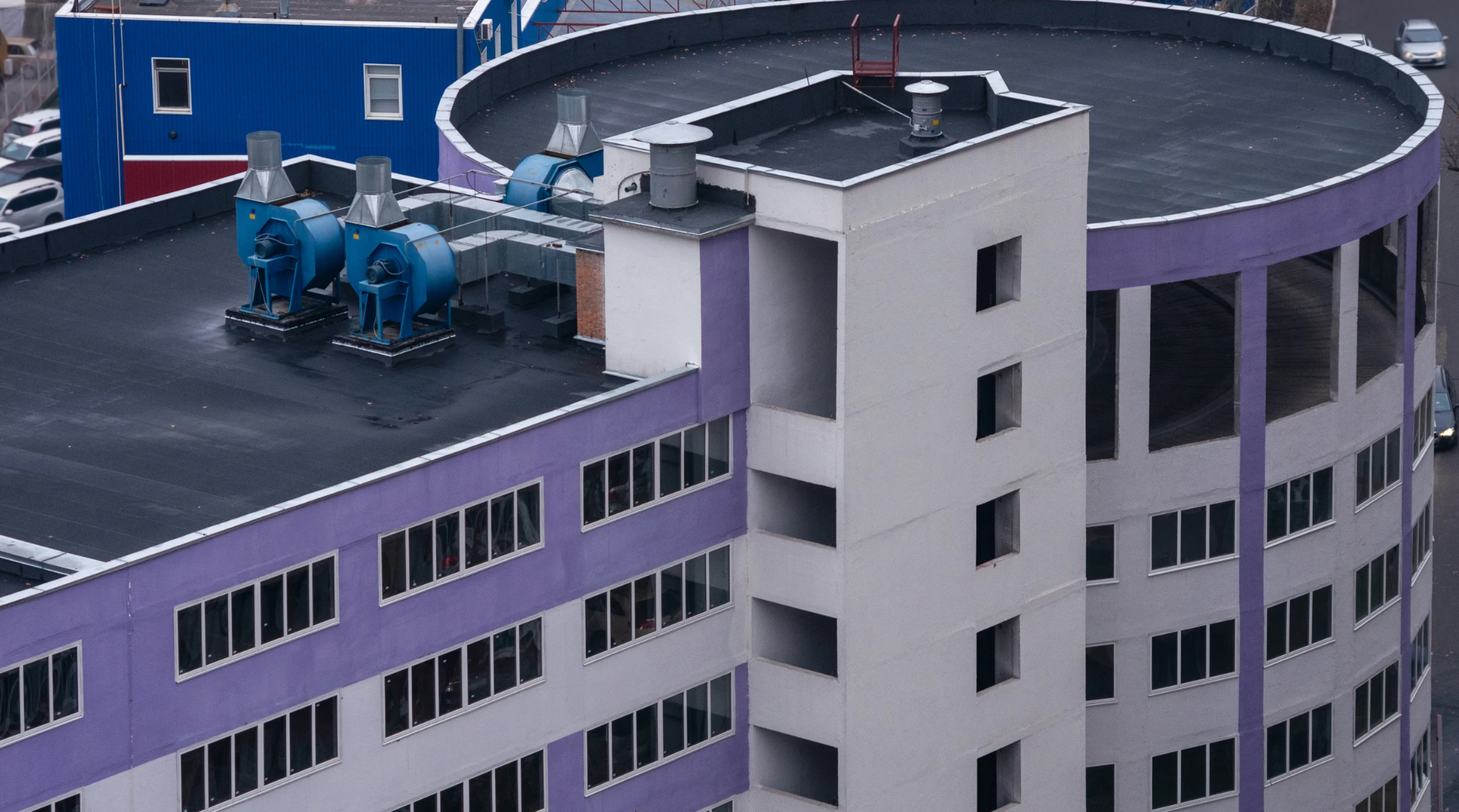
Landlords turn to rooftop solar to yield income

Commercial landlords turning rooftops into ‘profit machines’ through solar installations

Solar PPA for Schools: Reduce Electricity Costs Without Upfront Investment
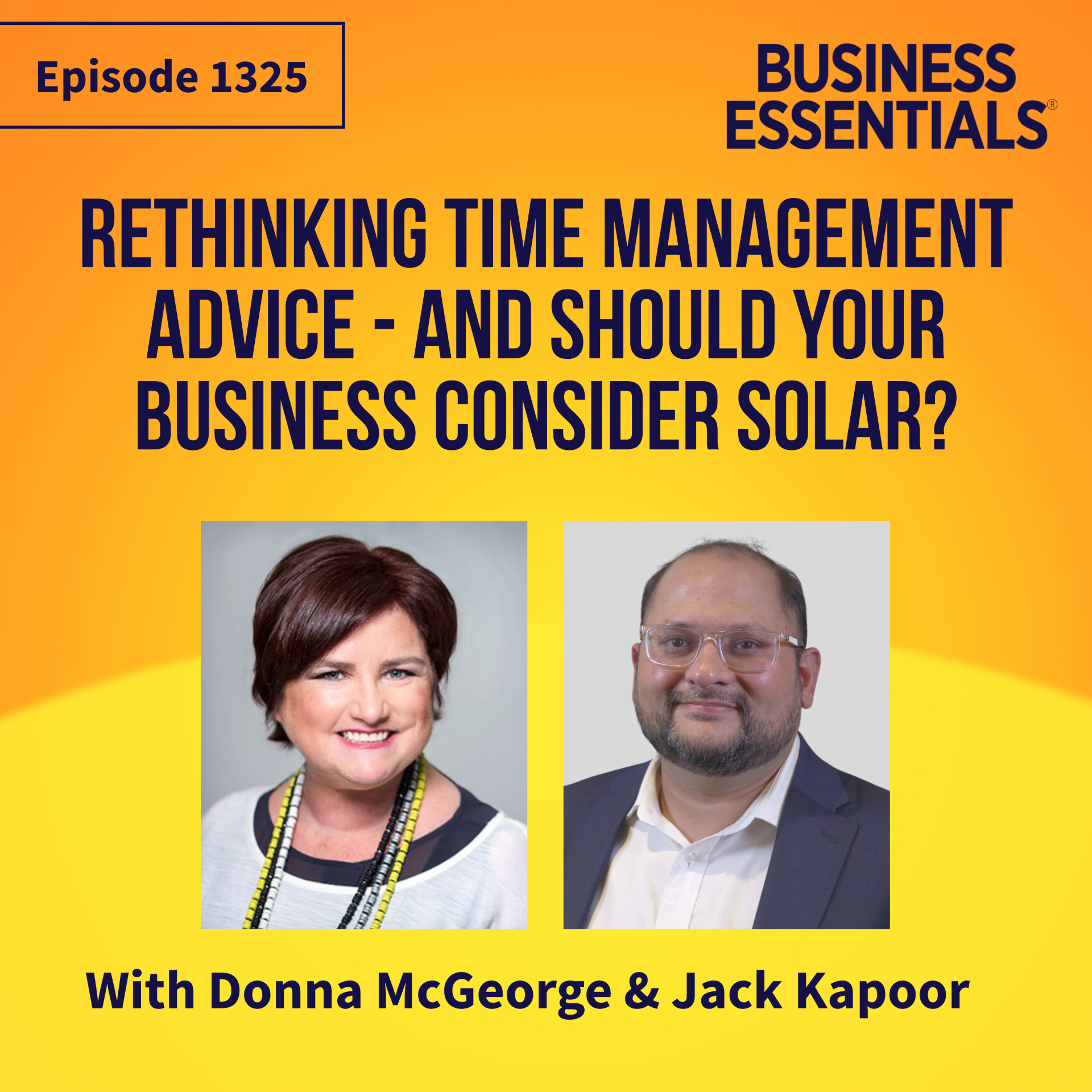
Agile Energy Featured on Business Essentials Podcast
.png)
Schools access cheaper electricity
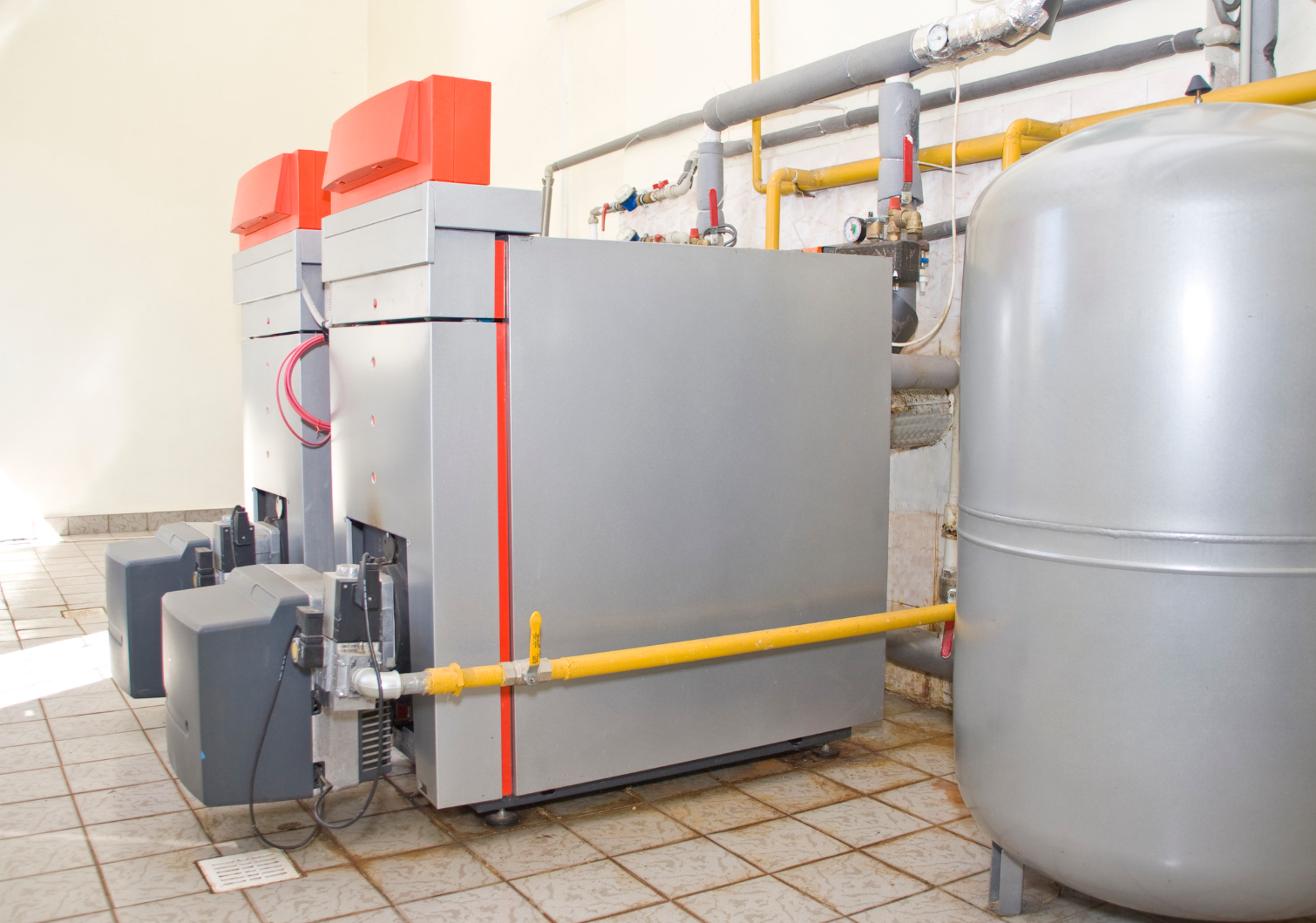
Agile Advantage Ed.17 - Solar for Process Heat: Replacing Gas Boilers in Food and Beverage Manufacturing

5 Reasons Why Capital-Funded Solar is the Safest Energy Transition Strategy in 2026
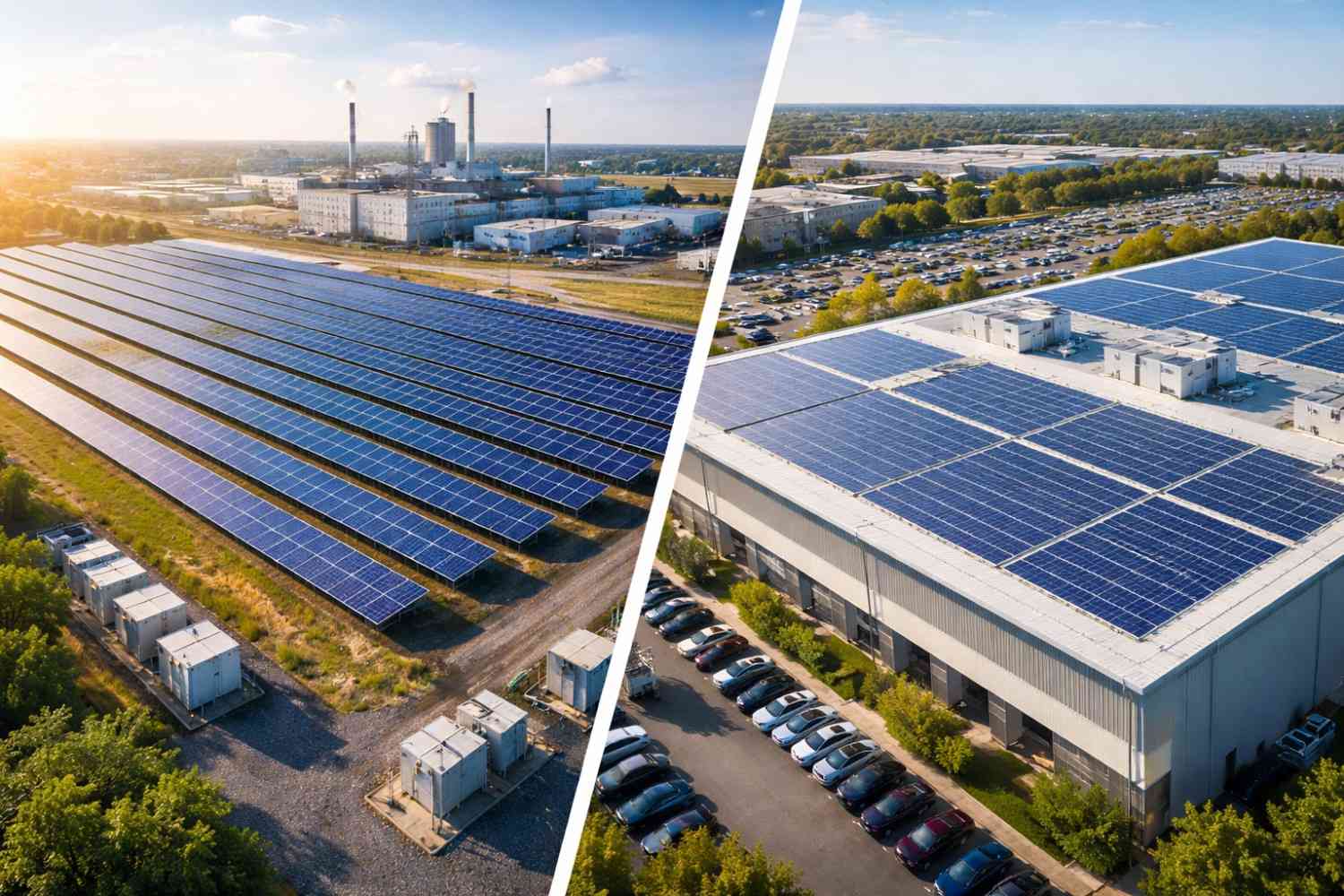
Industrial vs Commercial Solar Systems: Which Energy Solution Is Right for Your Business?

Agile Boardroom 2 - Solar + Storage Under Tight Operating Budgets: Education & Not-for-Profit

Agile Advantage Ed. 16 - Cutting Diesel Dependency: Solar battery PPAs for remote farming operations

Agile Boardroom 1 - A Competitive Advantage in Government & Enterprise Tenders: The Decarbonised Bid

Agile Advantage Ed. 15 - Winning the war on peak prices: Load Shifting, Storage and Smart Controls for C&I

The summer surge: How to keep energy bills cool when temperature rise

Agile Advantage Ed. 14 - The 2026 solar health check: From legacy systems to strategic assets
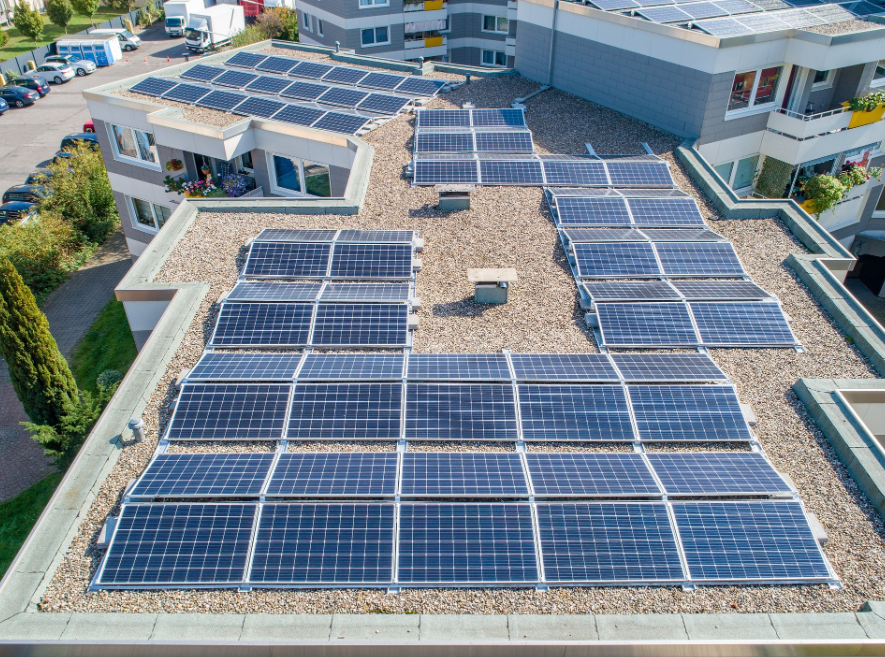
Solar vs Grid Energy Price Escalation: 2026 Outlook
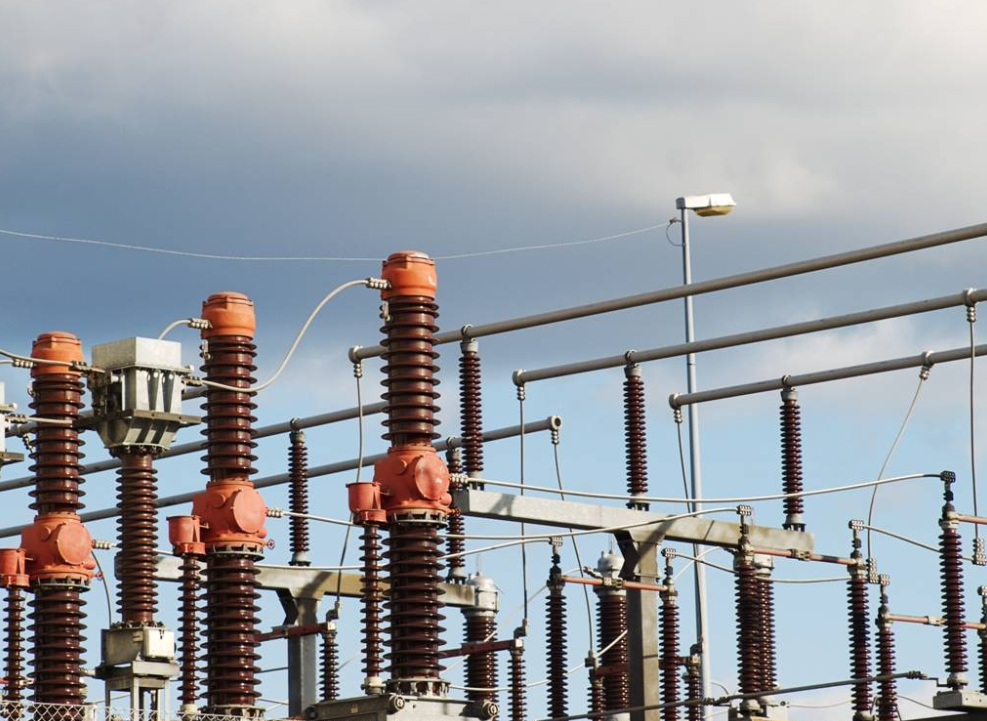
Agile Advantage Ed. 13 - From energy users to market participants: How Agile businesses are monetising flexibility
Mandatory Climate Reporting: What CFOs need to know (2026–2028)

Agile Advantage Ed. 11 - Unlocking full value from solar & storage: The business case for batteries
End-of-Year Energy Audit: 10 ways to start 2026 leaner and cleaner

Agile Advantage Ed. 10 - Embedded Networks 101: Turning electricity from a cost centre into a profit centre
Top 5 Energy Incentives for Australian Businesses (2025)

Managing solar and battery rollouts for national portfolio

Risk management in renewables
Commercial solar ROI in 2026: Maximise your business savings

Scaling SAFe in large-scale energy organisations: How executives can harness the Scaled Agile Framework (SAFe) to accelerate the energy transition

Always-On Agile operating model for Australia’s energy transition

Integrated energy & carbon strategies: A Playbook for future-proofing Australian manufacturing

Weathering the storm: Protects solar assets from heavy rainfall risk
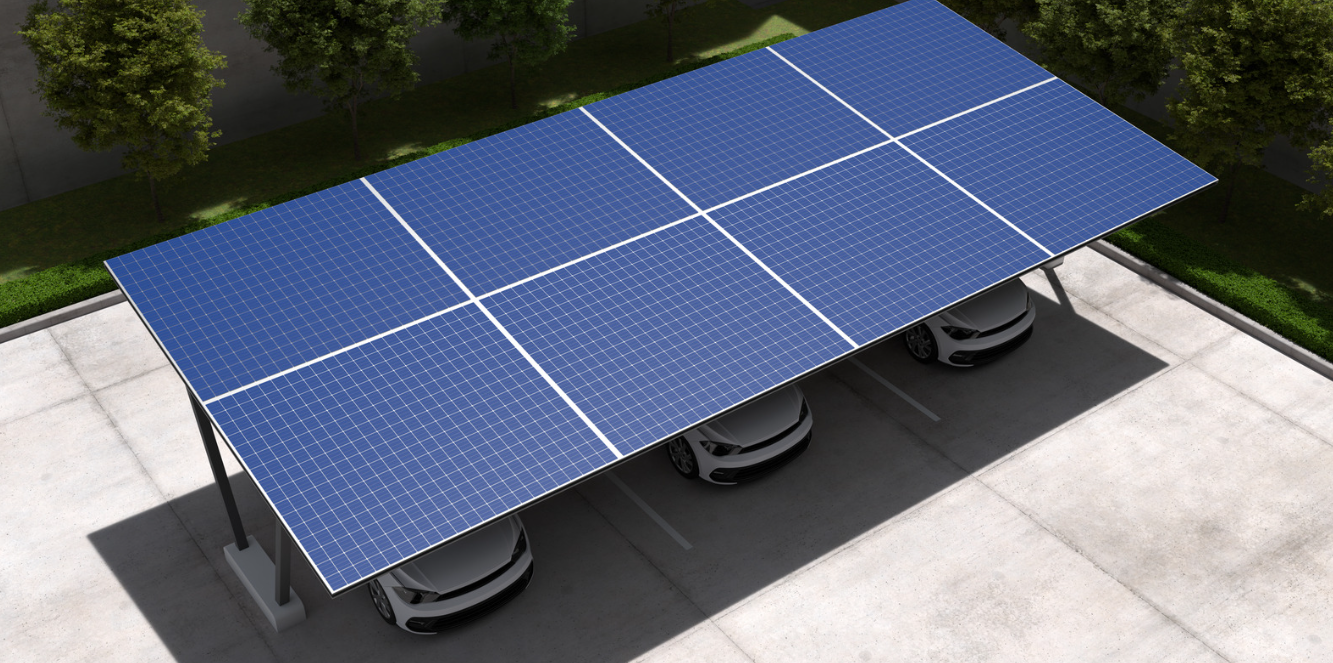
Transforming dead space into active assets: How Agile unlocks roofs, car parks, and land for revenue

Agile Advantage Ed. 9 - Why energy data is the new gold for Australian manufacturer
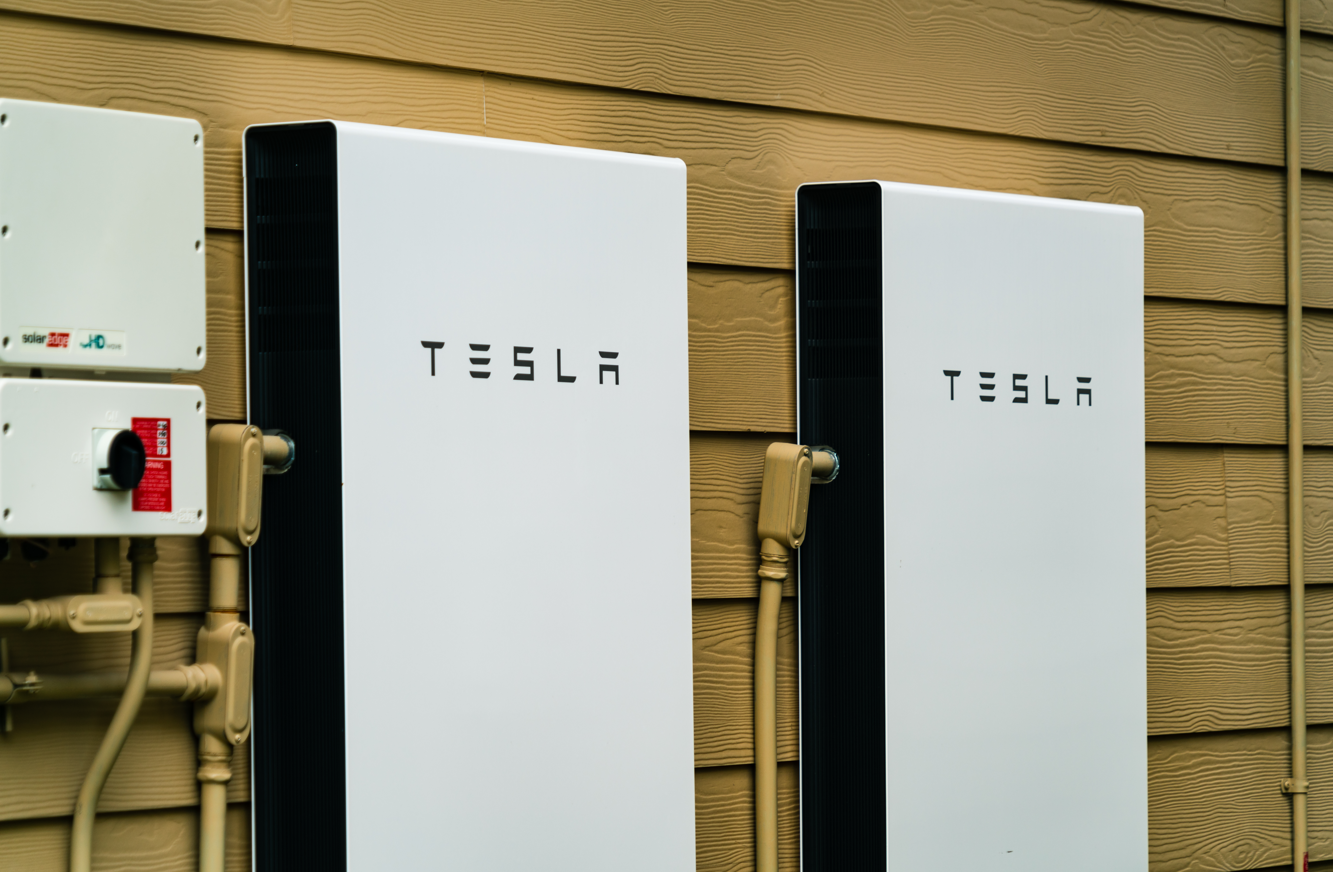
Solar Battery Rebate

Agile Advantage Ed. 8 - E is Everything: Energising Australian Businesses

Agile Advantage Ed. 7 - Riding the renewable wave: Why Australian businesses are embracing solar energy

Agile Advantage Ed. 6 - Why CFOs should prioritise renewable energy investments in 2025

Empowering Australian Businesses: Unlocking energy efficiency and sustainability

Agile Advantage Ed. 5 - Inspiring the young workforce: How rolling out renewables sparks motivation

The power of vertical integration in solar project delivery

Agile Advantage Ed. 4 - Making complex simple: Navigating the complexity of solar installations

Rising cost of insurance : Impact on solar assets

Monetising your solar assets: Converting pre-purchased systems into power purchase agreements (PPAs)

Agile Advantage Ed. 3 - The Magic of experience: Partnering for performance in renewables

Solar rooftop safety: Risk management guide

Agile Advantage Ed. 2 - Clear paths to carbon reduction: Renewables and more for Australian businesses

Agile Advantage Ed. 1 - Seven deadly sins of solar installations: Mistakes businesses must avoid

CEO's view on managing increasing energy costs

What are Small-scale technology certificates (STC)?

Carbon Accounting and your business

Join Agile Energy at the Healthcare Real Estate Summit

Carbon Projects - Where to Start?

TRADE ACCUs WITH US! From the desk of Equipoised Group
Ready to power your business with Sustainable Energy?
Let's take the first step towards a brighter and greener future.