Agile Boardroom 4 - Geopolitics meets energy: What CFOs must factor into energy strategy
.jpg)
Geopolitics meets energy: What CFOs must factor into energy strategy
Energy strategy can no longer be separated from global events.
In 2026, geopolitical disruption is playing a growing role in shaping energy costs, reliability and business continuity. Conflict, trade restrictions, supply chain instability, shifting government policy and changing global demand are all influencing the Australian energy market.
For CFOs, this means energy is no longer simply a procurement issue or a line item on the P&L. It is a strategic risk category that can affect margins, cash flow, investment decisions and long-term resilience.
The businesses best positioned for the future are not necessarily those paying the lowest energy price today. They are the businesses that understand how global events could influence their energy position tomorrow.
Why Geopolitics Matters to Energy
Australia may generate much of its own electricity, but local energy markets are still closely connected to global conditions.
International events can influence:
• Fuel and electricity prices
• Gas availability
• Supply chain access for solar, batteries and electrical equipment
• Construction costs for new infrastructure
• The timing and availability of energy projects
For example, conflict in key fuel-producing regions can drive up global gas and oil prices. Trade disputes or shipping disruptions can delay the arrival of solar panels, transformers, batteries and other critical equipment. Political changes can also alter energy policy, incentives or carbon regulations.
As a result, energy costs and project timelines can change quickly, even when the disruption occurs on the other side of the world.
The Four Geopolitical Risks CFOs Need to Watch
1. Global Fuel Price Volatility
Australia may generate much of its own electricity, but local energy markets are still closely connected to global conditions.
International events can influence: fuel and electricity prices, gas availability, supply chain access for solar, batteries and electrical equipment, construction costs for new infrastructure and the timing and availability of energy projects
For example, conflict in key fuel-producing regions can drive up global gas and oil prices. Trade disputes or shipping disruptions can delay the arrival of solar panels, transformers, batteries and other critical equipment. Political changes can also alter energy policy, incentives or carbon regulations.
As a result, energy costs and project timelines can change quickly, even when the disruption occurs on the other side of the world.
2. Supply Chain Risk for Energy Projects
Many Australian businesses are investing in solar, battery storage, electrification and energy efficiency projects. However, much of the equipment required is sourced globally. Delays or shortages can be caused by:
• Trade restrictions
• Manufacturing disruptions
• Port congestion
• Increased freight costs
• Competition for limited supply
This means projects can take longer, cost more or fail to deliver the expected business case.
3. Policy and Regulatory Uncertainty
Government policy is increasingly having a greater effect on shaping the energy market. Changes to emissions policy, renewable incentives, grid investment, carbon pricing or industrial electrification can all influence business costs and opportunities.
At the same time, policies can change quickly following elections, budget decisions or international agreements. This creates uncertainty around; future energy prices, the viability of planned investments, carbon and reporting obligations and access to grants, incentives or financing
Businesses that monitor policy closely are better able to act early and avoid being caught by unexpected changes.
4. Reliability and Security of Supply
Geopolitical risk affects both price and reliability. Extreme weather, fuel shortages, cyberattacks, global conflict and supply chain disruption can all create pressure on the energy system. For organisations that rely on continuous operations, even a short interruption can have major consequences.
The most exposed businesses include:
• Manufacturing and industrial sites
• Cold storage and food processing
• Healthcare and aged care
• Data centres and technology businesses
• Large commercial operations
For these organisations, energy resilience is becoming just as important as cost control.
CFO Checklist
Is Your Energy Strategy Geopolitically Resilient?
• Financial Exposure
Have we modelled how global fuel or electricity price increases would affect the business?
• Do we understand the impact on margins, cash flow and working capital?
• Are we too exposed to spot pricing or short-term contract rollovers?
• Have we considered the impact of currency movements on energy- related costs?
Supply Chain and Procurement Risk
• Are any critical energy projects dependent on imported equipment?
• Do we have alternative suppliers if delays occur?
• Have we allowed for longer lead times and potential cost escalation?
• Are we too reliant on one supplier, retailer or contractor?
Reliability and Continuity
• Do we know which sites are most vulnerable to energy disruption?
• Have we tested backup power and continuity plans?
• Could the business continue operating through a 24-hour outage?
• Have we included energy disruption in broader business continuity planning?
Strategic Readiness
• Is geopolitical risk included in our energy strategy?
• Is energy discussed at executive or board level?
• Are we balancing cost reduction with resilience and flexibility?
• Have we identified projects that could improve both energy security and cost certainty?
What This Means for Business Strategy
The traditional approach to energy often focused on securing the lowest contract price which is becoming less effective in a more uncertain environment. In 2026, the strongest energy strategies are based on balancing cost, resilience and flexibility.
This may include:
• Reviewing contracts earlier and more frequently
• Locking in a portion of energy costs to improve certainty
• Diversifying energy sources and suppliers
• Investing in on-site generation or storage
• Building greater flexibility into operations
• Stress-testing the business against different energy scenarios
The objective is not to predict exactly what will happen globally. It is to ensure the business is better prepared regardless of what happens.
Final Thoughts
Energy markets are no longer shaped only by local demand and supply. They are now becoming influenced by global events, political decisions and international supply chains. For CFOs and business leaders, the challenge is not to predict every geopolitical risk, but to ensure the organisation is prepared, flexible and resilient enough to respond.
In 2026, energy strategy is no longer just about securing the lowest price. It is about protecting the business from uncertainty, strengthening continuity and creating greater confidence in future decision-making.

Agile Advantage Ed. 23 -Turn energy into an operating expense, not capital investment

How Big a Commercial Solar System Do I Need? A Sizing Guide for Australian Businesses
Solar and Battery vs Solar Only: When Does the Extra Cost Pay Off?
Agile Advantage Ed.22 - When Power Fails, Product Fails: Energy Resilience in Cold Chain

Agile Boardroom 7 - 2026 Energy Risk: A Framework for Reliability, Cost and Continuity
Big News for Business Solar: SRES Rebate Now Covers Systems 10x Larger

Agile Advantage Ed.21 - From Backup to Strategy: Batteries as business Continuity Infrastructure
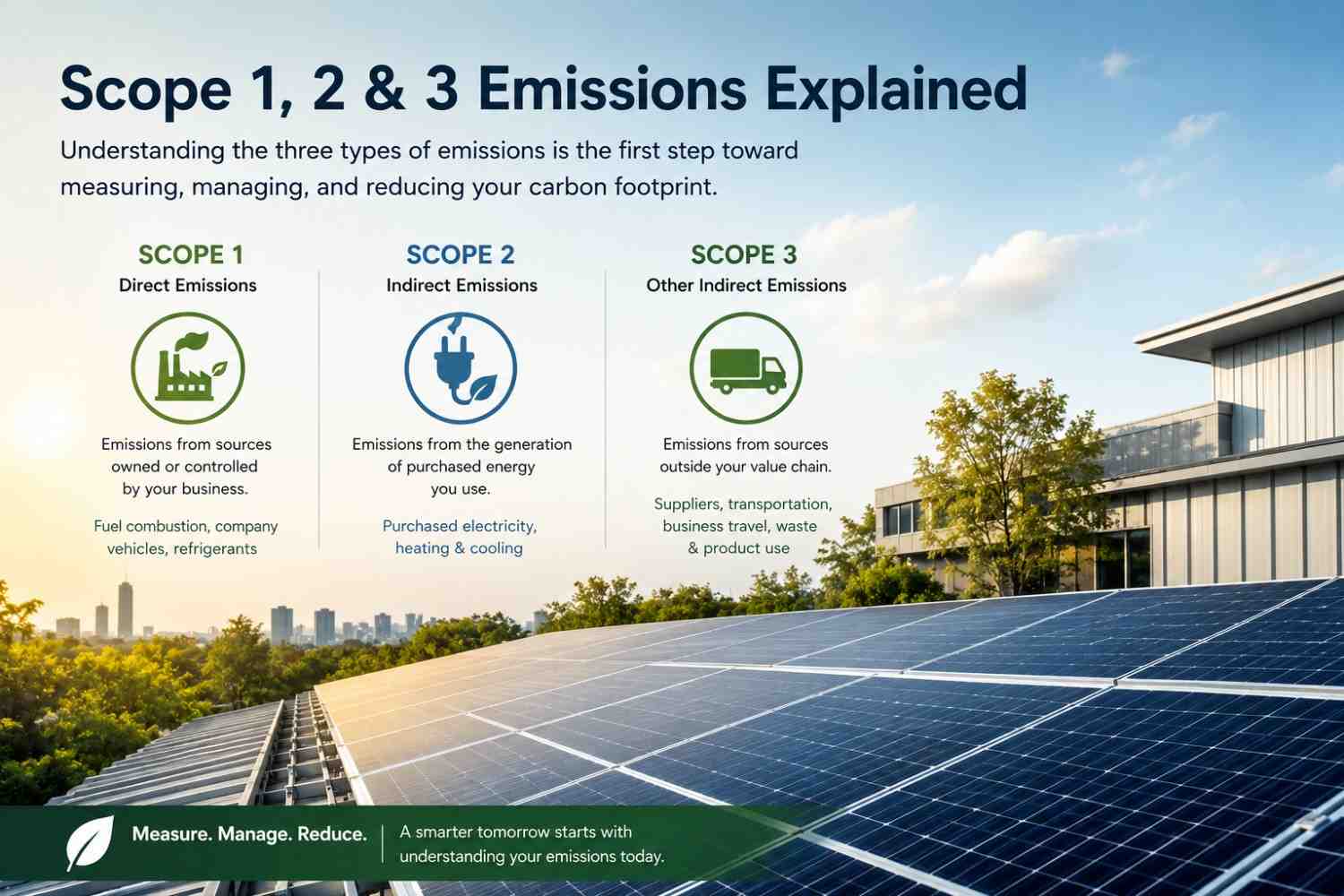
What Are Scope 1, 2 and 3 Emissions?
What Is Carbon Offsetting and Should Businesses Use It?
What Is RE100 and Should Your Business Join?
How Can Businesses Reduce Peak Demand Charges?
What Are Demand Charges and How Are They Calculated?
What Is Commercial Energy Procurement? A Guide for Australian Businesses

Agile Boardroom 6 - Where should capital go? Core Business vs Energy Infrastructure
Agile Advantage Ed.20 - Energy Security for Australian Businesses: Operating Through Global Instability

Is Your Business Too Dependent on the Grid? Here's What to Do
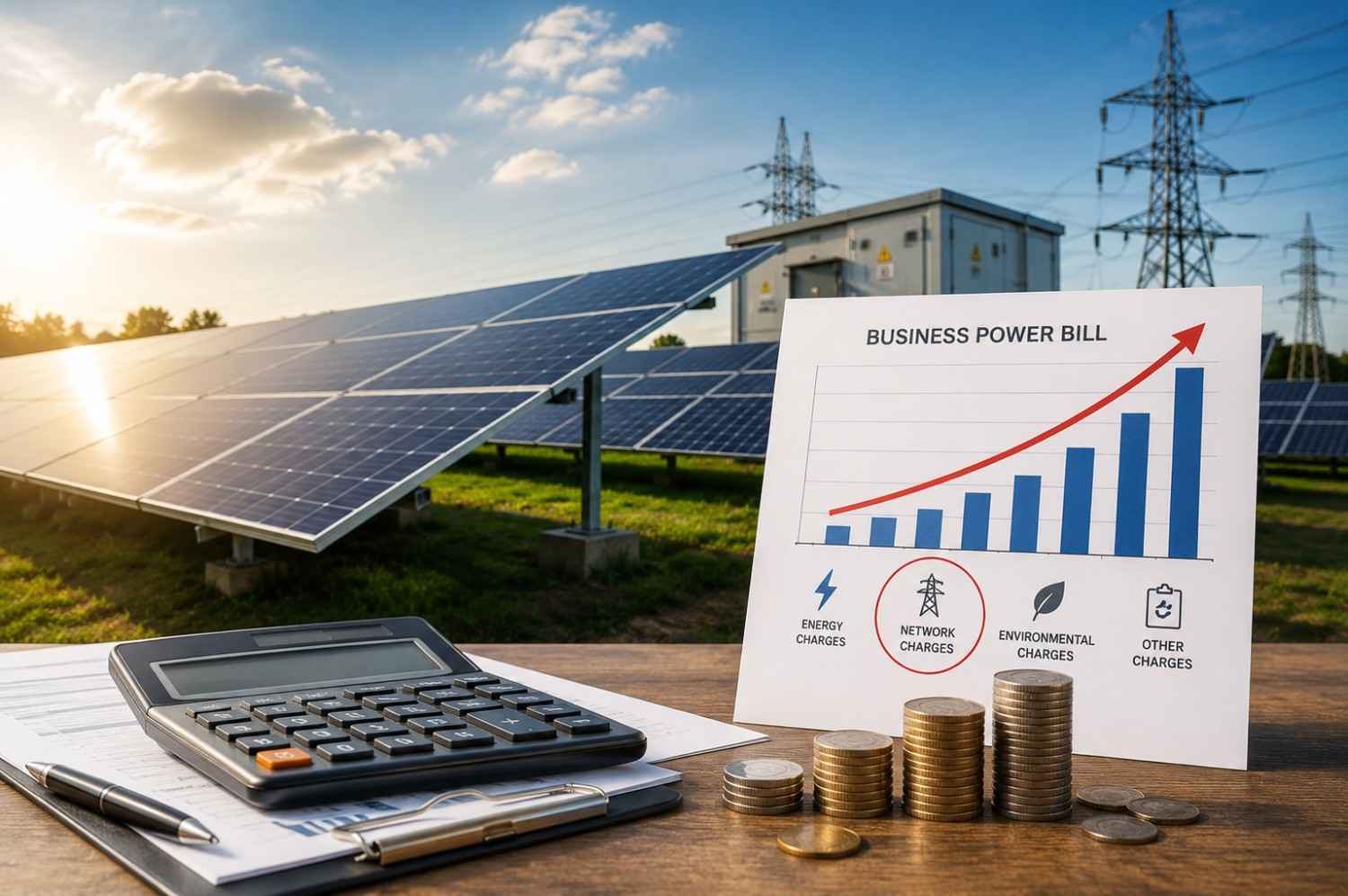
Network Charges Explained: The Fastest-Growing Cost on Your Business Power Bill

Agile Boardroom 5: Energy as competitive advantage in private equity portfolios

Agile Advantage Ed.19 - The End of Cheap Diesel: What Businesses Need to Know
Energy-as-a-Service Explained for Commercial Property Owners

Agile Advantage Ed.18 - Keeping Production Running: Battery Storage for Outage Management in Manufacturing

Agile Boardroom 3 - The Bankable PPA: What Lenders, Boards and Investors actually require

Australia is experiencing a clean energy revolution as commercial and domestic landlords turn rooftops into revenue

Landlords turn to rooftop solar to yield income

Commercial landlords turning rooftops into ‘profit machines’ through solar installations

Solar PPA for Schools: Reduce Electricity Costs Without Upfront Investment
Agile Energy Featured on Business Essentials Podcast
.png)
Schools access cheaper electricity
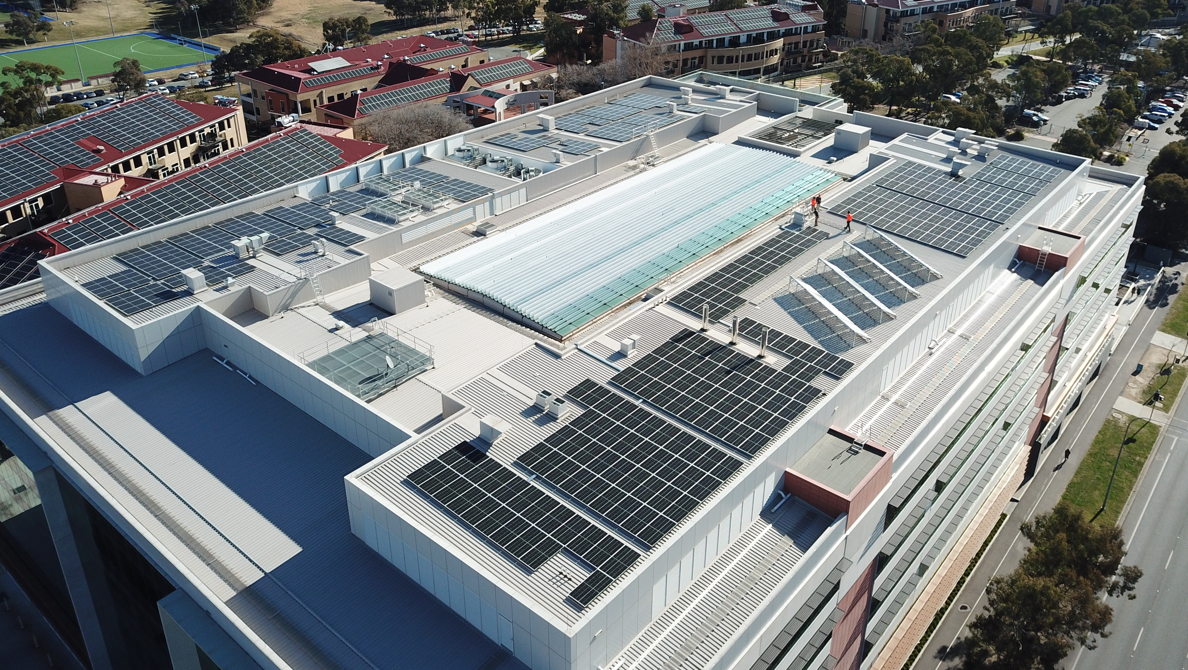
Australia undergoes a clean energy revolution as commercial and domestic landlords turn rooftops into revenue
Agile Advantage Ed.17 - Solar for Process Heat: Replacing Gas Boilers in Food and Beverage Manufacturing

5 Reasons Why Capital-Funded Solar is the Safest Energy Transition Strategy in 2026
Industrial vs Commercial Solar Systems: Which Energy Solution Is Right for Your Business?

Agile Boardroom 2 - Solar + Storage Under Tight Operating Budgets: Education & Not-for-Profit

Agile Advantage Ed. 16 - Cutting Diesel Dependency: Solar battery PPAs for remote farming operations

Agile Boardroom 1 - A Competitive Advantage in Government & Enterprise Tenders: The Decarbonised Bid

Agile Advantage Ed. 15 - Winning the war on peak prices: Load Shifting, Storage and Smart Controls for C&I

The summer surge: How to keep energy bills cool when temperature rise

Agile Advantage Ed. 14 - The 2026 solar health check: From legacy systems to strategic assets
Solar vs Grid Energy Price Escalation: 2026 Outlook
Agile Advantage Ed. 13 - From energy users to market participants: How Agile businesses are monetising flexibility
Mandatory Climate Reporting: What CFOs need to know (2026–2028)

Agile Advantage Ed. 11 - Unlocking full value from solar & storage: The business case for batteries

End-of-Year Energy Audit: 10 ways to start 2026 leaner and cleaner

Agile Advantage Ed. 10 - Embedded Networks 101: Turning electricity from a cost centre into a profit centre
Top 5 Energy Incentives for Australian Businesses (2025)

Managing solar and battery rollouts for national portfolio

Risk management in renewables
Commercial solar ROI in 2026: Maximise your business savings

Scaling SAFe in large-scale energy organisations: How executives can harness the Scaled Agile Framework (SAFe) to accelerate the energy transition

Always-On Agile operating model for Australia’s energy transition

Integrated energy & carbon strategies: A Playbook for future-proofing Australian manufacturing

Weathering the storm: Protects solar assets from heavy rainfall risk
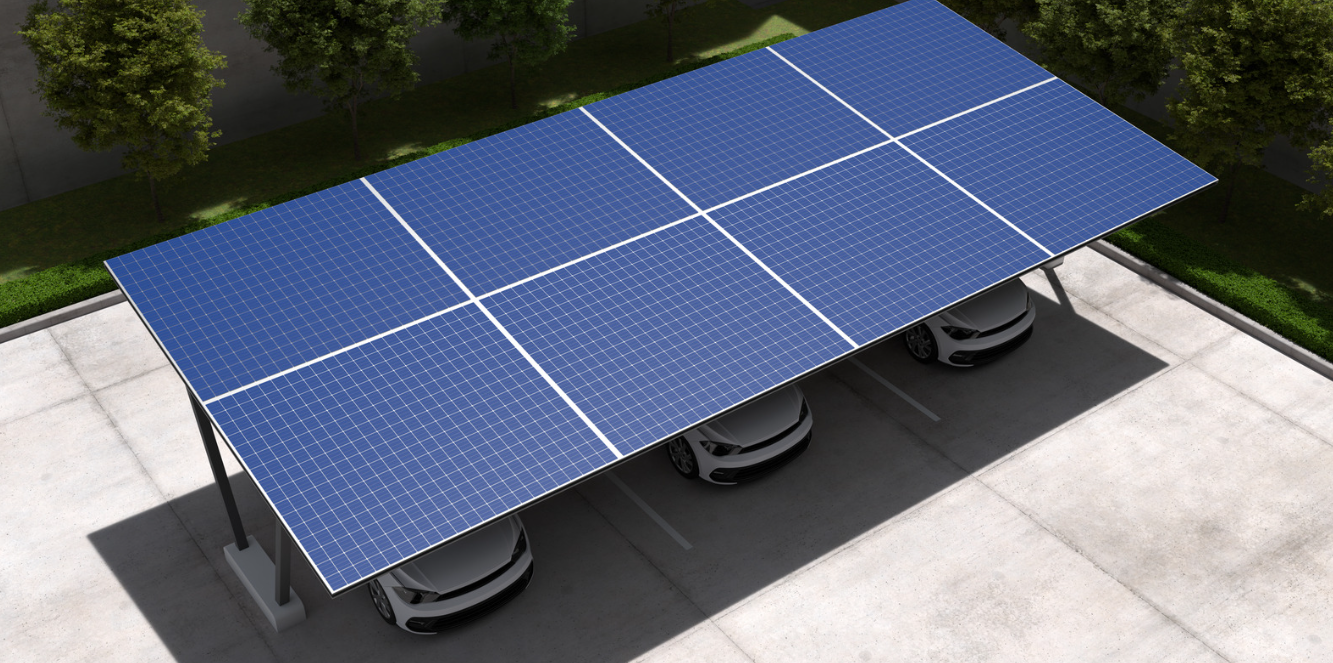
Transforming dead space into active assets: How Agile unlocks roofs, car parks, and land for revenue

Agile Advantage Ed. 9 - Why energy data is the new gold for Australian manufacturer
Solar Battery Rebate

Agile Advantage Ed. 8 - E is Everything: Energising Australian Businesses

Agile Advantage Ed. 7 - Riding the renewable wave: Why Australian businesses are embracing solar energy

Agile Advantage Ed. 6 - Why CFOs should prioritise renewable energy investments in 2025

Empowering Australian Businesses: Unlocking energy efficiency and sustainability

Agile Advantage Ed. 5 - Inspiring the young workforce: How rolling out renewables sparks motivation

The power of vertical integration in solar project delivery

Agile Advantage Ed. 4 - Making complex simple: Navigating the complexity of solar installations

Rising cost of insurance : Impact on solar assets

Monetising your solar assets: Converting pre-purchased systems into power purchase agreements (PPAs)

Agile Advantage Ed. 3 - The Magic of experience: Partnering for performance in renewables

Solar rooftop safety: Risk management guide

Agile Advantage Ed. 2 - Clear paths to carbon reduction: Renewables and more for Australian businesses

Agile Advantage Ed. 1 - Seven deadly sins of solar installations: Mistakes businesses must avoid

CEO's view on managing increasing energy costs

What are Small-scale technology certificates (STC)?

Carbon Accounting and your business

Join Agile Energy at the Healthcare Real Estate Summit

Carbon Projects - Where to Start?

TRADE ACCUs WITH US! From the desk of Equipoised Group
Ready to power your business with Sustainable Energy?
Let's take the first step towards a brighter and greener future.