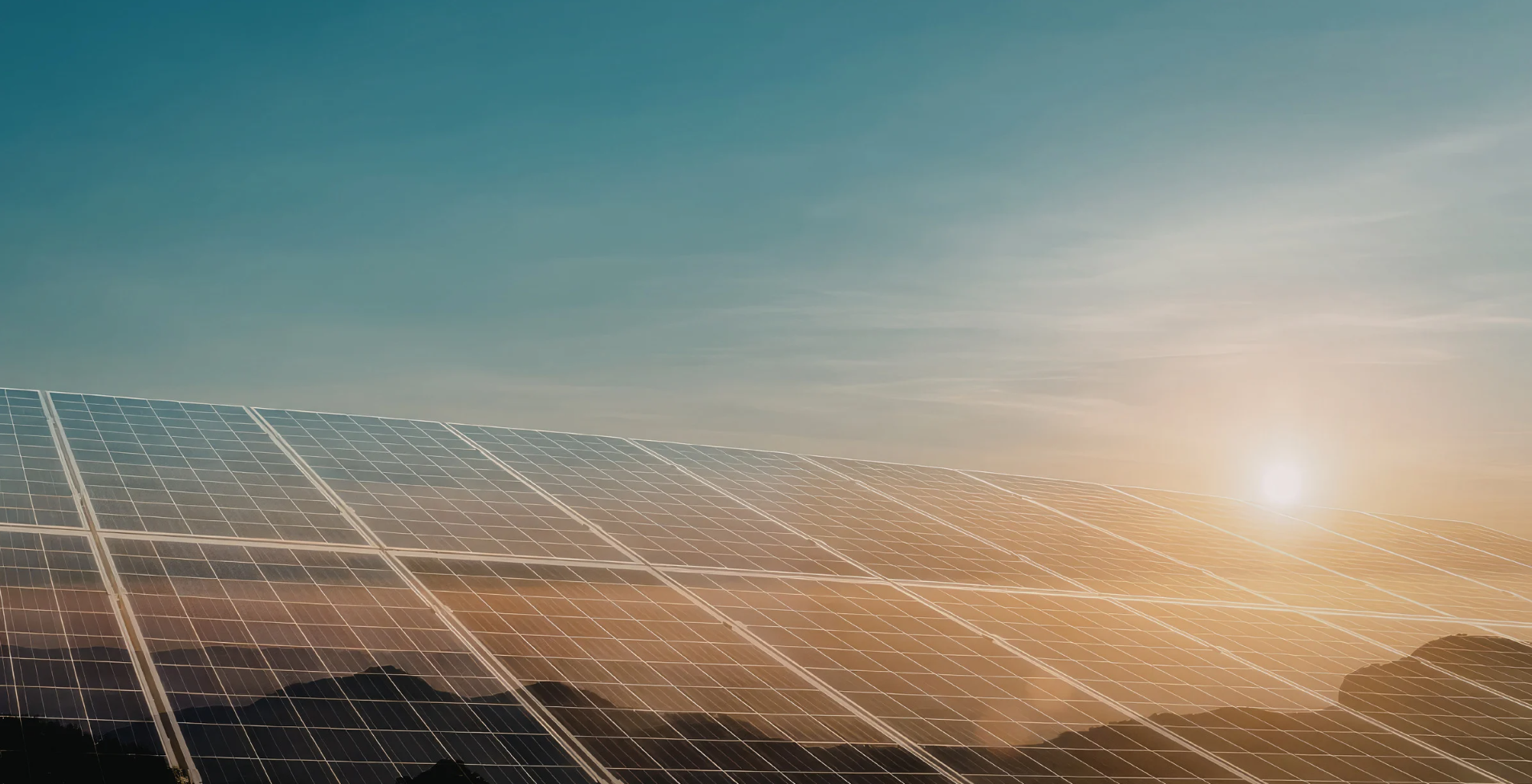
Energy-as-a-Service Explained for Commercial Property Owners
.jpg)
Commercial property owners are changing their power management methods because of rising energy expenses and growing sustainability expectations. The Energy-as-a-Service (EaaS) system provides building owners with a low-risk solution. It advances their facilities through its energy-efficient technology without requiring them to pay for implementation costs.
Continue reading the blog to understand its significance and how it works.
What is Energy-as-a-Service?
The Energy-as-a-Service model provides building operators with a complete package. It allows them to achieve all of their energy system needs through a third-party energy system. The third party designs, installs, owns, and handles the energy systems of a building. So, the property owners just pay a fixed cost, covering their energy usage needs instead of buying the infrastructure.
The energy-as-a-Service Australia model is rising in demand because it reduces operational complexity. Meanwhile, it achieves better sustainability results with improved efficiency.
Traditional Energy vs EaaS
Traditional energy systems need high initial costs along with ongoing upkeep expenses and changing energy market rates. The equipment and upgrade process needs to be handled by the owners themselves.
However, EaaS lets providers take charge of all aspects, including maintenance, system performance, and optimisation. Property owners can direct their main business functions while getting access to cutting-edge energy technologies through this transition from asset ownership. So, EaaS commercial buildings can achieve better energy efficiency without an asset burden.
How the Model Works
The provider assesses the building's energy consumption according to EaaS requirements. Based on that, they develop a tailored solution that often includes solar, storage, and smart controls. Overall, the provider can easily install and operate the system with minimal to no upfront cost.
Property owners then pay through:
Pay-per-use energy pricing
Subscription-based fees
Shared savings agreements
Firms, like Agile Energy, assist in structuring these models to align incentives, guaranteeing long-term cost and performance savings.
Financial Benefits
Financial flexibility is one of the main benefits of EaaS. Rather than investing capital in infrastructure, owners can:
Maintain cash flow.
Steer clear of depreciation risks.
Transform CapEx into predictable OpEx.
Furthermore, grid dependency and long-term electricity expenses can be greatly decreased by incorporating commercial solar Australia solutions into EaaS. Performance guarantees further lower financial risk and increases the predictability of returns.
Tenant Advantages
Reliability, cost effectiveness, and sustainability are becoming more and more important to modern tenants. Tenant experience is improved by EaaS through:
Reducing the cost of utilities.
Using optimised systems to increase indoor comfort.
Encouraging sustainability and ESG objectives.
This can result in increased occupancy rates and better tenant retention for properties with multiple tenants. Efficient systems give buildings a competitive advantage in leasing markets.
Technology Behind EaaS
EaaS is based upon utilising a combination of advanced technologies such as:
Smart energy control systems
Load balancing and battery storage
IoT-enabled monitoring
Integration of renewable resources
A solar power energy company is usually integral in the overall implementation/management of these resource systems. Additionally, utilising real time analytics helps to optimise the energy consumption process at all times, while predictive maintenance helps to minimise operating issues/downtime.
Real Commercial Applications
EaaS is already being implemented across various commercial sectors because:
Office buildings upgrade their systems to energy-efficient solutions.
Retail centers reduce their peak demand charges through their energy-saving measures.
Industrial facilities achieve better energy reliability through their operational improvements.
The commercial solar Perth projects demonstrate how localised energy generation supports the operational needs of large-scale businesses in Western Australia. The installation of solar panels for businesses enables these buildings to produce renewable energy while they receive extended service contracts.
Future Trends
In the future, the EaaS model is expected to develop more quickly with:
Increased use of energy optimisation powered by AI
The growth of decentralised systems and microgrids
Greater infrastructure integration for electric vehicles
With stricter sustainability regulations & shifts in global energy markets, EaaS is likely to gain more acceptance as a business model for managing commercial properties. Innovative providers such as Agile Energy are already adapting to these trends by developing and providing scalable, technology-based solutions.

Agile Advantage Ed. 23 -Turn energy into an operating expense, not capital investment

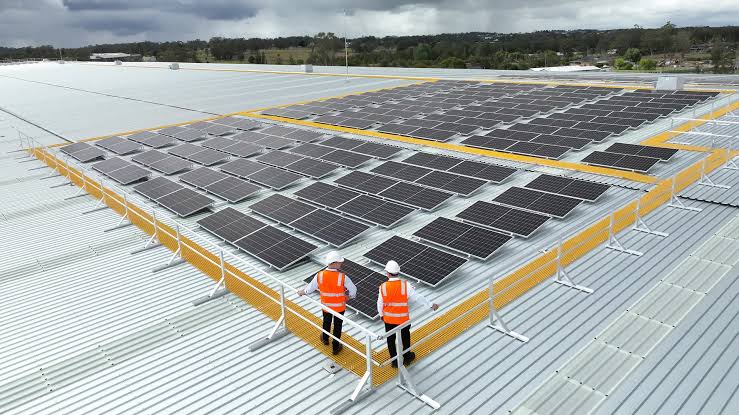
How Big a Commercial Solar System Do I Need? A Sizing Guide for Australian Businesses
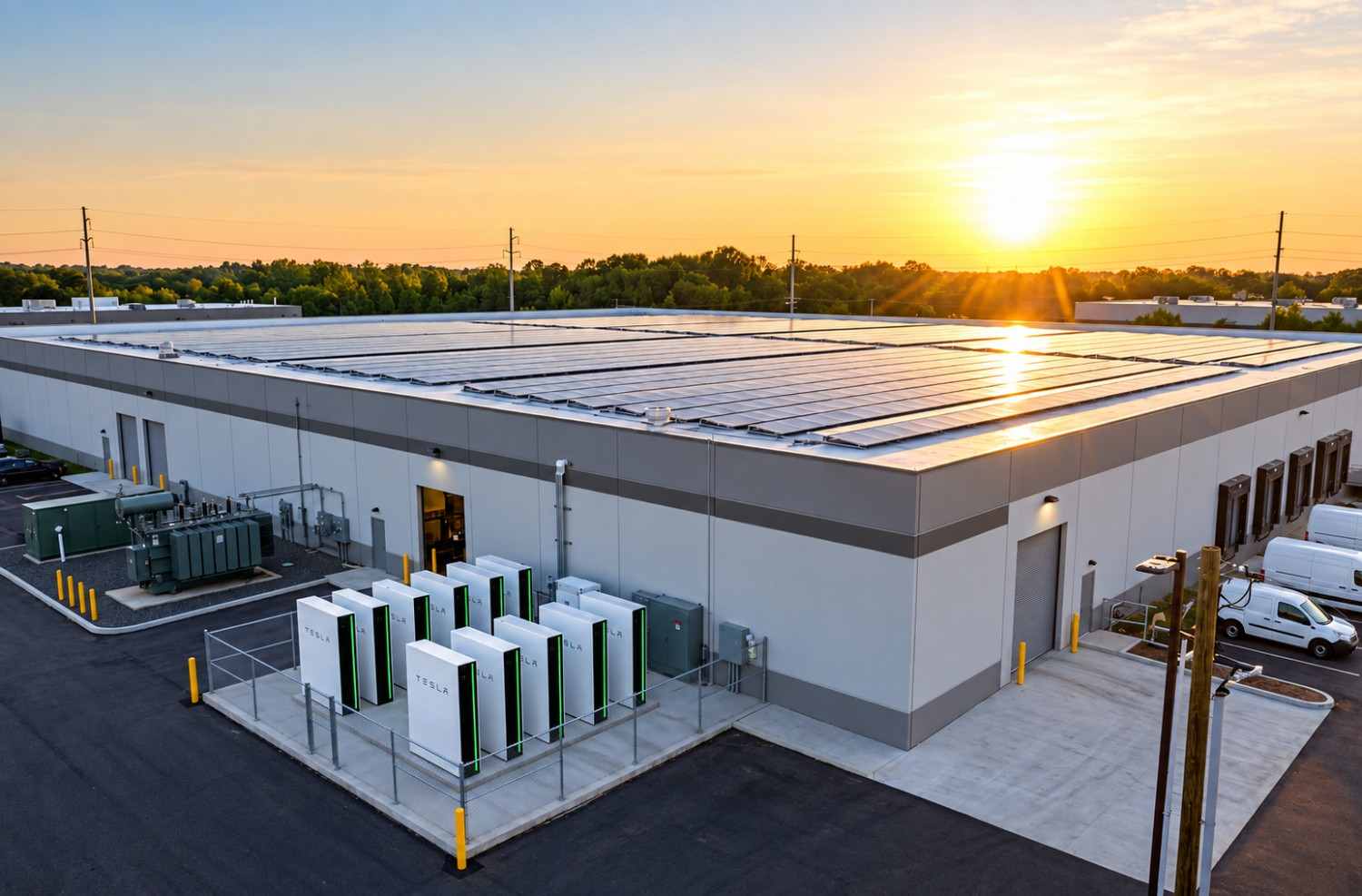
Solar and Battery vs Solar Only: When Does the Extra Cost Pay Off?
Agile Advantage Ed.22 - When Power Fails, Product Fails: Energy Resilience in Cold Chain

Agile Boardroom 7 - 2026 Energy Risk: A Framework for Reliability, Cost and Continuity
Big News for Business Solar: SRES Rebate Now Covers Systems 10x Larger

Agile Advantage Ed.21 - From Backup to Strategy: Batteries as business Continuity Infrastructure
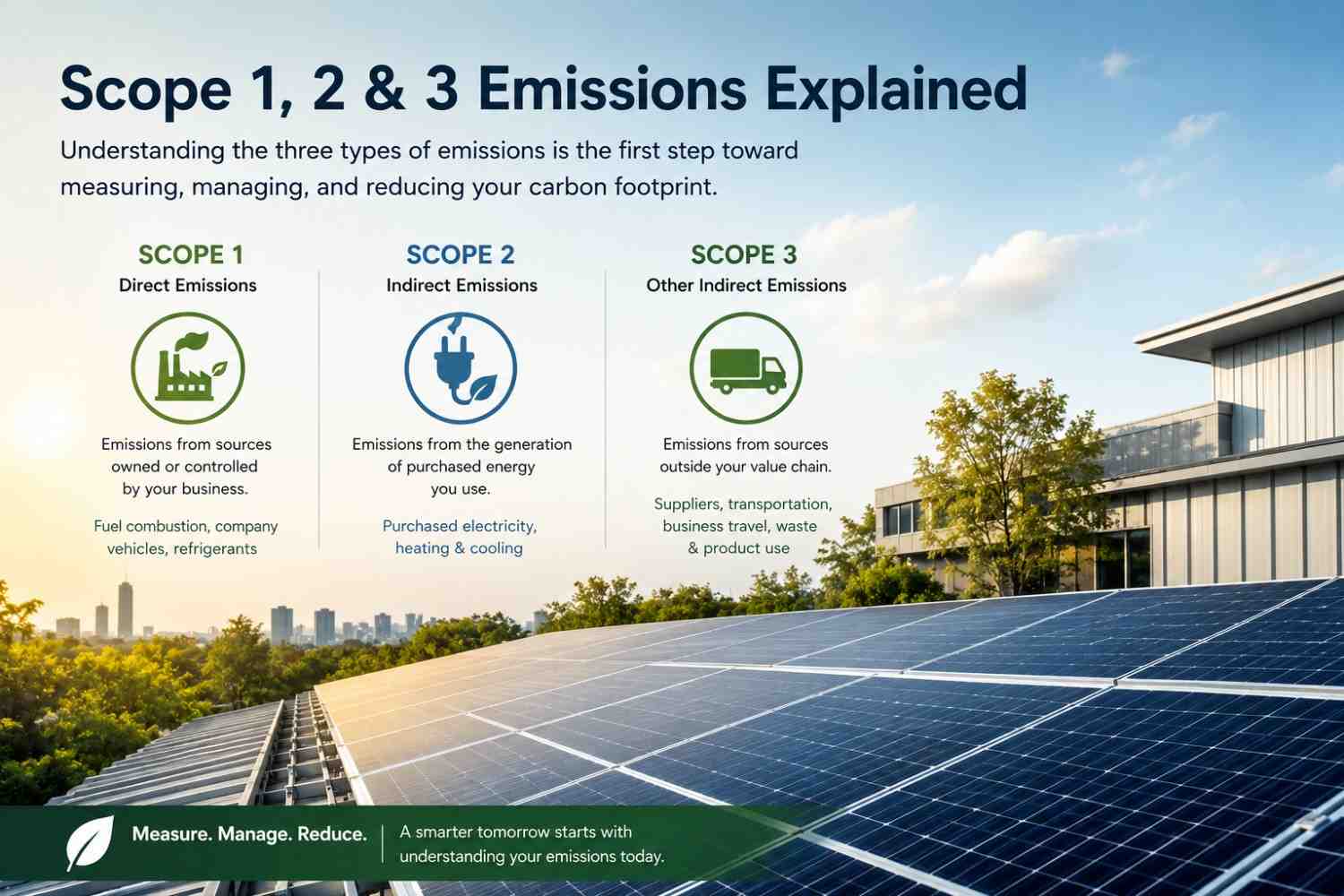
What Are Scope 1, 2 and 3 Emissions?
What Is Carbon Offsetting and Should Businesses Use It?
What Is RE100 and Should Your Business Join?
How Can Businesses Reduce Peak Demand Charges?
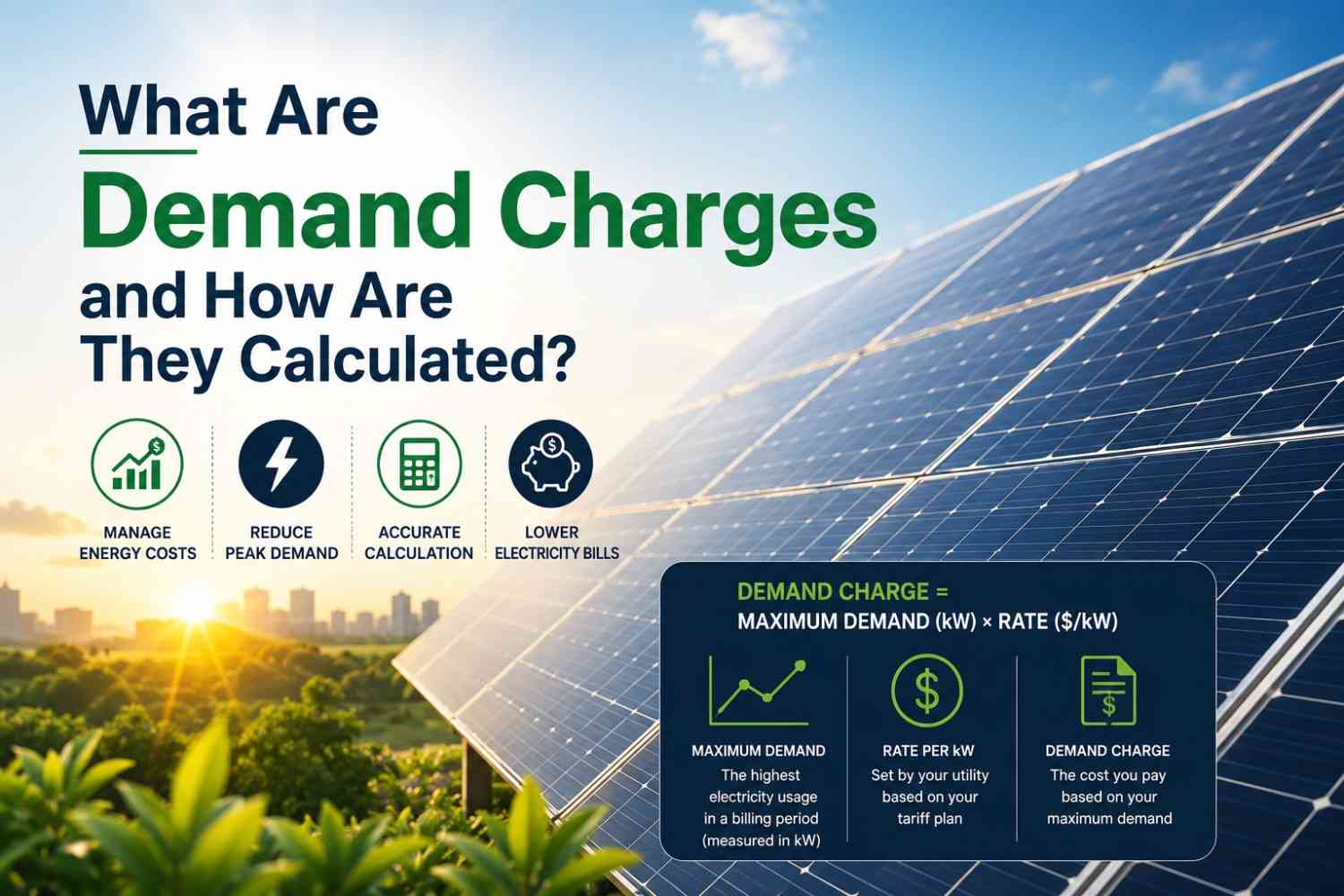
What Are Demand Charges and How Are They Calculated?
What Is Commercial Energy Procurement? A Guide for Australian Businesses

Agile Boardroom 6 - Where should capital go? Core Business vs Energy Infrastructure
Agile Advantage Ed.20 - Energy Security for Australian Businesses: Operating Through Global Instability

Is Your Business Too Dependent on the Grid? Here's What to Do
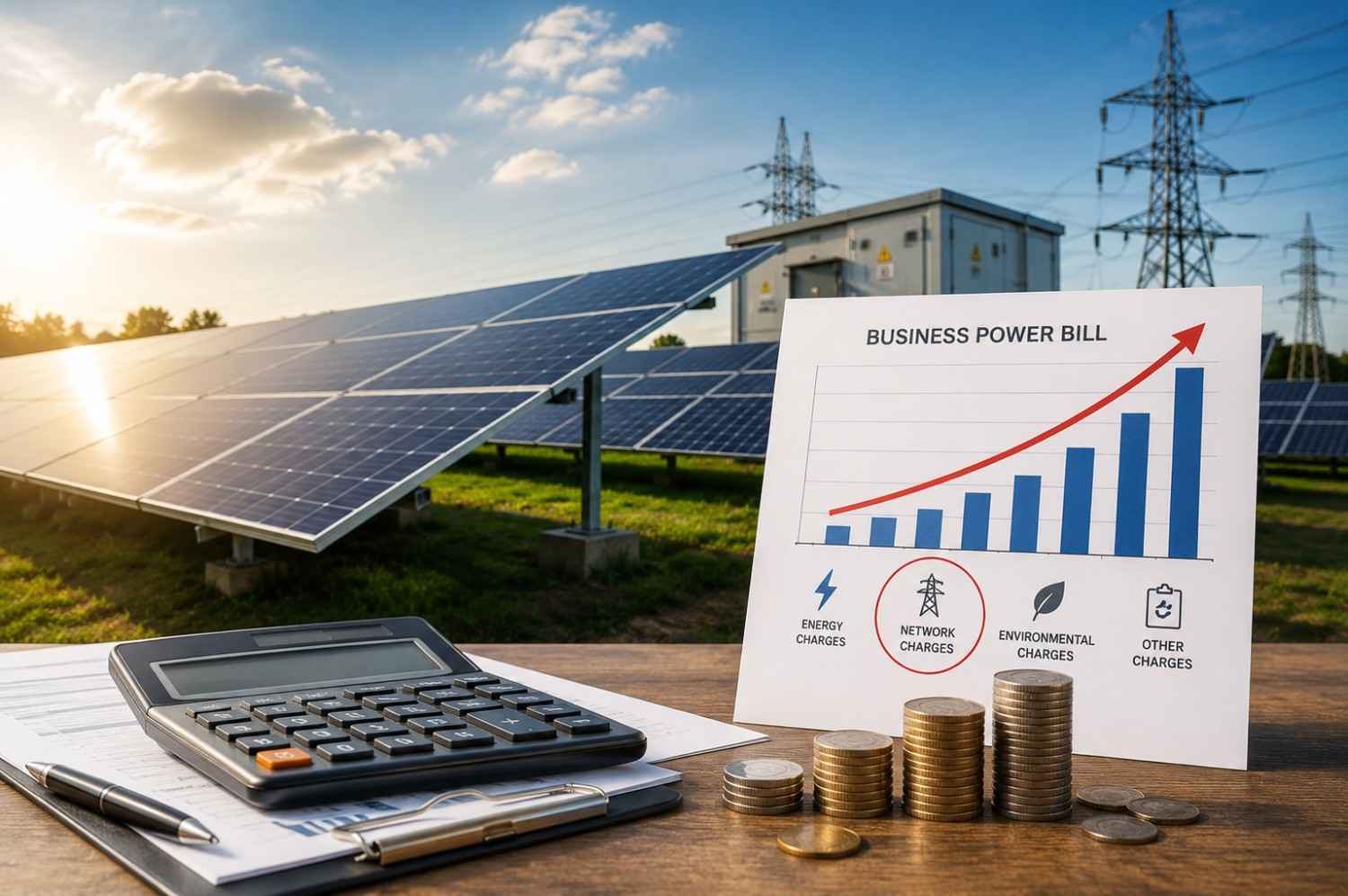
Network Charges Explained: The Fastest-Growing Cost on Your Business Power Bill

Agile Boardroom 5: Energy as competitive advantage in private equity portfolios

Agile Advantage Ed.19 - The End of Cheap Diesel: What Businesses Need to Know

Agile Boardroom 4 - Geopolitics meets energy: What CFOs must factor into energy strategy

Agile Advantage Ed.18 - Keeping Production Running: Battery Storage for Outage Management in Manufacturing

Agile Boardroom 3 - The Bankable PPA: What Lenders, Boards and Investors actually require

Australia is experiencing a clean energy revolution as commercial and domestic landlords turn rooftops into revenue
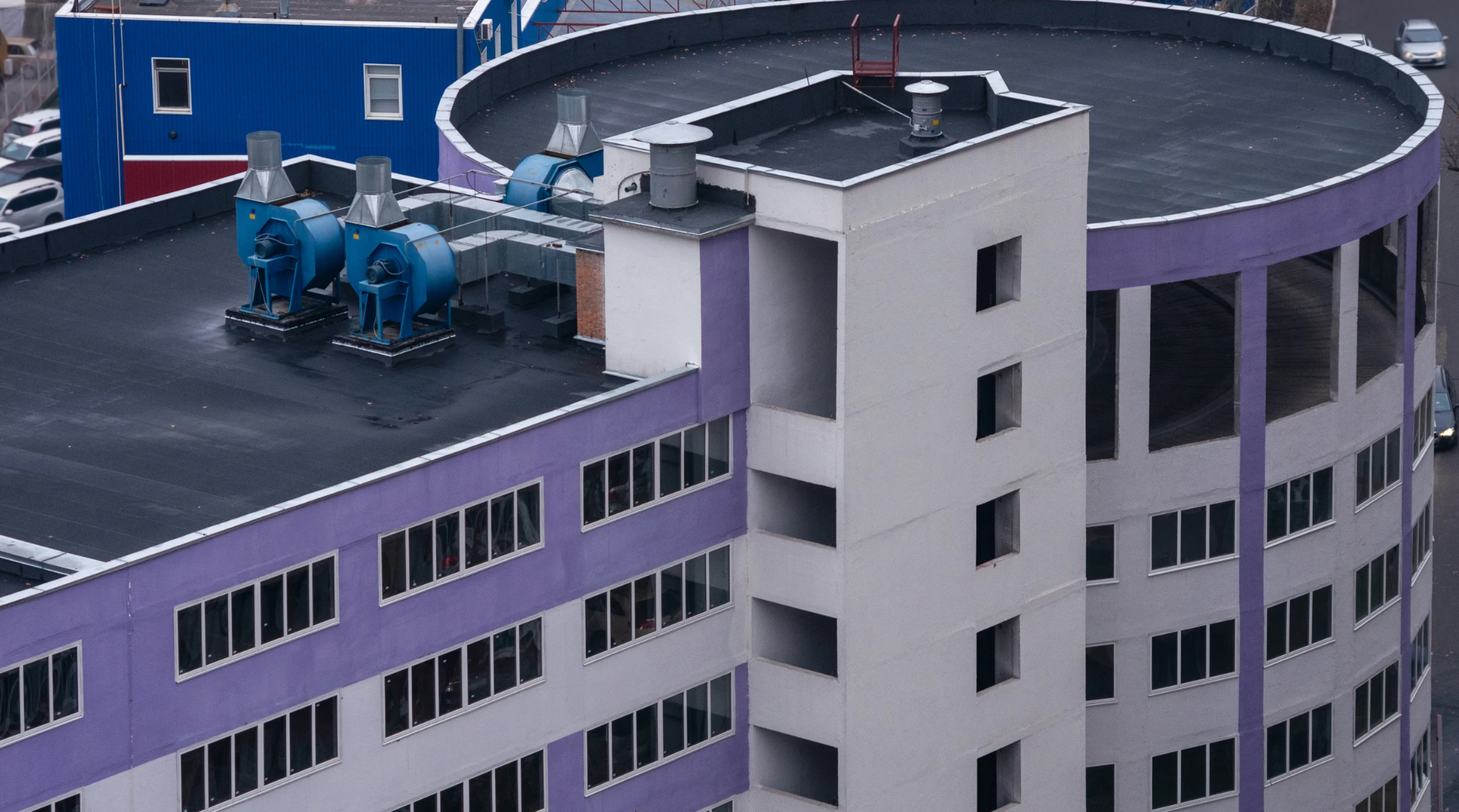
Landlords turn to rooftop solar to yield income

Commercial landlords turning rooftops into ‘profit machines’ through solar installations

Solar PPA for Schools: Reduce Electricity Costs Without Upfront Investment
Agile Energy Featured on Business Essentials Podcast
.png)
Schools access cheaper electricity
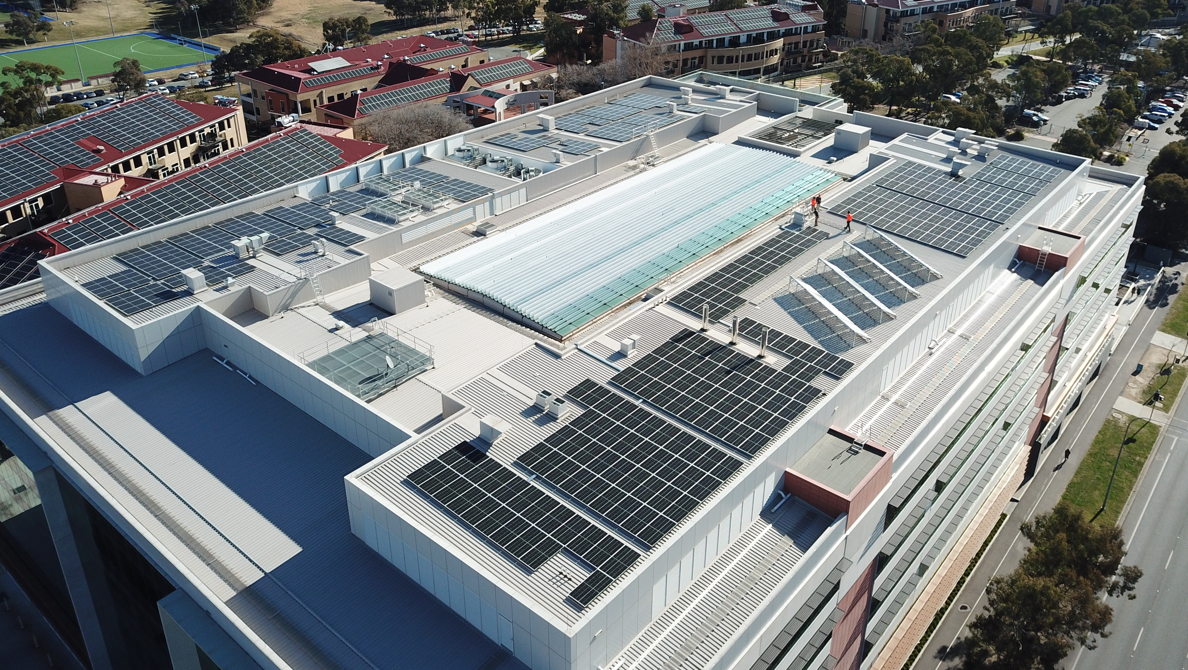
Australia undergoes a clean energy revolution as commercial and domestic landlords turn rooftops into revenue
Agile Advantage Ed.17 - Solar for Process Heat: Replacing Gas Boilers in Food and Beverage Manufacturing

5 Reasons Why Capital-Funded Solar is the Safest Energy Transition Strategy in 2026
Industrial vs Commercial Solar Systems: Which Energy Solution Is Right for Your Business?

Agile Boardroom 2 - Solar + Storage Under Tight Operating Budgets: Education & Not-for-Profit
Agile Advantage Ed. 16 - Cutting Diesel Dependency: Solar battery PPAs for remote farming operations

Agile Boardroom 1 - A Competitive Advantage in Government & Enterprise Tenders: The Decarbonised Bid

Agile Advantage Ed. 15 - Winning the war on peak prices: Load Shifting, Storage and Smart Controls for C&I

The summer surge: How to keep energy bills cool when temperature rise

Agile Advantage Ed. 14 - The 2026 solar health check: From legacy systems to strategic assets
Solar vs Grid Energy Price Escalation: 2026 Outlook
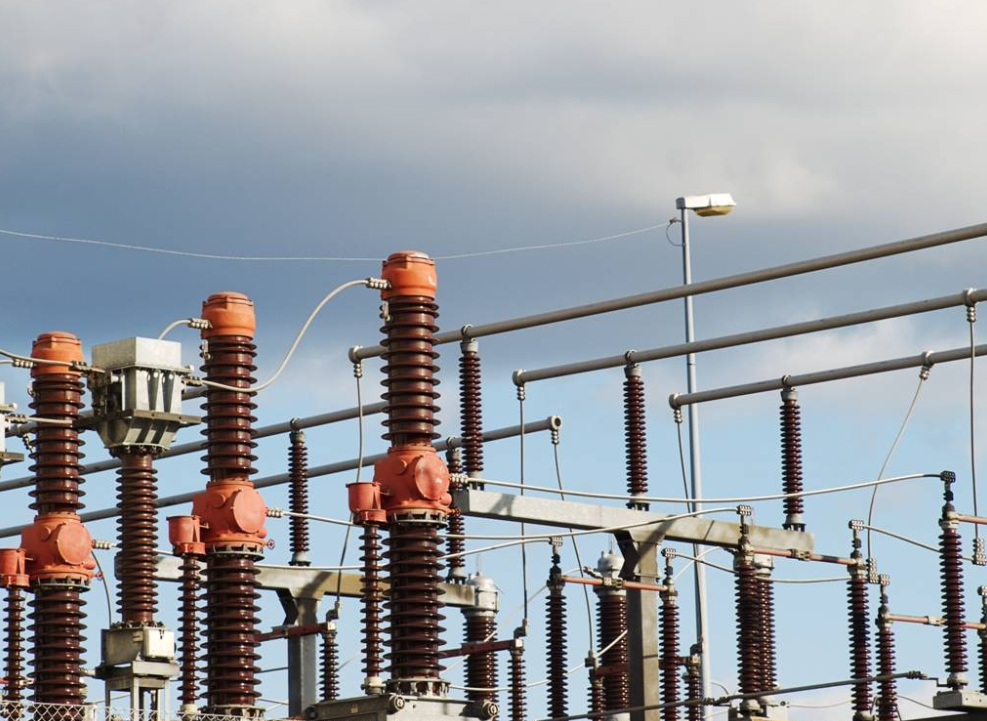
Agile Advantage Ed. 13 - From energy users to market participants: How Agile businesses are monetising flexibility
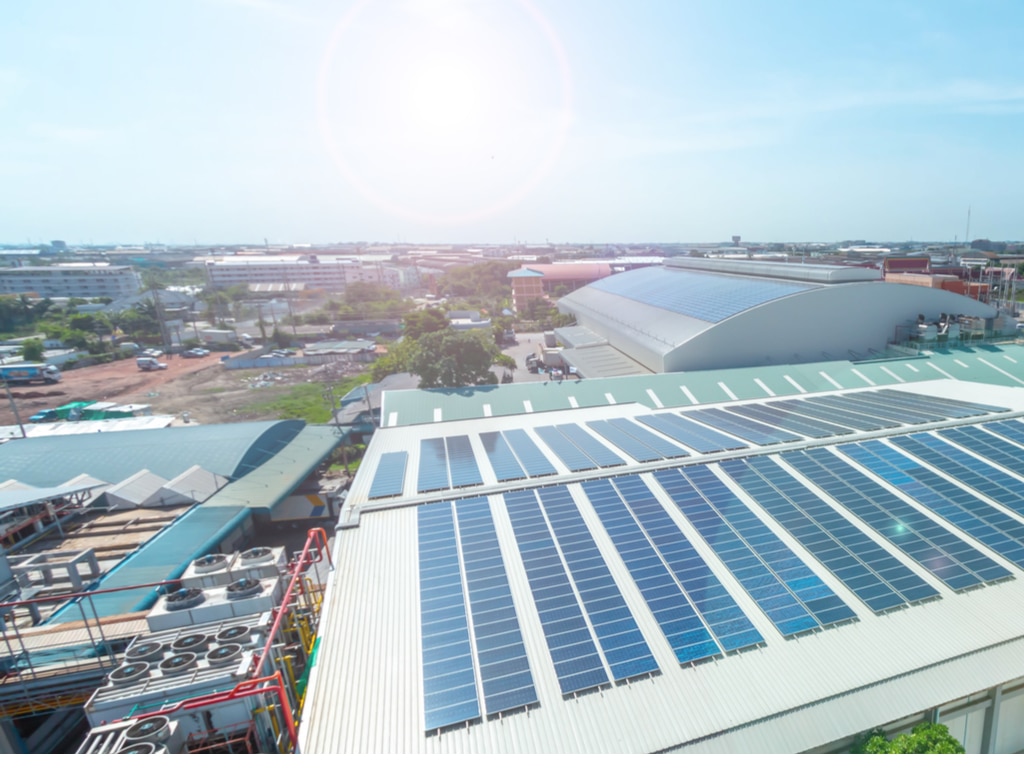
Mandatory Climate Reporting: What CFOs need to know (2026–2028)

Agile Advantage Ed. 11 - Unlocking full value from solar & storage: The business case for batteries
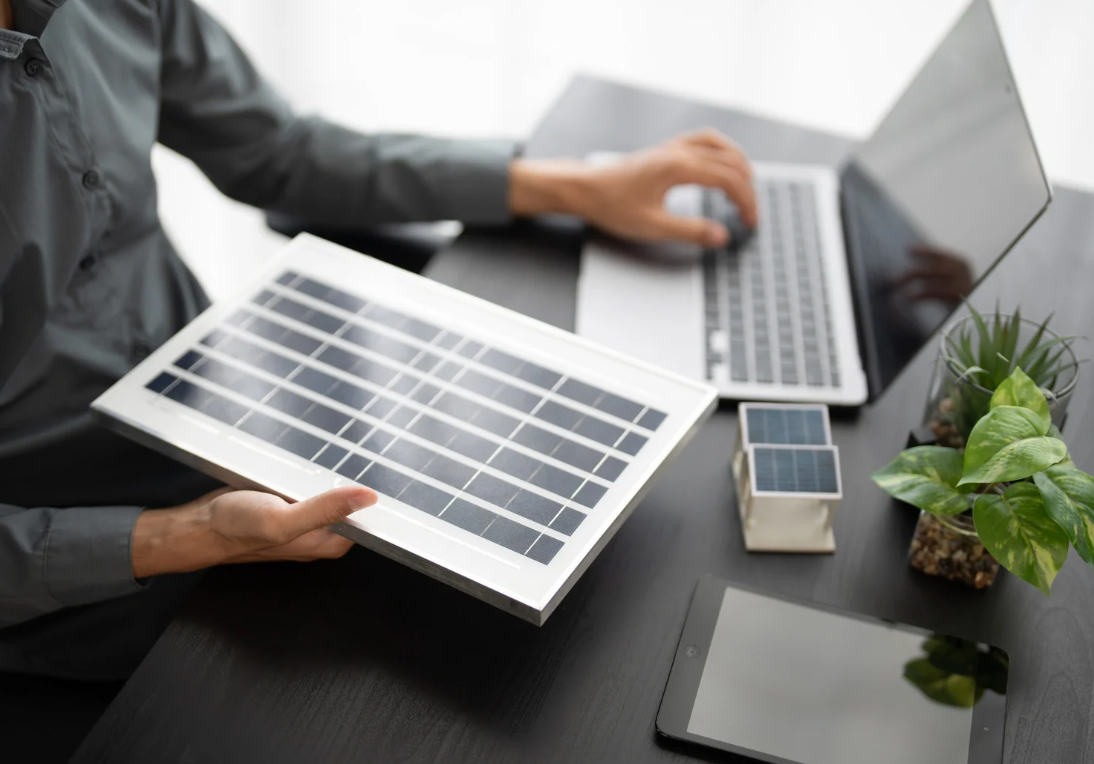
End-of-Year Energy Audit: 10 ways to start 2026 leaner and cleaner

Agile Advantage Ed. 10 - Embedded Networks 101: Turning electricity from a cost centre into a profit centre
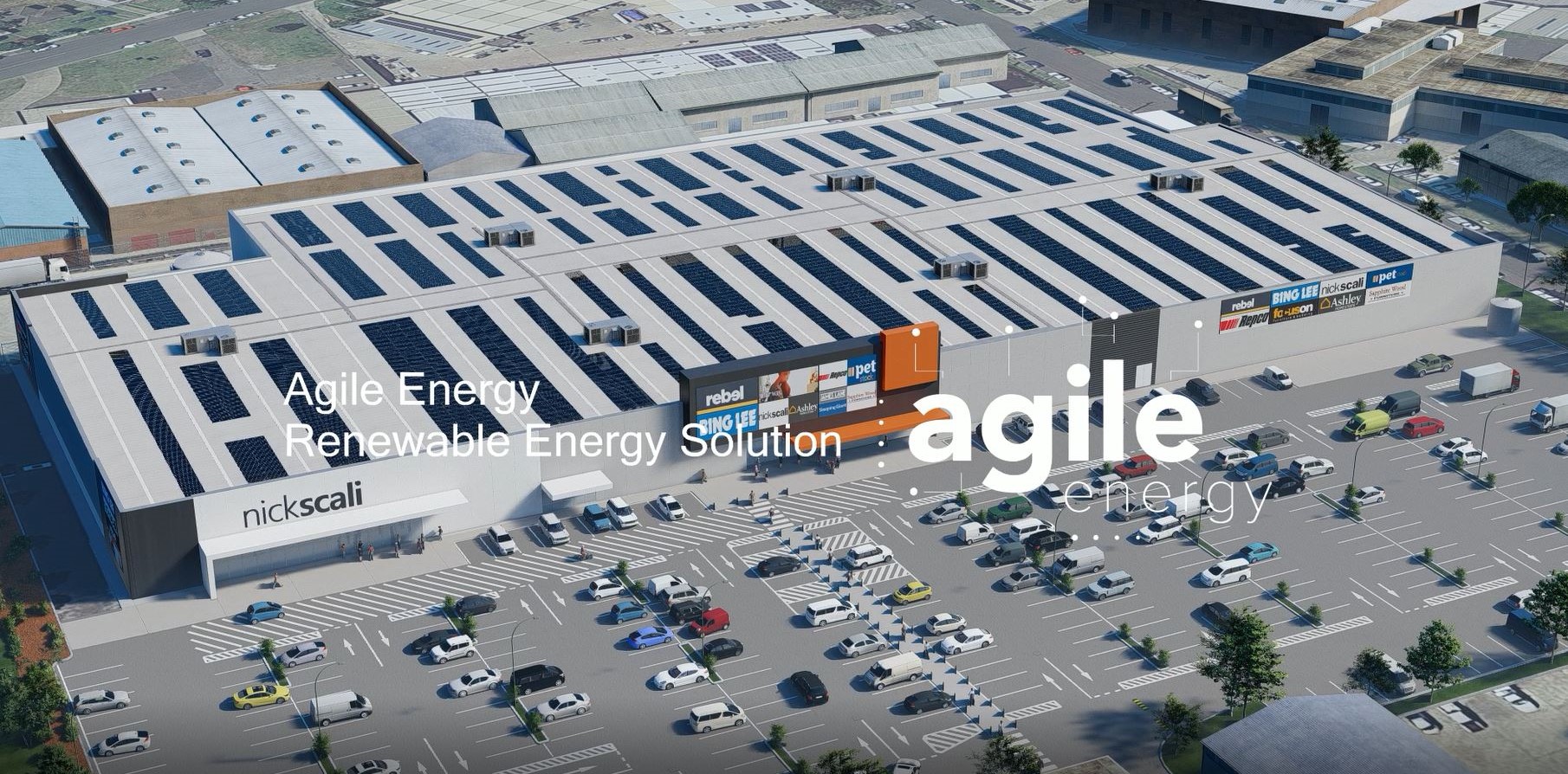
Top 5 Energy Incentives for Australian Businesses (2025)

Managing solar and battery rollouts for national portfolio
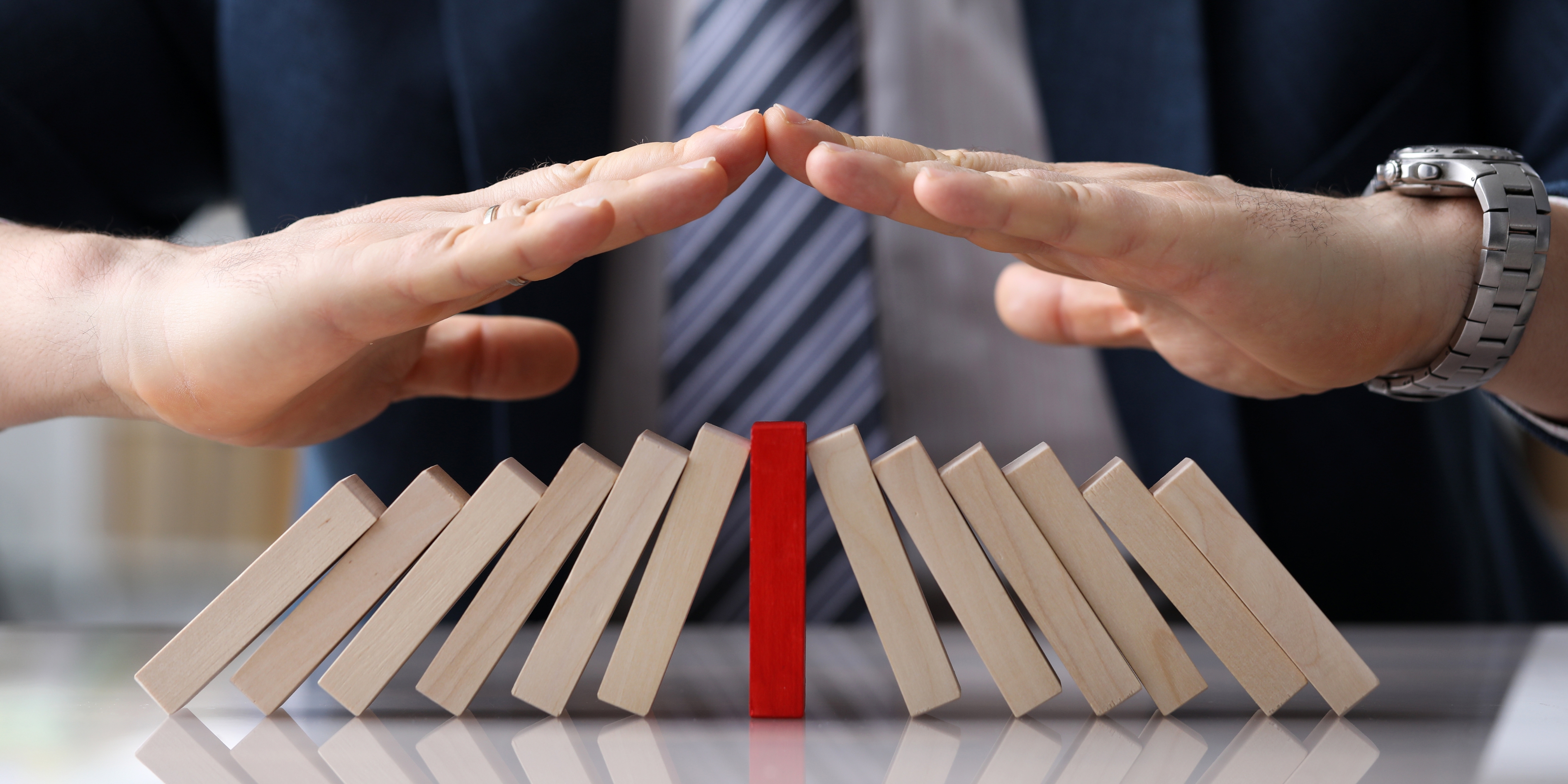
Risk management in renewables
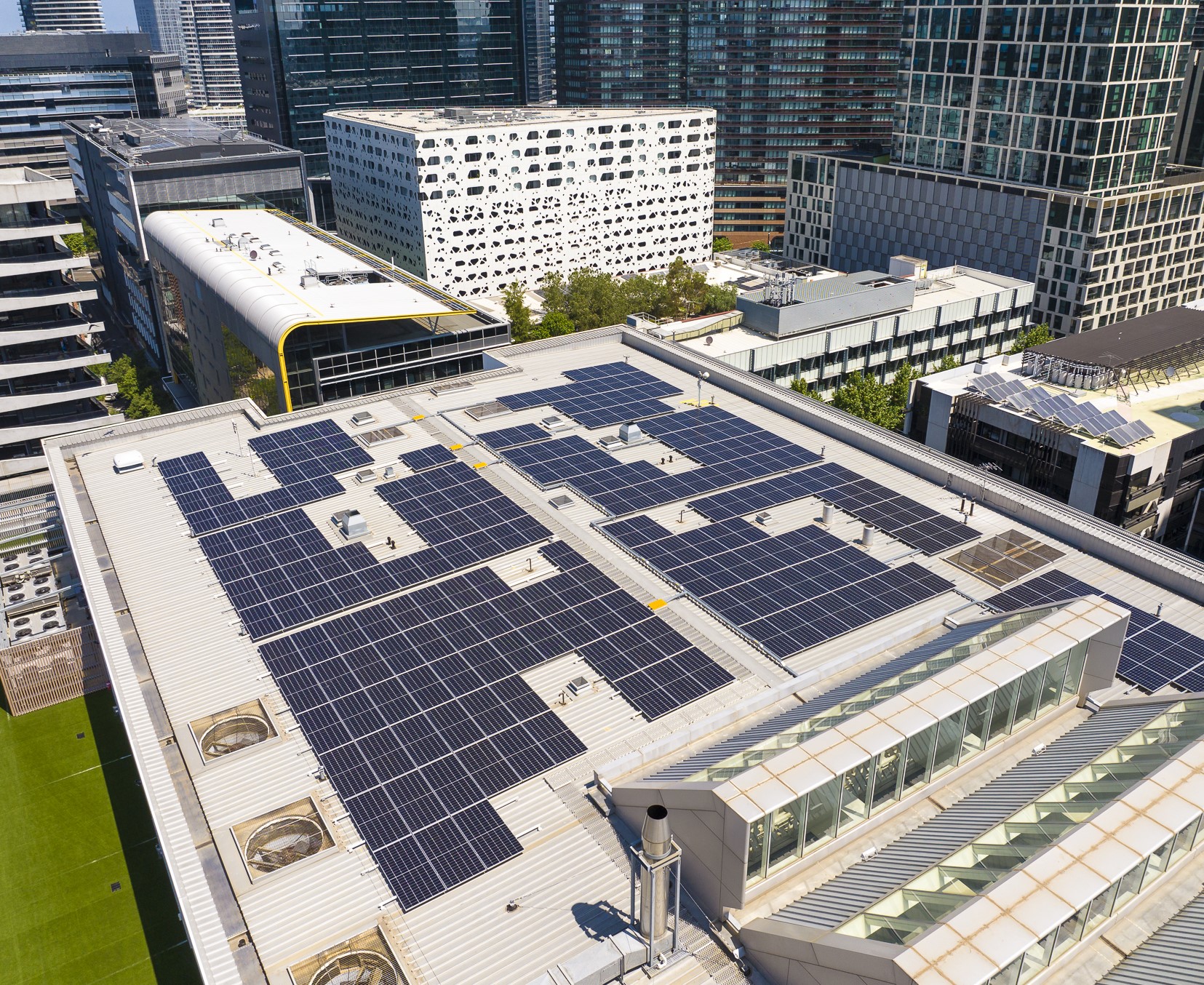
Commercial solar ROI in 2026: Maximise your business savings

Scaling SAFe in large-scale energy organisations: How executives can harness the Scaled Agile Framework (SAFe) to accelerate the energy transition

Always-On Agile operating model for Australia’s energy transition

Integrated energy & carbon strategies: A Playbook for future-proofing Australian manufacturing

Weathering the storm: Protects solar assets from heavy rainfall risk
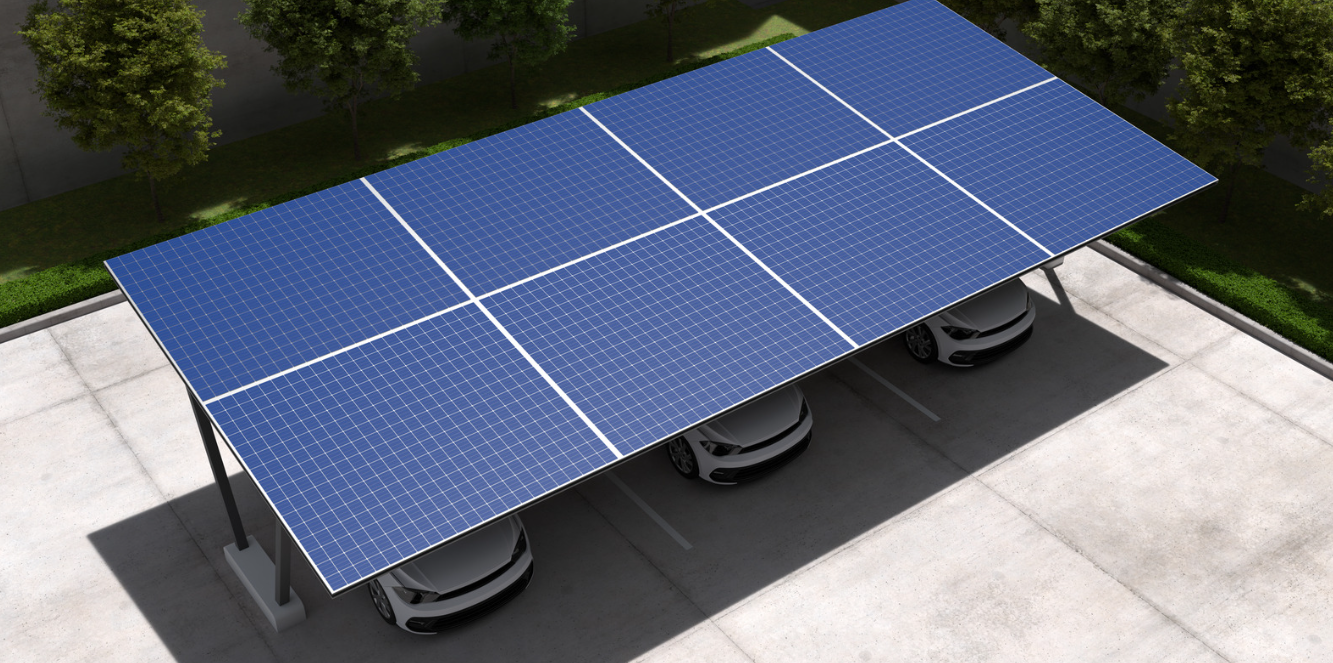
Transforming dead space into active assets: How Agile unlocks roofs, car parks, and land for revenue

Agile Advantage Ed. 9 - Why energy data is the new gold for Australian manufacturer
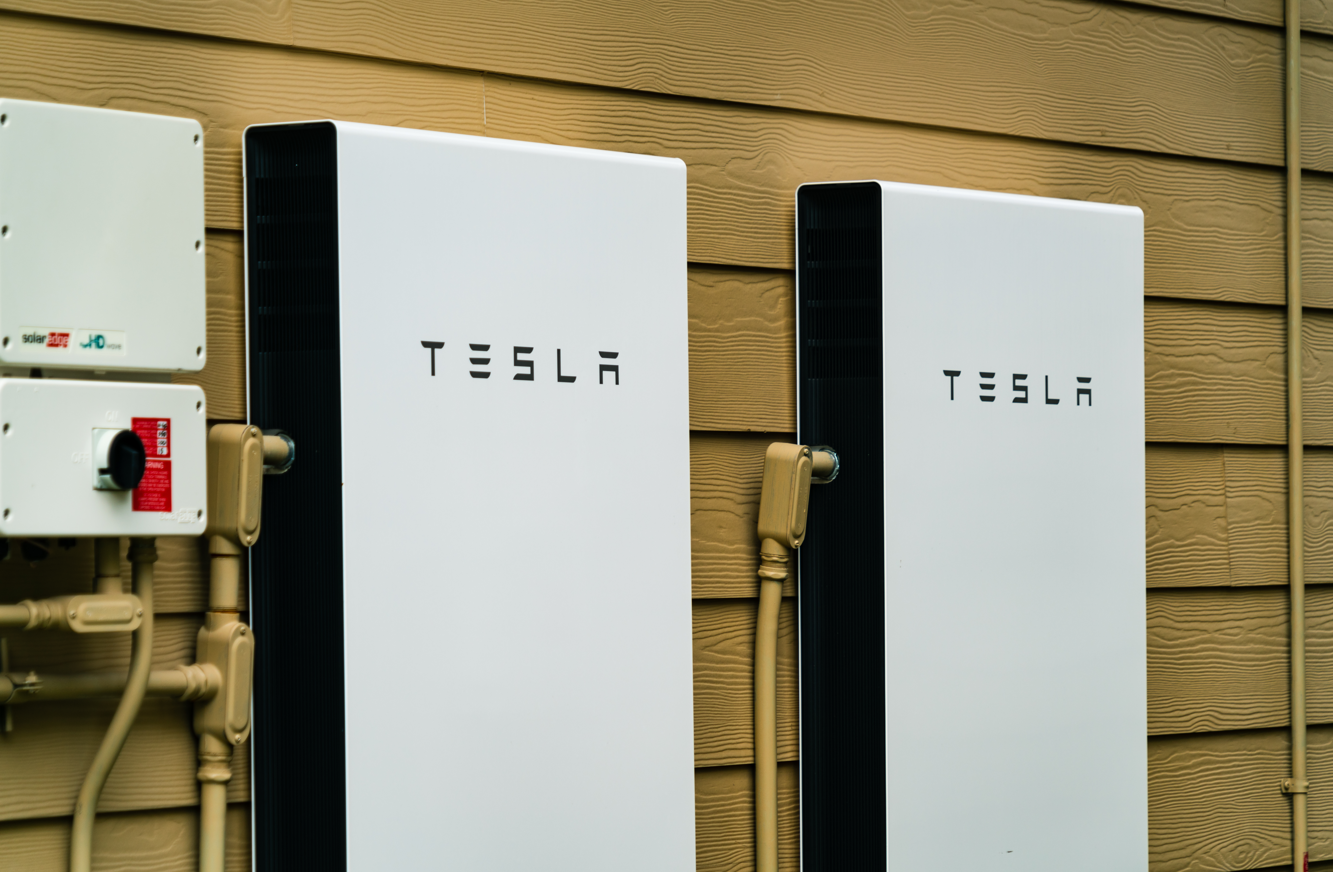
Solar Battery Rebate

Agile Advantage Ed. 8 - E is Everything: Energising Australian Businesses

Agile Advantage Ed. 7 - Riding the renewable wave: Why Australian businesses are embracing solar energy

Agile Advantage Ed. 6 - Why CFOs should prioritise renewable energy investments in 2025

Empowering Australian Businesses: Unlocking energy efficiency and sustainability

Agile Advantage Ed. 5 - Inspiring the young workforce: How rolling out renewables sparks motivation

The power of vertical integration in solar project delivery

Agile Advantage Ed. 4 - Making complex simple: Navigating the complexity of solar installations

Rising cost of insurance : Impact on solar assets

Monetising your solar assets: Converting pre-purchased systems into power purchase agreements (PPAs)

Agile Advantage Ed. 3 - The Magic of experience: Partnering for performance in renewables

Solar rooftop safety: Risk management guide

Agile Advantage Ed. 2 - Clear paths to carbon reduction: Renewables and more for Australian businesses

Agile Advantage Ed. 1 - Seven deadly sins of solar installations: Mistakes businesses must avoid

CEO's view on managing increasing energy costs

What are Small-scale technology certificates (STC)?

Carbon Accounting and your business

Join Agile Energy at the Healthcare Real Estate Summit

Carbon Projects - Where to Start?

TRADE ACCUs WITH US! From the desk of Equipoised Group
Ready to power your business with Sustainable Energy?
Let's take the first step towards a brighter and greener future.