Agile Advantage Ed.19 - The End of Cheap Diesel: What Businesses Need to Know
.jpg)
Diesel has long been the backbone of industrial and backup energy systems in Australia. Its appeal has been rooted in reliability, energy density, and historically stable pricing. That foundation is eroding.
The global diesel market is undergoing structural change, driven by shifting refining capacity, geopolitical pressures, and competition for supply. For businesses, this signals not just higher costs, but a fundamental change in how diesel can be used.
Structural Changes in Supply
Diesel is not produced in isolation; it is a product of refining crude oil. As global refining capacity evolves, particularly with closures in some regions and increased demand in others, the availability of diesel becomes more constrained.
At the same time, regulatory pressures and the transition to cleaner fuels are altering the economics of refining, reducing the incentive to maintain or expand diesel production.
Supply disruptions or price shifts in global markets are transmitted directly into domestic availability, with Australia now relying on imports for over 80% of its refined fuel needs, with domestic production limited to just two remaining refineries. This "just-in-time" supply chain means any disruption in the South China Sea or Singapore (our primary trading hub) translates to shortages within weeks.
For businesses, this isn't just about price; it's about the Minimum Stockholding Obligation (MSO), which currently only requires importers to hold approximately 33 days of diesel cover.
Cost Advantage to Uncertainty
Diesel being a predictable cost is an assumption no longer valid. Price volatility is increasing, and forward visibility is decreasing.
The era of sub-$1.60 diesel is gone. In early 2026, national average prices surged past $3.00 per litre, driven by a US$120+ per barrel global benchmark. Unlike petrol, diesel prices are increasingly detached from "normal" inflation because they are tied to Singapore Gasoil 10ppm benchmarks, which fluctuate based on global industrial demand rather than local consumer habits.
More importantly, the cost of diesel is no longer the only concern. Availability during periods of high demand or supply disruption is becoming a critical factor. The assumption that fuel can always be procured when needed is weakening.
Implications for Backup Power
The traditional model of diesel generators as a reliable fallback is being challenged. If fuel cannot be guaranteed, the concept of backup power loses its meaning. Even when fuel is available, operating generators at scale becomes increasingly expensive, particularly during extended periods of grid stress.
Businesses must additionally navigate the Liquid Fuel Emergency Act 1984, which gives the Federal Government power to ration or reallocate fuel to essential services (hospitals, emergency response) during a national shortage. If your business is not on the "essential user" list, your contracted supply can be legally diverted. Additionally, modern diesel engines now require Diesel Exhaust Fluid (DEF/AdBlue) to operate; without a parallel strategy for DEF supply, even a full tank of diesel is useless for a modern fleet.
This forces businesses to reconsider the role of diesel, not as a primary solution, but as part of a broader energy strategy.
Transitioning Away from Dependence
Reducing reliance on diesel does not mean eliminating it entirely. Instead, it involves reconfiguring systems so that diesel is used sparingly and strategically.
Businesses should move from 48-hour fuel reserves to a minimum of 7 to 14 days of on-site storage to buffer against delivery delays. This must be paired with a fuel quality management program, as stored diesel degrades and can cause filter blocking if not cycled or treated annually.
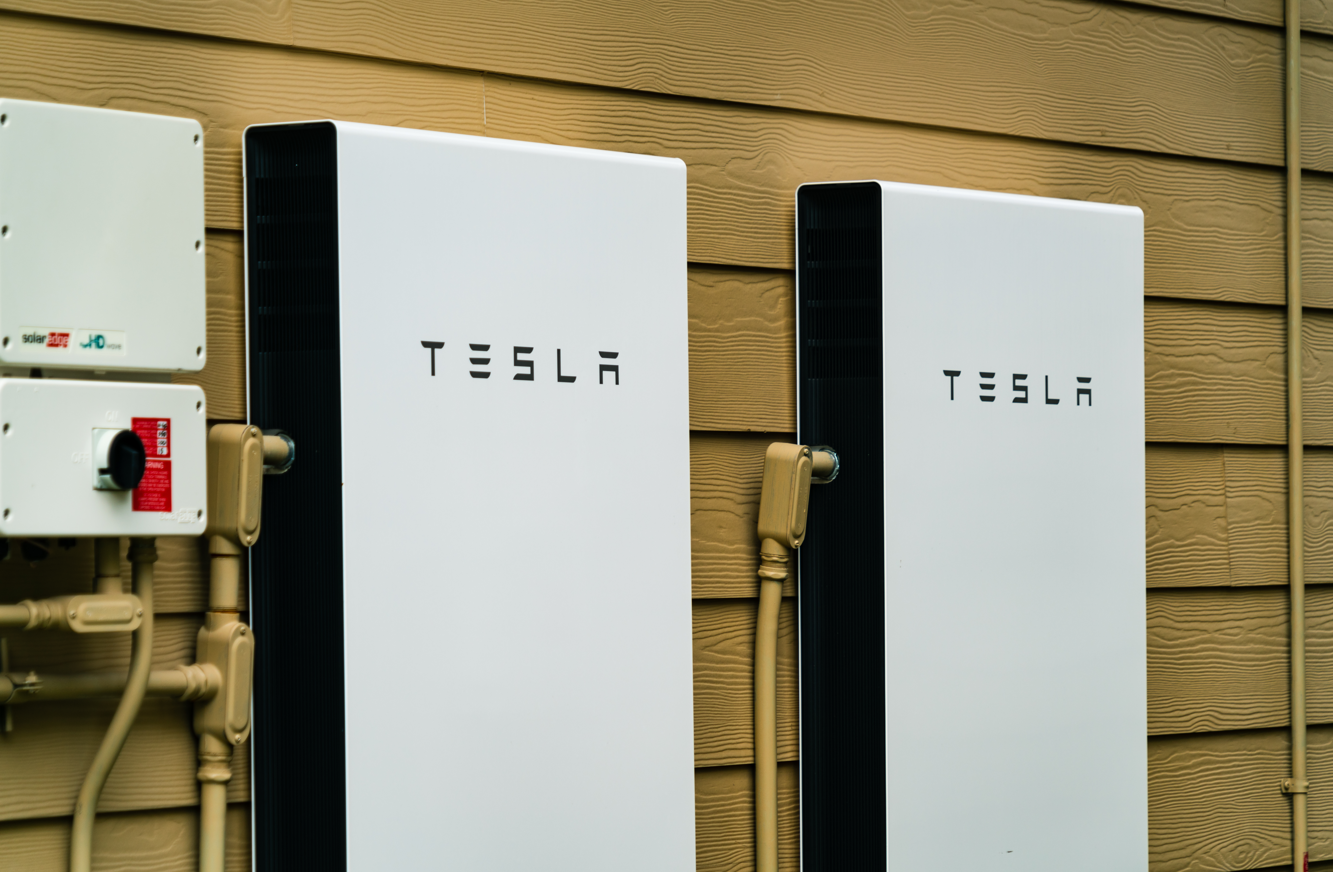
Battery storage and on-site generation can reduce the frequency and duration of generator use, preserving fuel for critical scenarios. This also improves system responsiveness, as batteries can provide instant power without the delays associated with generator startup.
Ask yourself:
• Have you confirmed if your industry is prioritised under the Liquid Fuel Emergency Act?
• Do you have a secondary supply chain for exhaust fluids, or just the fuel itself?
• Does your current storage meet the 7-day resiliency benchmark recommended for non-essential industrial sites?
Conclusion
The era of cheap and readily available diesel is ending. Businesses that continue to rely on it as a primary energy solution will face increasing risk. The challenge is not simply to manage cost, but to ensure that energy systems remain functional under conditions where diesel can no longer be assumed.

Agile Advantage Ed. 23 -Turn energy into an operating expense, not capital investment

How Big a Commercial Solar System Do I Need? A Sizing Guide for Australian Businesses
Solar and Battery vs Solar Only: When Does the Extra Cost Pay Off?
Agile Advantage Ed.22 - When Power Fails, Product Fails: Energy Resilience in Cold Chain

Agile Boardroom 7 - 2026 Energy Risk: A Framework for Reliability, Cost and Continuity
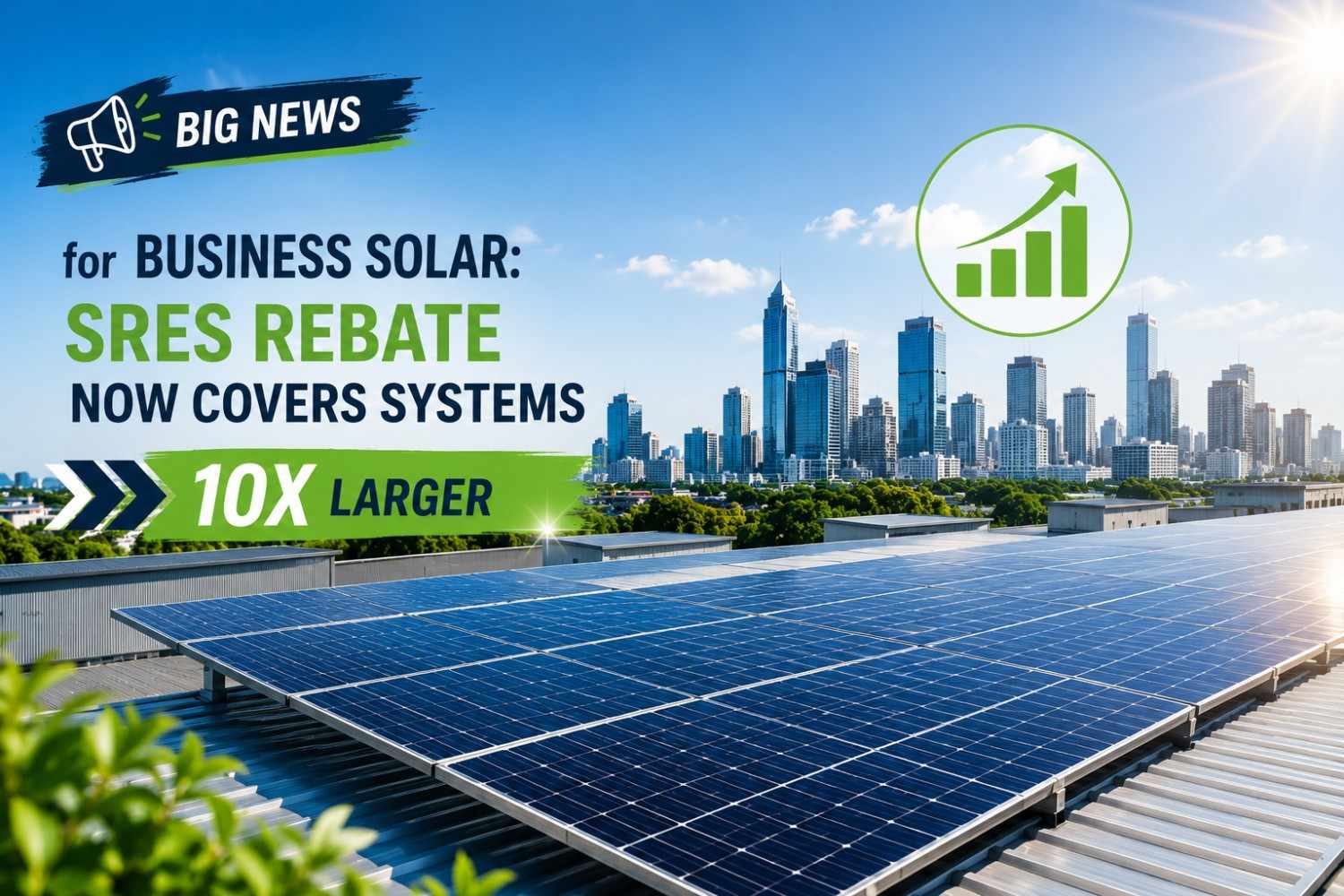
Big News for Business Solar: SRES Rebate Now Covers Systems 10x Larger

Agile Advantage Ed.21 - From Backup to Strategy: Batteries as business Continuity Infrastructure
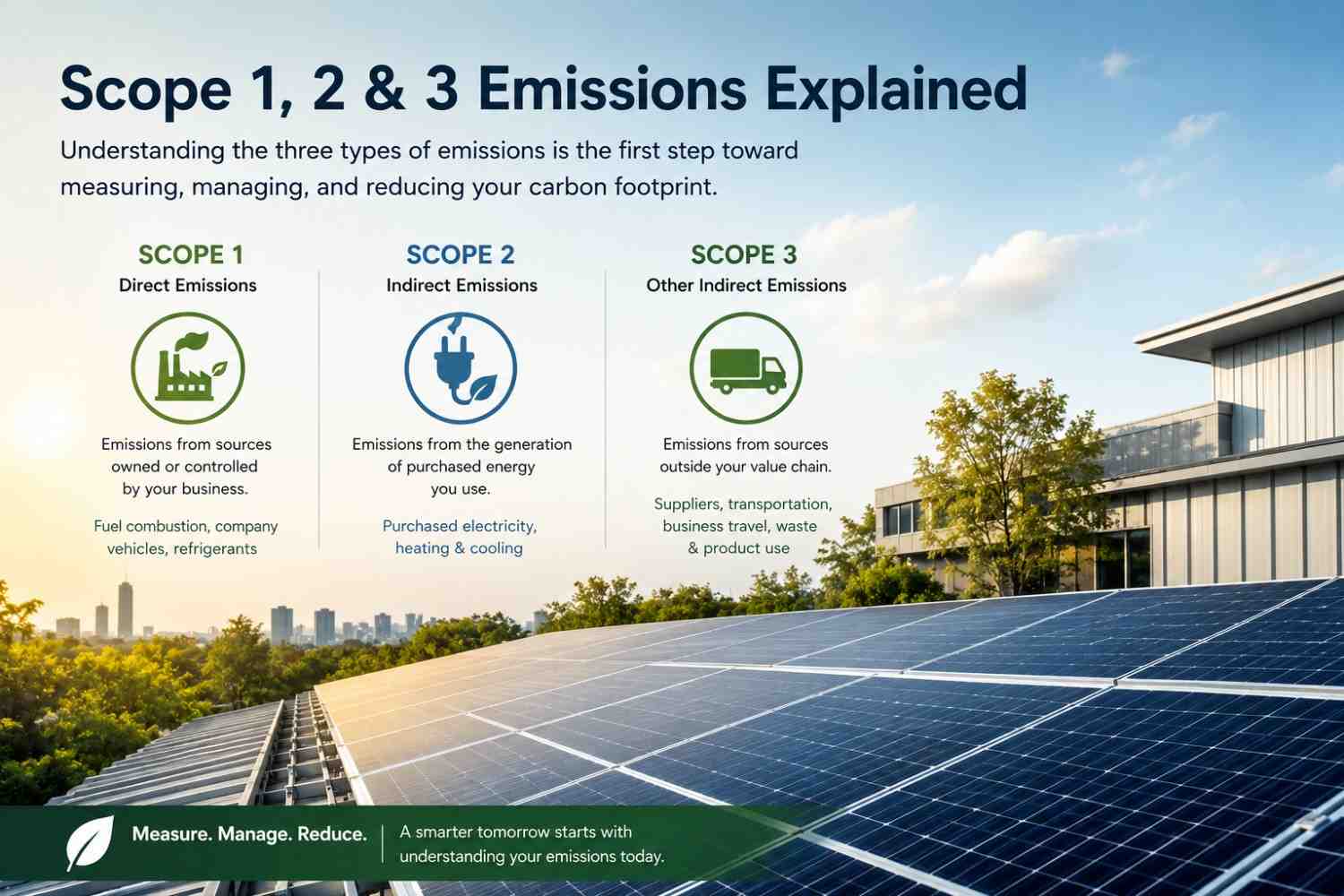
What Are Scope 1, 2 and 3 Emissions?
What Is Carbon Offsetting and Should Businesses Use It?
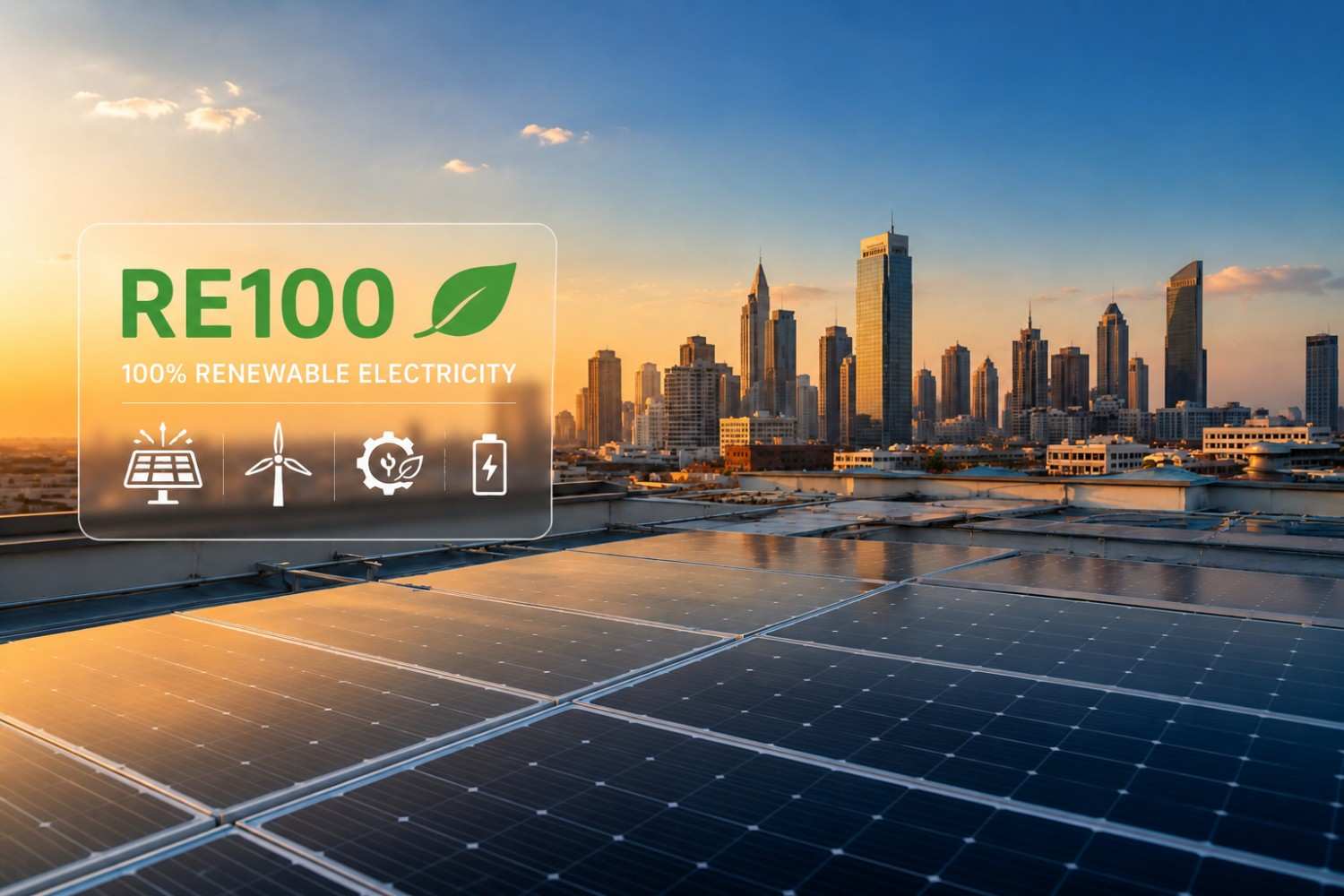
What Is RE100 and Should Your Business Join?
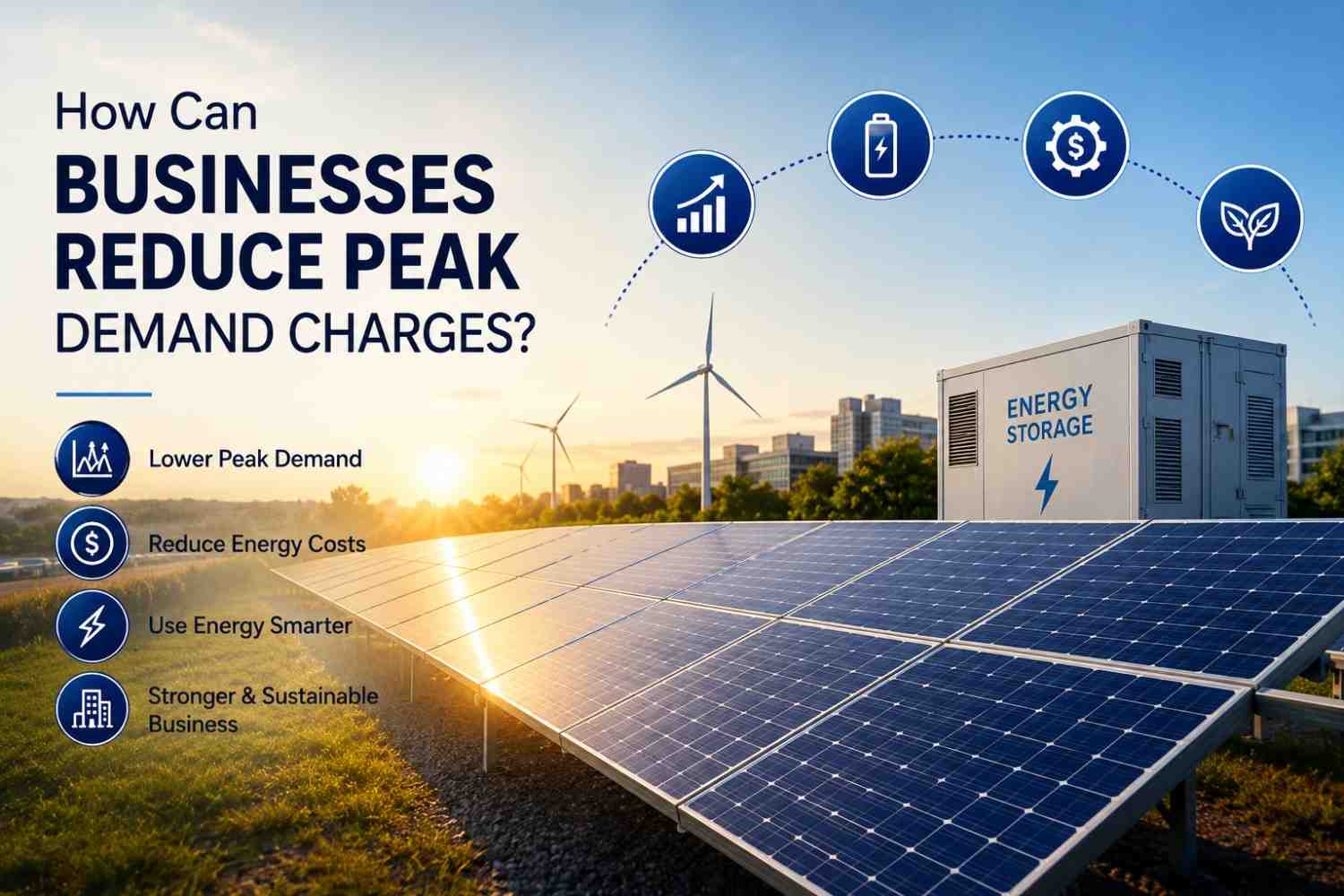
How Can Businesses Reduce Peak Demand Charges?
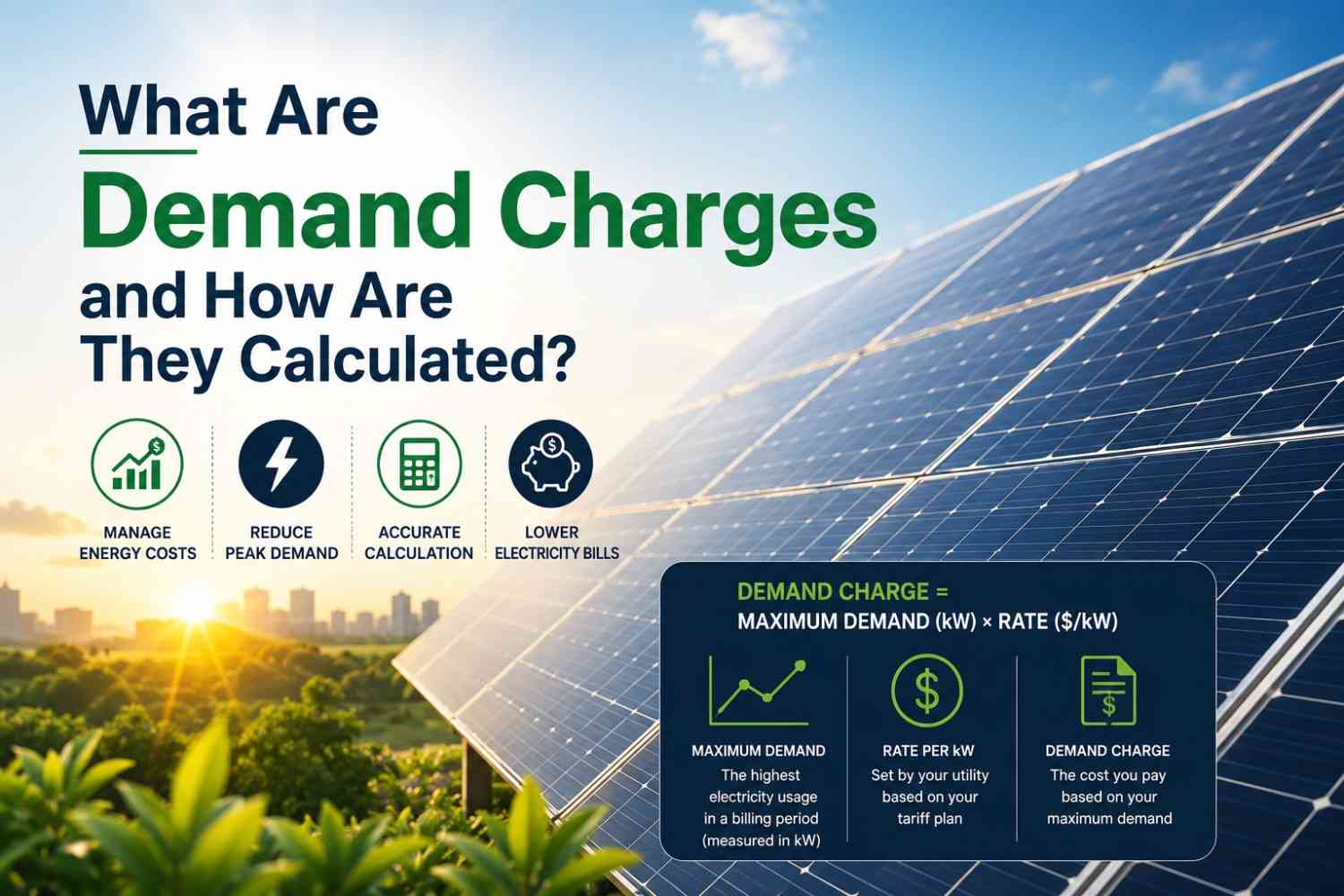
What Are Demand Charges and How Are They Calculated?
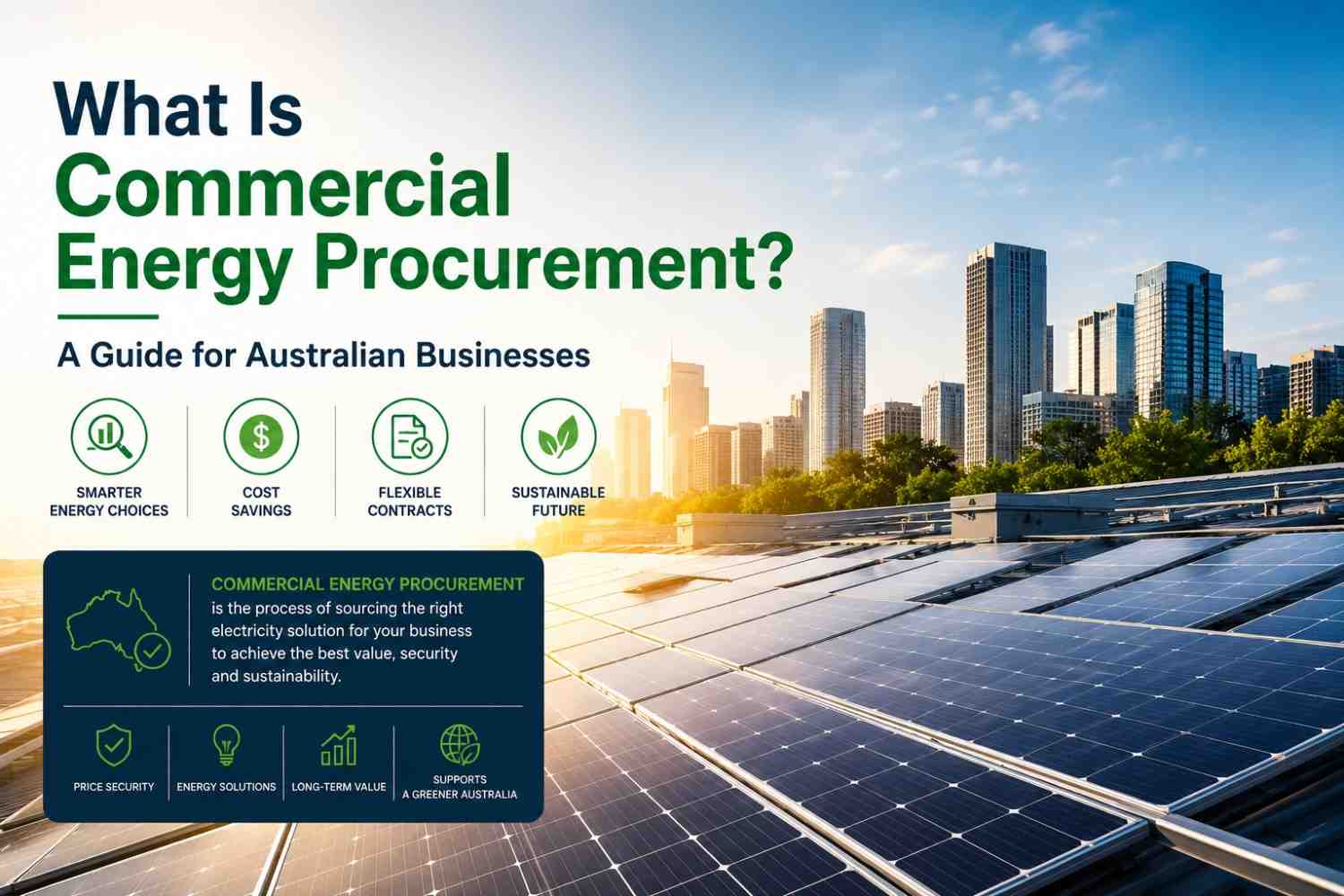
What Is Commercial Energy Procurement? A Guide for Australian Businesses

Agile Boardroom 6 - Where should capital go? Core Business vs Energy Infrastructure
Agile Advantage Ed.20 - Energy Security for Australian Businesses: Operating Through Global Instability

Is Your Business Too Dependent on the Grid? Here's What to Do
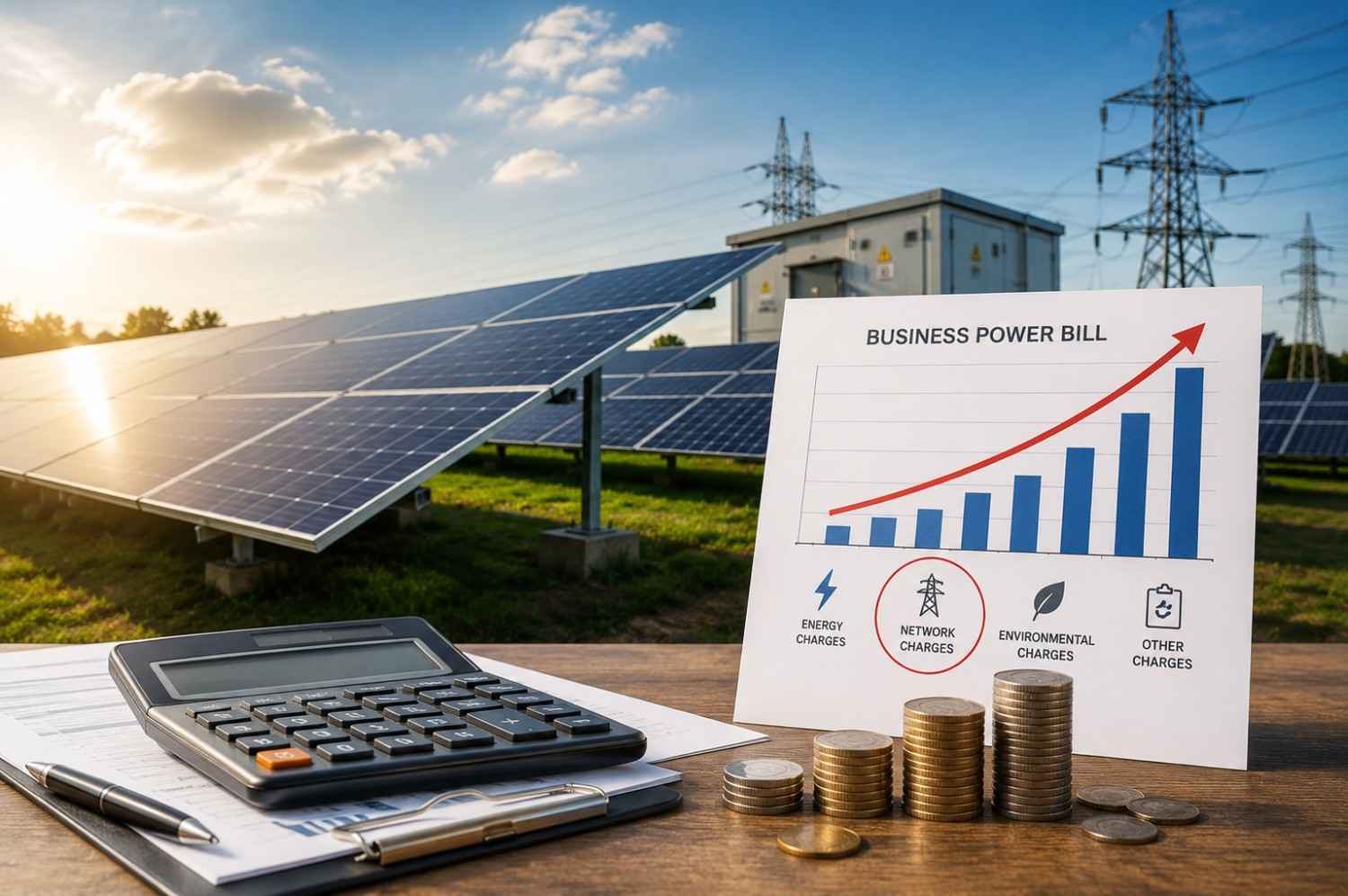
Network Charges Explained: The Fastest-Growing Cost on Your Business Power Bill

Agile Boardroom 5: Energy as competitive advantage in private equity portfolios
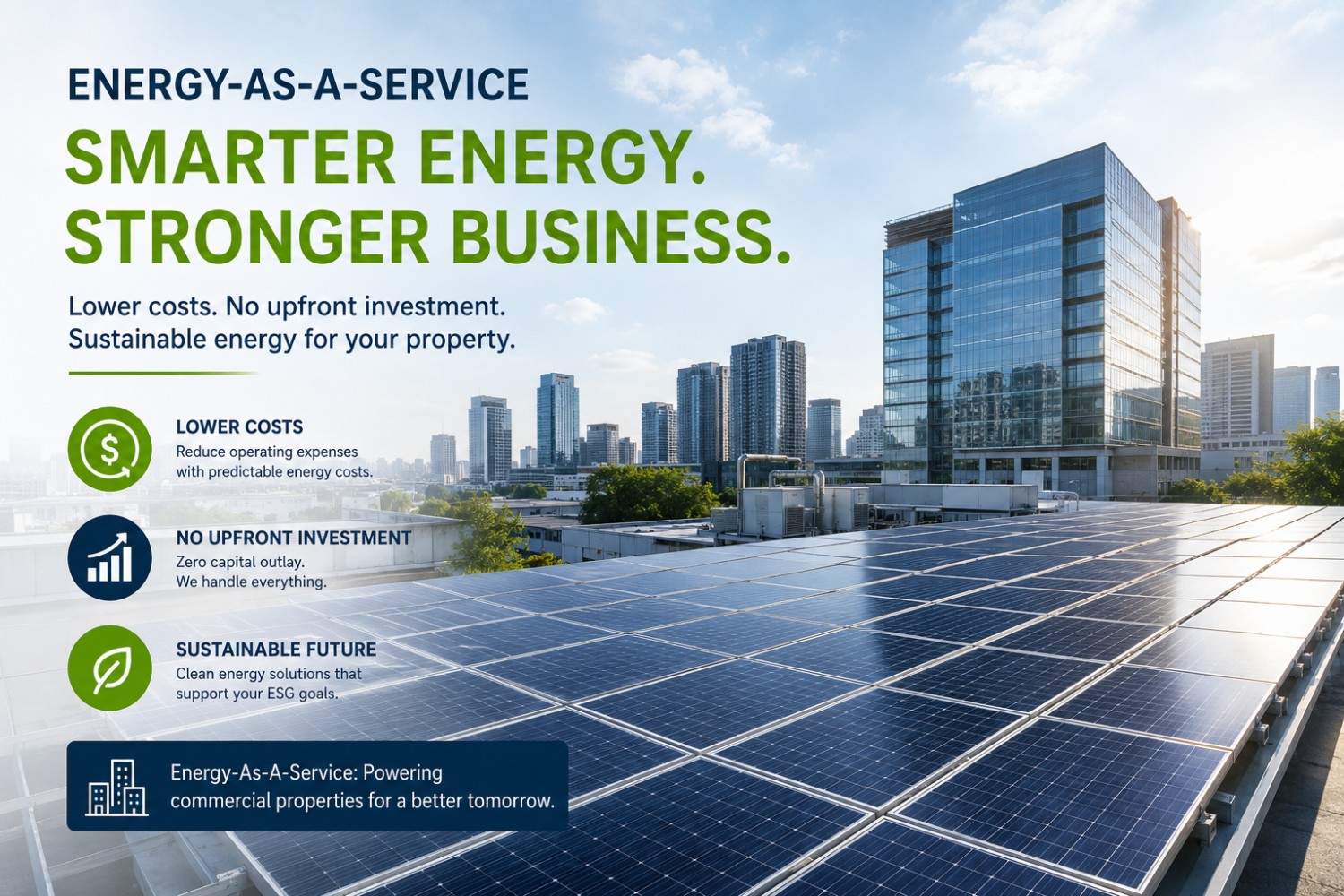
Energy-as-a-Service Explained for Commercial Property Owners

Agile Boardroom 4 - Geopolitics meets energy: What CFOs must factor into energy strategy

Agile Advantage Ed.18 - Keeping Production Running: Battery Storage for Outage Management in Manufacturing

Agile Boardroom 3 - The Bankable PPA: What Lenders, Boards and Investors actually require

Australia is experiencing a clean energy revolution as commercial and domestic landlords turn rooftops into revenue

Landlords turn to rooftop solar to yield income

Commercial landlords turning rooftops into ‘profit machines’ through solar installations

Solar PPA for Schools: Reduce Electricity Costs Without Upfront Investment
Agile Energy Featured on Business Essentials Podcast
.png)
Schools access cheaper electricity
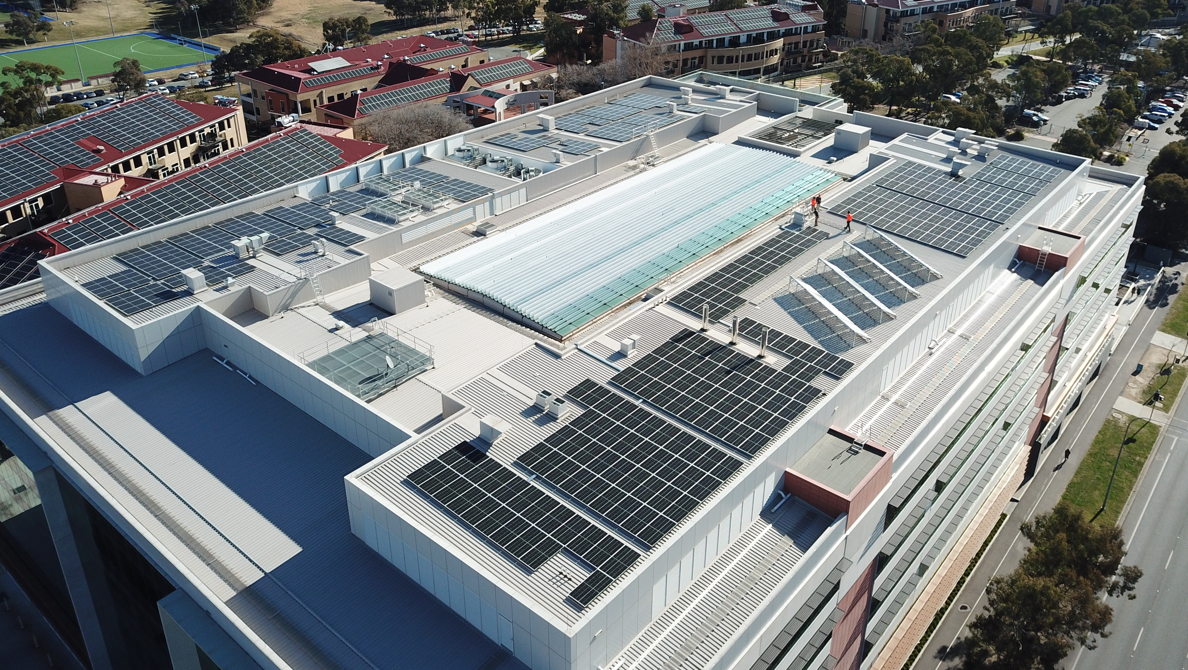
Australia undergoes a clean energy revolution as commercial and domestic landlords turn rooftops into revenue
Agile Advantage Ed.17 - Solar for Process Heat: Replacing Gas Boilers in Food and Beverage Manufacturing

5 Reasons Why Capital-Funded Solar is the Safest Energy Transition Strategy in 2026
Industrial vs Commercial Solar Systems: Which Energy Solution Is Right for Your Business?

Agile Boardroom 2 - Solar + Storage Under Tight Operating Budgets: Education & Not-for-Profit

Agile Advantage Ed. 16 - Cutting Diesel Dependency: Solar battery PPAs for remote farming operations

Agile Boardroom 1 - A Competitive Advantage in Government & Enterprise Tenders: The Decarbonised Bid

Agile Advantage Ed. 15 - Winning the war on peak prices: Load Shifting, Storage and Smart Controls for C&I

The summer surge: How to keep energy bills cool when temperature rise

Agile Advantage Ed. 14 - The 2026 solar health check: From legacy systems to strategic assets
Solar vs Grid Energy Price Escalation: 2026 Outlook
Agile Advantage Ed. 13 - From energy users to market participants: How Agile businesses are monetising flexibility
Mandatory Climate Reporting: What CFOs need to know (2026–2028)

Agile Advantage Ed. 11 - Unlocking full value from solar & storage: The business case for batteries

End-of-Year Energy Audit: 10 ways to start 2026 leaner and cleaner

Agile Advantage Ed. 10 - Embedded Networks 101: Turning electricity from a cost centre into a profit centre
Top 5 Energy Incentives for Australian Businesses (2025)

Managing solar and battery rollouts for national portfolio

Risk management in renewables
Commercial solar ROI in 2026: Maximise your business savings

Scaling SAFe in large-scale energy organisations: How executives can harness the Scaled Agile Framework (SAFe) to accelerate the energy transition

Always-On Agile operating model for Australia’s energy transition

Integrated energy & carbon strategies: A Playbook for future-proofing Australian manufacturing

Weathering the storm: Protects solar assets from heavy rainfall risk
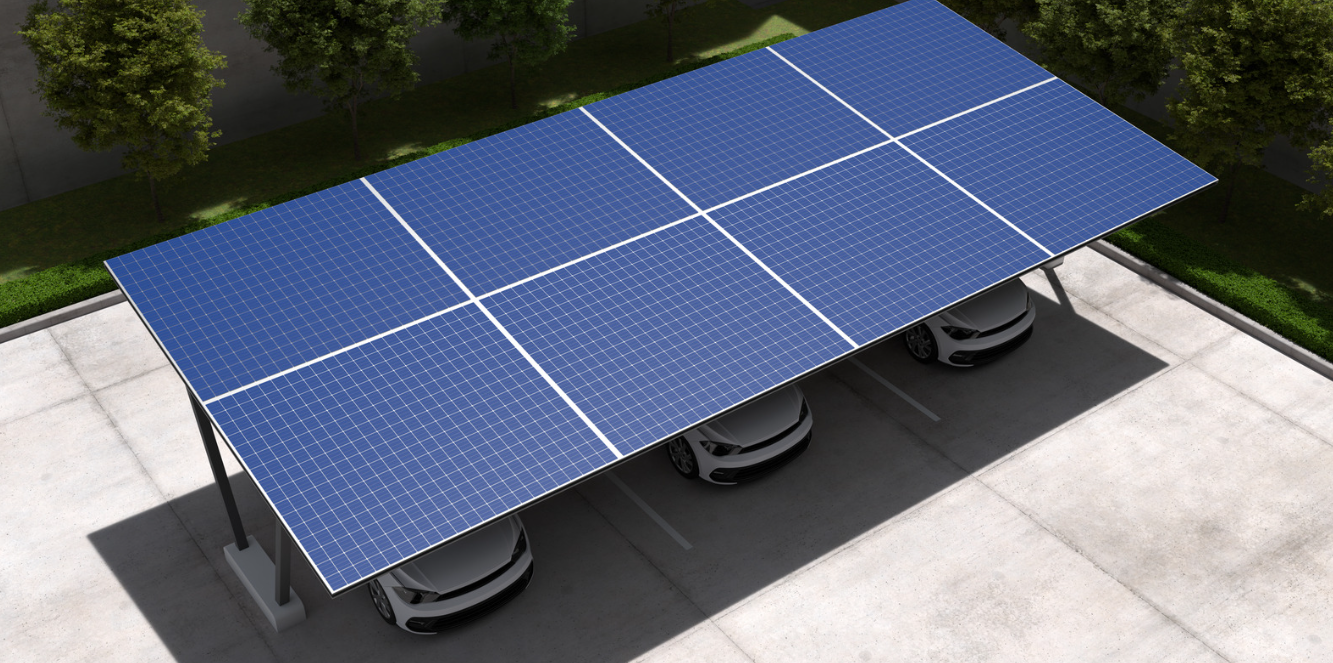
Transforming dead space into active assets: How Agile unlocks roofs, car parks, and land for revenue

Agile Advantage Ed. 9 - Why energy data is the new gold for Australian manufacturer
Solar Battery Rebate

Agile Advantage Ed. 8 - E is Everything: Energising Australian Businesses

Agile Advantage Ed. 7 - Riding the renewable wave: Why Australian businesses are embracing solar energy

Agile Advantage Ed. 6 - Why CFOs should prioritise renewable energy investments in 2025

Empowering Australian Businesses: Unlocking energy efficiency and sustainability

Agile Advantage Ed. 5 - Inspiring the young workforce: How rolling out renewables sparks motivation

The power of vertical integration in solar project delivery

Agile Advantage Ed. 4 - Making complex simple: Navigating the complexity of solar installations

Rising cost of insurance : Impact on solar assets

Monetising your solar assets: Converting pre-purchased systems into power purchase agreements (PPAs)

Agile Advantage Ed. 3 - The Magic of experience: Partnering for performance in renewables

Solar rooftop safety: Risk management guide

Agile Advantage Ed. 2 - Clear paths to carbon reduction: Renewables and more for Australian businesses

Agile Advantage Ed. 1 - Seven deadly sins of solar installations: Mistakes businesses must avoid

CEO's view on managing increasing energy costs

What are Small-scale technology certificates (STC)?

Carbon Accounting and your business

Join Agile Energy at the Healthcare Real Estate Summit

Carbon Projects - Where to Start?

TRADE ACCUs WITH US! From the desk of Equipoised Group
Ready to power your business with Sustainable Energy?
Let's take the first step towards a brighter and greener future.