What Are Demand Charges and How Are They Calculated?
.jpg)
Electricity bills for businesses may sometimes seem complicated by the presence of additional costs that are not directly linked to energy consumption. And one of such additional costs that many business owners tend to overlook is the demand charge. Knowing what it is and how to calculate it will help you manage this expense more efficiently.
The cost of electricity is determined not only by the amount of energy consumed but also by its consumption pattern. The demand charges electricity is the additional cost related to the maximum amount of power demand of a company during certain time periods. Demand charges are not related to the total amount of energy consumed (kWh) but rather to the intensity of its consumption.
Demand Charge Defined
The demand charge is one that depends on the highest amount of energy that you can use within a billing period. The measurement is usually done in short intervals of 15 minutes or 30 minutes. The utilities use demand charges since they have to build enough infrastructure to handle the highest loads even if they last only for a few minutes.
Demand charge for businesses can therefore be said to arise from spikes in use; even a small spike due to switching on all the machinery at once will make your total bill much higher. Demand charges business electricity may thus be a huge part of an industry or manufacturing unit's costs.
kW vs kVA vs kWh (The Difference That Confuses Businesses)
It is crucial to understand the terminology for effective electricity cost management:
kWh (kilowatt-hour): Represents the energy used over a period of time.
kW (kilowatt): Indicates the amount of real power used at a particular instance of time.
kVA (kilovolt-ampere): Indicates the amount of apparent power that includes inefficiencies.
The difference between kW and kVA demand arises from the calculation of demand by utility companies. kW represents real power, while kVA accounts for reactive power that results from the inefficiency of the system, such as a low power factor. In other words, an inefficient system will attract high charges despite using little power.
How Demand Charges Are Calculated
Knowing how are demand charges calculated assists companies in knowing where savings can be made.
Peak Demand Window
The utilities monitor your peak demand by measuring your highest usage within a certain interval, usually during specific peak times. The name for this time frame is the peak demand window, which is very significant when it comes to calculating your demand charge.
$/kVA or $/kW Rate
The demand charge will be calculated using the formula of multiplying your peak demand by a certain rate depending on the tariff, which could either be kW or kVA demand charge.
Ratchet / Anytime Maximum Demand
A ratchet clause is applied to some tariffs where the demand charge will not be calculated using your demand for only the month, but rather on the maximum demand that has been registered in the previous few months.
What Drives High Demand?
There are several operational factors that can cause your maximum demand to be more than you expected.
Equipment start-up spikes: Equipment like compressors and motors draw high power when starting.
Simultaneous usage: The larger the number of heavy-duty equipment running at the same time, the higher the maximum demand.
Poor power factor: Inefficient electrical systems lead to higher apparent power usage.
The above factors influence peak demand cost, and that is why you should monitor them.
How to Reduce Demand Charges
Reducing demand charges involves both operations techniques and intelligent energy management techniques:
Load staggering: Ensure you do not turn on all machinery at once, as load scheduling can help reduce peak demand considerably.
Peak demand management: Peak demand management through monitoring systems can be useful in identifying and managing spikes in demand.
Power factor correction (PFC): Efficient use can help reduce the need for excess kVA demand.
Solar integration: A commercial solar installation can help reduce dependence on the grid during peak periods.
Battery systems: The use of solar power battery storage enables companies to store energy and use it during peak periods.
Flexible energy contracts: Collaborating with industry experts such as Agile Energy can help firms implement smart procurement practices.
In certain instances, companies may also opt for a structured solution, such as a power purchase agreement Australia. This enables them to take advantage of renewable energy without making any initial investments. Moreover, government solar rebates and asset-backed solar and battery solutions may help lower energy costs in the long run. Meanwhile, it helps boost sustainability, which is crucial in today’s time.

Agile Advantage Ed. 23 -Turn energy into an operating expense, not capital investment

How Big a Commercial Solar System Do I Need? A Sizing Guide for Australian Businesses
Solar and Battery vs Solar Only: When Does the Extra Cost Pay Off?

Agile Advantage Ed.22 - When Power Fails, Product Fails: Energy Resilience in Cold Chain

Agile Boardroom 7 - 2026 Energy Risk: A Framework for Reliability, Cost and Continuity
Big News for Business Solar: SRES Rebate Now Covers Systems 10x Larger

Agile Advantage Ed.21 - From Backup to Strategy: Batteries as business Continuity Infrastructure

What Are Scope 1, 2 and 3 Emissions?

What Is Carbon Offsetting and Should Businesses Use It?
What Is RE100 and Should Your Business Join?
How Can Businesses Reduce Peak Demand Charges?
What Is Commercial Energy Procurement? A Guide for Australian Businesses

Agile Boardroom 6 - Where should capital go? Core Business vs Energy Infrastructure

Agile Advantage Ed.20 - Energy Security for Australian Businesses: Operating Through Global Instability

Is Your Business Too Dependent on the Grid? Here's What to Do
Network Charges Explained: The Fastest-Growing Cost on Your Business Power Bill

Agile Boardroom 5: Energy as competitive advantage in private equity portfolios

Agile Advantage Ed.19 - The End of Cheap Diesel: What Businesses Need to Know
Energy-as-a-Service Explained for Commercial Property Owners

Agile Boardroom 4 - Geopolitics meets energy: What CFOs must factor into energy strategy

Agile Advantage Ed.18 - Keeping Production Running: Battery Storage for Outage Management in Manufacturing

Agile Boardroom 3 - The Bankable PPA: What Lenders, Boards and Investors actually require

Australia is experiencing a clean energy revolution as commercial and domestic landlords turn rooftops into revenue

Landlords turn to rooftop solar to yield income

Commercial landlords turning rooftops into ‘profit machines’ through solar installations

Solar PPA for Schools: Reduce Electricity Costs Without Upfront Investment
Agile Energy Featured on Business Essentials Podcast
.png)
Schools access cheaper electricity
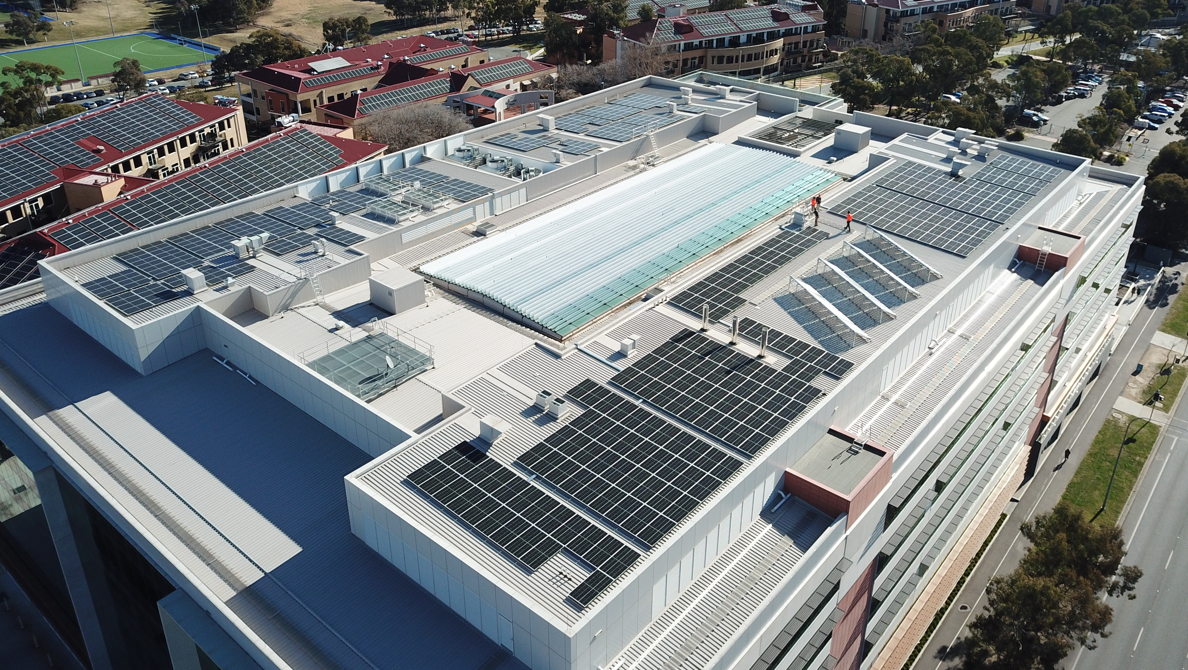
Australia undergoes a clean energy revolution as commercial and domestic landlords turn rooftops into revenue
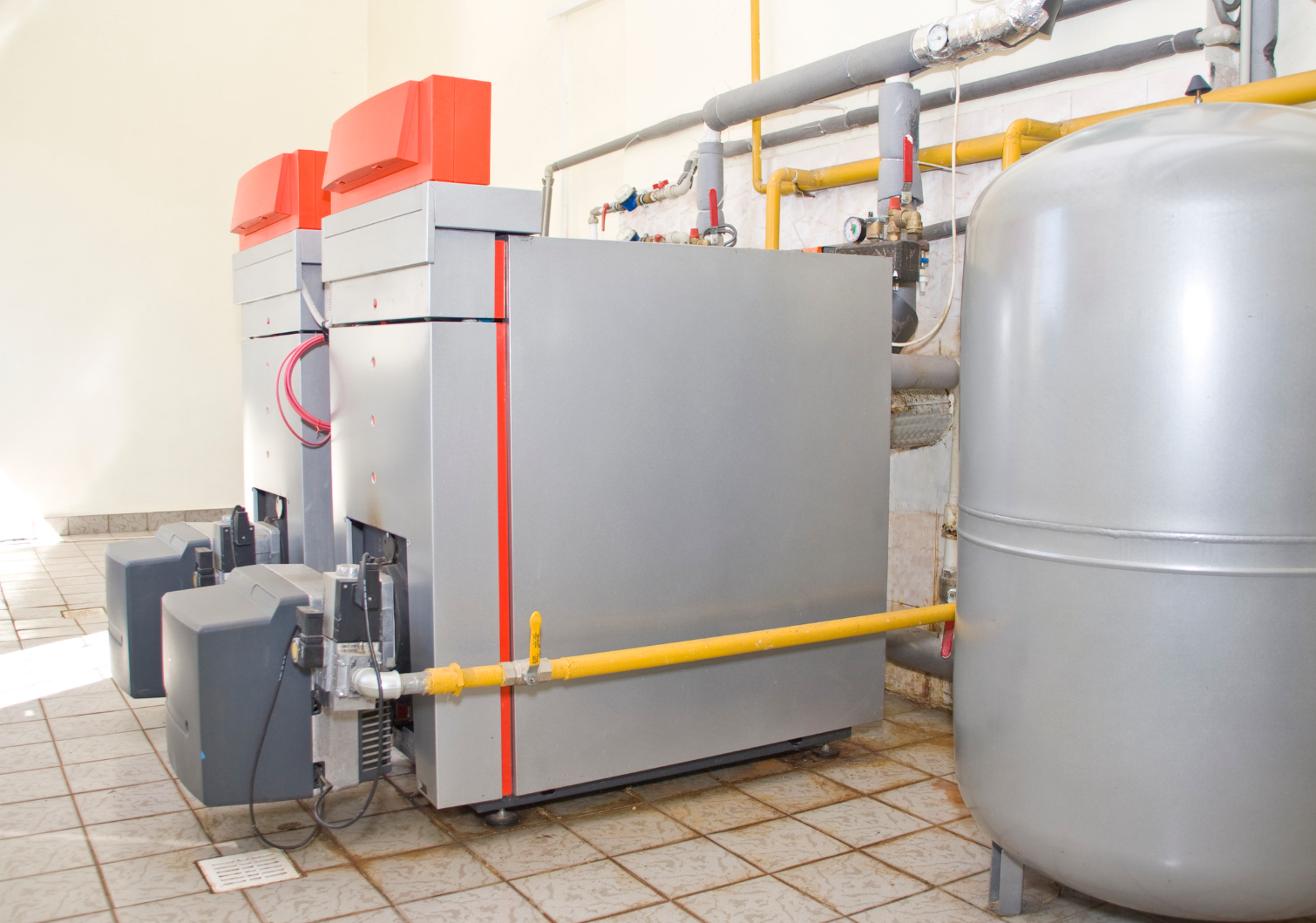
Agile Advantage Ed.17 - Solar for Process Heat: Replacing Gas Boilers in Food and Beverage Manufacturing

5 Reasons Why Capital-Funded Solar is the Safest Energy Transition Strategy in 2026

Industrial vs Commercial Solar Systems: Which Energy Solution Is Right for Your Business?

Agile Boardroom 2 - Solar + Storage Under Tight Operating Budgets: Education & Not-for-Profit

Agile Advantage Ed. 16 - Cutting Diesel Dependency: Solar battery PPAs for remote farming operations

Agile Boardroom 1 - A Competitive Advantage in Government & Enterprise Tenders: The Decarbonised Bid

Agile Advantage Ed. 15 - Winning the war on peak prices: Load Shifting, Storage and Smart Controls for C&I

The summer surge: How to keep energy bills cool when temperature rise

Agile Advantage Ed. 14 - The 2026 solar health check: From legacy systems to strategic assets
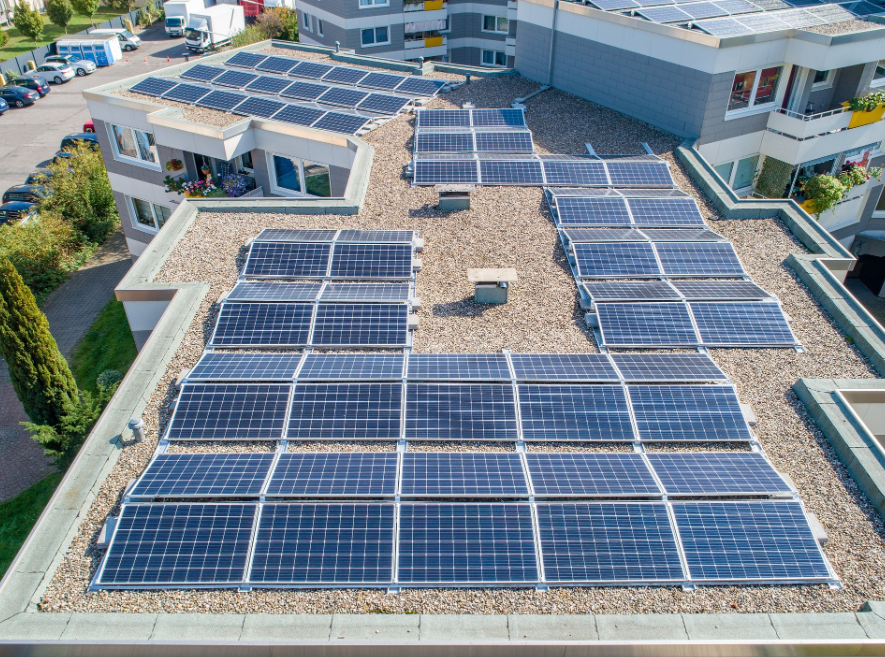
Solar vs Grid Energy Price Escalation: 2026 Outlook
Agile Advantage Ed. 13 - From energy users to market participants: How Agile businesses are monetising flexibility
Mandatory Climate Reporting: What CFOs need to know (2026–2028)

Agile Advantage Ed. 11 - Unlocking full value from solar & storage: The business case for batteries

End-of-Year Energy Audit: 10 ways to start 2026 leaner and cleaner

Agile Advantage Ed. 10 - Embedded Networks 101: Turning electricity from a cost centre into a profit centre
Top 5 Energy Incentives for Australian Businesses (2025)

Managing solar and battery rollouts for national portfolio

Risk management in renewables
Commercial solar ROI in 2026: Maximise your business savings

Scaling SAFe in large-scale energy organisations: How executives can harness the Scaled Agile Framework (SAFe) to accelerate the energy transition

Always-On Agile operating model for Australia’s energy transition

Integrated energy & carbon strategies: A Playbook for future-proofing Australian manufacturing

Weathering the storm: Protects solar assets from heavy rainfall risk
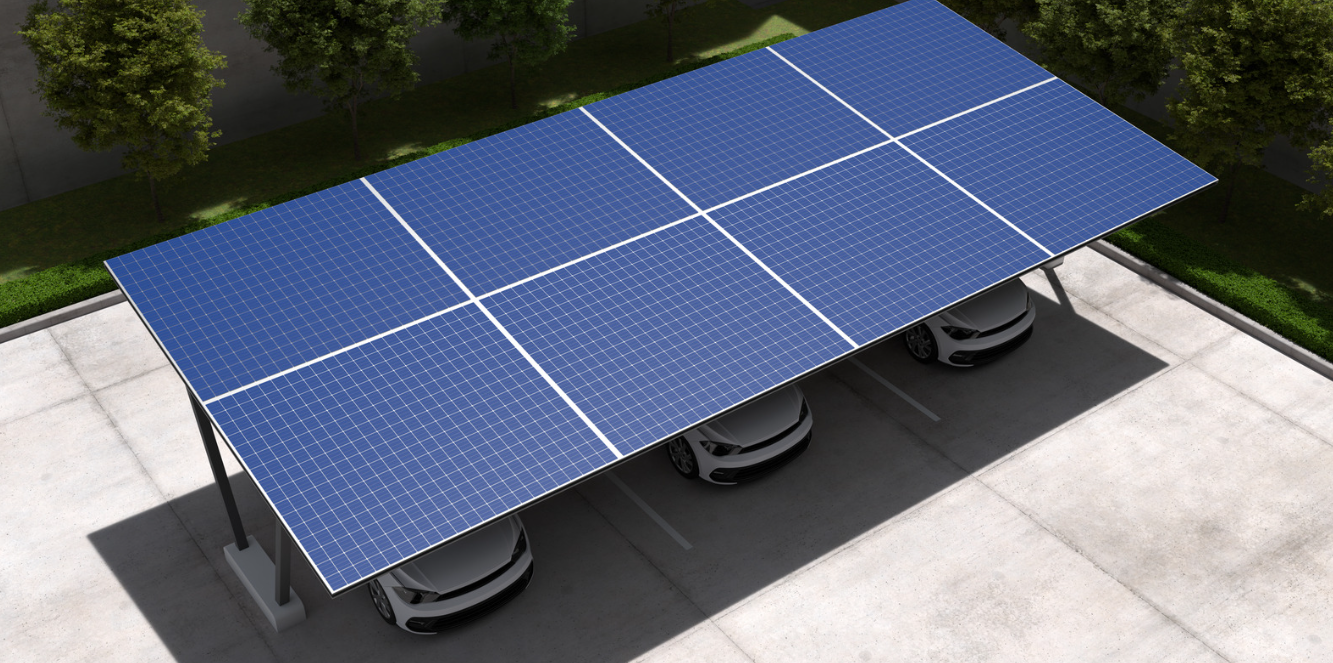
Transforming dead space into active assets: How Agile unlocks roofs, car parks, and land for revenue

Agile Advantage Ed. 9 - Why energy data is the new gold for Australian manufacturer
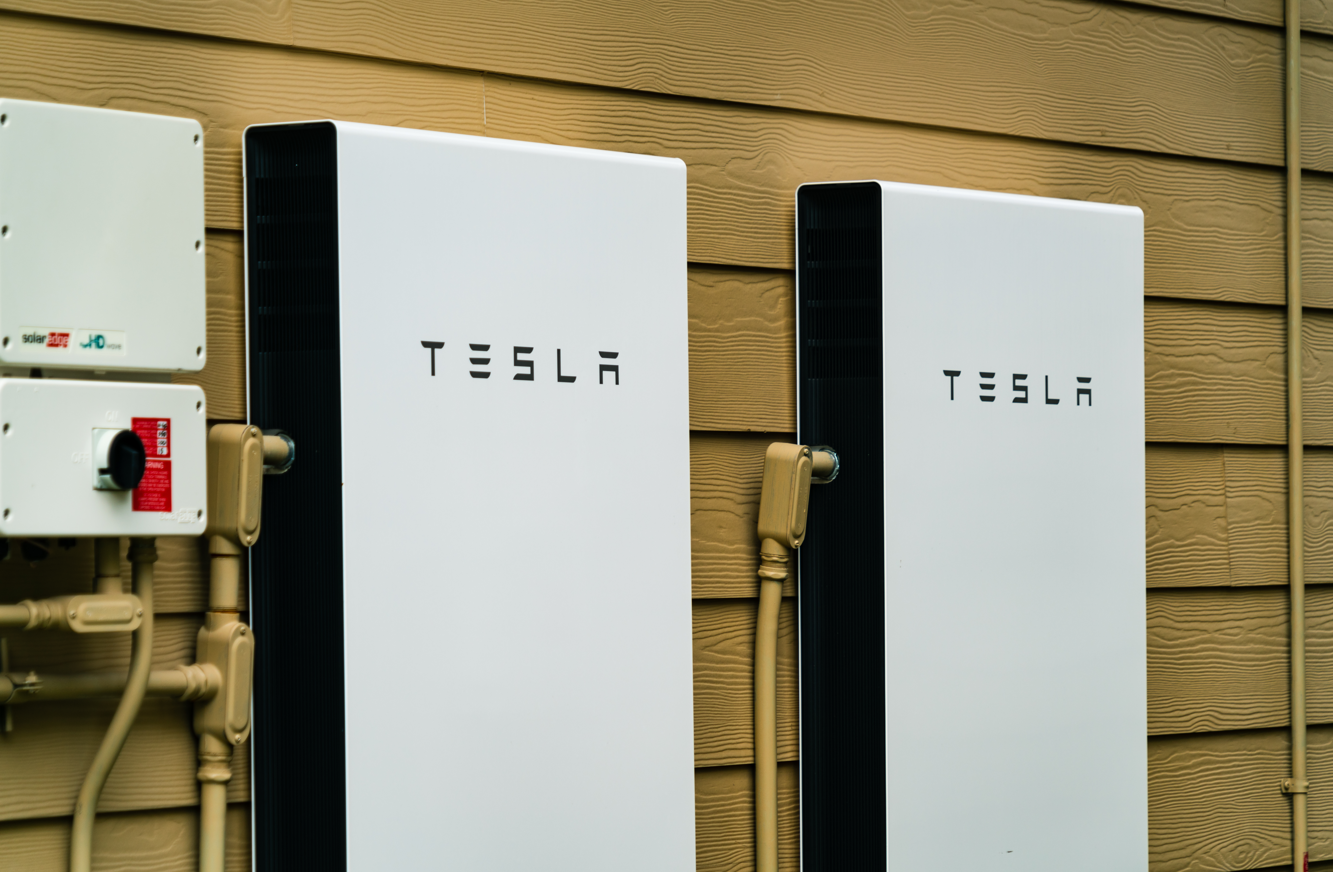
Solar Battery Rebate

Agile Advantage Ed. 8 - E is Everything: Energising Australian Businesses

Agile Advantage Ed. 7 - Riding the renewable wave: Why Australian businesses are embracing solar energy

Agile Advantage Ed. 6 - Why CFOs should prioritise renewable energy investments in 2025

Empowering Australian Businesses: Unlocking energy efficiency and sustainability

Agile Advantage Ed. 5 - Inspiring the young workforce: How rolling out renewables sparks motivation

The power of vertical integration in solar project delivery

Agile Advantage Ed. 4 - Making complex simple: Navigating the complexity of solar installations

Rising cost of insurance : Impact on solar assets

Monetising your solar assets: Converting pre-purchased systems into power purchase agreements (PPAs)

Agile Advantage Ed. 3 - The Magic of experience: Partnering for performance in renewables

Solar rooftop safety: Risk management guide

Agile Advantage Ed. 2 - Clear paths to carbon reduction: Renewables and more for Australian businesses

Agile Advantage Ed. 1 - Seven deadly sins of solar installations: Mistakes businesses must avoid

CEO's view on managing increasing energy costs

What are Small-scale technology certificates (STC)?

Carbon Accounting and your business

Join Agile Energy at the Healthcare Real Estate Summit

Carbon Projects - Where to Start?

TRADE ACCUs WITH US! From the desk of Equipoised Group
Ready to power your business with Sustainable Energy?
Let's take the first step towards a brighter and greener future.