Agile Advantage Ed.20 - Energy Security for Australian Businesses: Operating Through Global Instability
.jpg)
Energy security has traditionally been framed as a national concern, something governments manage through reserves, diplomacy, and infrastructure planning. For Australian businesses, it was largely invisible, embedded in stable electricity prices and predictable fuel supply. That assumption is breaking down. The convergence of geopolitical instability, fragile global fuel supply chains, and the structural transformation of Australia's electricity grid is shifting energy security from a background condition to a direct operational risk.
What matters now is not simply whether energy exists in the system, but whether it can be accessed consistently, at predictable cost, and without disruption to operations.
The Shift from Price Risk to Availability Risk
For most of the past two decades, energy has been a cost variable. Prices fluctuated, but supply was guaranteed. Today, volatility is no longer just price spikes but periods where energy is either constrained or delivered under conditions that disrupt operations.
This is visible in the electricity market, where increasing penetration of variable renewable generation creates periods of surplus followed by periods of scarcity. When solar output collapses in the evening and wind generation underperforms, the system becomes heavily reliant on fast-response assets and interconnectors. If those fail to respond as expected, the issue is not high prices alone but the risk of load shedding or forced curtailment.
This shift is quantified in the 2024 Australian Energy Market Operator's (AEMO) Electricity Statement of Opportunities (ESOO), which forecasts significant reliability gaps as soon as 2027-28, specifically identifying a 570 MW shortfall in NSW and a 130 MW gap in Victoria. This coincides with the notified retirement of 11 GW of coal-fired generation over the next decade, representing roughly 20% of the National Electricity Market's (NEM) total capacity.
For businesses, this is the increasing frequency of 'Actual LOR' (Lack of Reserve) notices, where the margin between supply and demand narrows to the point that industrial users are paid, or forced, to power down to keep the grid stable.
Overall, energy has been reframed from a financial input into a reliability constraint.
Global Instability & Local Exposure
Australia is often described as energy-rich, but this masks a key vulnerability: much of the system's flexibility depends on globally traded fuels. As of mid-2025, our industry stocks for diesel average just 33 days of cover, while jet fuel (kerosene) sits at 31 days. These figures include 'on- water' stocks; on-land consumption cover is even tighter, with diesel often dipping to 25 days. In a major global supply disruption, these reserves represent a dangerously thin buffer for a nation that imports over 90% of its refined fuel.
Increasingly unstable disruptions in global shipping, geopolitical conflict, or coordinated production cuts can translate rapidly into domestic constraints. The lag between global disruption and local impact is shrinking, meaning businesses have less time to respond.
This exposure is particularly acute for sectors that rely on diesel as a fallback or primary energy source. When supply tightens, the assumption that diesel can serve as a reliable backup becomes less certain.
Therefore, businesses must audit their 'Energy Sovereignty': how many days can operations continue if the external supply chain is severed?
Operational Consequences for Businesses
The practical consequence of this shift is that energy can no longer be treated as an external service that will always perform as expected. Businesses may begin to encounter:
• Production interruptions due to grid instability
• Increased reliance on on-site systems that were originally designed for emergencies
• Contractual risk where energy-related disruptions cascade into missed delivery obligations
Additionally, the transition to an inverter-based resource grid due to global agreements on lessening coal generation reduces 'system inertia, leading to frequency fluctuations and voltage sags. For high-precision manufacturing or sensitive data centres, these micro-interruptions are as damaging as a blackout, causing equipment to trip or reset and necessitating investment in 'behind- the-meter' power conditioning and UPS systems.
Research indicates that for an average Australian manufacturer, unplanned downtime can cost upwards of $260,000 to $349,000 per hour ABB. Even for SMEs, the cost of downtime is estimated at roughly $5,600 per minute Dynamic Business. When a micro-interruption trips a high-precision production line, the 'soft' costs of recalibration and lost materials often exceed the direct energy savings of the entire quarter.
In sectors such as manufacturing, logistics, and food distribution, the margin for disruption is extremely small. A short loss of power can invalidate entire production cycles or spoil high-value goods, requiring more concentration on energy security.
From Passive Consumption to Active Energy Strategy
The defining change is that businesses must move from passive consumption to active management of energy risk. This does not simply mean installing solar or reducing costs. It means structuring energy supply in a way that maintains operational continuity under a range of scenarios.
This includes integrating on-site generation, storage, and demand flexibility in a coordinated way. The role of battery systems, in particular, is evolving from cost optimisation to ensuring continuity during periods of grid stress.
Furthermore, the rise of Virtual Power Plants (VPPs) allows businesses to turn their energy assets (like large-scale batteries or HVAC flexibility) into a revenue stream. By participating in Frequency Control Ancillary Services (FCAS), an enterprise can be paid to support the grid, effectively subsidising the cost of their own resilience infrastructure. Security, in this sense, becomes a hedge that pays for itself.
In 2024, clean energy investment in Australia hit a record $12.7 billion, with rooftop solar alone adding 3.2 GW of capacity. By integrating into VPP, businesses aren't just consumers, just part of a decentralized 'big battery! Participation in FCAS now provides a critical revenue stream that can offset the capital expenditure of on-site storage, which saw a 15% increase in total installed capacity last financial year.
Conclusion
Energy security for Australian businesses is no longer guaranteed by the system; it must be constructed at the enterprise level. The question is no longer how to secure the lowest energy price, but how to maintain operational certainty in a system defined by volatility.

Agile Advantage Ed. 23 -Turn energy into an operating expense, not capital investment

How Big a Commercial Solar System Do I Need? A Sizing Guide for Australian Businesses
Solar and Battery vs Solar Only: When Does the Extra Cost Pay Off?
Agile Advantage Ed.22 - When Power Fails, Product Fails: Energy Resilience in Cold Chain

Agile Boardroom 7 - 2026 Energy Risk: A Framework for Reliability, Cost and Continuity
Big News for Business Solar: SRES Rebate Now Covers Systems 10x Larger

Agile Advantage Ed.21 - From Backup to Strategy: Batteries as business Continuity Infrastructure
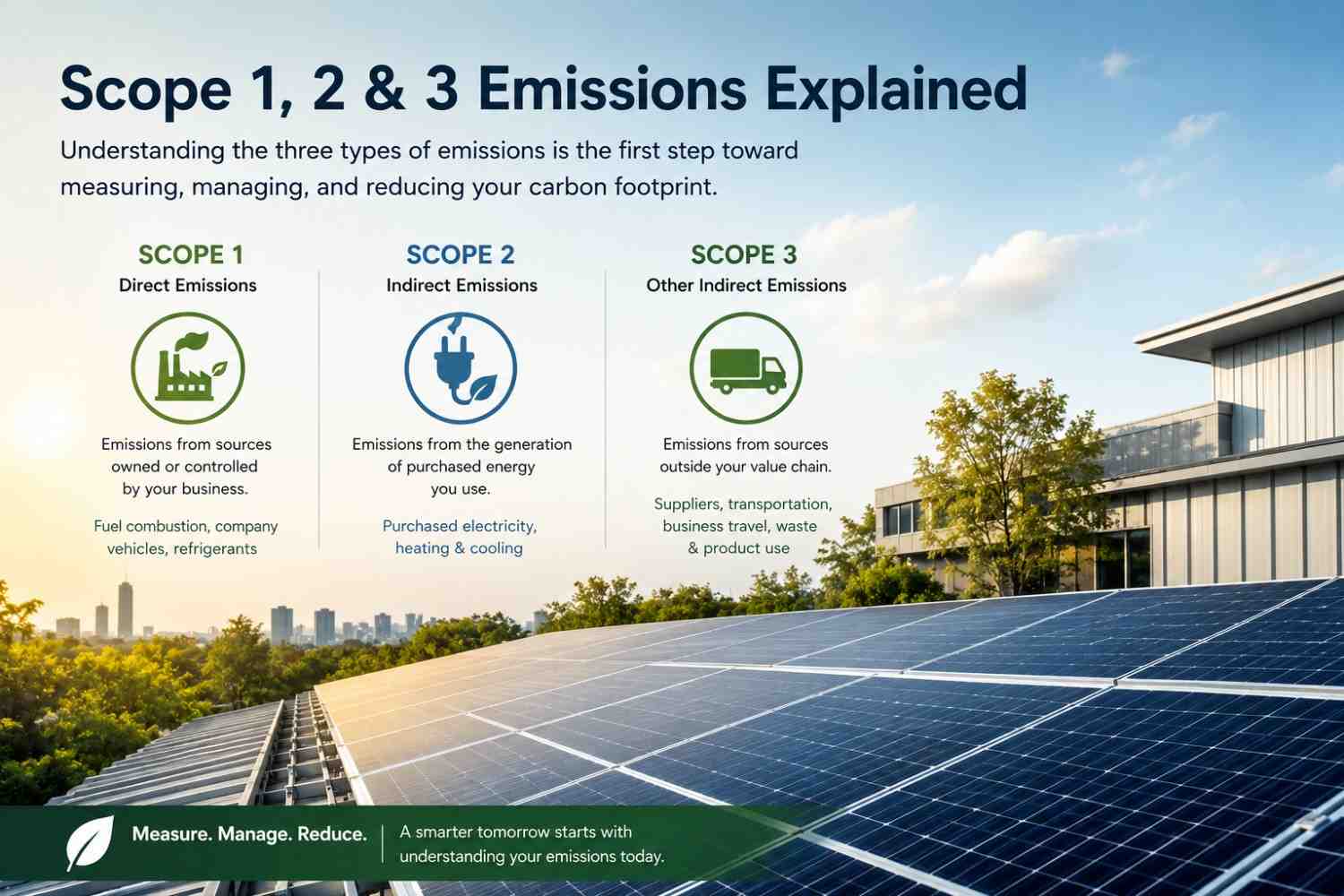
What Are Scope 1, 2 and 3 Emissions?
What Is Carbon Offsetting and Should Businesses Use It?
What Is RE100 and Should Your Business Join?
How Can Businesses Reduce Peak Demand Charges?
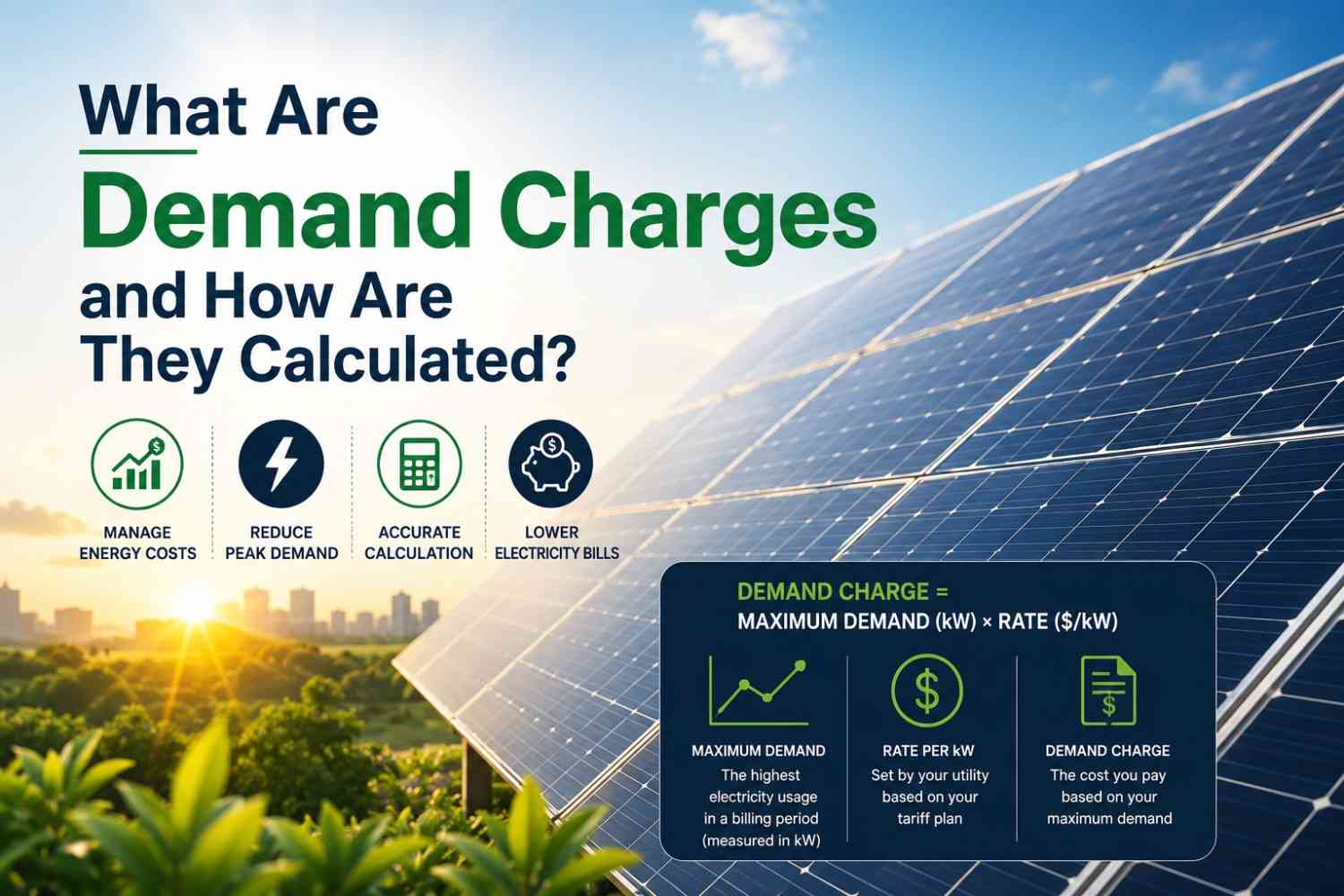
What Are Demand Charges and How Are They Calculated?
What Is Commercial Energy Procurement? A Guide for Australian Businesses

Agile Boardroom 6 - Where should capital go? Core Business vs Energy Infrastructure

Is Your Business Too Dependent on the Grid? Here's What to Do
Network Charges Explained: The Fastest-Growing Cost on Your Business Power Bill

Agile Boardroom 5: Energy as competitive advantage in private equity portfolios

Agile Advantage Ed.19 - The End of Cheap Diesel: What Businesses Need to Know
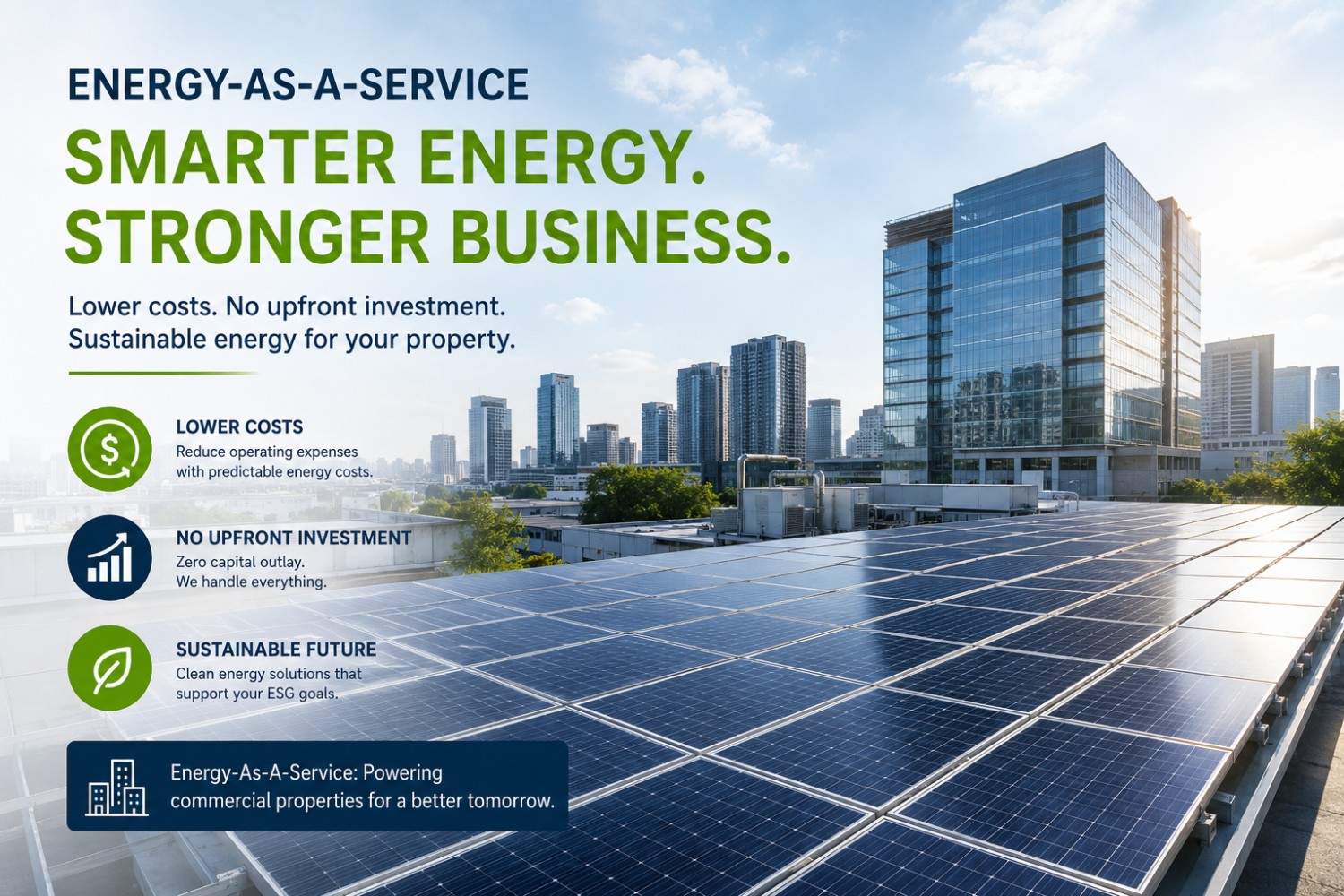
Energy-as-a-Service Explained for Commercial Property Owners

Agile Boardroom 4 - Geopolitics meets energy: What CFOs must factor into energy strategy

Agile Advantage Ed.18 - Keeping Production Running: Battery Storage for Outage Management in Manufacturing

Agile Boardroom 3 - The Bankable PPA: What Lenders, Boards and Investors actually require

Australia is experiencing a clean energy revolution as commercial and domestic landlords turn rooftops into revenue
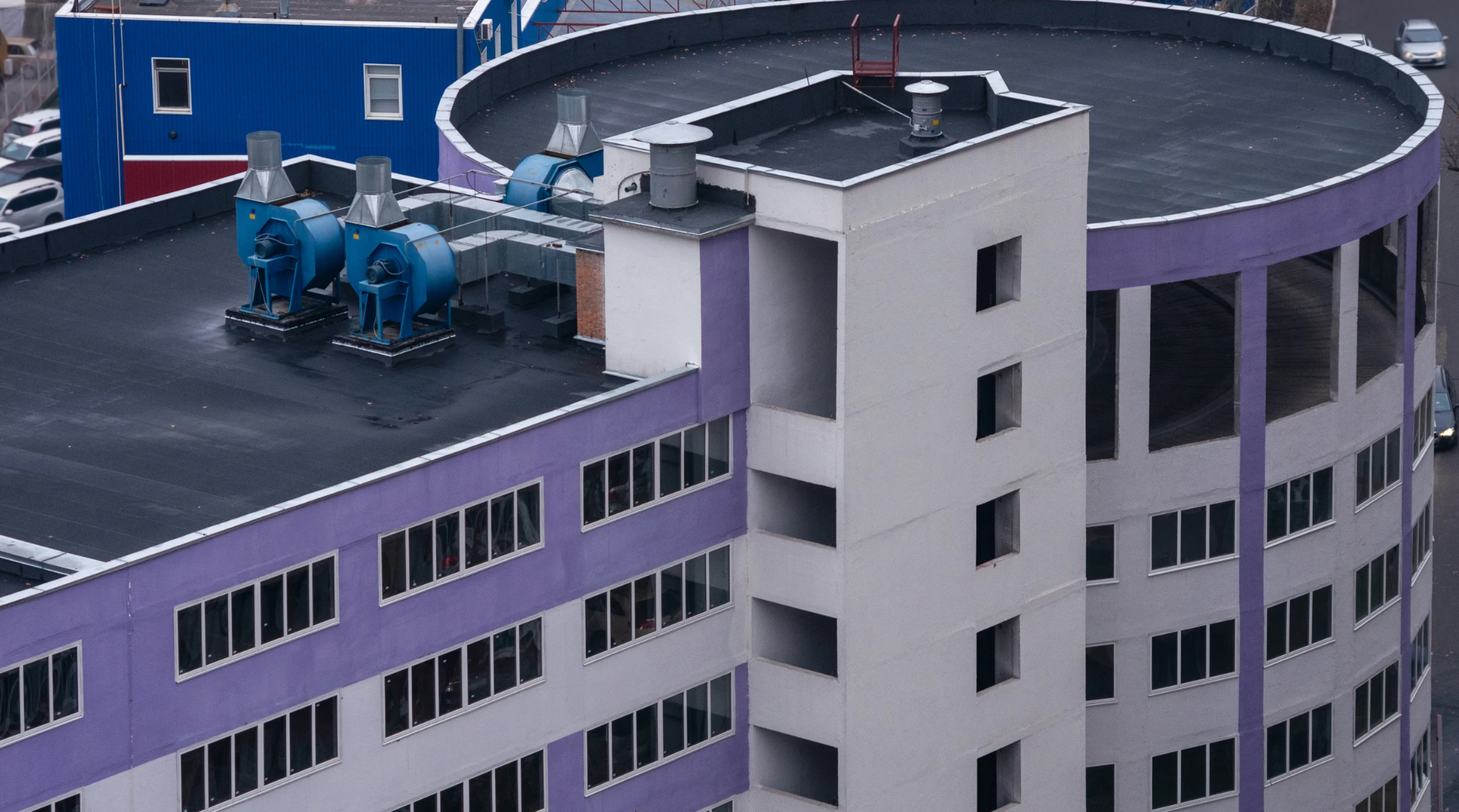
Landlords turn to rooftop solar to yield income

Commercial landlords turning rooftops into ‘profit machines’ through solar installations

Solar PPA for Schools: Reduce Electricity Costs Without Upfront Investment
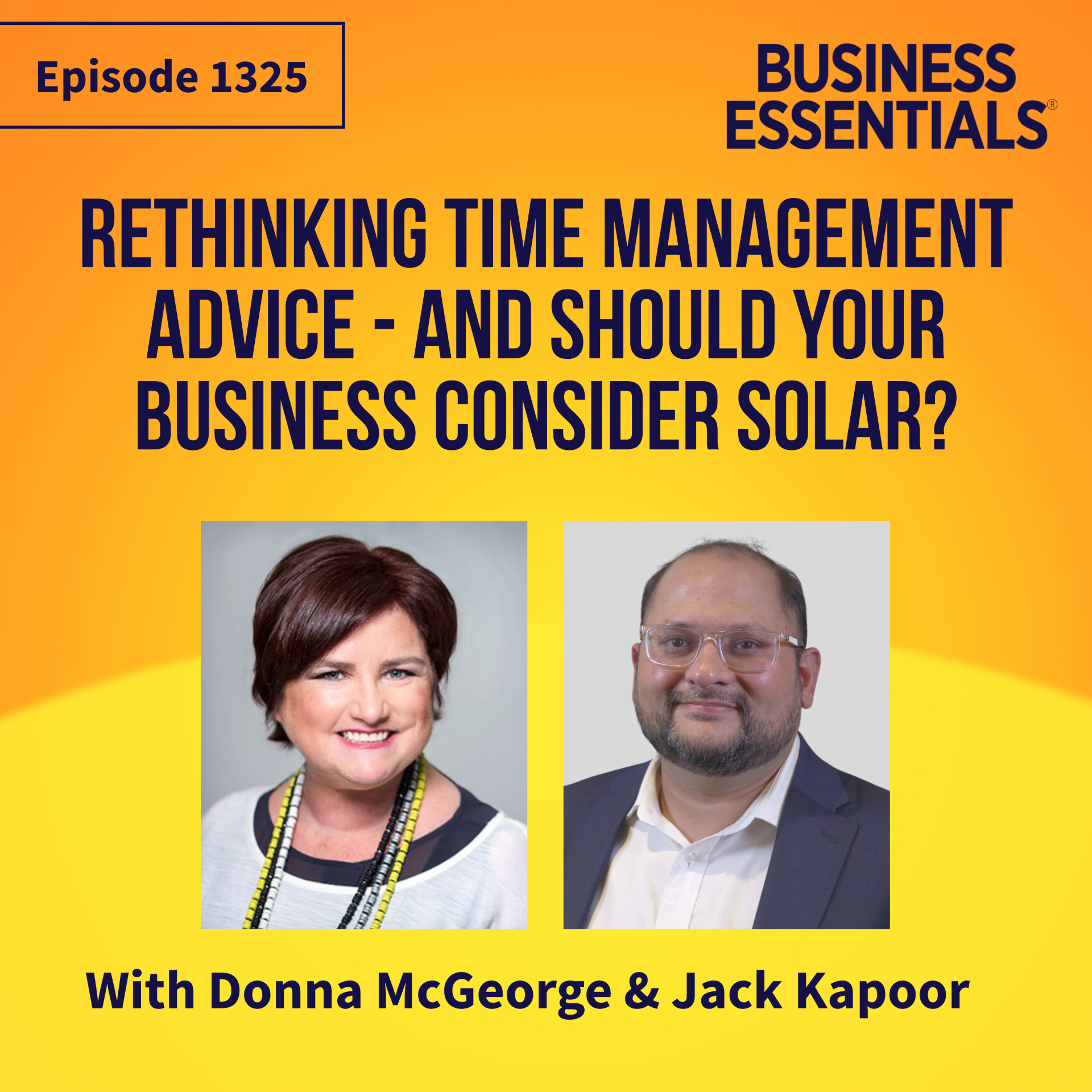
Agile Energy Featured on Business Essentials Podcast
.png)
Schools access cheaper electricity
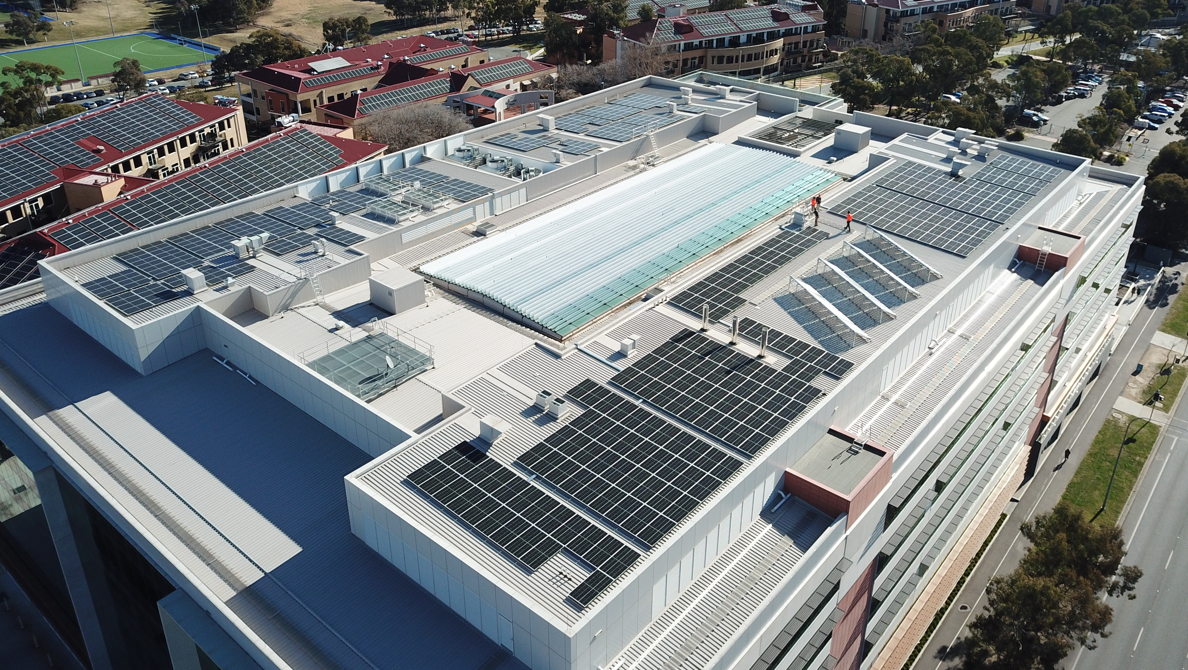
Australia undergoes a clean energy revolution as commercial and domestic landlords turn rooftops into revenue
Agile Advantage Ed.17 - Solar for Process Heat: Replacing Gas Boilers in Food and Beverage Manufacturing

5 Reasons Why Capital-Funded Solar is the Safest Energy Transition Strategy in 2026
Industrial vs Commercial Solar Systems: Which Energy Solution Is Right for Your Business?

Agile Boardroom 2 - Solar + Storage Under Tight Operating Budgets: Education & Not-for-Profit

Agile Advantage Ed. 16 - Cutting Diesel Dependency: Solar battery PPAs for remote farming operations

Agile Boardroom 1 - A Competitive Advantage in Government & Enterprise Tenders: The Decarbonised Bid

Agile Advantage Ed. 15 - Winning the war on peak prices: Load Shifting, Storage and Smart Controls for C&I

The summer surge: How to keep energy bills cool when temperature rise

Agile Advantage Ed. 14 - The 2026 solar health check: From legacy systems to strategic assets
Solar vs Grid Energy Price Escalation: 2026 Outlook
Agile Advantage Ed. 13 - From energy users to market participants: How Agile businesses are monetising flexibility
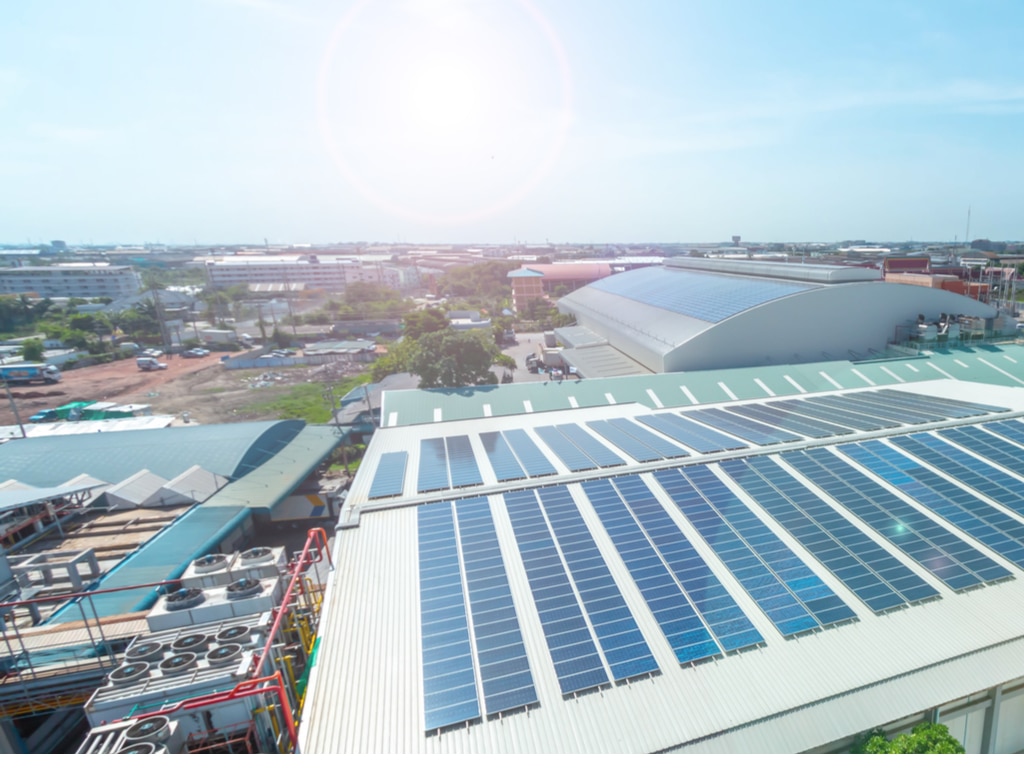
Mandatory Climate Reporting: What CFOs need to know (2026–2028)

Agile Advantage Ed. 11 - Unlocking full value from solar & storage: The business case for batteries
End-of-Year Energy Audit: 10 ways to start 2026 leaner and cleaner

Agile Advantage Ed. 10 - Embedded Networks 101: Turning electricity from a cost centre into a profit centre
Top 5 Energy Incentives for Australian Businesses (2025)

Managing solar and battery rollouts for national portfolio

Risk management in renewables
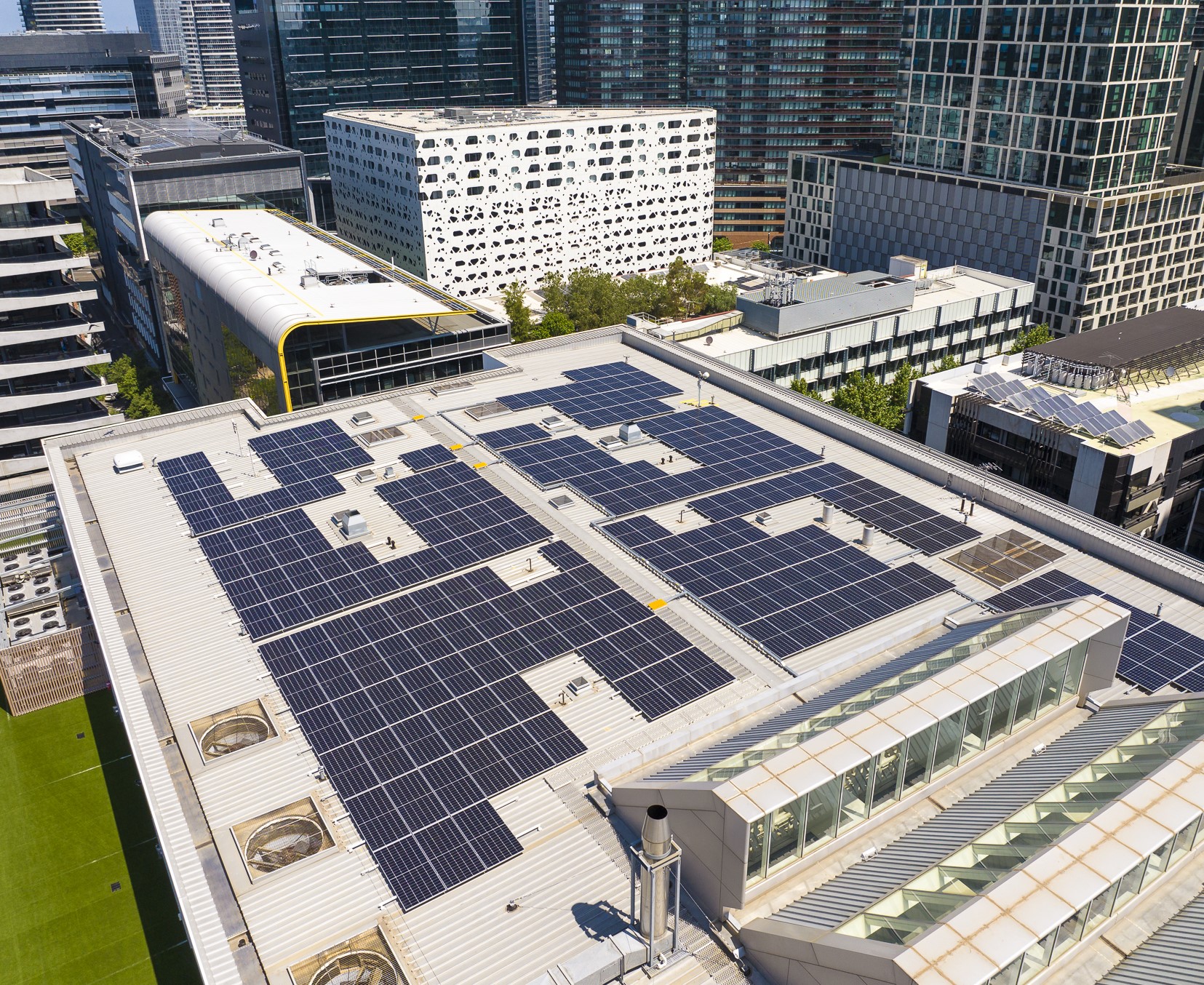
Commercial solar ROI in 2026: Maximise your business savings

Scaling SAFe in large-scale energy organisations: How executives can harness the Scaled Agile Framework (SAFe) to accelerate the energy transition

Always-On Agile operating model for Australia’s energy transition

Integrated energy & carbon strategies: A Playbook for future-proofing Australian manufacturing

Weathering the storm: Protects solar assets from heavy rainfall risk
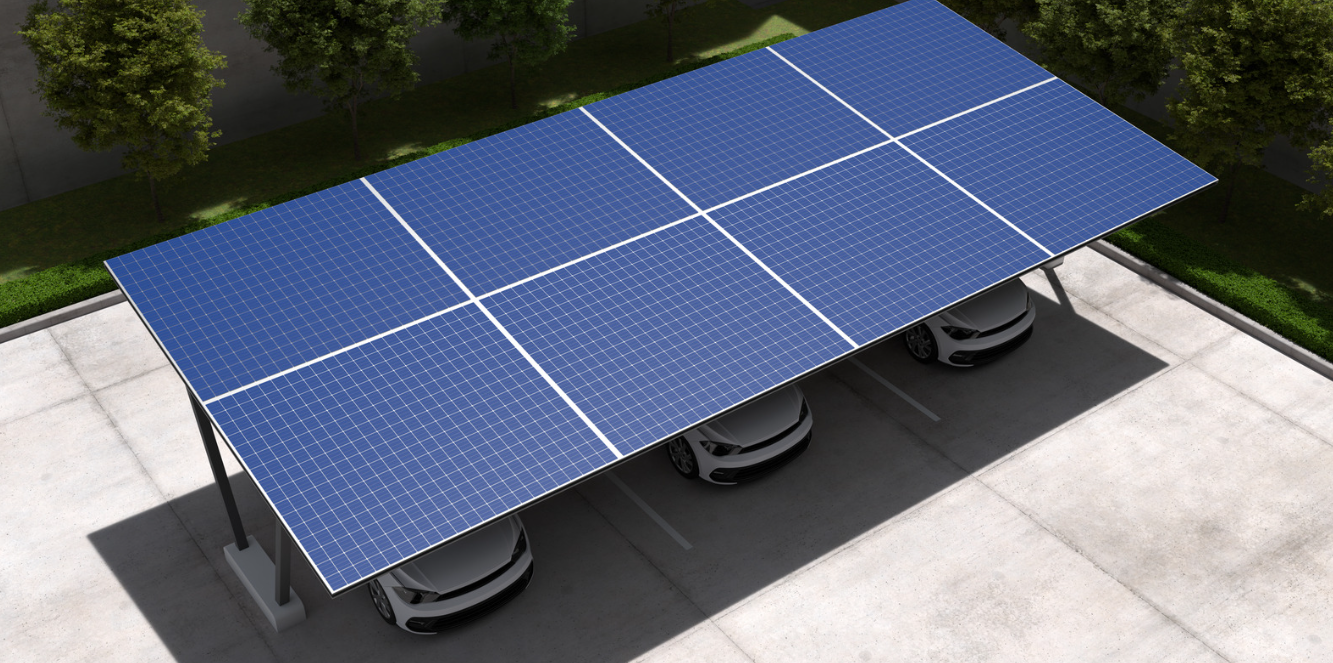
Transforming dead space into active assets: How Agile unlocks roofs, car parks, and land for revenue

Agile Advantage Ed. 9 - Why energy data is the new gold for Australian manufacturer
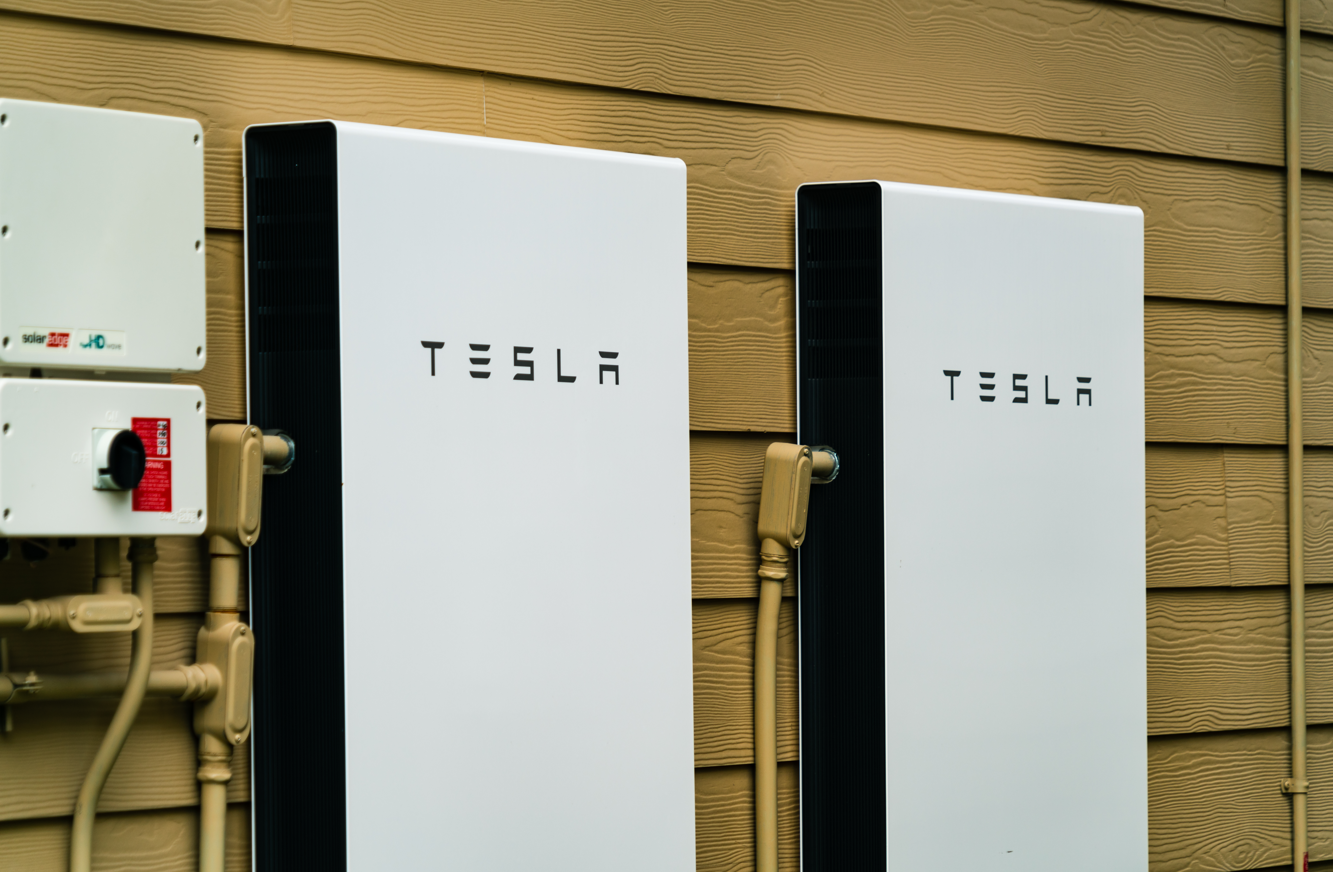
Solar Battery Rebate

Agile Advantage Ed. 8 - E is Everything: Energising Australian Businesses

Agile Advantage Ed. 7 - Riding the renewable wave: Why Australian businesses are embracing solar energy

Agile Advantage Ed. 6 - Why CFOs should prioritise renewable energy investments in 2025

Empowering Australian Businesses: Unlocking energy efficiency and sustainability

Agile Advantage Ed. 5 - Inspiring the young workforce: How rolling out renewables sparks motivation

The power of vertical integration in solar project delivery

Agile Advantage Ed. 4 - Making complex simple: Navigating the complexity of solar installations

Rising cost of insurance : Impact on solar assets

Monetising your solar assets: Converting pre-purchased systems into power purchase agreements (PPAs)

Agile Advantage Ed. 3 - The Magic of experience: Partnering for performance in renewables

Solar rooftop safety: Risk management guide

Agile Advantage Ed. 2 - Clear paths to carbon reduction: Renewables and more for Australian businesses

Agile Advantage Ed. 1 - Seven deadly sins of solar installations: Mistakes businesses must avoid

CEO's view on managing increasing energy costs

What are Small-scale technology certificates (STC)?

Carbon Accounting and your business

Join Agile Energy at the Healthcare Real Estate Summit

Carbon Projects - Where to Start?

TRADE ACCUs WITH US! From the desk of Equipoised Group
Ready to power your business with Sustainable Energy?
Let's take the first step towards a brighter and greener future.