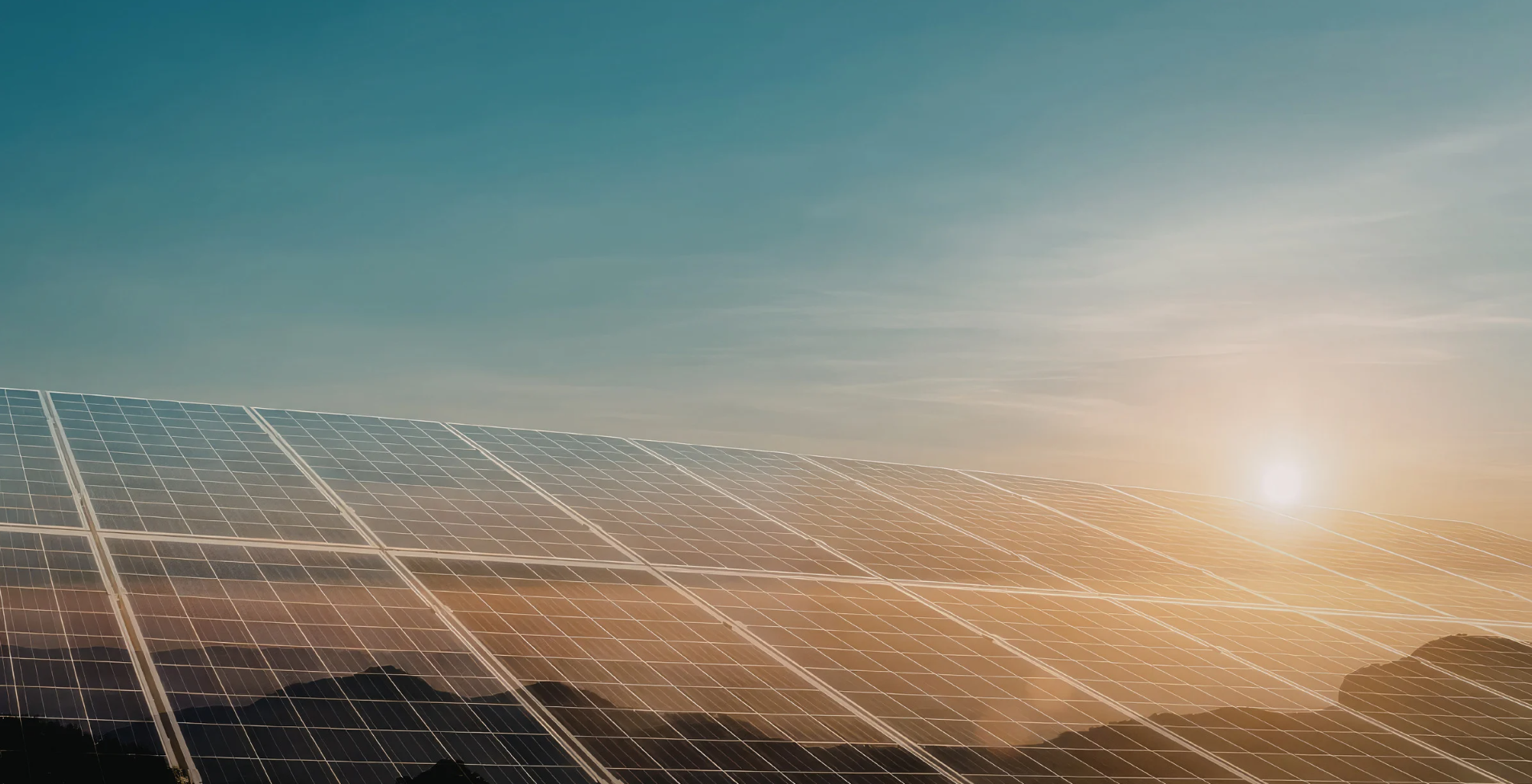
Is Your Business Too Dependent on the Grid? Here's What to Do
.jpg)
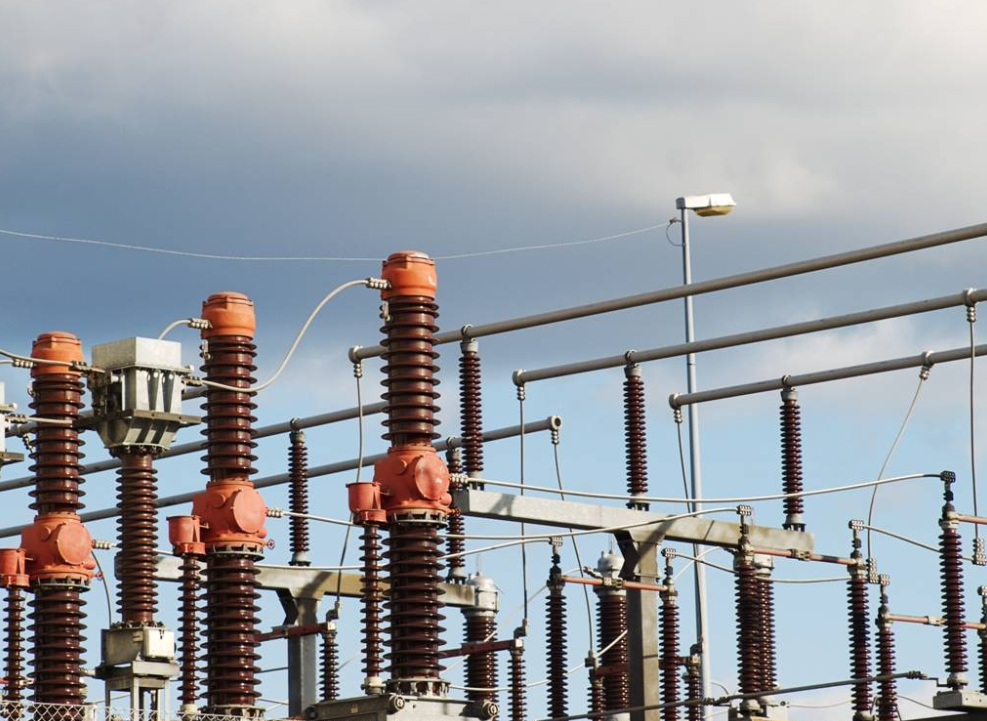
More than ever, electricity costs are a key challenge for many businesses. So, most business owners are beginning to consider this in their strategic planning. However, many people continue to address the issue in a traditional manner. Your reliance on the grid itself may be the problem if your energy bills keep rising even after you switch suppliers. Increasingly, forward-thinking organisations are exploring on-site solar and battery storage to gain more control over their energy future.
Rising Power Bills? You're Probably Looking in the Wrong Place
The first thing individuals do when they see their energy bills increase is to look for a cheaper electricity company. Generally, people compare companies, negotiate contracts, and switch providers for energy. This is easy to understand, as prior to now, all of these methods were good ways to save money on your energy bill. Unfortunately, this approach is quickly becoming ineffective.
In the past, switching to a new provider could provide you with a small savings, but the reality is just providing diminishing returns. Many believe that switching to a new retailer can drastically reduce their energy bills. However, this belief is becoming more outdated every day.
The Hidden Costs That Are Driving Your Electricity Bill
The way businesses receive their electricity bill is far more complex than just the amount charged for each unit you use. In fact, the fastest-growing portions of your bill are those you have the least ability to control.
Important cost factors consist of:
- Network fees for upkeep and modernisation of electrical infrastructure.
- Demand fees based on surges in peak usage.
- Penalties for time-based pricing during moments of high demand.
Grid strain, infrastructure investment, and growing demand are driving up these expenses. More significantly, they are essentially non-negotiable, which means that switching providers won't make them go away.
Why Negotiating Energy Contracts Isn't Solving the Problem
A lot of companies put serious time and effort into negotiating energy contracts, expecting real money savings. However, most of the time it turns into only an " illusion of savings, " where everything looks promising at first.
Even after they do deep comparisons, the cut in overall energy spending is usually pretty small. The reason is pretty simple: the part of the bill you can haggle over, the energy rate, is only one piece of the whole situation.
The bigger issue is that energy is seen by many as strictly a buying (procurement) activity rather than being viewed as a more proactive activity where some form of management and optimisation can occur through time.
The Real Question: How Much Energy Can You Avoid Buying?
The best way to lower the price of your electricity isn’t always by signing up for a lower electricity rate. But it is by reducing the amount of electricity you are buying from the utility.
By looking at their total usage rather than their total bill, businesses can gain a competitive edge. The decline in reliance on the utility companies will offer businesses a lower cost, greater control over energy usage, and improved future financial models.
In today’s world, energy independence has turned into a viable business strategy, as well as a viable method of sustainability. This is particularly relevant for organisations evaluating commercial solar panels for Australian businesses as part of long-term cost optimisation.
What Happens When Your Business Depends Too Much on the Grid?
Businesses are at risk when dependent on the electrical grid, due to rising power prices and additional penalties. The electrical grid has many problems for companies to deal with.
The main issues are:
- Unstable and unpredictable prices for electricity.
- Gyms have to pay more for electricity when it is at its peak use.
- Limited ability to manage or budget for your energy expenses.
By being overly dependent on the grid, companies can't properly plan for the future or protect their profit margins, especially those companies using a lot of energy.
How Solar Helps Businesses Take Back Control
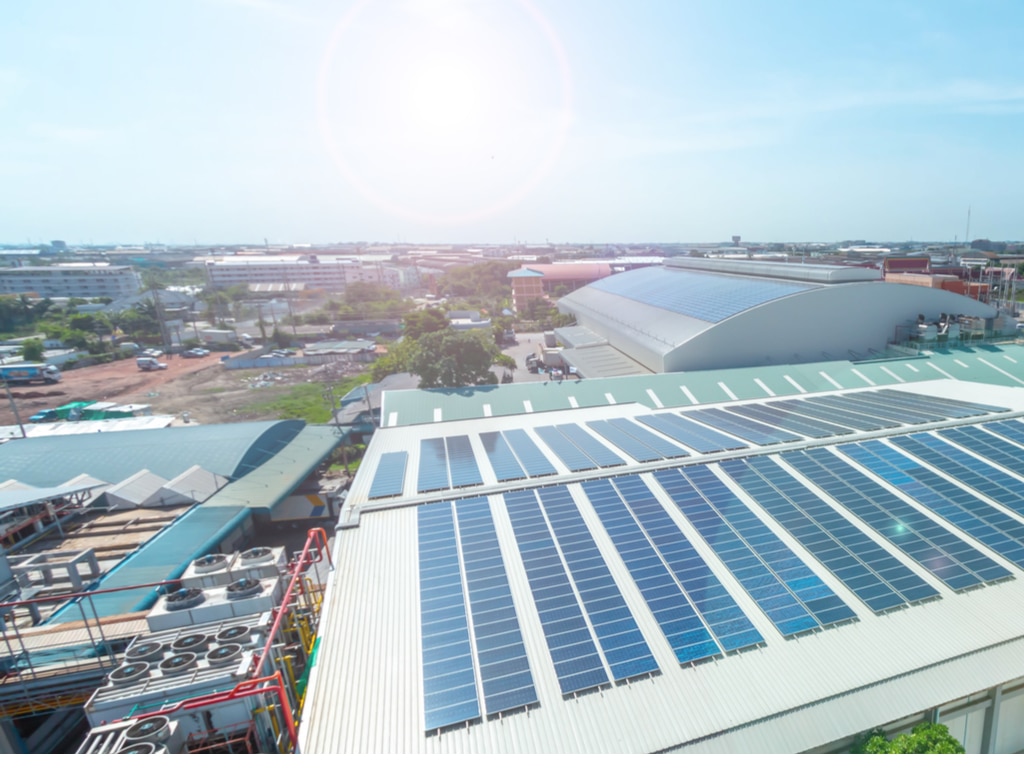
Businesses can immediately offset a large amount of their energy consumption by producing power on-site.
During the day, when demand and expenses are usually higher, this has a particularly significant effect. Businesses can use their own generated power instead of buying pricey electricity during peak hours. Solutions like a solar PPA with no upfront cost are also making adoption easier for businesses that want to avoid capital expenditure.
This eventually results in reduced operating expenses, increased predictability, and a more robust defence against escalating energy bills.
Why Batteries Are Becoming Just as Important as Solar
Solar panels produce energy while batteries allow the consumer to regulate how to utilise that energy. Battery storage among businesses gives them the ability to store extra energy when produced, and then use that energy during higher peak times. This can reduce reliance on incoming power from the grid, which can lead to an increase in demand spikes.
The major advantages of integrating electricity storage systems include:
- Decreased peak demand charges.
- Improved utilisation of solar power resources.
- Improved resiliency during periods of high demand and/or power outages.
When combined, solar panels and battery systems create a more effective and efficient energy system. Meanwhile, it enables participation in grid services and VPP participation for additional value streams.
From Energy Consumer to Energy Producer
Today's businesses are presented with the chance to redefine how they fit in the energy framework. Rather than consuming energy from the outside, they will have an active role to play in producing, storing, and managing their own energy supply.
Now that businesses can produce their own energy, they have access to new opportunities to participate in virtual power systems or sell excess power produced back to the grid. Whereas in the past energy was an uncontrollable fixed cost, today energy can be viewed as a controllable and potentially valuable asset. This shift also aligns with broader carbon management solutions that organisations are adopting to meet sustainability goals.
If businesses adopt an approach to the energy marketplace that is strategic and have the assistance of a partner such as Agile Energy, businesses will be able to realize these opportunities with little if any disruption to their ongoing business operations.
The Future Belongs to Businesses That Control Their Energy
Businesses' approaches to energy are evolving. It is no longer the most economical or efficient choice to rely only on the grid.
Energy production and consumption are being revolutionised by solar, battery storage, and smart energy management technologies. Early adoption of these solutions will put businesses in a better position to control expenses, lower risks, and maintain their competitiveness. Increasingly, models like Energy-as-a-Service for commercial buildings are helping organisations transition without operational complexity.
The change doesn't have to be really difficult. It begins with figuring out how much energy you now use and where you might lessen your reliance on the grid. Because control is not only advantageous but also essential in today's energy environment.
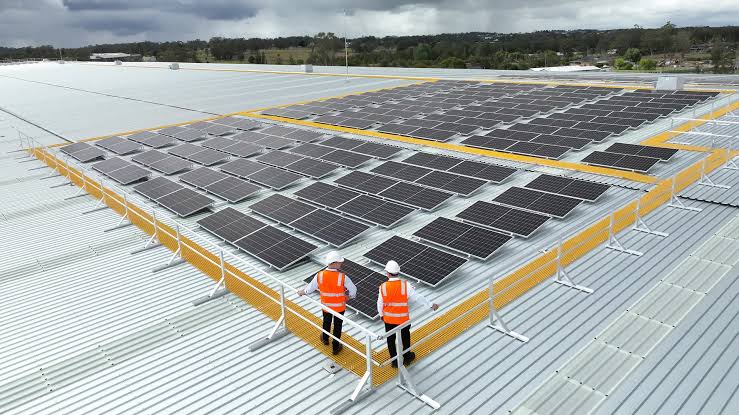
How Big a Commercial Solar System Do I Need? A Sizing Guide for Australian Businesses
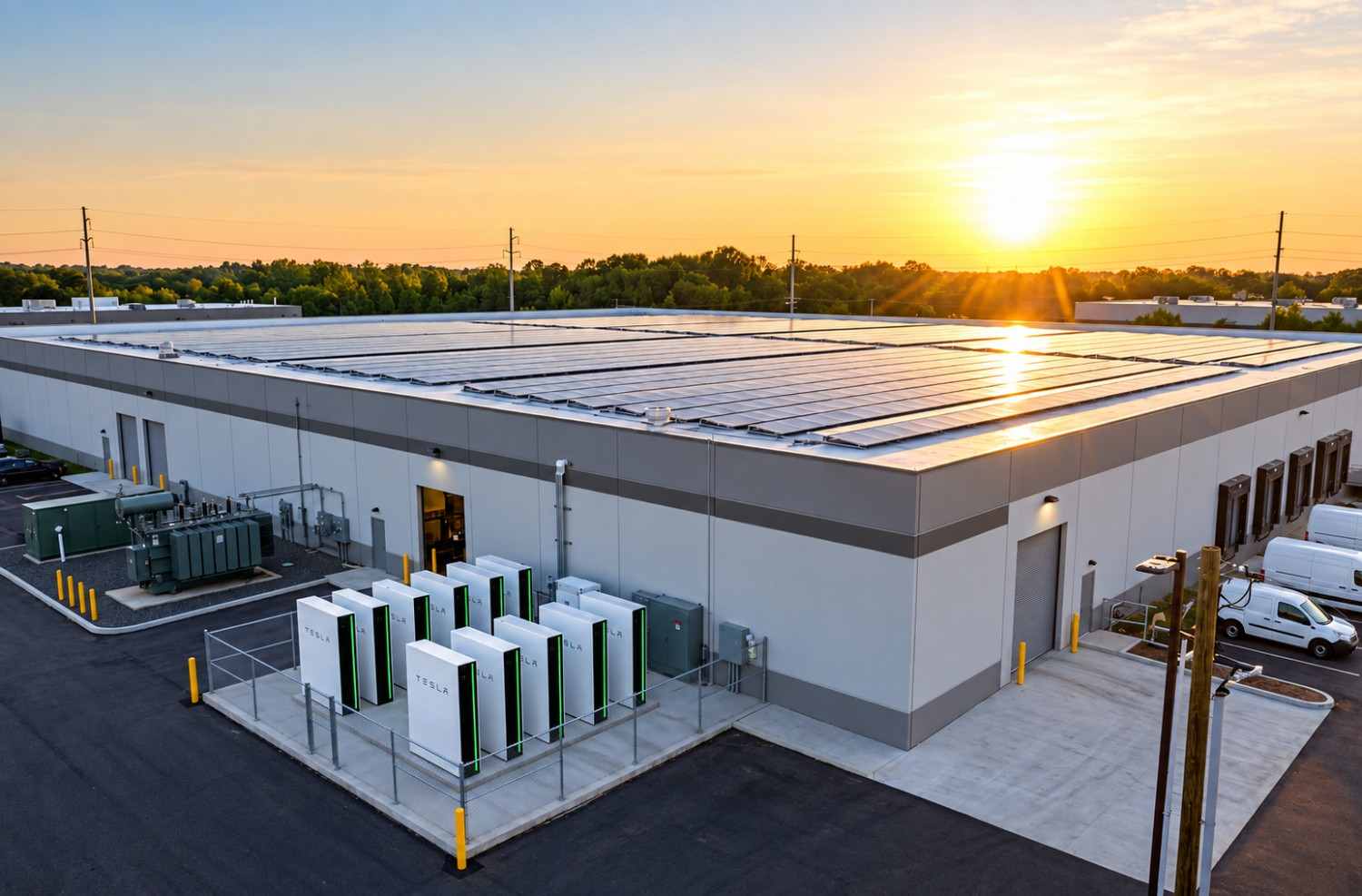
Solar and Battery vs Solar Only: When Does the Extra Cost Pay Off?
Agile Advantage Ed.22 - When Power Fails, Product Fails: Energy Resilience in Cold Chain

Agile Boardroom 7 - 2026 Energy Risk: A Framework for Reliability, Cost and Continuity
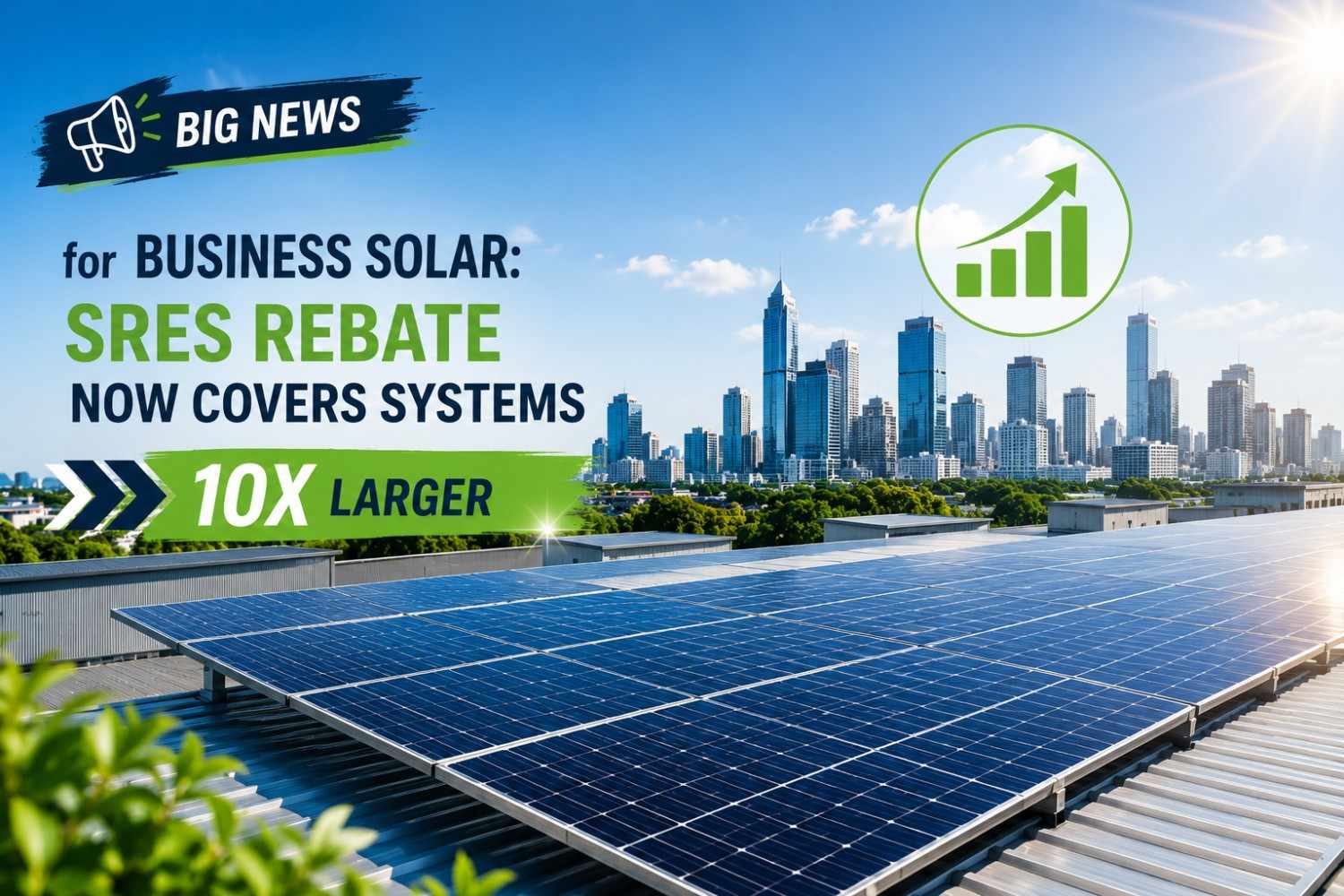
Big News for Business Solar: SRES Rebate Now Covers Systems 10x Larger

Agile Advantage Ed.21 - From Backup to Strategy: Batteries as business Continuity Infrastructure
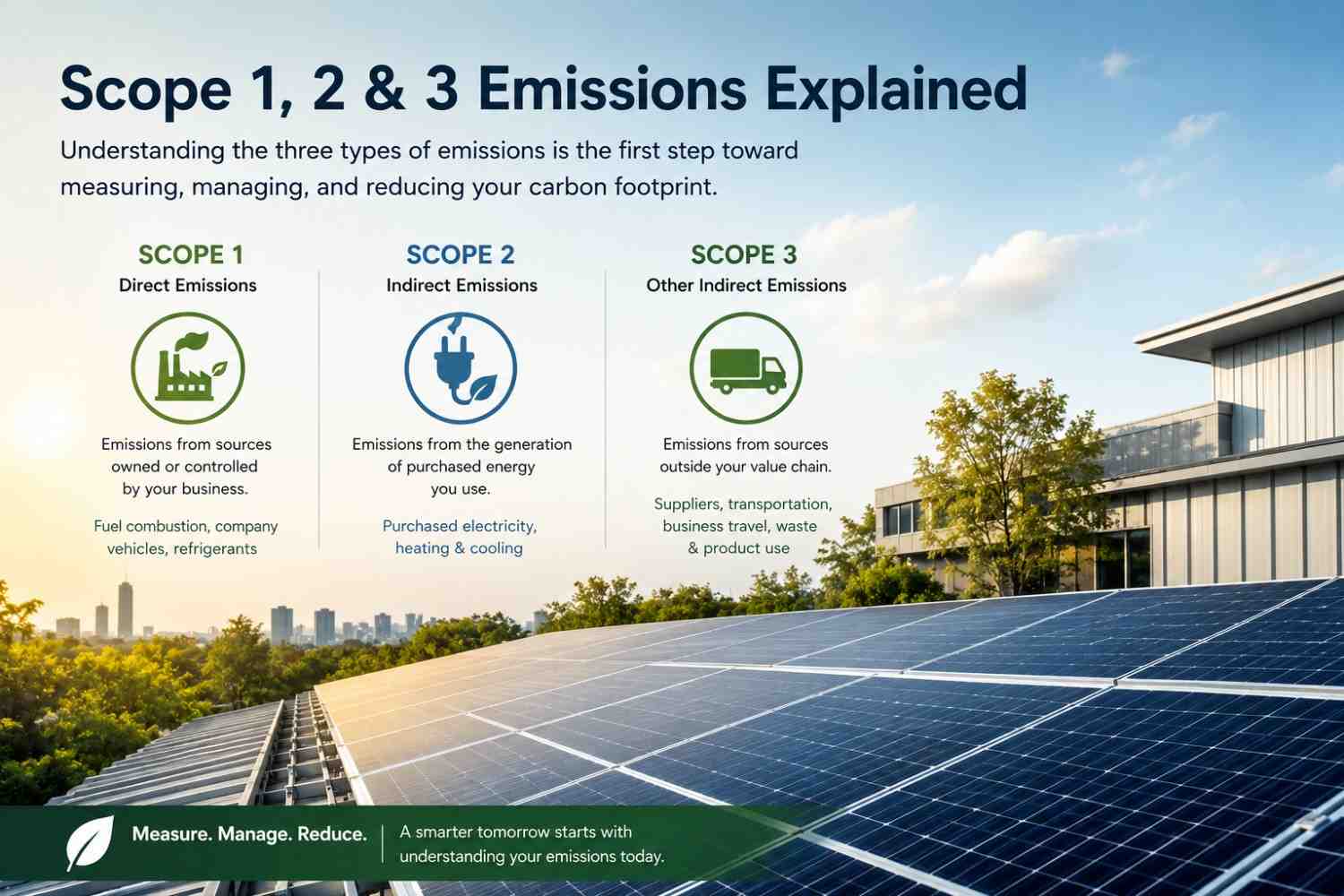
What Are Scope 1, 2 and 3 Emissions?
What Is Carbon Offsetting and Should Businesses Use It?
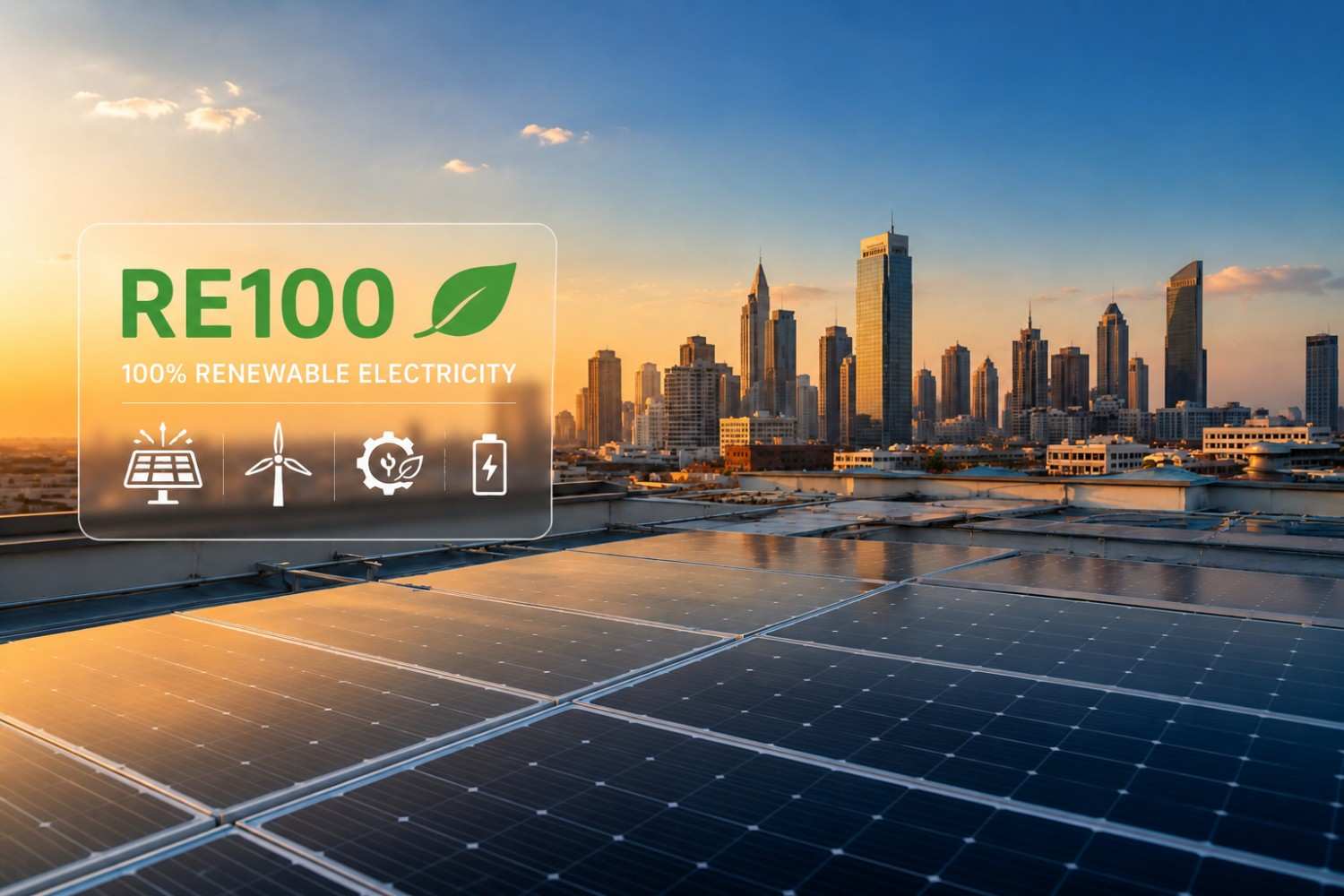
What Is RE100 and Should Your Business Join?
How Can Businesses Reduce Peak Demand Charges?
What Are Demand Charges and How Are They Calculated?
What Is Commercial Energy Procurement? A Guide for Australian Businesses

Agile Boardroom 6 - Where should capital go? Core Business vs Energy Infrastructure
Agile Advantage Ed.20 - Energy Security for Australian Businesses: Operating Through Global Instability
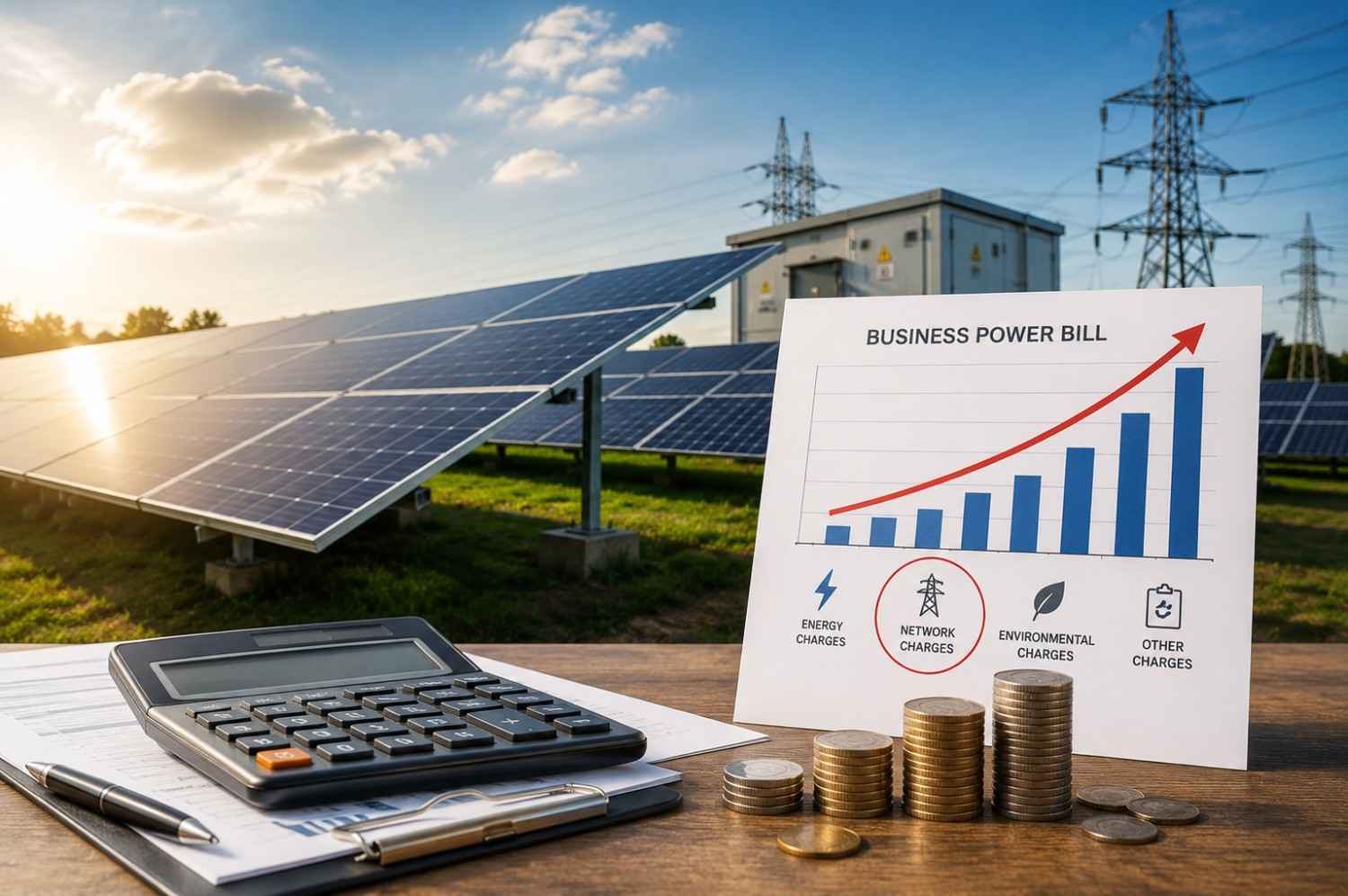
Network Charges Explained: The Fastest-Growing Cost on Your Business Power Bill

Agile Boardroom 5: Energy as competitive advantage in private equity portfolios

Agile Advantage Ed.19 - The End of Cheap Diesel: What Businesses Need to Know
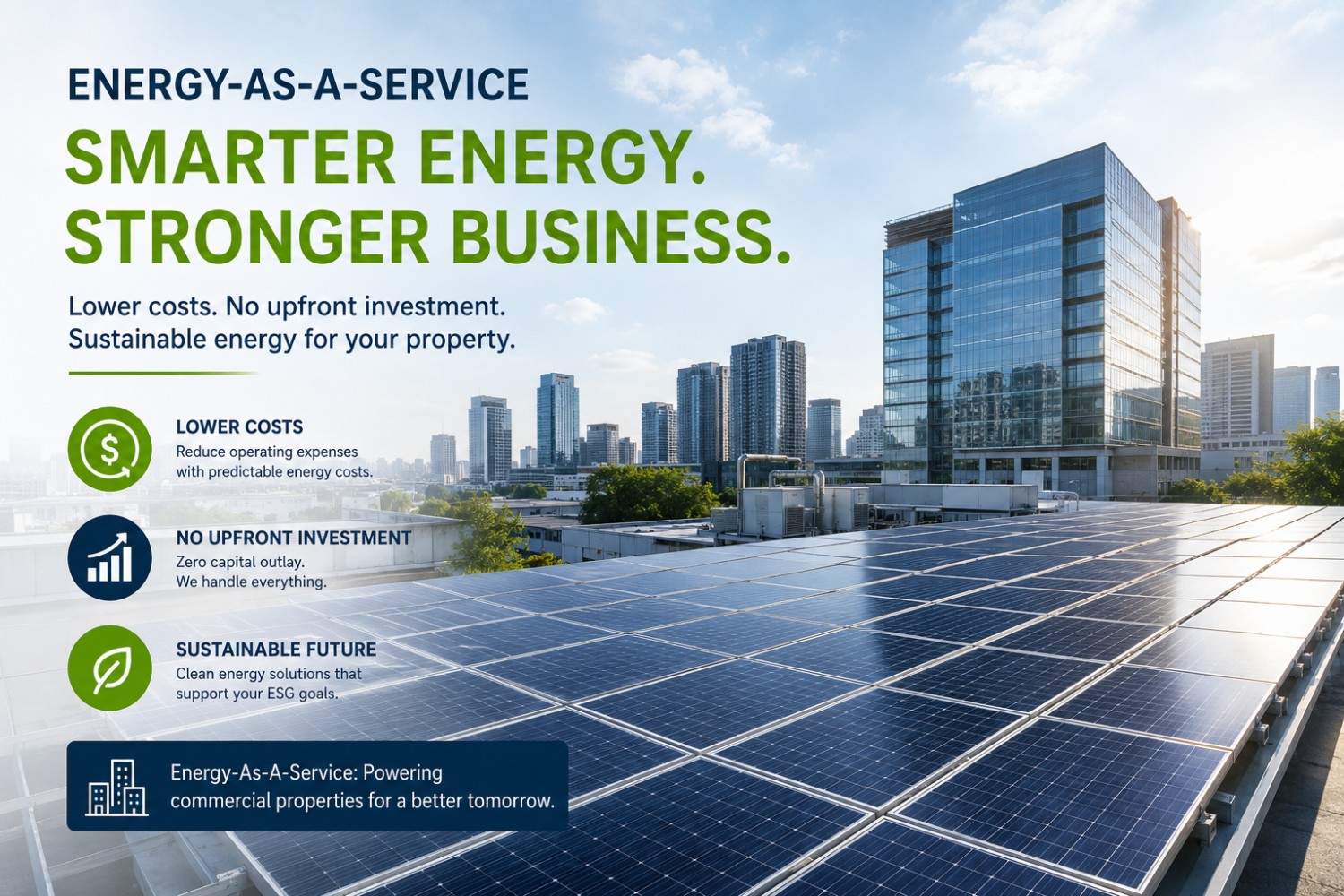
Energy-as-a-Service Explained for Commercial Property Owners

Agile Boardroom 4 - Geopolitics meets energy: What CFOs must factor into energy strategy

Agile Advantage Ed.18 - Keeping Production Running: Battery Storage for Outage Management in Manufacturing

Agile Boardroom 3 - The Bankable PPA: What Lenders, Boards and Investors actually require

Australia is experiencing a clean energy revolution as commercial and domestic landlords turn rooftops into revenue
Landlords turn to rooftop solar to yield income

Commercial landlords turning rooftops into ‘profit machines’ through solar installations

Solar PPA for Schools: Reduce Electricity Costs Without Upfront Investment
Agile Energy Featured on Business Essentials Podcast
.png)
Schools access cheaper electricity
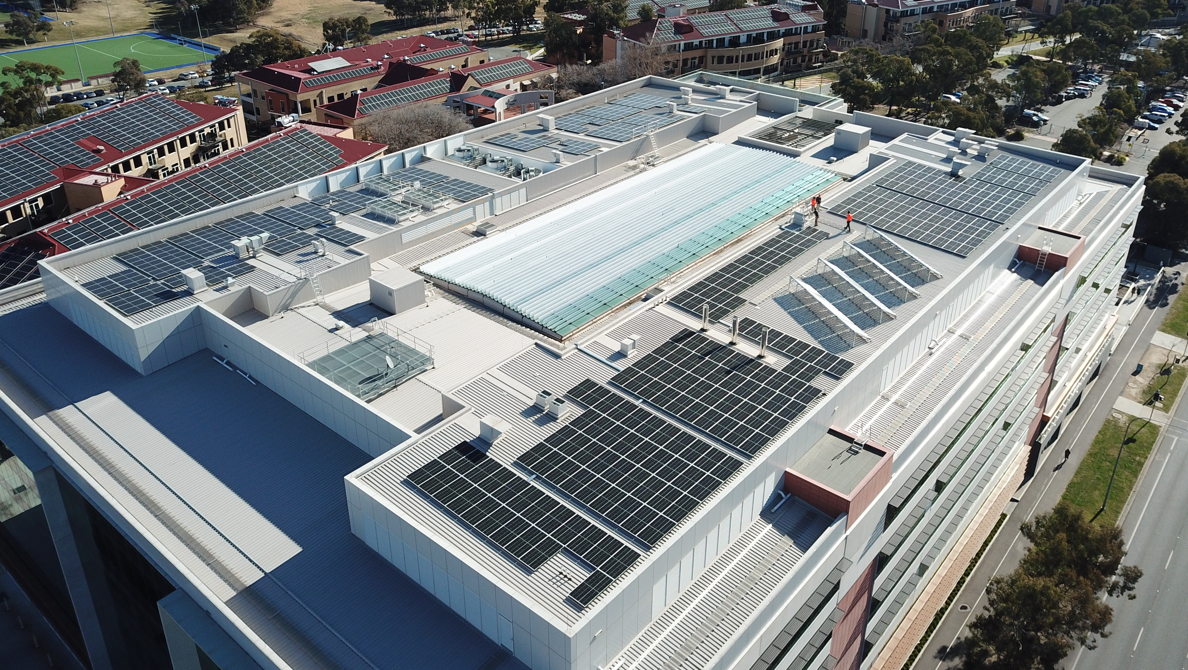
Australia undergoes a clean energy revolution as commercial and domestic landlords turn rooftops into revenue
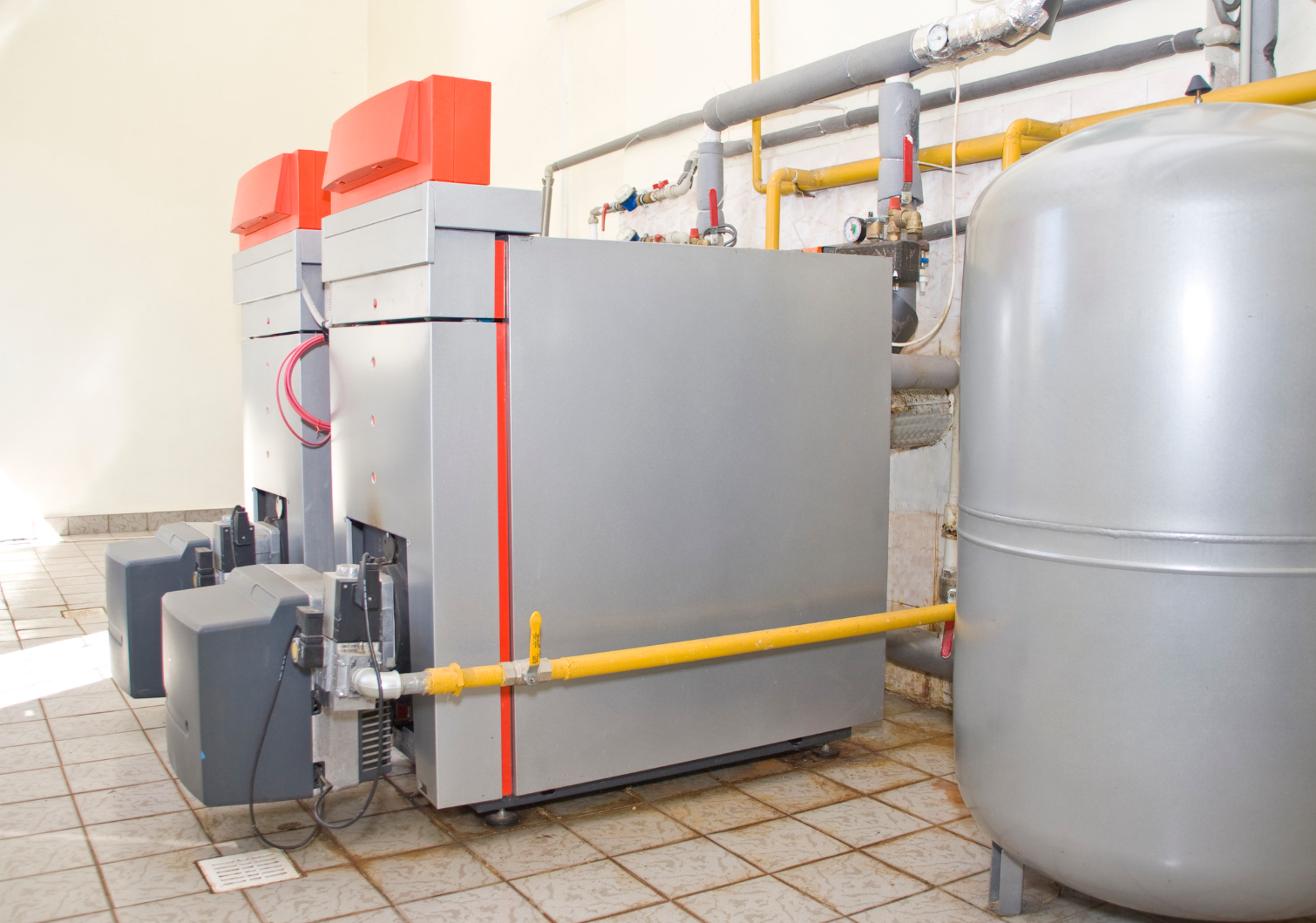
Agile Advantage Ed.17 - Solar for Process Heat: Replacing Gas Boilers in Food and Beverage Manufacturing

5 Reasons Why Capital-Funded Solar is the Safest Energy Transition Strategy in 2026
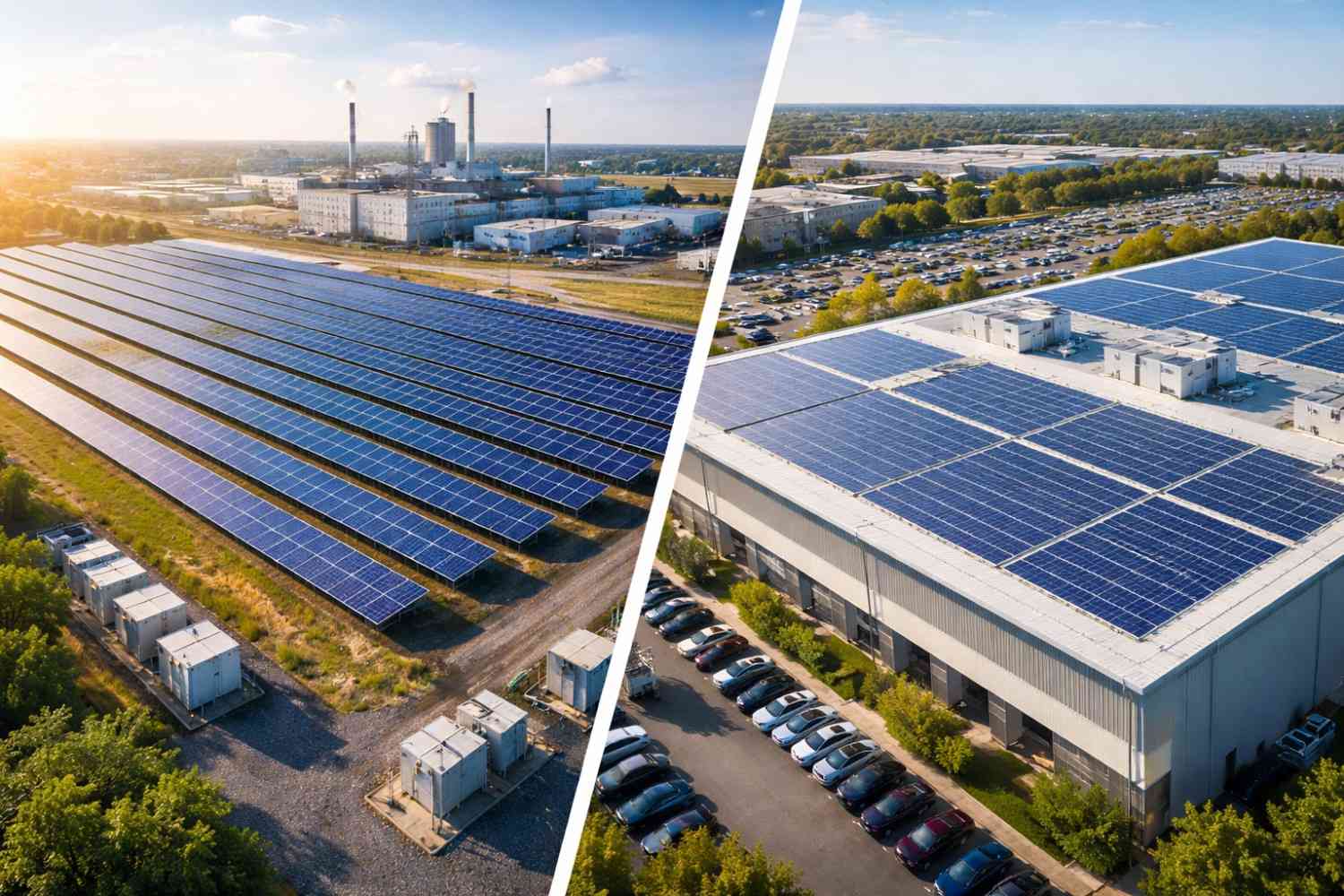
Industrial vs Commercial Solar Systems: Which Energy Solution Is Right for Your Business?

Agile Boardroom 2 - Solar + Storage Under Tight Operating Budgets: Education & Not-for-Profit

Agile Advantage Ed. 16 - Cutting Diesel Dependency: Solar battery PPAs for remote farming operations

Agile Boardroom 1 - A Competitive Advantage in Government & Enterprise Tenders: The Decarbonised Bid

Agile Advantage Ed. 15 - Winning the war on peak prices: Load Shifting, Storage and Smart Controls for C&I

The summer surge: How to keep energy bills cool when temperature rise

Agile Advantage Ed. 14 - The 2026 solar health check: From legacy systems to strategic assets
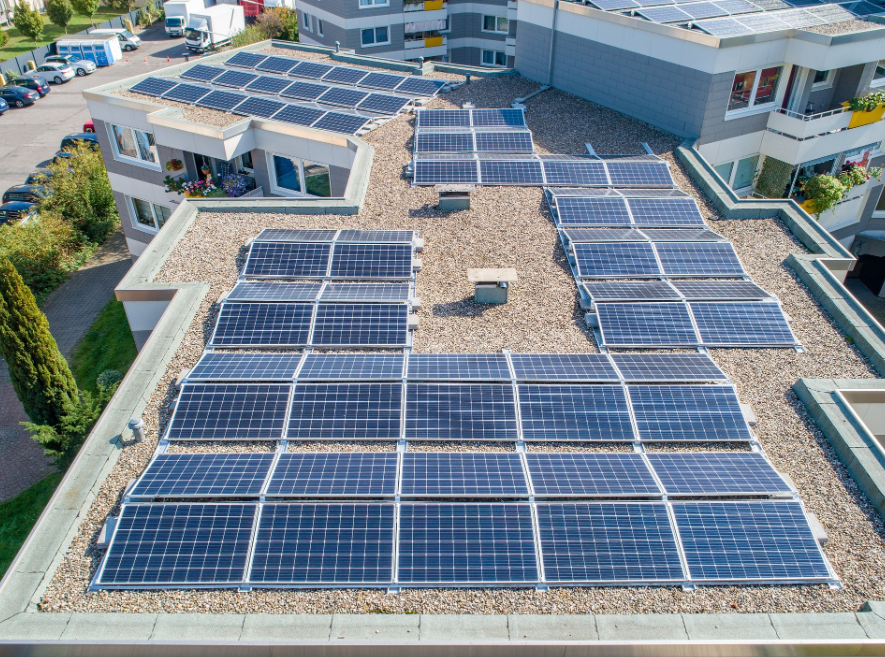
Solar vs Grid Energy Price Escalation: 2026 Outlook
Agile Advantage Ed. 13 - From energy users to market participants: How Agile businesses are monetising flexibility
Mandatory Climate Reporting: What CFOs need to know (2026–2028)

Agile Advantage Ed. 11 - Unlocking full value from solar & storage: The business case for batteries
End-of-Year Energy Audit: 10 ways to start 2026 leaner and cleaner

Agile Advantage Ed. 10 - Embedded Networks 101: Turning electricity from a cost centre into a profit centre
Top 5 Energy Incentives for Australian Businesses (2025)

Managing solar and battery rollouts for national portfolio
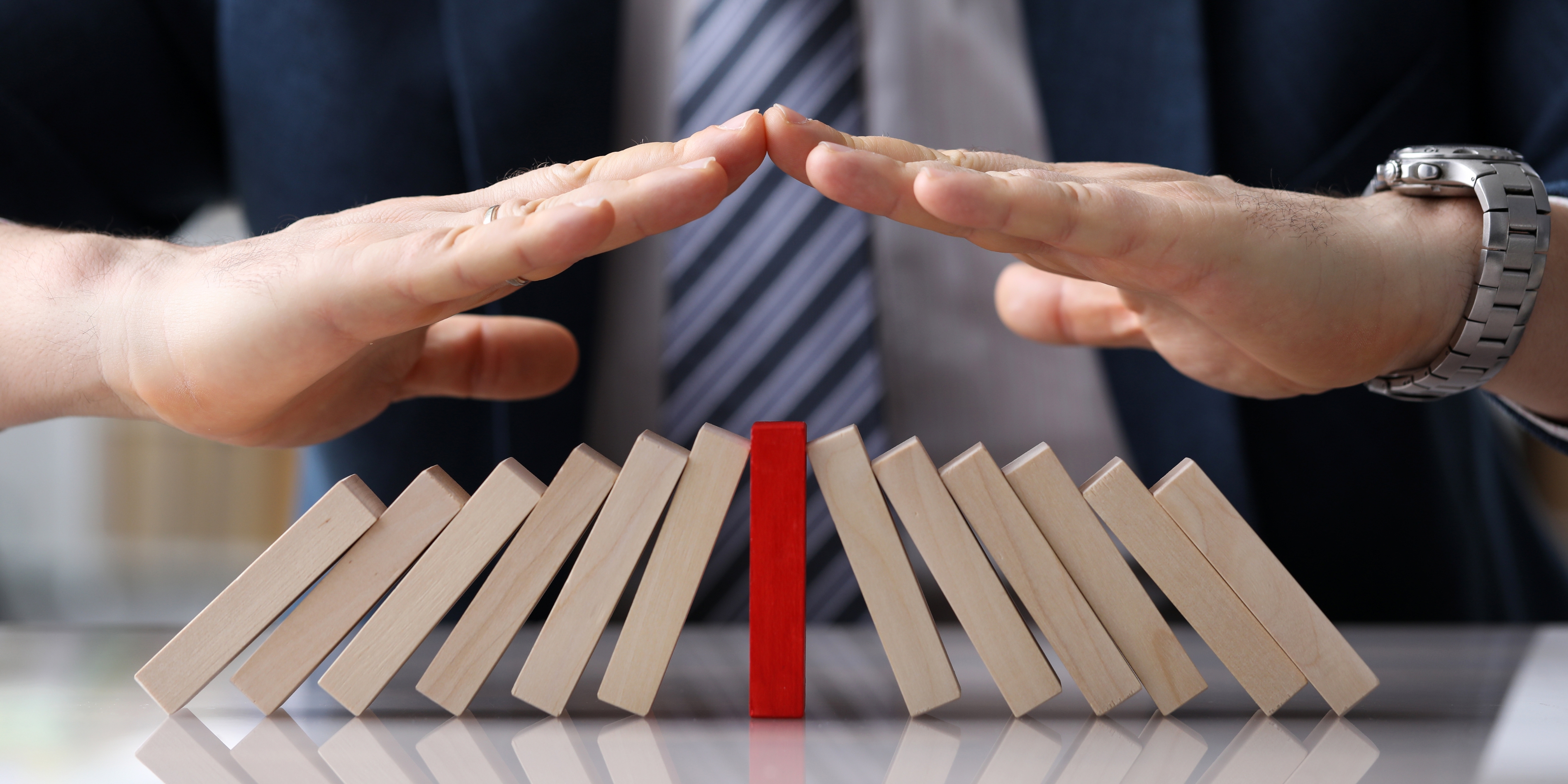
Risk management in renewables
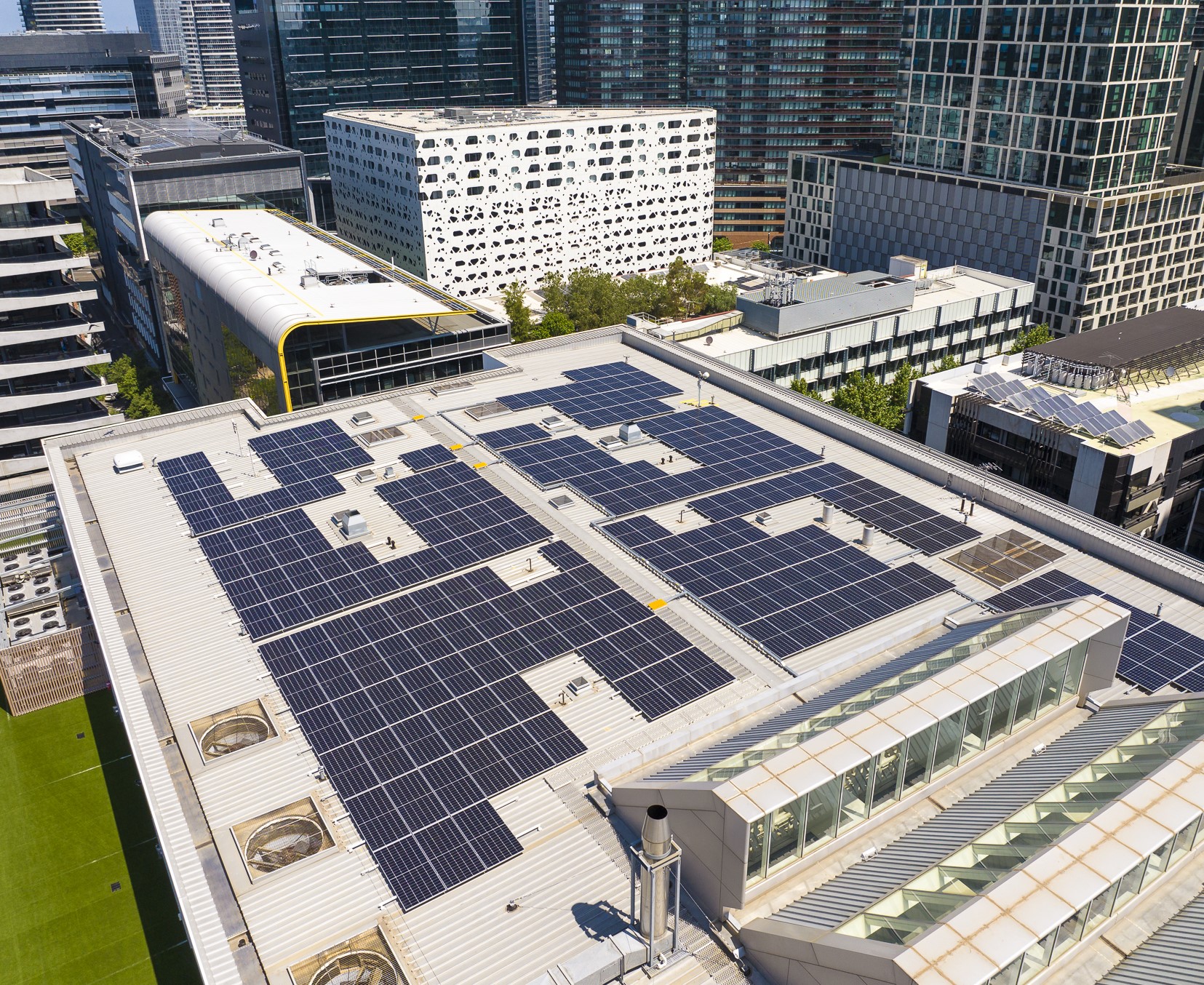
Commercial solar ROI in 2026: Maximise your business savings

Scaling SAFe in large-scale energy organisations: How executives can harness the Scaled Agile Framework (SAFe) to accelerate the energy transition

Always-On Agile operating model for Australia’s energy transition

Integrated energy & carbon strategies: A Playbook for future-proofing Australian manufacturing

Weathering the storm: Protects solar assets from heavy rainfall risk
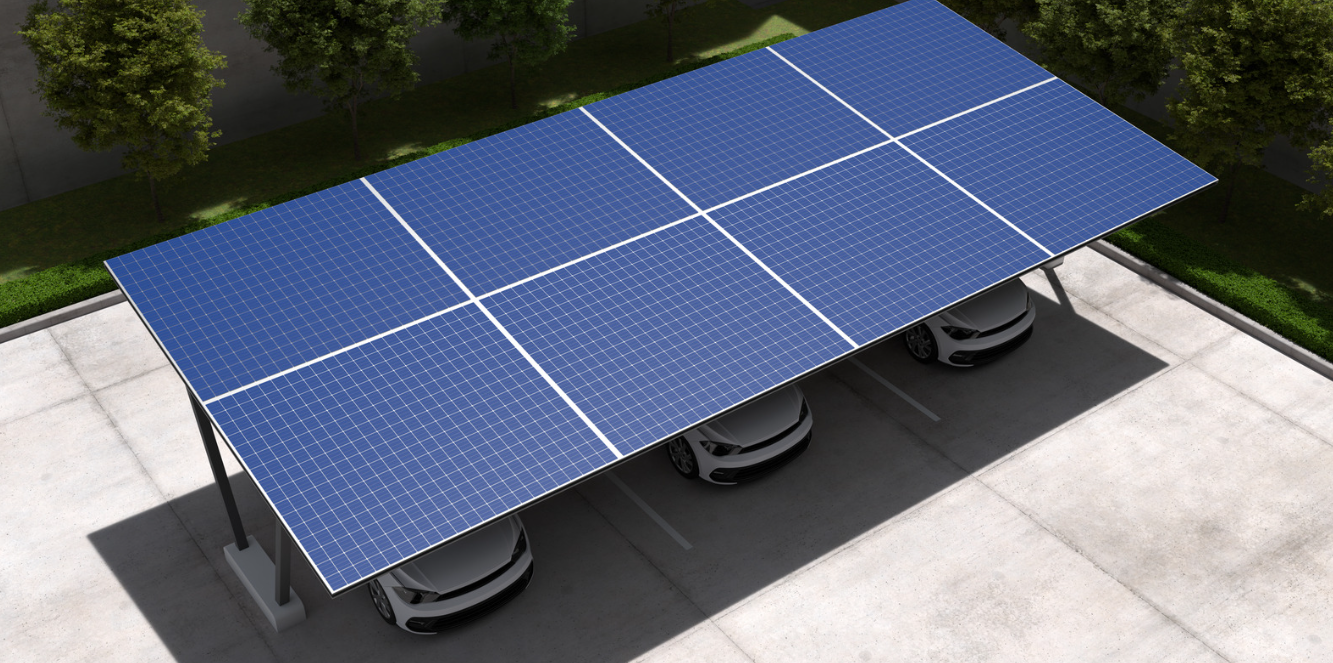
Transforming dead space into active assets: How Agile unlocks roofs, car parks, and land for revenue

Agile Advantage Ed. 9 - Why energy data is the new gold for Australian manufacturer
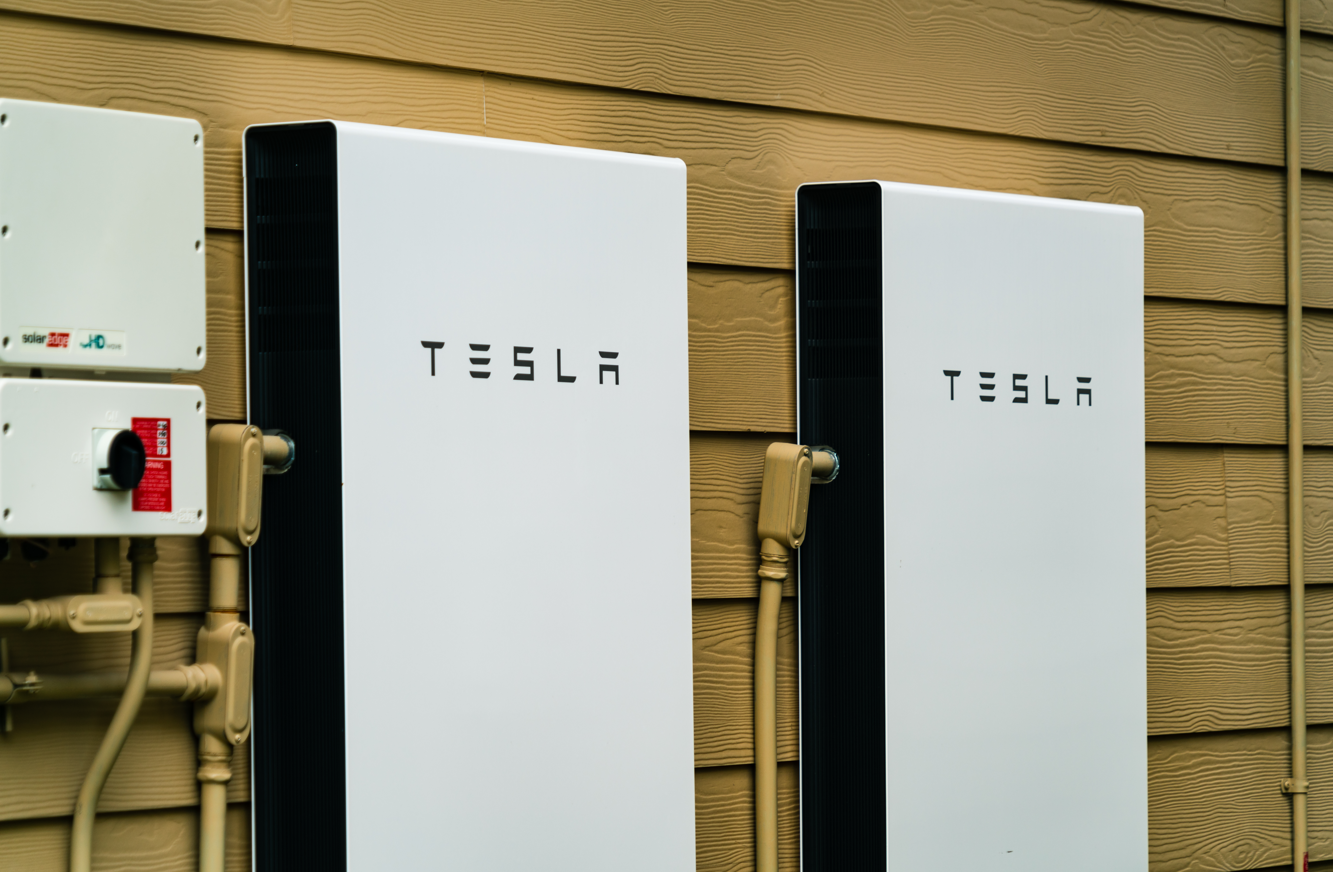
Solar Battery Rebate

Agile Advantage Ed. 8 - E is Everything: Energising Australian Businesses

Agile Advantage Ed. 7 - Riding the renewable wave: Why Australian businesses are embracing solar energy

Agile Advantage Ed. 6 - Why CFOs should prioritise renewable energy investments in 2025

Empowering Australian Businesses: Unlocking energy efficiency and sustainability

Agile Advantage Ed. 5 - Inspiring the young workforce: How rolling out renewables sparks motivation

The power of vertical integration in solar project delivery
Agile Advantage Ed. 4 - Making complex simple: Navigating the complexity of solar installations

Rising cost of insurance : Impact on solar assets

Monetising your solar assets: Converting pre-purchased systems into power purchase agreements (PPAs)

Agile Advantage Ed. 3 - The Magic of experience: Partnering for performance in renewables

Solar rooftop safety: Risk management guide

Agile Advantage Ed. 2 - Clear paths to carbon reduction: Renewables and more for Australian businesses

Agile Advantage Ed. 1 - Seven deadly sins of solar installations: Mistakes businesses must avoid

CEO's view on managing increasing energy costs

What are Small-scale technology certificates (STC)?

Carbon Accounting and your business

Join Agile Energy at the Healthcare Real Estate Summit

Carbon Projects - Where to Start?

TRADE ACCUs WITH US! From the desk of Equipoised Group
Ready to power your business with Sustainable Energy?
Let's take the first step towards a brighter and greener future.