Agile Boardroom 5: Energy as competitive advantage in private equity portfolios
.jpg)
Private equity investors are increasingly recognising that energy strategy is more than an operational concern?it is a potential source of competitive advantage. In 2026, energy costs, resilience and sustainability performance can influence not only the operational efficiency of portfolio companies but also their attractiveness to future buyers and investors.
For portfolio managers, understanding how energy impacts value, risk and growth is becoming a critical component of due diligence and ongoing portfolio management.
Why Energy Matters in Private Equity
Energy represents both a cost and a lever, so when managed effectively, it can drive operational efficiency, reduce risk and enhance sustainability credentials. Ignored or poorly managed, it can create hidden costs, operational vulnerability and reputational risk.
Energy can influence portfolio performance in multiple ways including:
• Reducing operating expenses and improving EBITDA margins
• Mitigating exposure to energy price volatility and supply disruptions
• Enhancing sustainability credentials for investors, regulators and customers
• Supporting long-term strategic positioning and growth opportunities
• Ensuring operational continuity: reliable energy supply directly prevents production downtime, service interruptions or costly operational losses
Integrating energy considerations into portfolio strategy allows investors to unlock value beyond traditional operational levers.
Energy Strategy as a Value Driver
Portfolio companies that actively manage energy are better positioned to capture multiple benefits:
• Operational Efficiency: Targeted energy initiatives can lower costs, optimise production and reduce waste
• Resilience and Reliability: Backup power, diversified supply, demand management and reliable energy systems reduce the risk of costly disruptions and operational downtime
• Sustainability: Meeting emissions targets and improving ESC performance can strengthen investor confidence and market positioning
• Financial Visibility: Predictable energy costs improve cash flow forecasting, budgeting and valuation accuracy
Investors are increasingly assessing these factors when evaluating acquisition opportunities or operational performance within existing portfolio companies.
Implementing Energy Advantage in Portfolios
Achieving competitive advantage through energy requires a structured approach:
1. Assess Exposure: Review current energy spend, price volatility, supply risk and operational impact
2. Identify Opportunities: Target cost reduction, efficiency, resilience, on-site generation, renewable integration and reliability improvements.
3. Integrate into Strategy: Align energy initiatives with growth, capital allocation, ESG objectives, risk management and operational continuity
4. Monitor Performance: Track savings, reliability, emissions and operational outcomes over time
Portfolio companies that embed energy into their business strategy are often more resilient, efficient and attractive for exit.
CFO Checklist
Energy Advantage in Portfolio Companies
While energy strategy impacts the whole organisation, CFOs are critical for evaluating financial implications, risks and strategic value. This checklist is designed to guide finance leaders in portfolio companies.
Financial Impact
• Have we quantified the impact of energy costs on EBITDA and cash flow?
• Do we understand exposure to energy price volatility?
• Are energy initiatives aligned with capital allocation and ROI targets?
• Could improved energy management enhance profitability or valuation?
Risk and Reliability
• Which operations or sites are most vulnerable to energy disruption?
• Have we assessed the cost of downtime and potential operational losses?
• Could improved energy reliability prevent disruptions and protect revenue?
• Are there opportunities to increase resilience through diversification, backup power or on-site generation?
• Have energy risks been integrated into broader business continuity planning?
Strategic Value
• Does the energy strategy support ESG goals and sustainability targets?
• Could energy initiatives strengthen market positioning or stakeholder confidence?
• Are energy decisions aligned with long-term portfolio growth and exit strategy?
• Is there clear oversight and accountability for energy risk and strategy?
Final Thoughts
In 2026, energy is not only a cost but a strategic differentiator. Private equity portfolios that consider energy across operations, reliability, risk and sustainability can unlock operational efficiency, strengthen resilience and improve portfolio valuation.
Agile supports investors and portfolio companies in turning energy from a compliance or cost issue into a competitive advantage. Through market insight, implementation expertise and financial analysis, Agile helps businesses identify opportunities, manage risk and create measurable value across their energy strategy.

Agile Advantage Ed.22 - When Power Fails, Product Fails: Energy Resilience in Cold Chain

Agile Boardroom 7 - 2026 Energy Risk: A Framework for Reliability, Cost and Continuity
Big News for Business Solar: SRES Rebate Now Covers Systems 10x Larger

Agile Advantage Ed.21 - From Backup to Strategy: Batteries as business Continuity Infrastructure
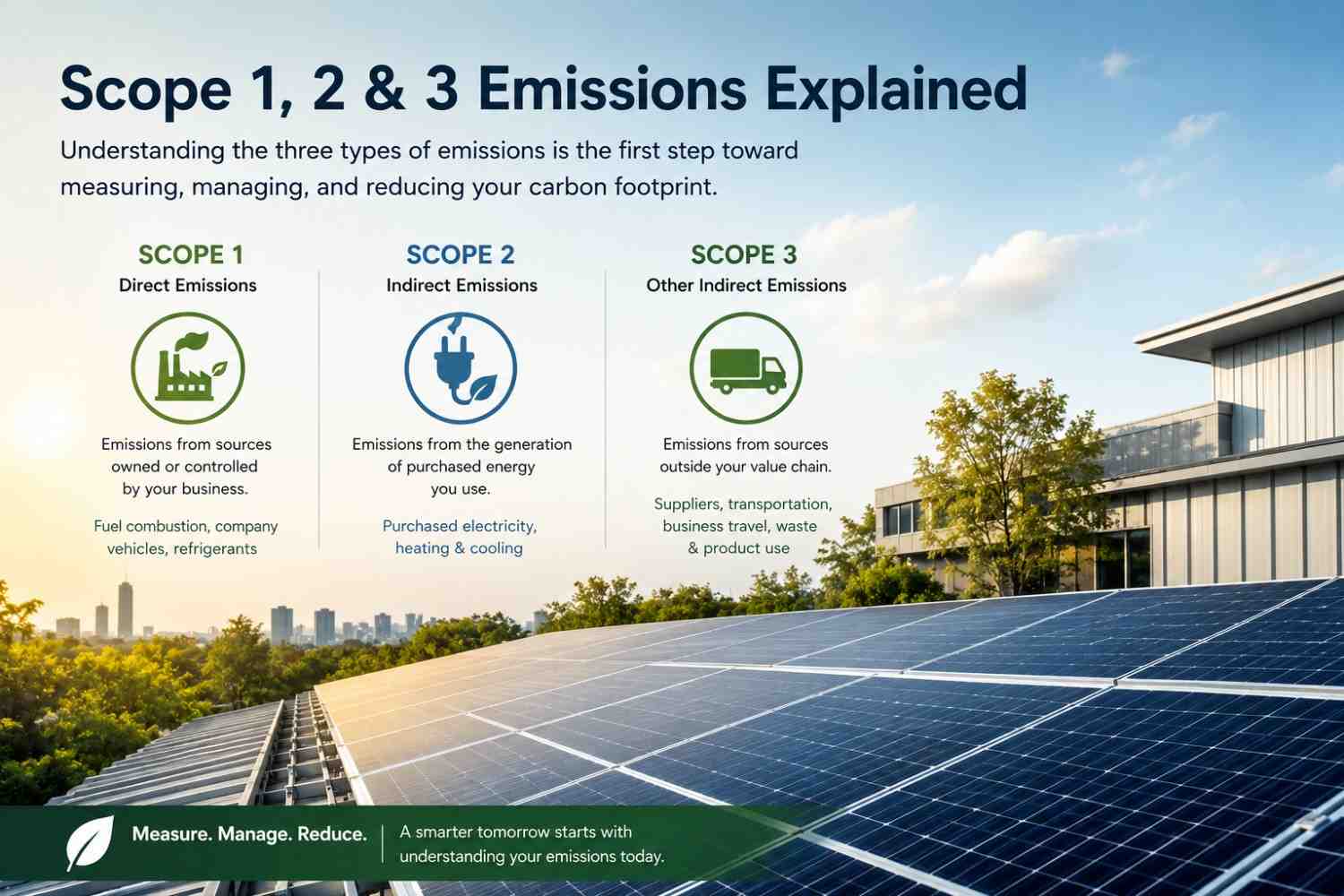
What Are Scope 1, 2 and 3 Emissions?

What Is Carbon Offsetting and Should Businesses Use It?
What Is RE100 and Should Your Business Join?
How Can Businesses Reduce Peak Demand Charges?
What Are Demand Charges and How Are They Calculated?
What Is Commercial Energy Procurement? A Guide for Australian Businesses

Agile Boardroom 6 - Where should capital go? Core Business vs Energy Infrastructure

Agile Advantage Ed.20 - Energy Security for Australian Businesses: Operating Through Global Instability

Is Your Business Too Dependent on the Grid? Here's What to Do
Network Charges Explained: The Fastest-Growing Cost on Your Business Power Bill

Agile Advantage Ed.19 - The End of Cheap Diesel: What Businesses Need to Know
Energy-as-a-Service Explained for Commercial Property Owners

Agile Boardroom 4 - Geopolitics meets energy: What CFOs must factor into energy strategy

Agile Advantage Ed.18 - Keeping Production Running: Battery Storage for Outage Management in Manufacturing

Agile Boardroom 3 - The Bankable PPA: What Lenders, Boards and Investors actually require

Australia is experiencing a clean energy revolution as commercial and domestic landlords turn rooftops into revenue

Landlords turn to rooftop solar to yield income

Commercial landlords turning rooftops into ‘profit machines’ through solar installations

Solar PPA for Schools: Reduce Electricity Costs Without Upfront Investment
Agile Energy Featured on Business Essentials Podcast
.png)
Schools access cheaper electricity
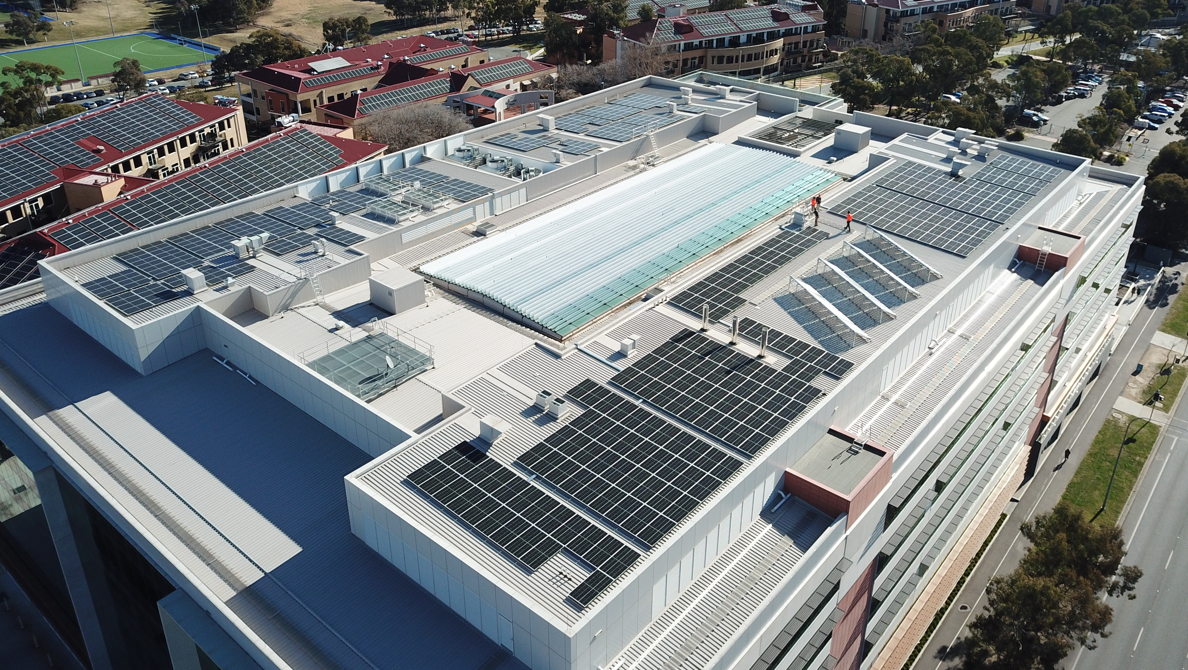
Australia undergoes a clean energy revolution as commercial and domestic landlords turn rooftops into revenue
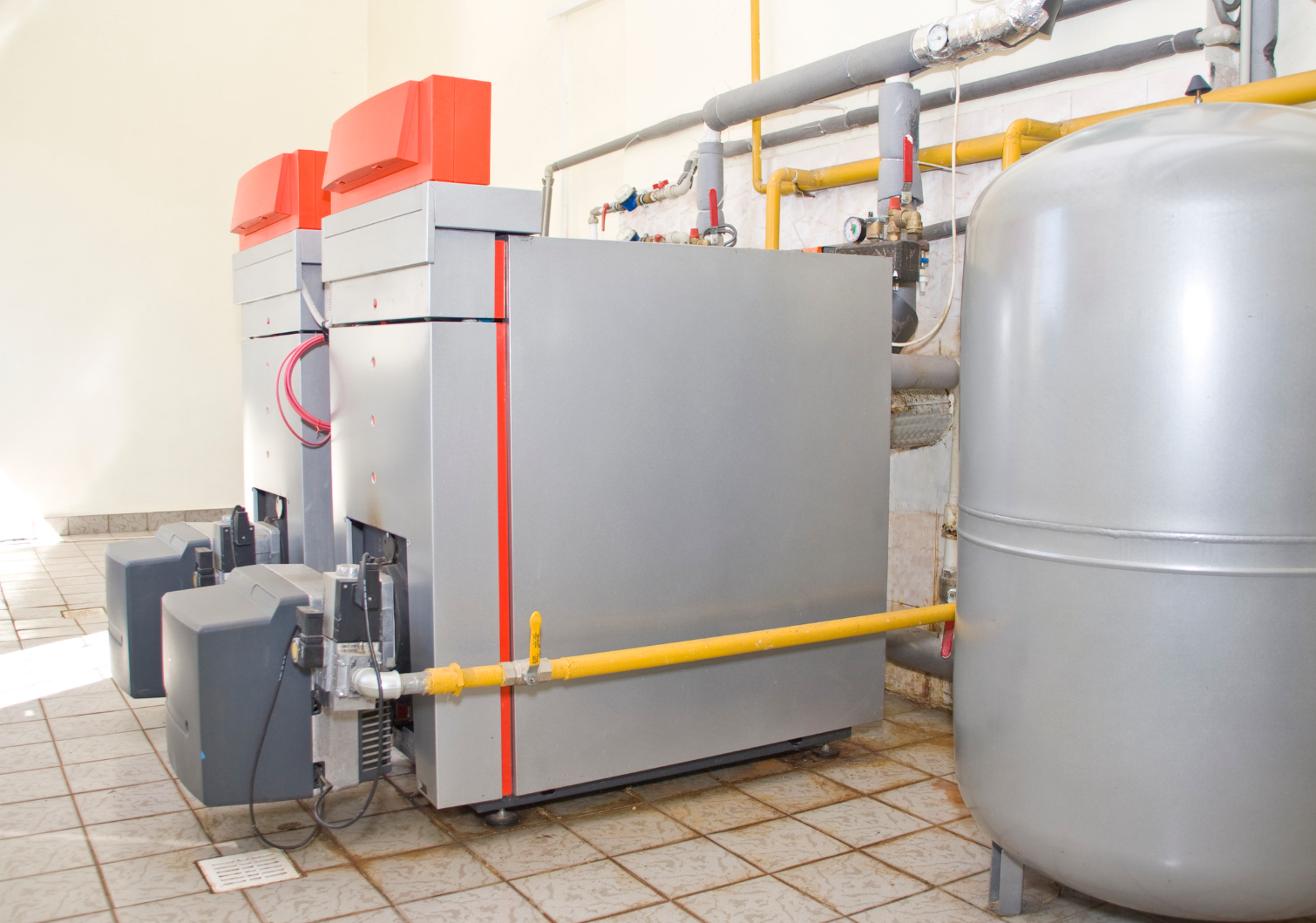
Agile Advantage Ed.17 - Solar for Process Heat: Replacing Gas Boilers in Food and Beverage Manufacturing

5 Reasons Why Capital-Funded Solar is the Safest Energy Transition Strategy in 2026

Industrial vs Commercial Solar Systems: Which Energy Solution Is Right for Your Business?

Agile Boardroom 2 - Solar + Storage Under Tight Operating Budgets: Education & Not-for-Profit

Agile Advantage Ed. 16 - Cutting Diesel Dependency: Solar battery PPAs for remote farming operations

Agile Boardroom 1 - A Competitive Advantage in Government & Enterprise Tenders: The Decarbonised Bid

Agile Advantage Ed. 15 - Winning the war on peak prices: Load Shifting, Storage and Smart Controls for C&I

The summer surge: How to keep energy bills cool when temperature rise

Agile Advantage Ed. 14 - The 2026 solar health check: From legacy systems to strategic assets
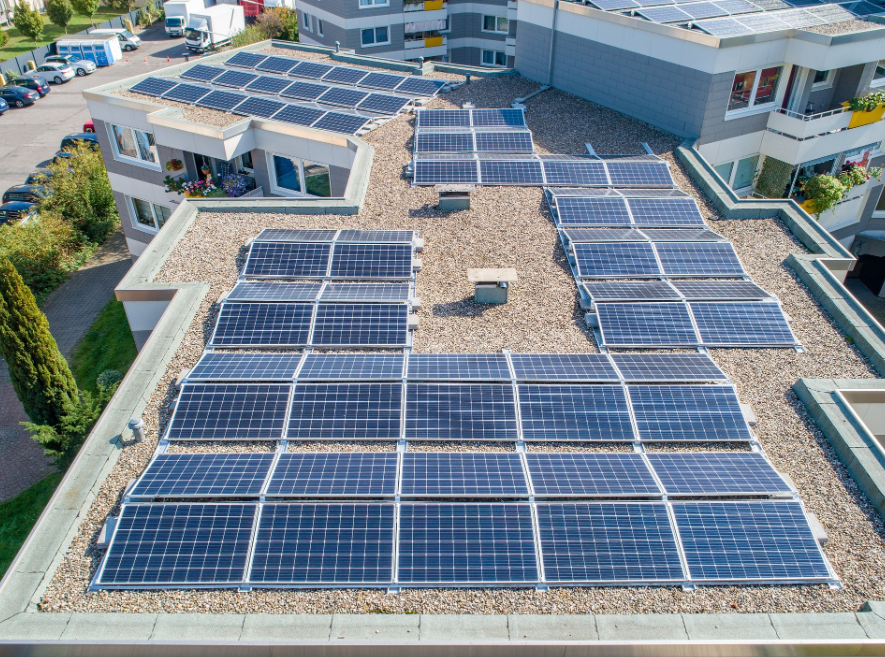
Solar vs Grid Energy Price Escalation: 2026 Outlook

Agile Advantage Ed. 13 - From energy users to market participants: How Agile businesses are monetising flexibility
Mandatory Climate Reporting: What CFOs need to know (2026–2028)

Agile Advantage Ed. 11 - Unlocking full value from solar & storage: The business case for batteries

End-of-Year Energy Audit: 10 ways to start 2026 leaner and cleaner

Agile Advantage Ed. 10 - Embedded Networks 101: Turning electricity from a cost centre into a profit centre
Top 5 Energy Incentives for Australian Businesses (2025)

Managing solar and battery rollouts for national portfolio

Risk management in renewables

Commercial solar ROI in 2026: Maximise your business savings

Scaling SAFe in large-scale energy organisations: How executives can harness the Scaled Agile Framework (SAFe) to accelerate the energy transition

Always-On Agile operating model for Australia’s energy transition

Integrated energy & carbon strategies: A Playbook for future-proofing Australian manufacturing

Weathering the storm: Protects solar assets from heavy rainfall risk

Transforming dead space into active assets: How Agile unlocks roofs, car parks, and land for revenue

Agile Advantage Ed. 9 - Why energy data is the new gold for Australian manufacturer

Solar Battery Rebate

Agile Advantage Ed. 8 - E is Everything: Energising Australian Businesses

Agile Advantage Ed. 7 - Riding the renewable wave: Why Australian businesses are embracing solar energy

Agile Advantage Ed. 6 - Why CFOs should prioritise renewable energy investments in 2025

Empowering Australian Businesses: Unlocking energy efficiency and sustainability

Agile Advantage Ed. 5 - Inspiring the young workforce: How rolling out renewables sparks motivation

The power of vertical integration in solar project delivery

Agile Advantage Ed. 4 - Making complex simple: Navigating the complexity of solar installations

Rising cost of insurance : Impact on solar assets

Monetising your solar assets: Converting pre-purchased systems into power purchase agreements (PPAs)

Agile Advantage Ed. 3 - The Magic of experience: Partnering for performance in renewables

Solar rooftop safety: Risk management guide

Agile Advantage Ed. 2 - Clear paths to carbon reduction: Renewables and more for Australian businesses

Agile Advantage Ed. 1 - Seven deadly sins of solar installations: Mistakes businesses must avoid

CEO's view on managing increasing energy costs

What are Small-scale technology certificates (STC)?

Carbon Accounting and your business

Join Agile Energy at the Healthcare Real Estate Summit

Carbon Projects - Where to Start?

TRADE ACCUs WITH US! From the desk of Equipoised Group
Ready to power your business with Sustainable Energy?
Let's take the first step towards a brighter and greener future.