What Is Commercial Energy Procurement? A Guide for Australian Businesses
.jpg)
High cost of energy and increased market instability have now made electricity an important business consideration rather than just being an operating cost.
Australian organisations can improve their bottom line through the efficient management of energy. This is where an organised way of sourcing and managing energy becomes crucial.
What Is Commercial Energy Procurement?

Commercial energy procurement is defined as the systematic method by which companies obtain, negotiate, and control their source of electricity supply. It differs from selecting an electricity plan because commercial energy procurement involves decision making that takes into account the usage trends and market trends, among other factors. In the case of Australian companies, commercial energy procurement is very important.
Why Procurement Matters More for Businesses Than Households
The amount of electricity consumed by businesses is higher than that consumed by households, with a high degree of complexity involved. The business energy procurement Australia is therefore a much more complex affair. Small discrepancies with regard to pricing structures could have huge repercussions. Besides, companies should be aware of demand charges, network charges, and continuity, aspects that do not affect households.
The Commercial Energy Procurement Process (Step by Step)
1. Load/Usage Analysis
The initial part of the process involves conducting an analysis of consumption history to determine when and how the energy is being used. This helps in identifying inefficiencies and developing an electricity procurement strategy according to these findings.
2. Market Timing
There are times of high and low electricity prices in Australia, influenced by a variety of reasons. Correct timing of the market becomes very important for the minimisation of costs, so it becomes necessary to analyse trends and forecasts before committing to a certain price level.
3. Tender & Contract Negotiation
The businesses usually conduct tenders inviting various retailers to supply energy. The part of the process includes energy contract negotiation to get the best pricing structure, conditions, etc.
4. Contract Execution & Management
After concluding the negotiations, the management of the contract becomes critical. It helps in maintaining performance tracking, compliance, and future optimisation opportunities.
Procurement Models
1. Fixed vs Flexible
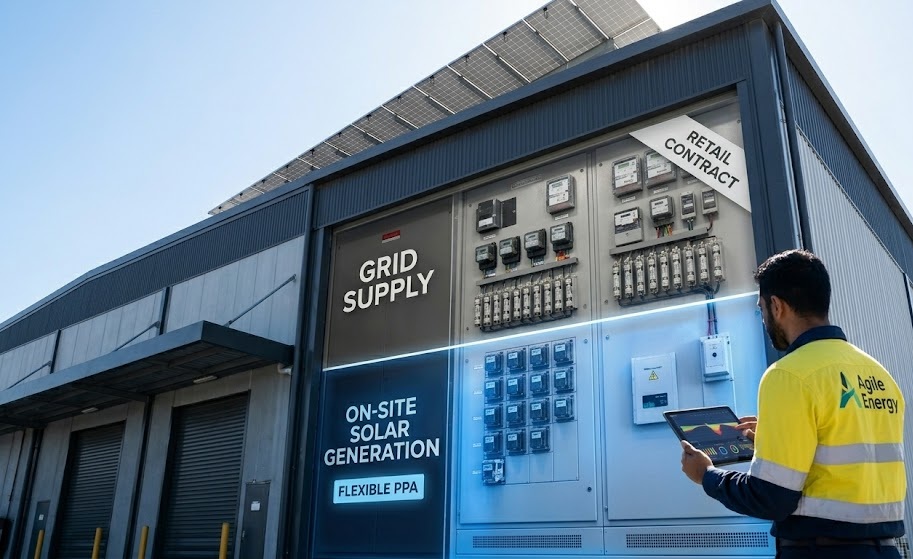
In fixed contracts, prices are certain, but flexible models give businesses the chance to buy their energy through stages over a period of time.
2. Retail vs Wholesale (Pool) Exposure
In retail contracts, both energy and network charges are bundled together. However, in wholesale exposure, businesses get the chance to buy energy from the pool.
3. PPAs and On-Site Generation
PPAs (Power Purchase Agreements) and on-site generation are becoming increasingly popular in today’s world. This is especially true when integrating sustainable business energy solutions in procurement strategies.
What Does Energy Procurement Mean for a Business?

For business, energy procurement means more than just saving on costs. It is about having control over energy purchases, the ability to foresee future expenses, and the sustainable energy purchasing practice that businesses are increasingly adopting.
How Is Commercial Procurement Different from a Household Plan?
Commercial procurement means that there are customised contracts, greater volume, and complicated pricing structures. This makes the commercial energy purchase process different from that of individual households, where negotiations with the supplier are conducted by professionals such as Agile Energy. Moreover, commercial electricity contracts include demand-related, capacity-related, and market exposure-related clauses, which are not included in residential agreements.
What Is a Retail vs Wholesale Electricity Contract?
A retail contract is a bundled deal by an energy retailer that combines electricity supply with network costs. Conversely, a wholesale contract entails a business being subjected to current market prices and thus comes with both advantages and disadvantages.
How Long Should a Business Energy Contract Be?
The contract period can last from 1 year to 5 years. Short-term contracts offer flexibility while long-term contracts provide pricing stability. It depends on the prevailing market situation.
Key Contract Terms to Understand
Peak/Off-Peak: Prices differ according to the time when the electricity is consumed, and “peak prices” will be higher.
Demand: Pricing depending on the highest amount of electricity consumption during a certain period.
Network Pass-Through: Infrastructure and distribution costs, which can vary.
Capacity: The total amount of electricity available for a company at any given point in time.
It is important to have knowledge about these terms when making energy buying for business decisions.
How On-Site Solar and PPAs Reduce Procurement Risk
Solar energy integration in procurement approaches can greatly decrease dependence on grid power. Many organisations are now collaborating with commercial solar installers Sydney to install such a system that will offset energy costs.
Likewise, industrial solar power systems offer big energy solutions for manufacturing processes. Collaborating with a commercial solar power company enables organizations to stabilize their energy costs while cutting down their carbon footprints.
Common Procurement Mistakes and How to Avoid Them
Ignoring usage data: Causes poorly constructed contracts.
Focusing only on price: Ignoring other conditions can lead to concealed charges.
Poor timing: Fixing prices at high market peaks causes increased expenditures.
Lack of expertise: Not seeking advice from experts such as Agile Energy reduces optimisation chances.
Steering clear of these errors makes procurement more efficient.
When to Use an In-House Team, a Broker, or a Consultant
In-House Team: This is suitable for large companies that have dedicated energy managers.
Broker: It makes things easier to evaluate offers by different retailers, but it lacks strategy.
Consultant: This provides you with full information and advice, including tailored strategies and market insights. All this information is required for managing complicated energy needs.

Agile Advantage Ed. 23 -Turn energy into an operating expense, not capital investment

How Big a Commercial Solar System Do I Need? A Sizing Guide for Australian Businesses
Solar and Battery vs Solar Only: When Does the Extra Cost Pay Off?
Agile Advantage Ed.22 - When Power Fails, Product Fails: Energy Resilience in Cold Chain

Agile Boardroom 7 - 2026 Energy Risk: A Framework for Reliability, Cost and Continuity
Big News for Business Solar: SRES Rebate Now Covers Systems 10x Larger

Agile Advantage Ed.21 - From Backup to Strategy: Batteries as business Continuity Infrastructure
What Are Scope 1, 2 and 3 Emissions?
What Is Carbon Offsetting and Should Businesses Use It?
What Is RE100 and Should Your Business Join?
How Can Businesses Reduce Peak Demand Charges?
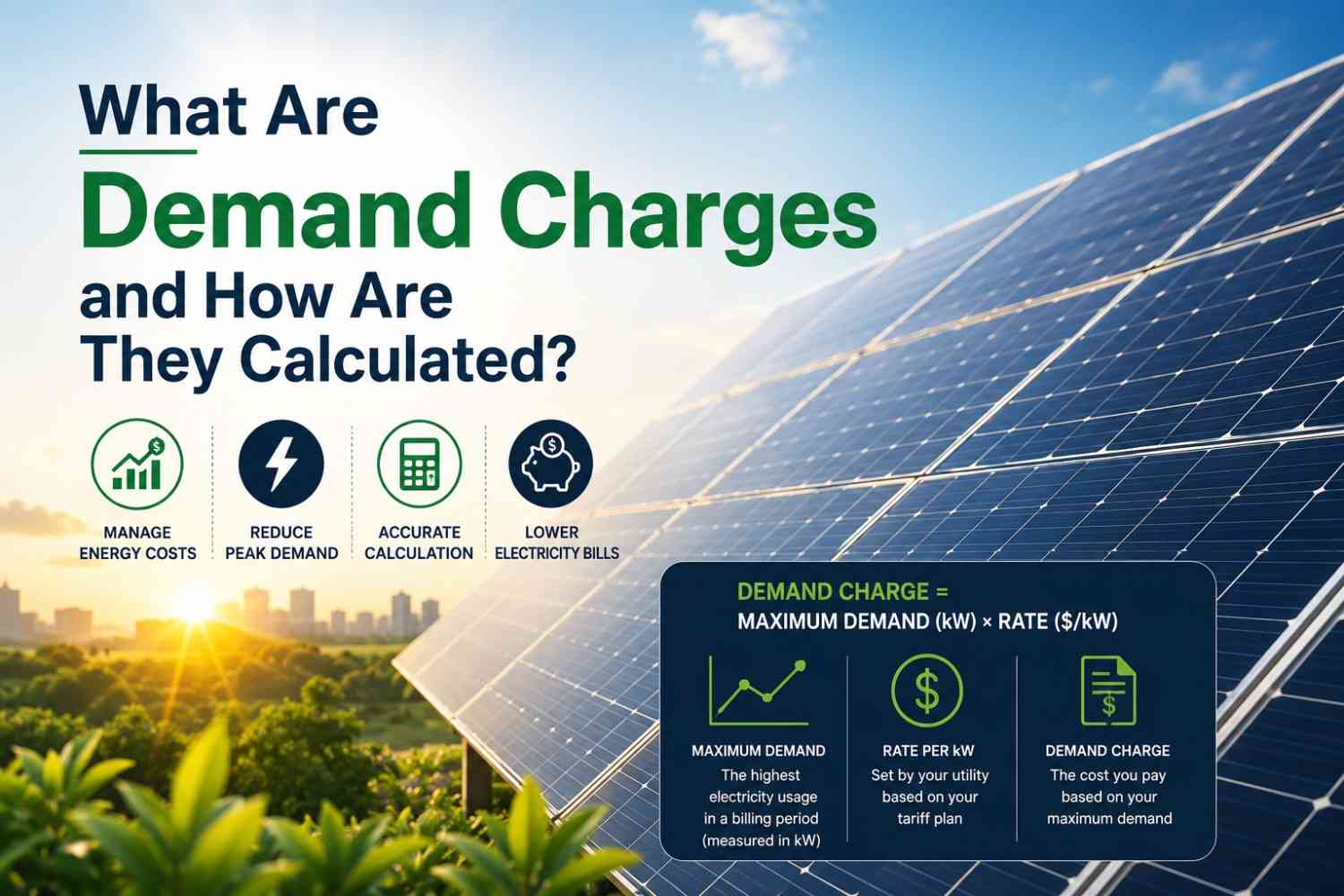
What Are Demand Charges and How Are They Calculated?

Agile Boardroom 6 - Where should capital go? Core Business vs Energy Infrastructure
Agile Advantage Ed.20 - Energy Security for Australian Businesses: Operating Through Global Instability

Is Your Business Too Dependent on the Grid? Here's What to Do
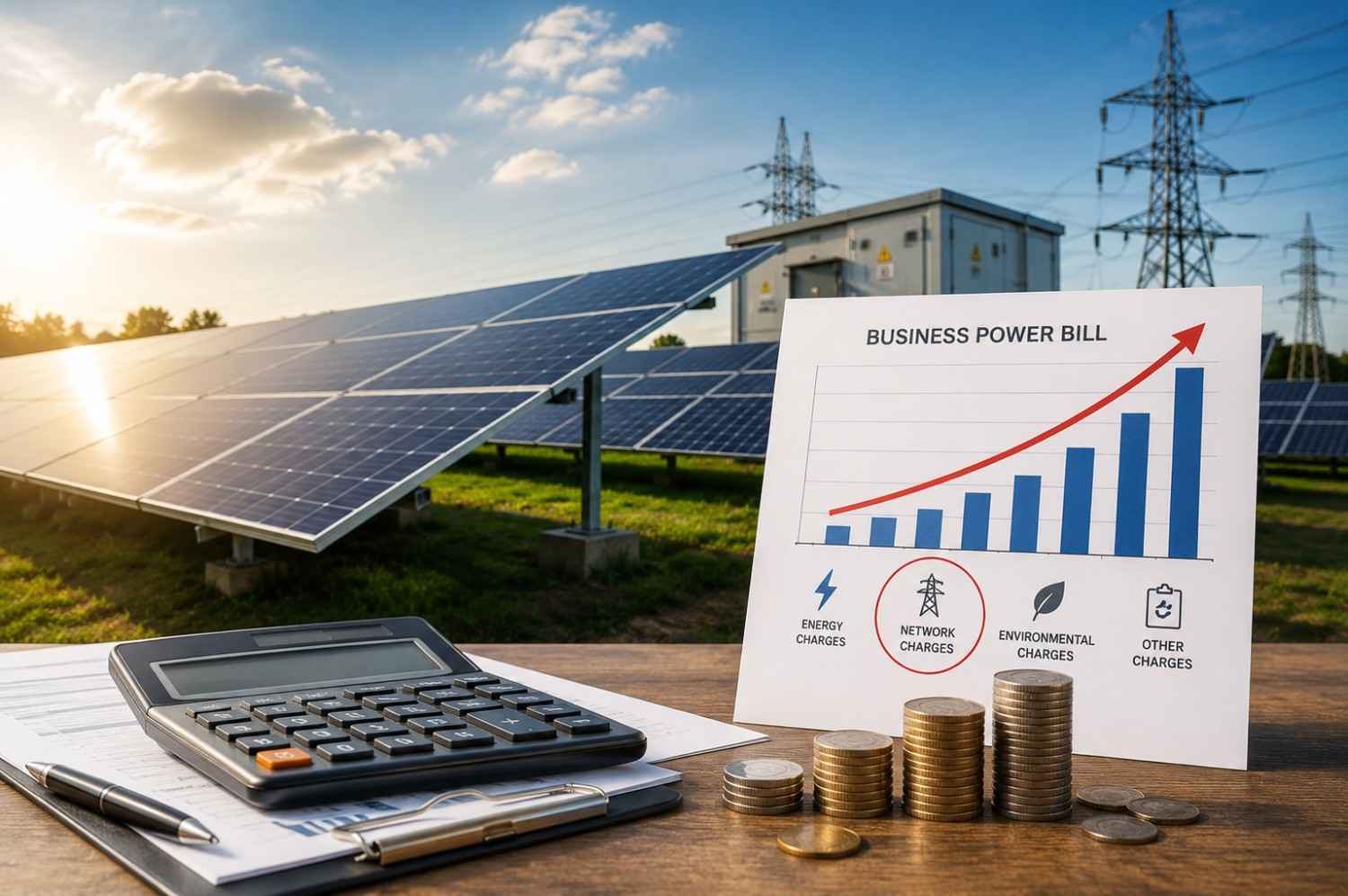
Network Charges Explained: The Fastest-Growing Cost on Your Business Power Bill

Agile Boardroom 5: Energy as competitive advantage in private equity portfolios

Agile Advantage Ed.19 - The End of Cheap Diesel: What Businesses Need to Know
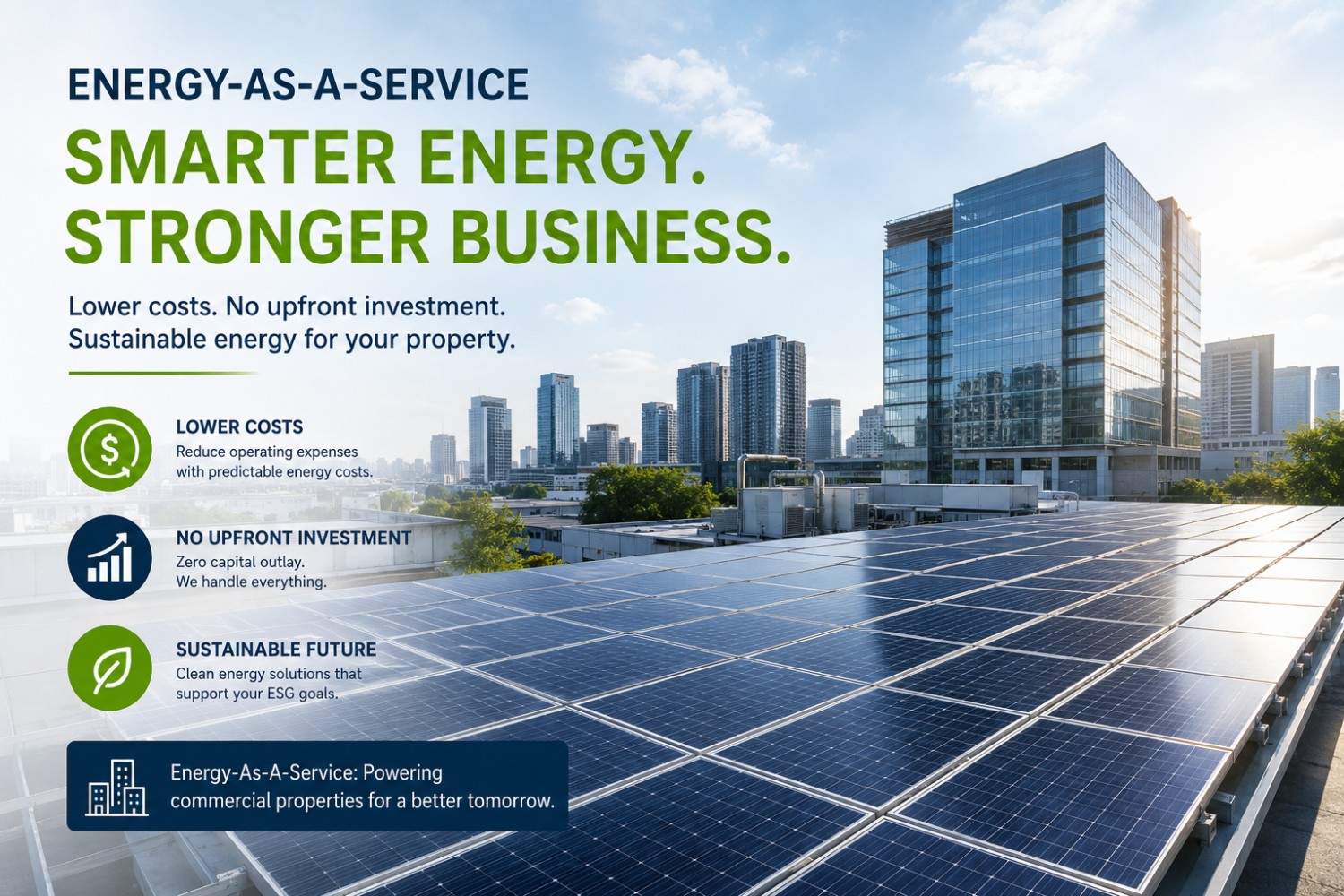
Energy-as-a-Service Explained for Commercial Property Owners

Agile Boardroom 4 - Geopolitics meets energy: What CFOs must factor into energy strategy

Agile Advantage Ed.18 - Keeping Production Running: Battery Storage for Outage Management in Manufacturing

Agile Boardroom 3 - The Bankable PPA: What Lenders, Boards and Investors actually require

Australia is experiencing a clean energy revolution as commercial and domestic landlords turn rooftops into revenue
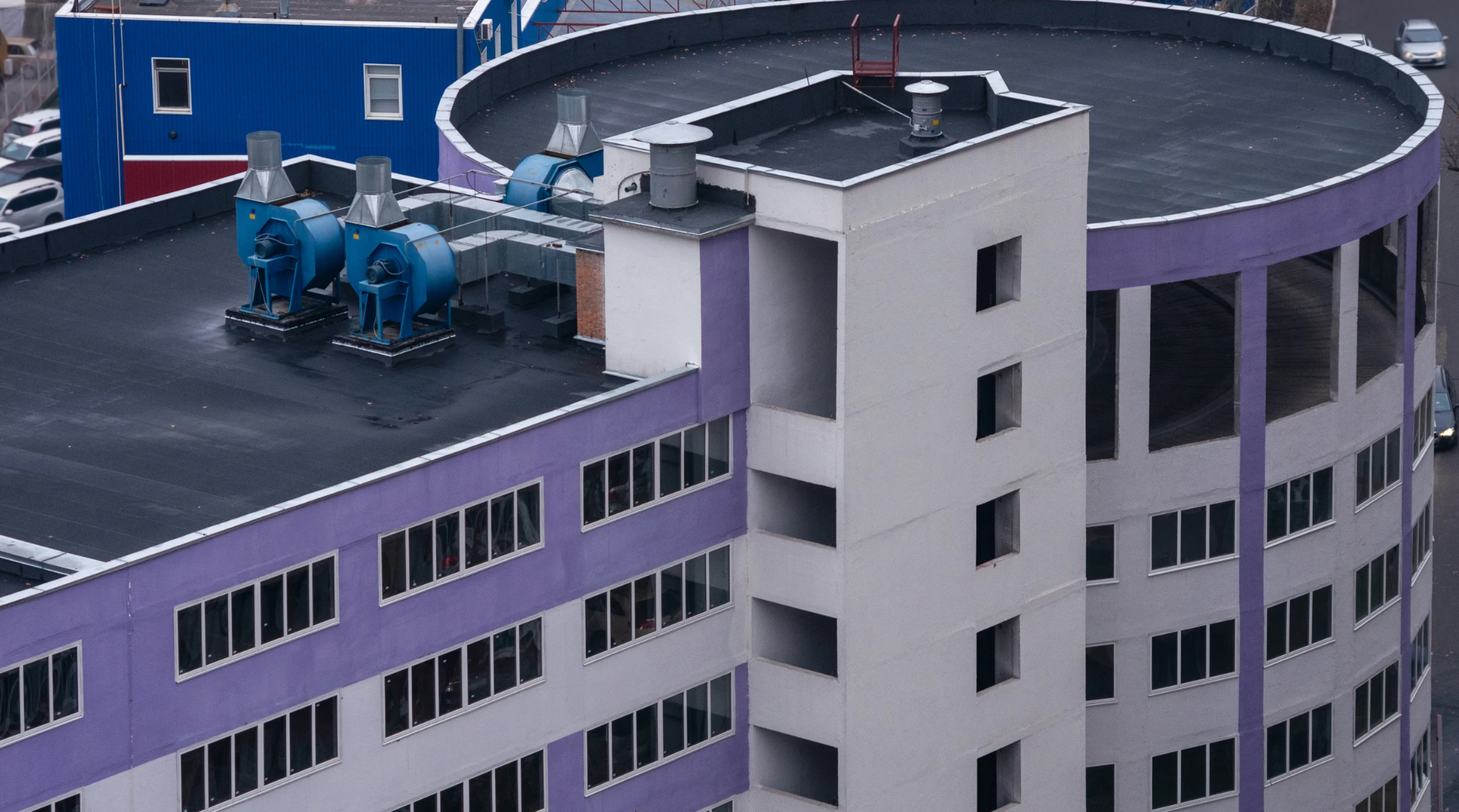
Landlords turn to rooftop solar to yield income

Commercial landlords turning rooftops into ‘profit machines’ through solar installations

Solar PPA for Schools: Reduce Electricity Costs Without Upfront Investment
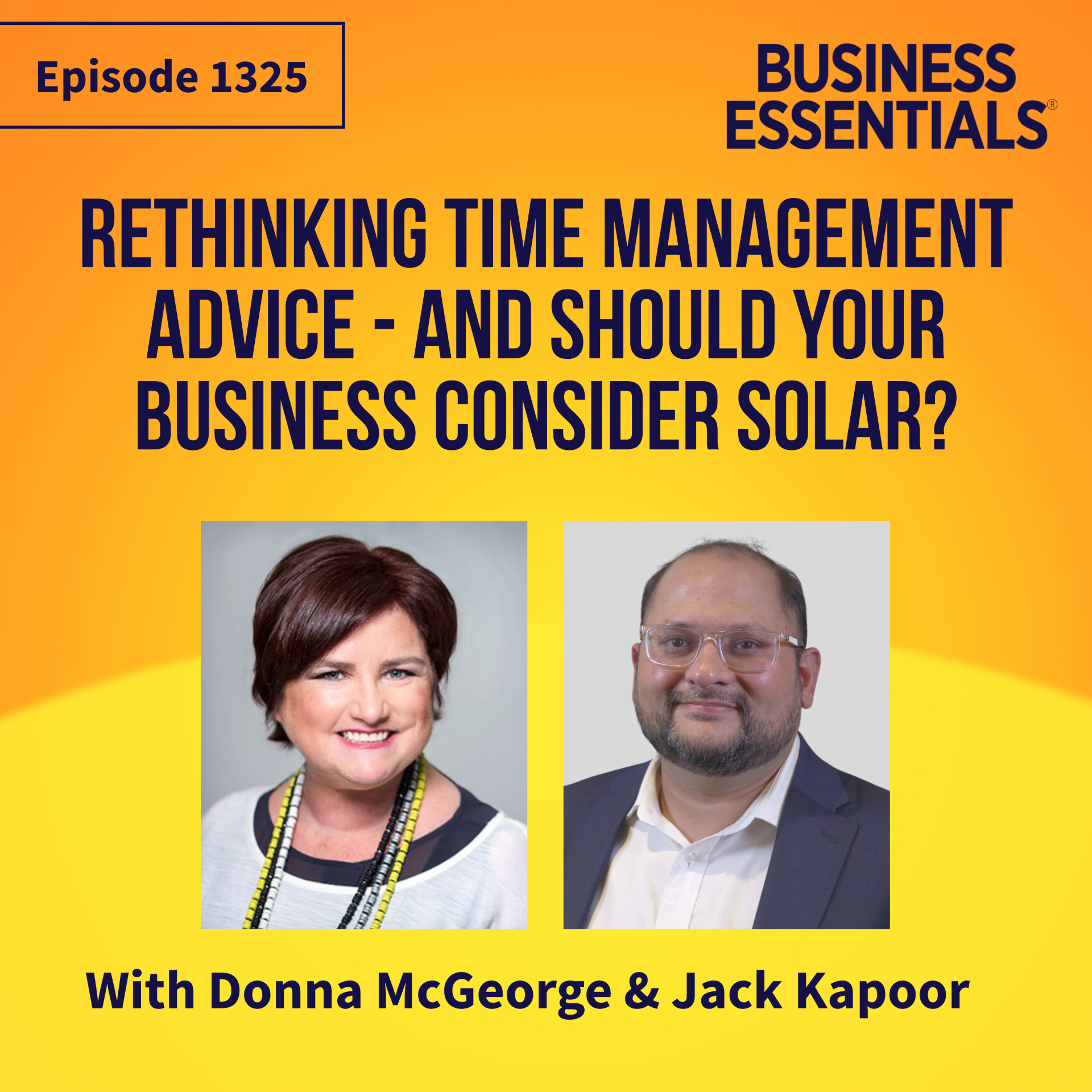
Agile Energy Featured on Business Essentials Podcast
.png)
Schools access cheaper electricity
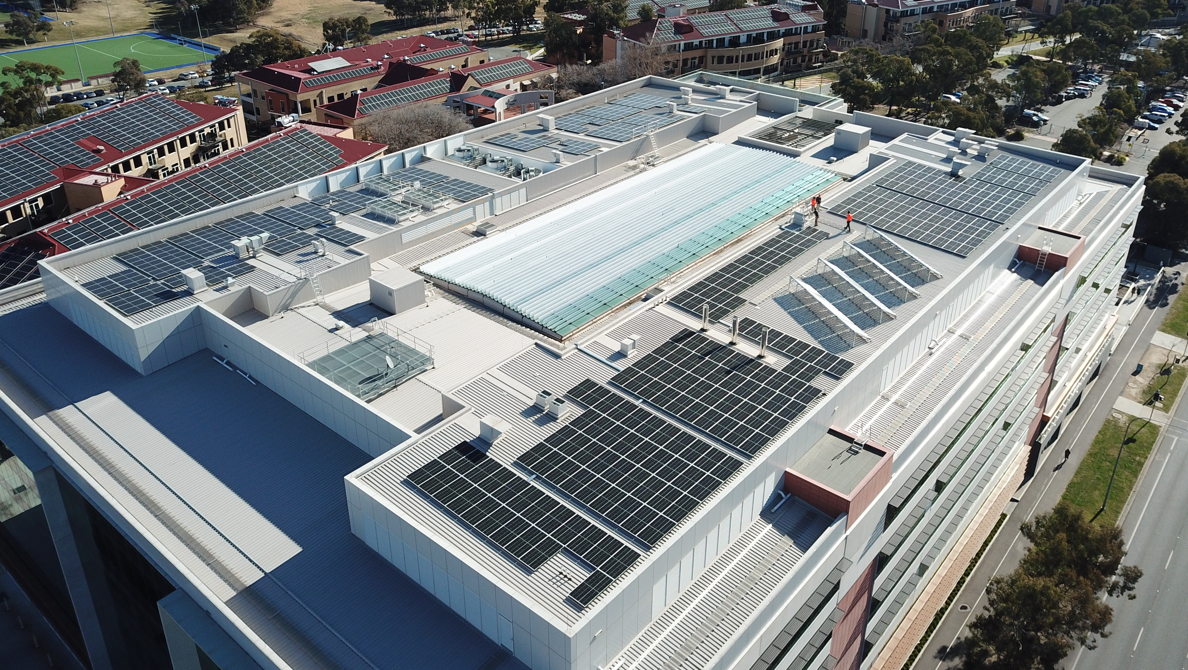
Australia undergoes a clean energy revolution as commercial and domestic landlords turn rooftops into revenue
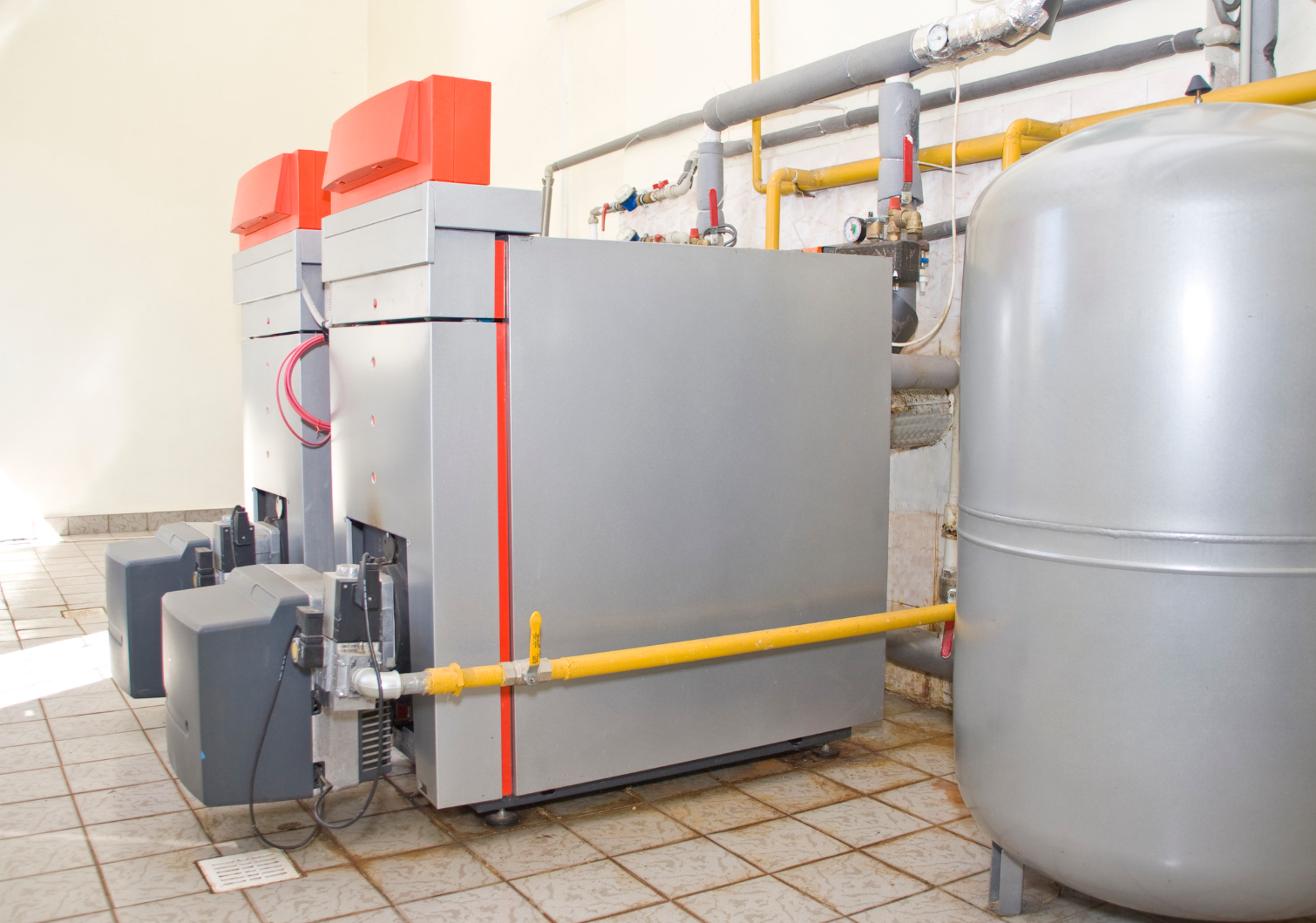
Agile Advantage Ed.17 - Solar for Process Heat: Replacing Gas Boilers in Food and Beverage Manufacturing

5 Reasons Why Capital-Funded Solar is the Safest Energy Transition Strategy in 2026
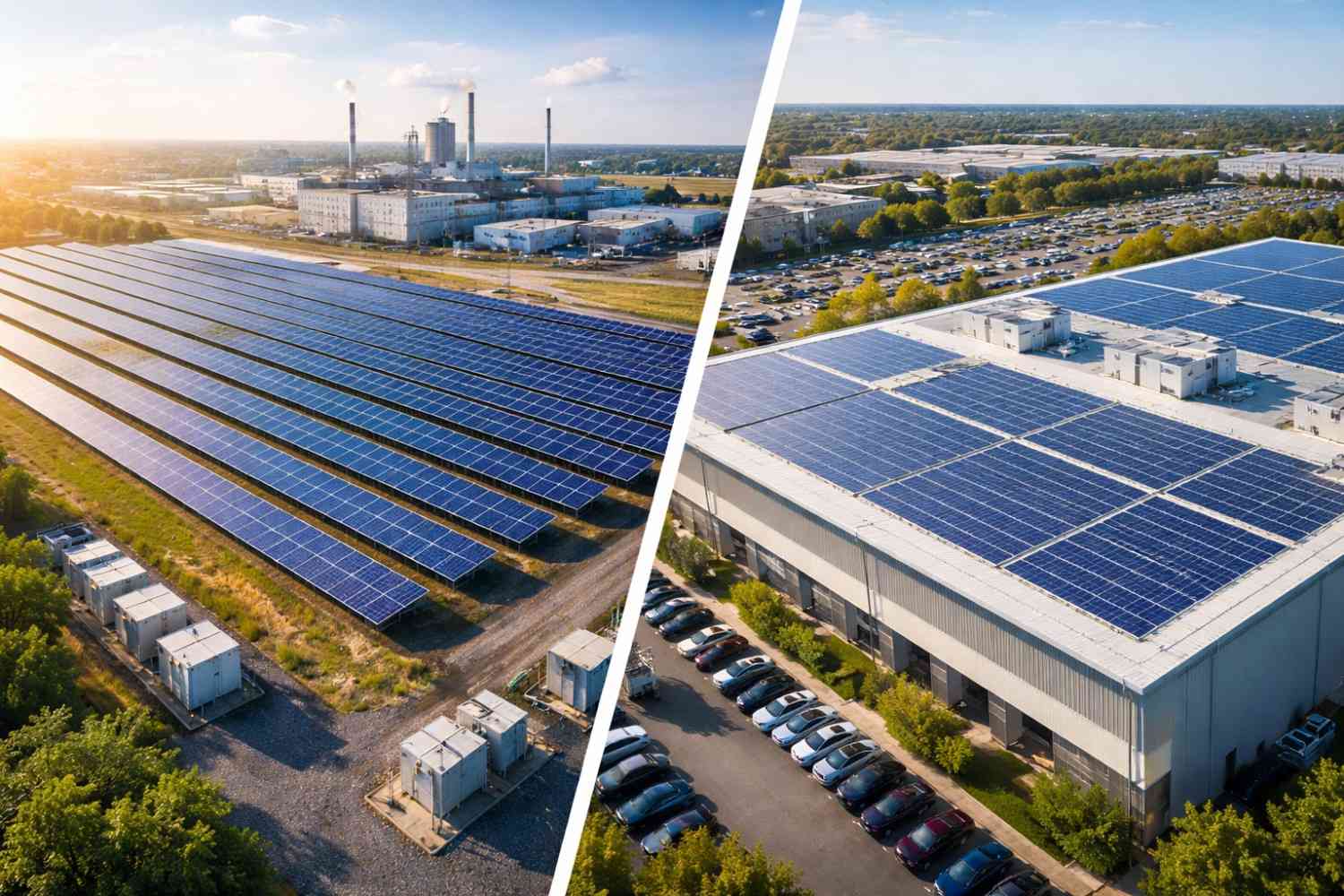
Industrial vs Commercial Solar Systems: Which Energy Solution Is Right for Your Business?

Agile Boardroom 2 - Solar + Storage Under Tight Operating Budgets: Education & Not-for-Profit

Agile Advantage Ed. 16 - Cutting Diesel Dependency: Solar battery PPAs for remote farming operations

Agile Boardroom 1 - A Competitive Advantage in Government & Enterprise Tenders: The Decarbonised Bid

Agile Advantage Ed. 15 - Winning the war on peak prices: Load Shifting, Storage and Smart Controls for C&I

The summer surge: How to keep energy bills cool when temperature rise

Agile Advantage Ed. 14 - The 2026 solar health check: From legacy systems to strategic assets
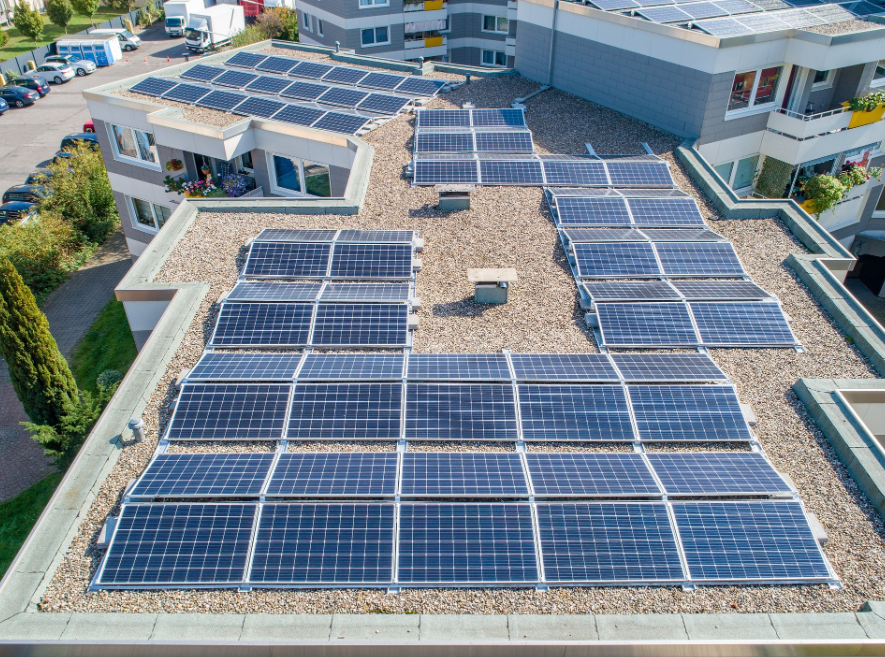
Solar vs Grid Energy Price Escalation: 2026 Outlook
Agile Advantage Ed. 13 - From energy users to market participants: How Agile businesses are monetising flexibility
Mandatory Climate Reporting: What CFOs need to know (2026–2028)

Agile Advantage Ed. 11 - Unlocking full value from solar & storage: The business case for batteries
End-of-Year Energy Audit: 10 ways to start 2026 leaner and cleaner

Agile Advantage Ed. 10 - Embedded Networks 101: Turning electricity from a cost centre into a profit centre
Top 5 Energy Incentives for Australian Businesses (2025)

Managing solar and battery rollouts for national portfolio

Risk management in renewables
Commercial solar ROI in 2026: Maximise your business savings

Scaling SAFe in large-scale energy organisations: How executives can harness the Scaled Agile Framework (SAFe) to accelerate the energy transition

Always-On Agile operating model for Australia’s energy transition

Integrated energy & carbon strategies: A Playbook for future-proofing Australian manufacturing

Weathering the storm: Protects solar assets from heavy rainfall risk
Transforming dead space into active assets: How Agile unlocks roofs, car parks, and land for revenue

Agile Advantage Ed. 9 - Why energy data is the new gold for Australian manufacturer
Solar Battery Rebate

Agile Advantage Ed. 8 - E is Everything: Energising Australian Businesses

Agile Advantage Ed. 7 - Riding the renewable wave: Why Australian businesses are embracing solar energy

Agile Advantage Ed. 6 - Why CFOs should prioritise renewable energy investments in 2025

Empowering Australian Businesses: Unlocking energy efficiency and sustainability

Agile Advantage Ed. 5 - Inspiring the young workforce: How rolling out renewables sparks motivation

The power of vertical integration in solar project delivery

Agile Advantage Ed. 4 - Making complex simple: Navigating the complexity of solar installations

Rising cost of insurance : Impact on solar assets

Monetising your solar assets: Converting pre-purchased systems into power purchase agreements (PPAs)

Agile Advantage Ed. 3 - The Magic of experience: Partnering for performance in renewables

Solar rooftop safety: Risk management guide

Agile Advantage Ed. 2 - Clear paths to carbon reduction: Renewables and more for Australian businesses

Agile Advantage Ed. 1 - Seven deadly sins of solar installations: Mistakes businesses must avoid

CEO's view on managing increasing energy costs

What are Small-scale technology certificates (STC)?

Carbon Accounting and your business

Join Agile Energy at the Healthcare Real Estate Summit

Carbon Projects - Where to Start?

TRADE ACCUs WITH US! From the desk of Equipoised Group
Ready to power your business with Sustainable Energy?
Let's take the first step towards a brighter and greener future.