What Is Carbon Offsetting and Should Businesses Use It?
.jpg)
Many organisations in Australia are now under increasing pressure to reduce their ecological footprint while being cost-effective and sustainable. With rising sustainability goals, many companies are now considering various options for the responsible management of emissions.
Carbon offsets are one such option that is talked about frequently. But before we get into that, it is important to know what carbon offsets are all about.
What Is Carbon Offsetting?
Carbon offsetting is an act where businesses compensate for their emission of greenhouse gases through investments that cut down or offset an equal amount of carbon dioxide in the atmosphere. Businesses do not directly eliminate their emissions but rather balance them out with environmental acts done externally.
For instance, the firm could engage in reforestation, installation of renewable energy sources, or methane gas capture projects in order to offset its emissions. In this manner, the firms can take urgent action against climate change despite the efforts to reduce it.
How Do Carbon Offsets Work?
Carbon offsets are usually denominated in tonnes of CO2 equivalent. When the company buys an offset, it basically acquires a certificate that signifies the reduction or elimination of one tonne of emissions.
Offset-producing projects include:
Generation of renewable energy for the purposes of displacing fossil fuels.
Forest preservation or reforestation.
Efficiency improvements in industry.
Reduction of agricultural emissions.
The verification process for each project ensures that there are genuine and permanent emissions reductions that can be quantified. This is why organisations prefer to work within the framework of organised carbon offsets business programs.
Are Carbon Offsets Worth It?
Offsets are important and have value, but they need to be used tactically and appropriately. Offsets offer a solution to unavoidable emissions, particularly those that cannot easily be reduced immediately.
However, offsets must not be considered a replacement for actual efforts. The best way for companies to achieve sustainability is through combining offsets with low-carbon energy solutions.
Agile Energy always helps businesses take the right path, which balances offsets and real reductions.
What are ACCUs?
ACCUs explained here: It is crucial for businesses working in Australia. The Australian Carbon Credit Unit (ACCU) refers to credits issued by the Australian government through the Emissions Reduction Fund.
One ACCU stands for one ton of CO₂ equivalent sequestered or reduced through various activities like:
Land regeneration
Soil carbon project
Savanna burning
These are commonly used in carbon offsetting Australia, and it is among the most credible types of carbon offsets because of rigorous regulation.
Should A Business Reduce Or Offset Emissions?
The discussion on offset vs reduce emissions is an integral part of any sustainability plan. The common practice is:
1. Reduction of emissions at first via efficiency and renewables
2. Offsetting whatever cannot be reduced just yet
It is often more economical and resilient to go for direct reductions. For instance, installing solar battery PPA solutions or energy-efficient systems would help reduce both emissions and costs.
Offsets should be considered an additional measure to reduce emissions.
Types of Offsets
1. Avoidance vs Removal
Avoidance offsets ensure that emissions are not emitted (e.g., renewable energy displacing coal energy).
Removal offsets work toward capturing carbon dioxide from the atmosphere (e.g., planting trees, carbon capture).
Removal offsets tend to have a greater impact, although they may take time to show tangible results.
2. ACCUs
As noted earlier, ACCUs represent a reliable domestic alternative in Australia that provides both transparency and regulation guarantees.
3. International Units
Additionally, companies are able to buy offsets from international markets. The offsets may originate from developing nations and could be cheaper, but would require rigorous verification.
How To Buy Credible Offsets
For buying credible offsets, firms need to:
Buy offsets certified by standardised certifications
Vet the project for its transparency and reporting
Consider projects with high environmental and social impact
Use offsets in line with their sustainability objectives
Engaging with firms that have good capital deployment capability can assist firms in combining their offsets with infrastructure investments such as ground-mount solar or other improvements.
Risks of Carbon Offsetting
1. Variable Offset Quality: All offsets are not equal. It is possible that some projects will exaggerate their effect or lack proper verification.
2. Additionality Concerns: The main issue here is if the project would have occurred without the offset funding. If yes, then there is no environmental benefit.
3. Greenwashing Risks: Too much reliance on offsets rather than real emission reduction may harm a company’s reputation. There is a heightened scrutiny on sustainability claims by stakeholders.
4. Limited Impact Without Emission Reductions: Offsets alone cannot bring about any change. The absence of emission reduction means that companies are just postponing the inevitable.
Carbon Offsets vs. On-Site Renewable Energy
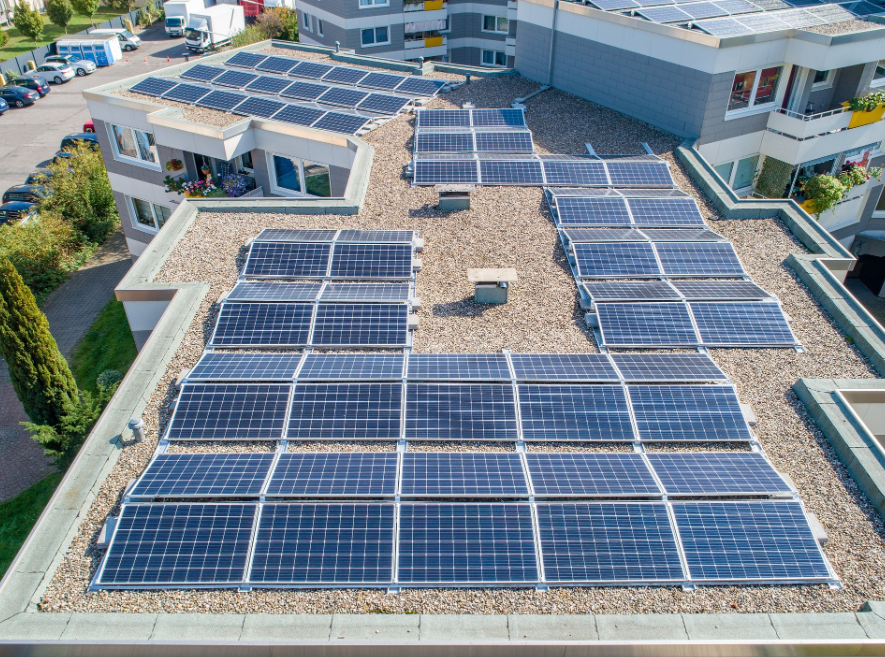
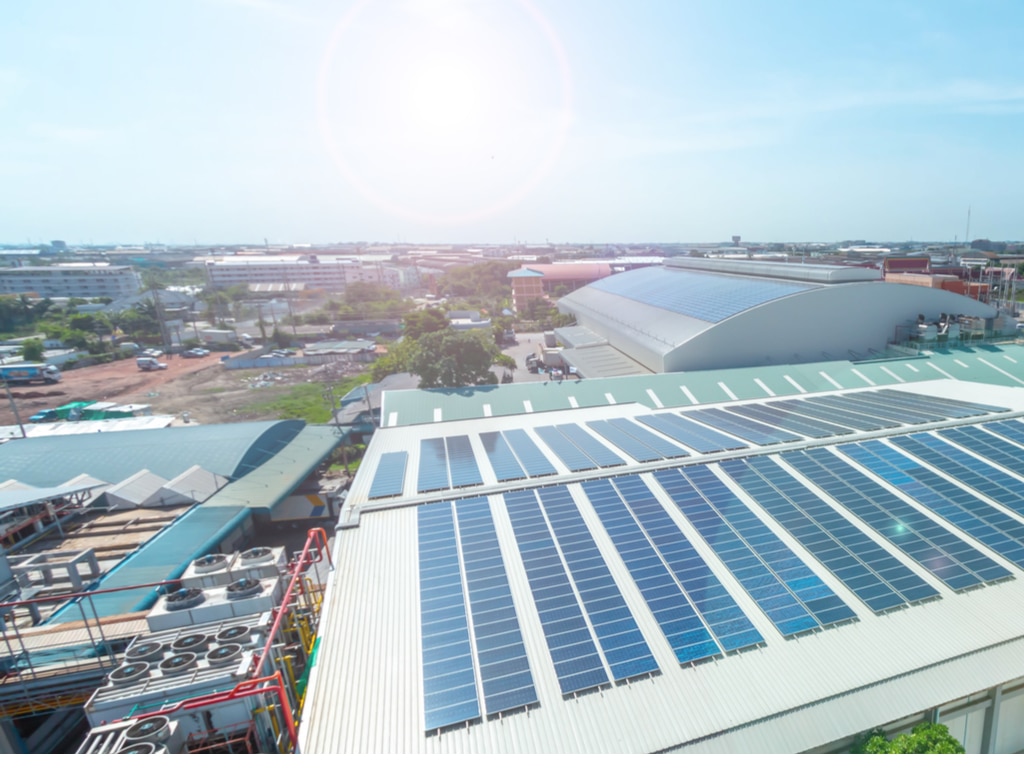
Although offsets give some leeway, on-site renewable sources give immediate and tangible results. On-site systems like commercial off-grid solar systems enable businesses to produce renewable energy by themselves without having to depend on any external sources for their energy requirements.
Some benefits of on-site systems include:
Cost savings over time
Increased energy security
Immediate reduction of emissions
Unlike offsets that are indirect, on-site systems must be used first, and then offsets can be used. Several companies work with companies like Agile Energy to implement a combination of on-site systems and offsets. Through this strategy, their sustainability performance is improved while also increasing resilience to volatile energy prices.
Agile Advantage Ed.22 - When Power Fails, Product Fails: Energy Resilience in Cold Chain

Agile Boardroom 7 - 2026 Energy Risk: A Framework for Reliability, Cost and Continuity
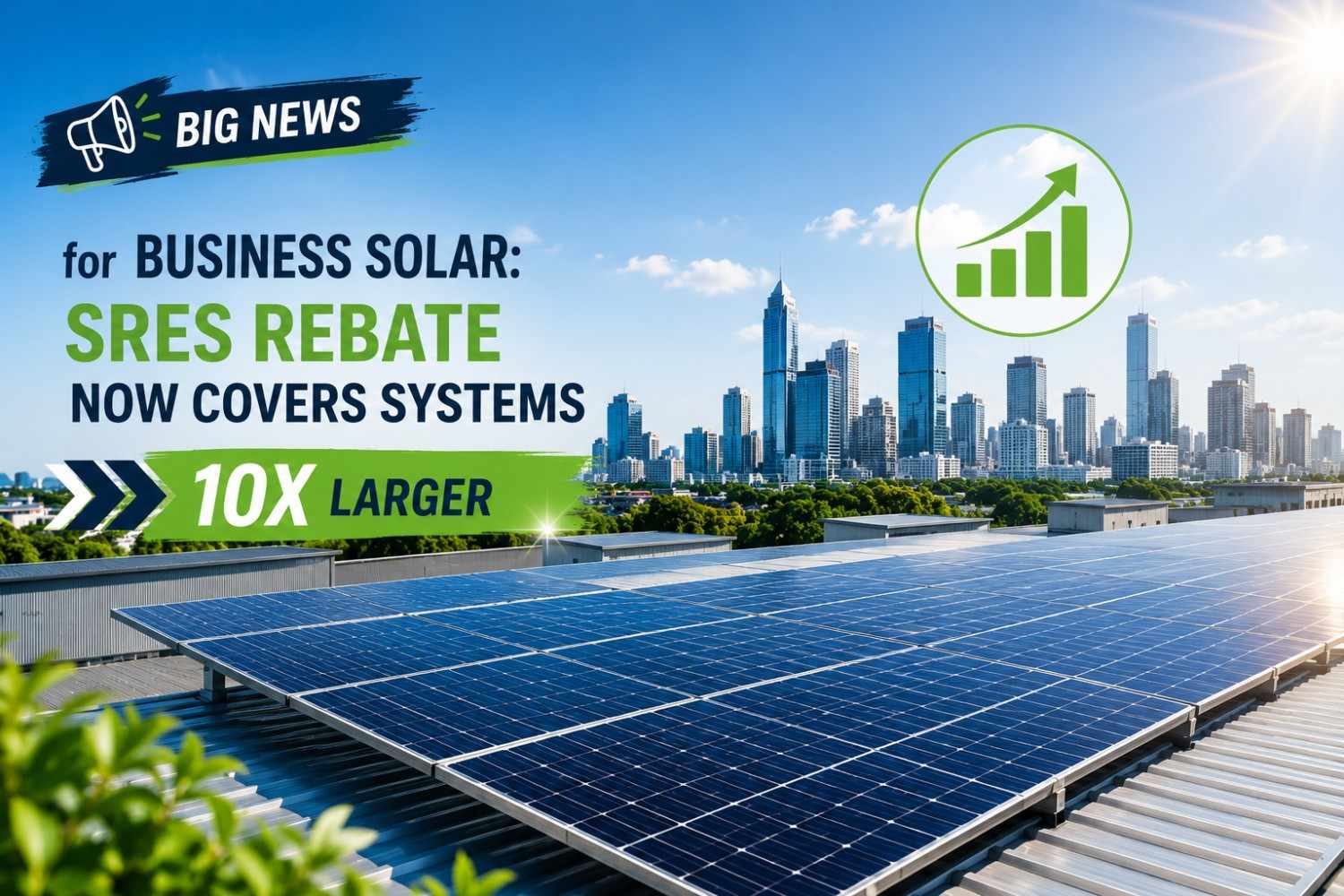
Big News for Business Solar: SRES Rebate Now Covers Systems 10x Larger

Agile Advantage Ed.21 - From Backup to Strategy: Batteries as business Continuity Infrastructure
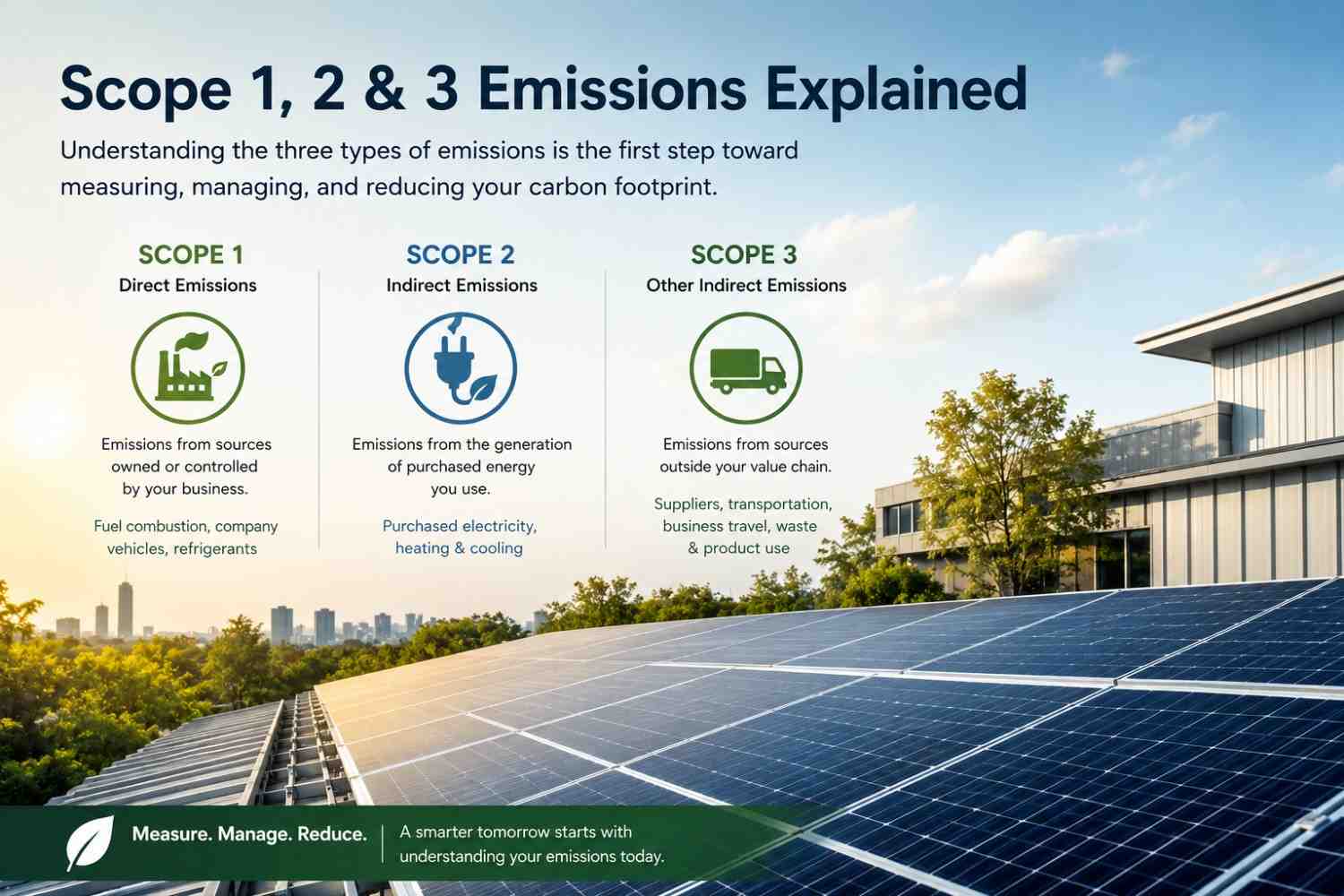
What Are Scope 1, 2 and 3 Emissions?
What Is RE100 and Should Your Business Join?
How Can Businesses Reduce Peak Demand Charges?
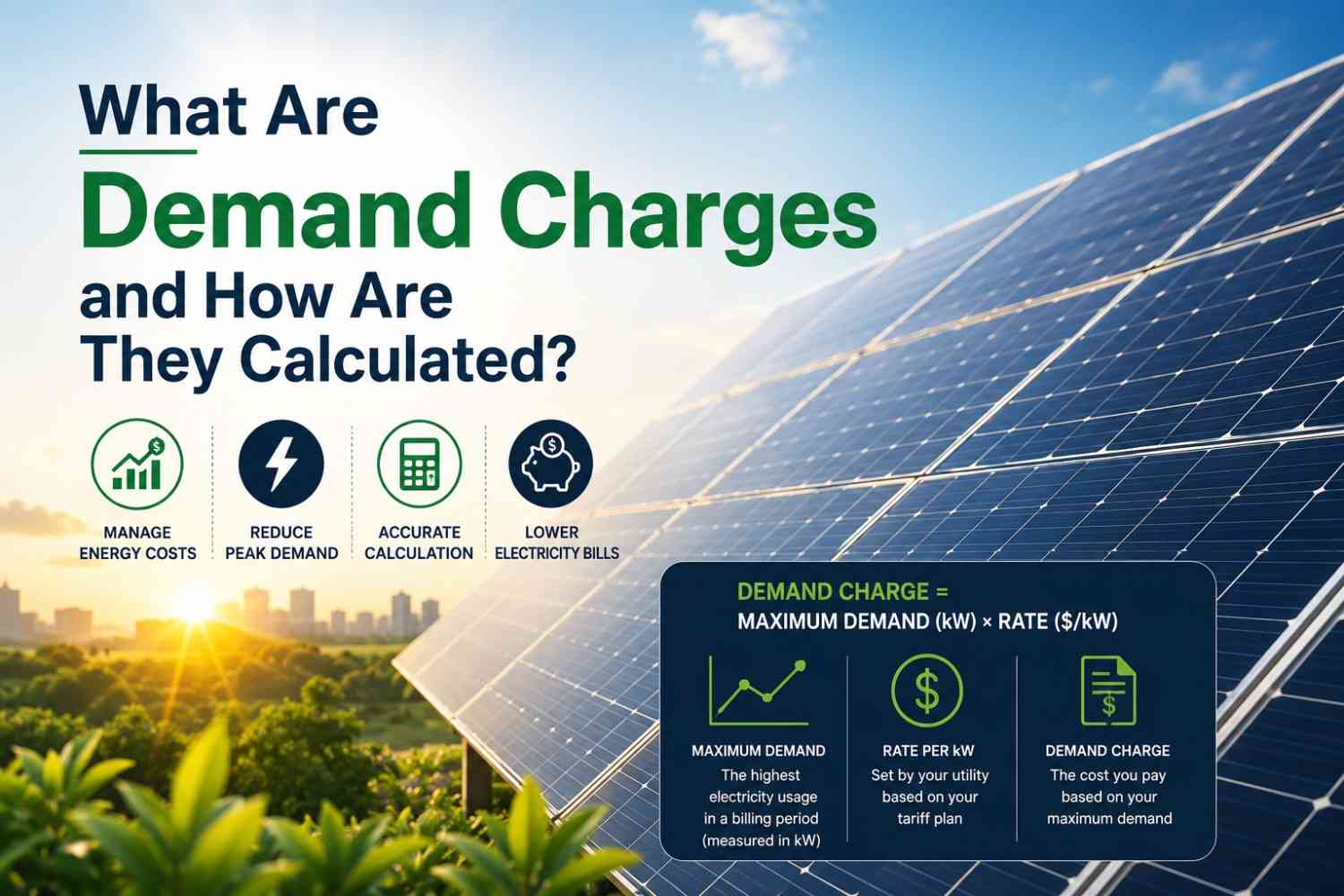
What Are Demand Charges and How Are They Calculated?
What Is Commercial Energy Procurement? A Guide for Australian Businesses

Agile Boardroom 6 - Where should capital go? Core Business vs Energy Infrastructure
Agile Advantage Ed.20 - Energy Security for Australian Businesses: Operating Through Global Instability

Is Your Business Too Dependent on the Grid? Here's What to Do
Network Charges Explained: The Fastest-Growing Cost on Your Business Power Bill

Agile Boardroom 5: Energy as competitive advantage in private equity portfolios

Agile Advantage Ed.19 - The End of Cheap Diesel: What Businesses Need to Know
Energy-as-a-Service Explained for Commercial Property Owners

Agile Boardroom 4 - Geopolitics meets energy: What CFOs must factor into energy strategy

Agile Advantage Ed.18 - Keeping Production Running: Battery Storage for Outage Management in Manufacturing

Agile Boardroom 3 - The Bankable PPA: What Lenders, Boards and Investors actually require

Australia is experiencing a clean energy revolution as commercial and domestic landlords turn rooftops into revenue
Landlords turn to rooftop solar to yield income

Commercial landlords turning rooftops into ‘profit machines’ through solar installations

Solar PPA for Schools: Reduce Electricity Costs Without Upfront Investment
Agile Energy Featured on Business Essentials Podcast
.png)
Schools access cheaper electricity
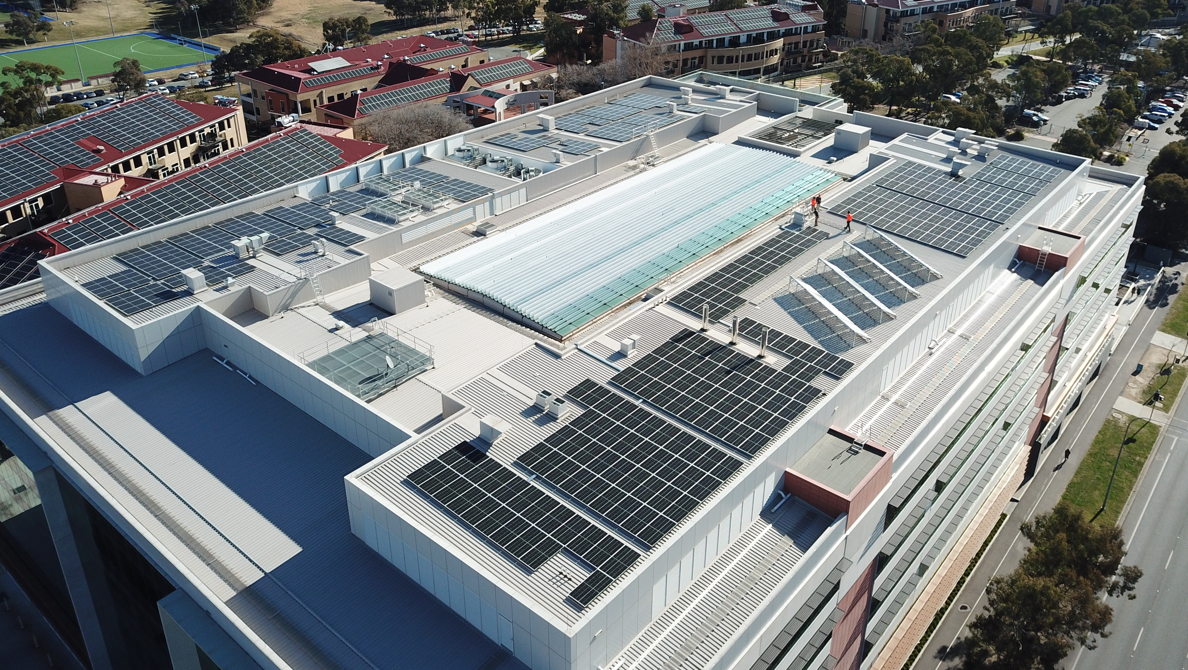
Australia undergoes a clean energy revolution as commercial and domestic landlords turn rooftops into revenue
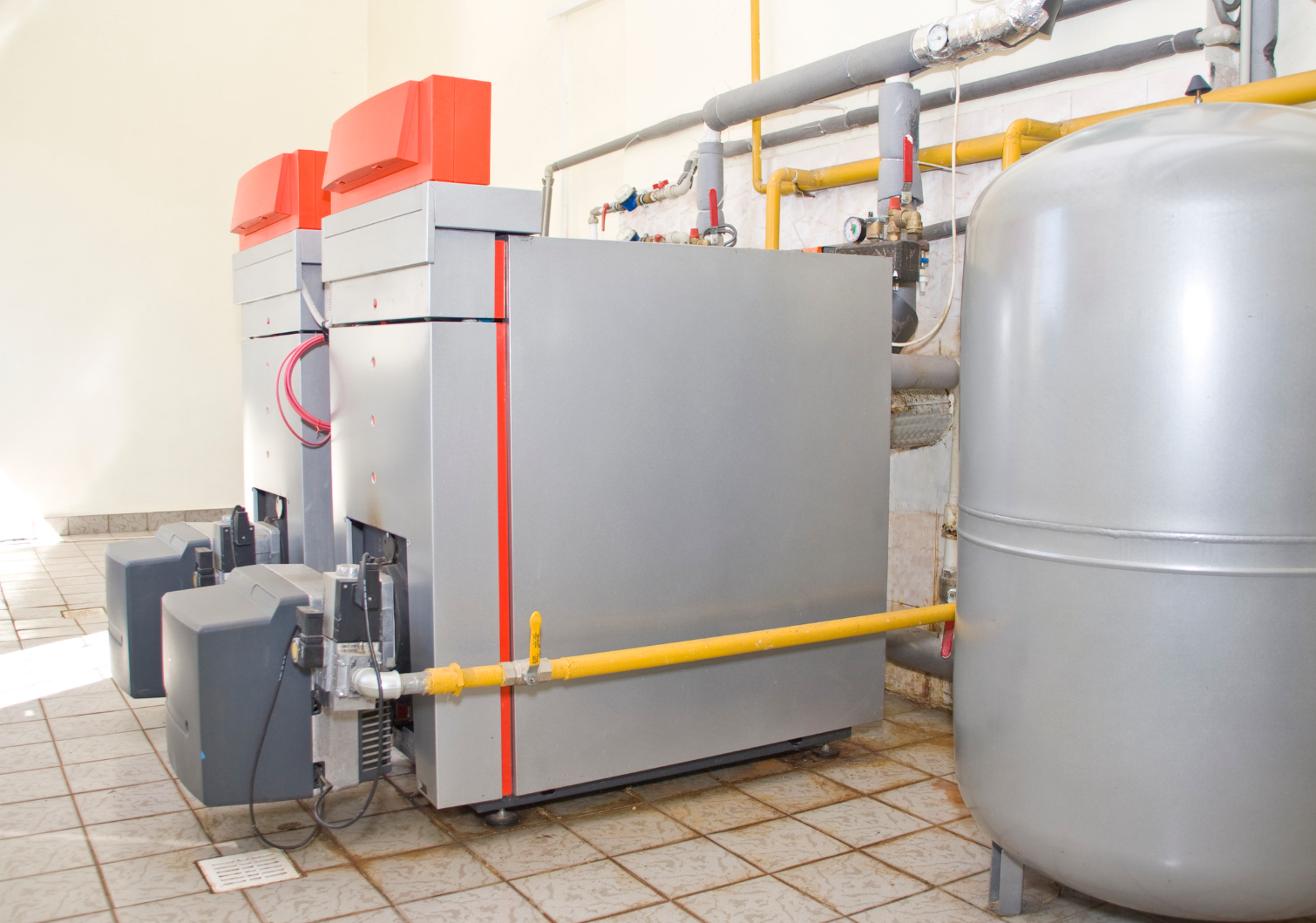
Agile Advantage Ed.17 - Solar for Process Heat: Replacing Gas Boilers in Food and Beverage Manufacturing

5 Reasons Why Capital-Funded Solar is the Safest Energy Transition Strategy in 2026
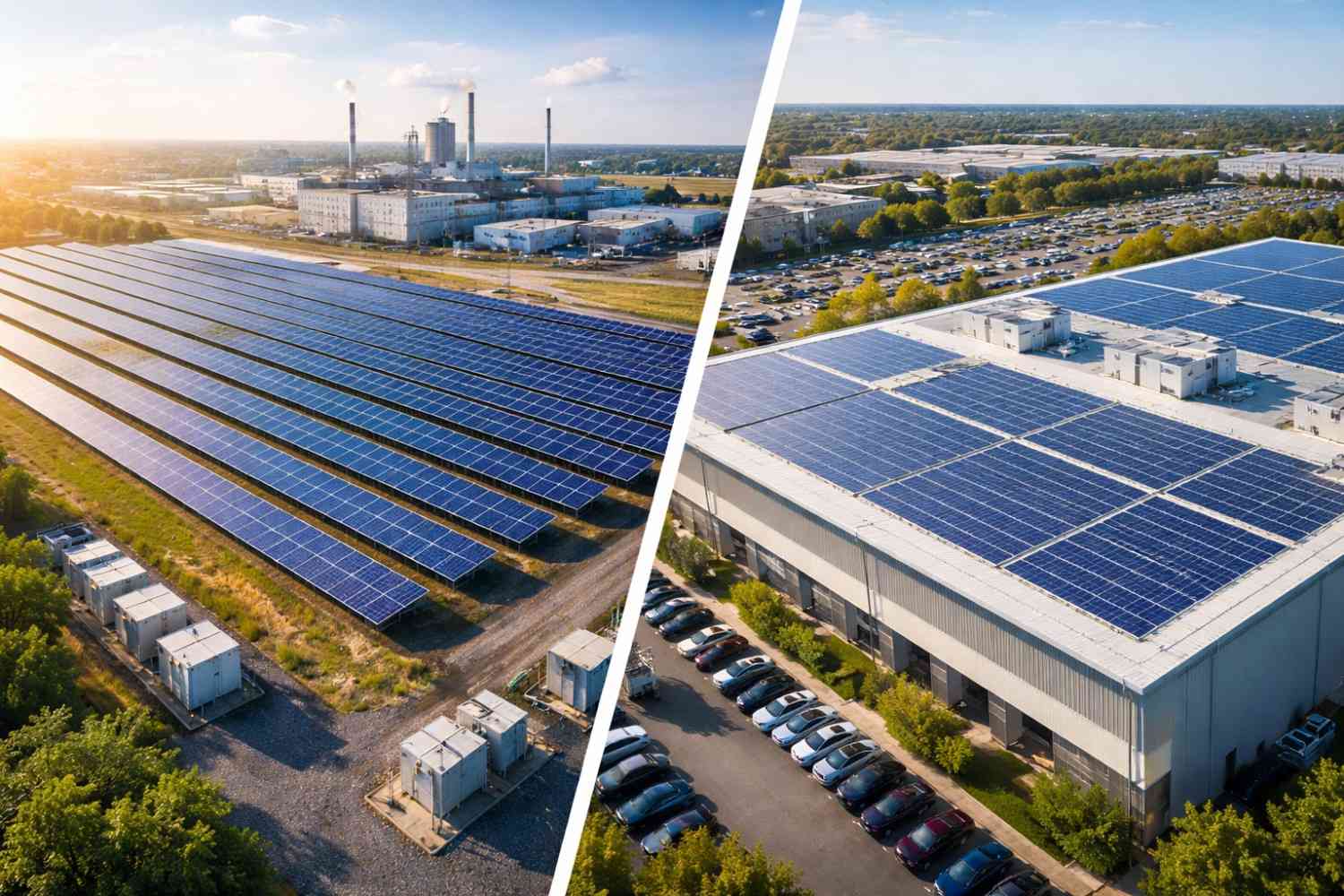
Industrial vs Commercial Solar Systems: Which Energy Solution Is Right for Your Business?

Agile Boardroom 2 - Solar + Storage Under Tight Operating Budgets: Education & Not-for-Profit

Agile Advantage Ed. 16 - Cutting Diesel Dependency: Solar battery PPAs for remote farming operations

Agile Boardroom 1 - A Competitive Advantage in Government & Enterprise Tenders: The Decarbonised Bid

Agile Advantage Ed. 15 - Winning the war on peak prices: Load Shifting, Storage and Smart Controls for C&I

The summer surge: How to keep energy bills cool when temperature rise

Agile Advantage Ed. 14 - The 2026 solar health check: From legacy systems to strategic assets
Solar vs Grid Energy Price Escalation: 2026 Outlook
Agile Advantage Ed. 13 - From energy users to market participants: How Agile businesses are monetising flexibility
Mandatory Climate Reporting: What CFOs need to know (2026–2028)

Agile Advantage Ed. 11 - Unlocking full value from solar & storage: The business case for batteries
End-of-Year Energy Audit: 10 ways to start 2026 leaner and cleaner
Agile Advantage Ed. 10 - Embedded Networks 101: Turning electricity from a cost centre into a profit centre
Top 5 Energy Incentives for Australian Businesses (2025)

Managing solar and battery rollouts for national portfolio
Risk management in renewables
Commercial solar ROI in 2026: Maximise your business savings

Scaling SAFe in large-scale energy organisations: How executives can harness the Scaled Agile Framework (SAFe) to accelerate the energy transition

Always-On Agile operating model for Australia’s energy transition

Integrated energy & carbon strategies: A Playbook for future-proofing Australian manufacturing

Weathering the storm: Protects solar assets from heavy rainfall risk
Transforming dead space into active assets: How Agile unlocks roofs, car parks, and land for revenue

Agile Advantage Ed. 9 - Why energy data is the new gold for Australian manufacturer
Solar Battery Rebate

Agile Advantage Ed. 8 - E is Everything: Energising Australian Businesses

Agile Advantage Ed. 7 - Riding the renewable wave: Why Australian businesses are embracing solar energy

Agile Advantage Ed. 6 - Why CFOs should prioritise renewable energy investments in 2025

Empowering Australian Businesses: Unlocking energy efficiency and sustainability

Agile Advantage Ed. 5 - Inspiring the young workforce: How rolling out renewables sparks motivation

The power of vertical integration in solar project delivery

Agile Advantage Ed. 4 - Making complex simple: Navigating the complexity of solar installations

Rising cost of insurance : Impact on solar assets

Monetising your solar assets: Converting pre-purchased systems into power purchase agreements (PPAs)

Agile Advantage Ed. 3 - The Magic of experience: Partnering for performance in renewables

Solar rooftop safety: Risk management guide

Agile Advantage Ed. 2 - Clear paths to carbon reduction: Renewables and more for Australian businesses

Agile Advantage Ed. 1 - Seven deadly sins of solar installations: Mistakes businesses must avoid

CEO's view on managing increasing energy costs

What are Small-scale technology certificates (STC)?

Carbon Accounting and your business

Join Agile Energy at the Healthcare Real Estate Summit

Carbon Projects - Where to Start?

TRADE ACCUs WITH US! From the desk of Equipoised Group
Ready to power your business with Sustainable Energy?
Let's take the first step towards a brighter and greener future.