Agile Advantage Ed.21 - From Backup to Strategy: Batteries as business Continuity Infrastructure
.jpg)
Battery storage is often discussed in the context of cost savings or renewable integration. While these are important, they do not capture its most significant role: enabling continuity in an increasingly unstable energy system.
Batteries are shifting from optional enhancements to critical infrastructure.
The scale of this shift is reflected in market growth, with the global commercial and industrial (C&I) energy storage market projected to expand at a compound annual growth rate (CAGR) of over 20% through 2030, as businesses move to mitigate the rising frequency of grid-related losses.
The Limits of Traditional Backup
Backup systems have historically been designed for rare events. They are reactive, activated only when primary systems fail. Traditional diesel generators (gensets) suffer from a "bridge gap”, where there is a physical delay of 10-30 seconds between a grid failure and the engine reaching full load. Without an active storage buffer, this gap necessitates Uninterruptible Power Supply (UPS) systems that are often undersized for long-term resilience. Relying solely on mechanical backup introduces points of failure that are increasingly incompatible with "always-on" digital infrastructure.
In today's grid, traditional backup doesn't suffice to the high costs of power instability, that of which is measured in milliseconds. In high-precision manufacturing, data centers, or cold-chain logistics, a 100-millisecond voltage dip can trigger a full system reboot, leading to hours of lost throughput and compromised product integrity. For large-scale enterprises, the average cost of unplanned downtime has risen to approximately $9,000 per minute. In addition, highly sensitive sectors like automotive manufacturing have a single hour of lost production exceeding $2.3 million, which equates to roughly $600 per second of inactivity.
Batteries as Active System Components
Unlike generators, batteries operate continuously within the system. They can respond instantly to fluctuations, smoothing out variations and maintaining stable supply.
This allows them to address not only outages, but also the smaller disturbances that can accumulate into operational problems. This capability is known as Value Stacking. While a generator only provides value during an outage, a battery system performs "Frequency Regulation" and "Voltage Support" 24/7. By smoothing out the "noise" of the grid, batteries extend the lifespan of sensitive onsite machinery, reducing maintenance of CapEx over the long term.
This internal stability is critical given that research from the Electric Power Research Institute (EPRI) indicates that 80% of power-quality disturbances are actually generated within a facility's own operations, rather than by the utility provider.
Integration with Business Operations
The value of battery storage increases when it is integrated with broader operational systems. This includes coordinating with on-site generation, managing load profiles, and responding to market signals.
Specifically, this integration manifests as Peak Shaving and Load Shifting. By discharging stored energy during the facility's highest period of demand, businesses can decapitate the "Demand Charges" that often account for 30-70% of a commercial electric bill. By using battery storage to lower these peak demand thresholds, some commercial facilities have seen a reduction in their total monthly utility expenditure by up to 50%, transforming the energy system from a cost center into a source of operational savings.
In this framework, the battery is a revenue-generating asset that pays for its own installation through operational savings.
Structural Changes in Supply
Business continuity is no longer about recovering from disruption; it is about avoiding disruption altogether. Batteries enable this by providing a buffer between external instability and internal operations. They allow businesses to maintain control over their energy supply, reducing dependence on conditions that are increasingly unpredictable.
Additionally, this confidence in reliability allows battery infrastructure to prepare the enterprise for the "Electrification of Everything." As carbon taxes and reporting requirements (such as Scope 2 emissions) tighten, the ability to store and dispatch onsite renewable energy becomes a regulatory necessity. Businesses with integrated storage can decouple their growth from grid constraints, allowing for facility expansion even in areas where the local utility cannot provide additional capacity.
Conclusion
Battery storage is evolving from a supporting technology into a central component of business infrastructure. In a system where reliability can no longer be assumed, the ability to maintain continuous operation becomes a defining competitive advantage.

Agile Advantage Ed.22 - When Power Fails, Product Fails: Energy Resilience in Cold Chain

Agile Boardroom 7 - 2026 Energy Risk: A Framework for Reliability, Cost and Continuity
Big News for Business Solar: SRES Rebate Now Covers Systems 10x Larger
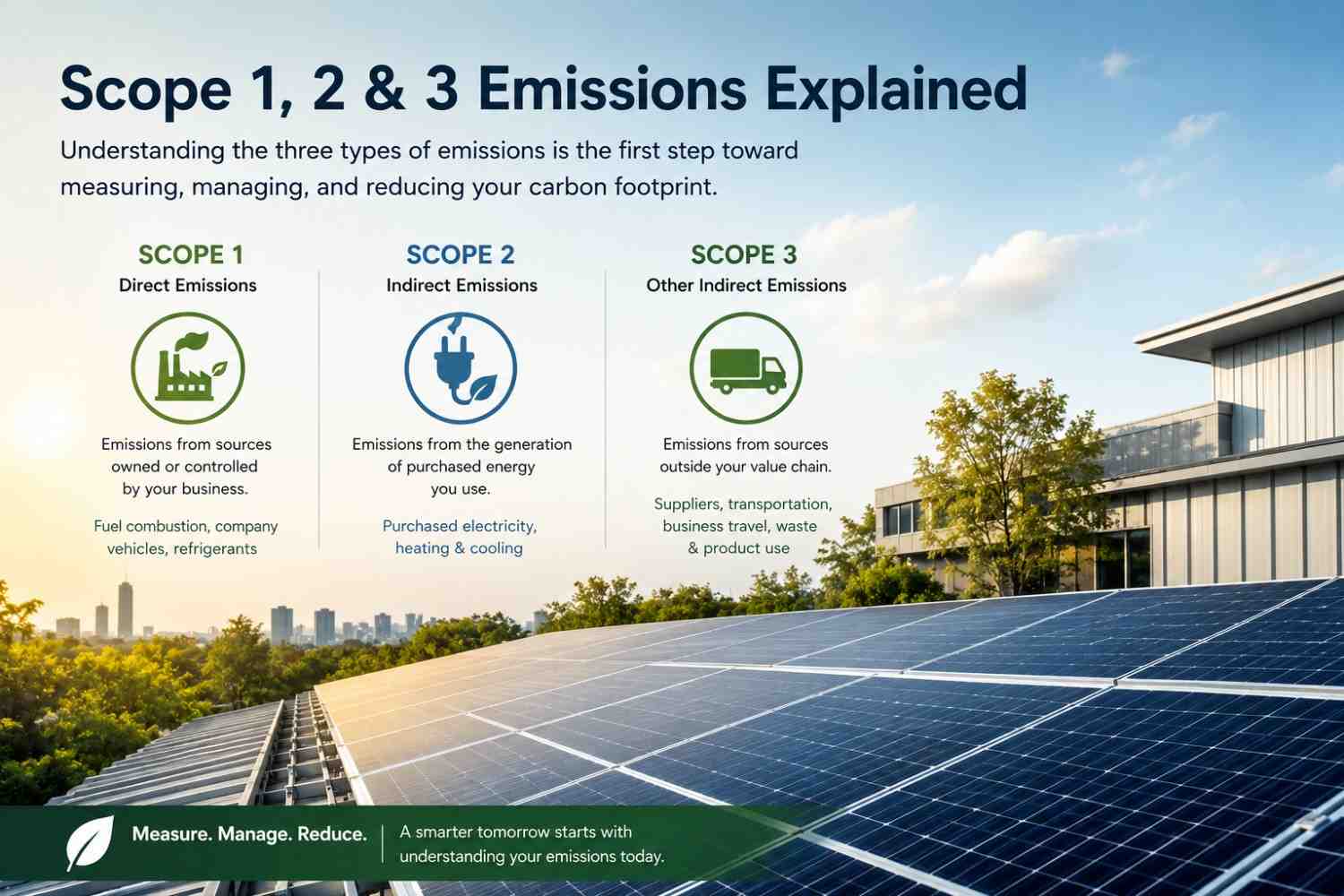
What Are Scope 1, 2 and 3 Emissions?

What Is Carbon Offsetting and Should Businesses Use It?
What Is RE100 and Should Your Business Join?
How Can Businesses Reduce Peak Demand Charges?
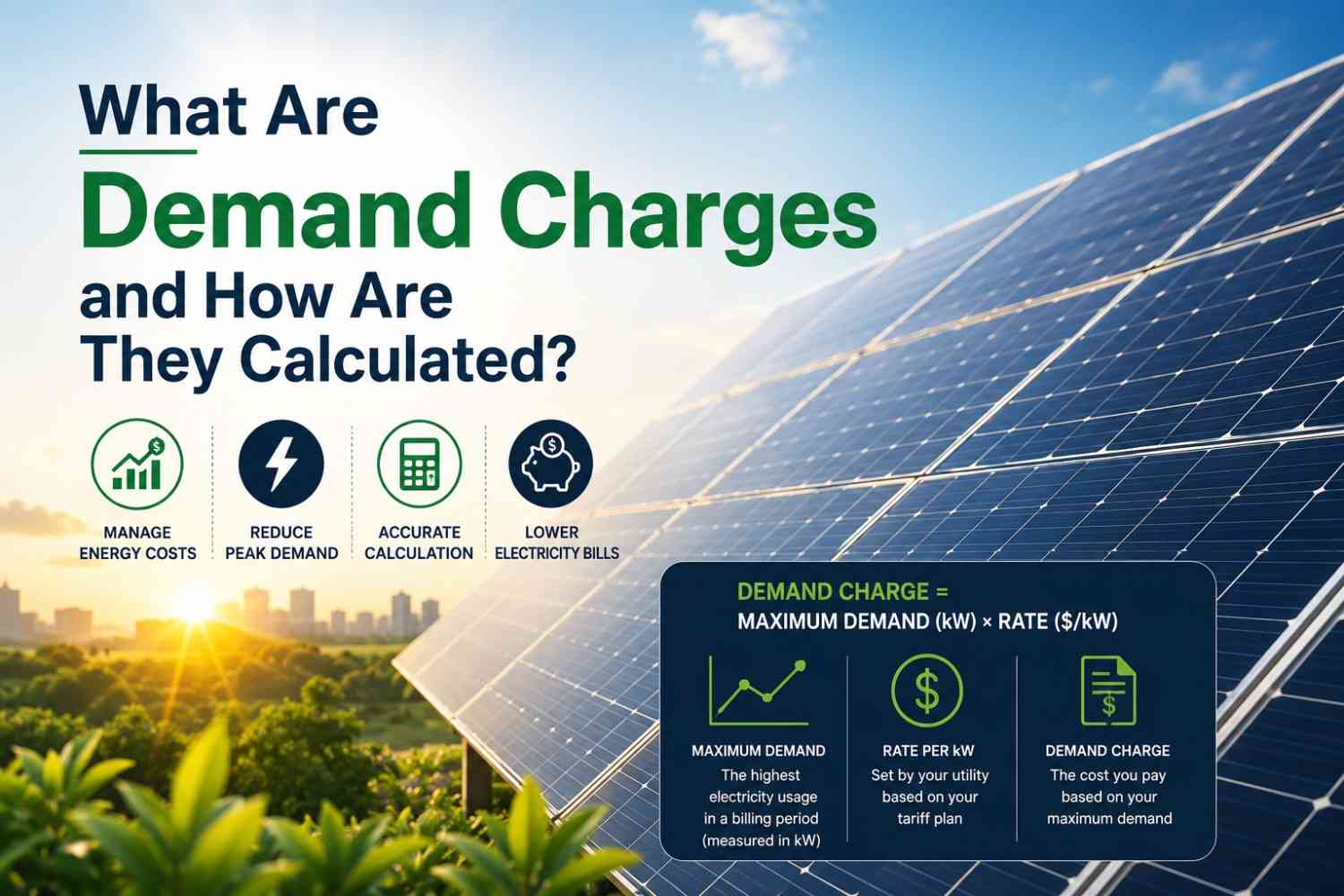
What Are Demand Charges and How Are They Calculated?
What Is Commercial Energy Procurement? A Guide for Australian Businesses

Agile Boardroom 6 - Where should capital go? Core Business vs Energy Infrastructure

Agile Advantage Ed.20 - Energy Security for Australian Businesses: Operating Through Global Instability

Is Your Business Too Dependent on the Grid? Here's What to Do
Network Charges Explained: The Fastest-Growing Cost on Your Business Power Bill

Agile Boardroom 5: Energy as competitive advantage in private equity portfolios

Agile Advantage Ed.19 - The End of Cheap Diesel: What Businesses Need to Know
Energy-as-a-Service Explained for Commercial Property Owners

Agile Boardroom 4 - Geopolitics meets energy: What CFOs must factor into energy strategy

Agile Advantage Ed.18 - Keeping Production Running: Battery Storage for Outage Management in Manufacturing

Agile Boardroom 3 - The Bankable PPA: What Lenders, Boards and Investors actually require

Australia is experiencing a clean energy revolution as commercial and domestic landlords turn rooftops into revenue
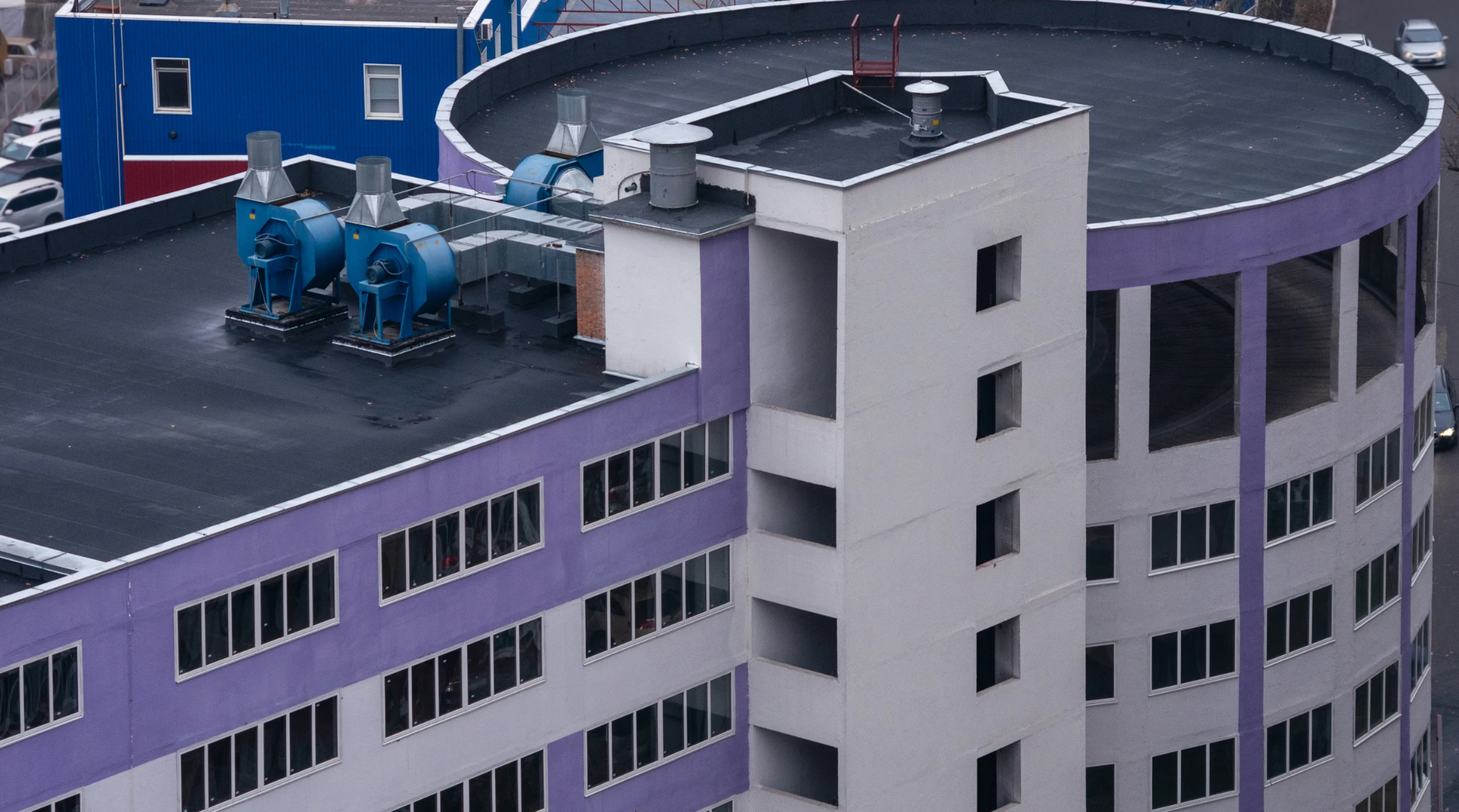
Landlords turn to rooftop solar to yield income

Commercial landlords turning rooftops into ‘profit machines’ through solar installations

Solar PPA for Schools: Reduce Electricity Costs Without Upfront Investment
Agile Energy Featured on Business Essentials Podcast
.png)
Schools access cheaper electricity
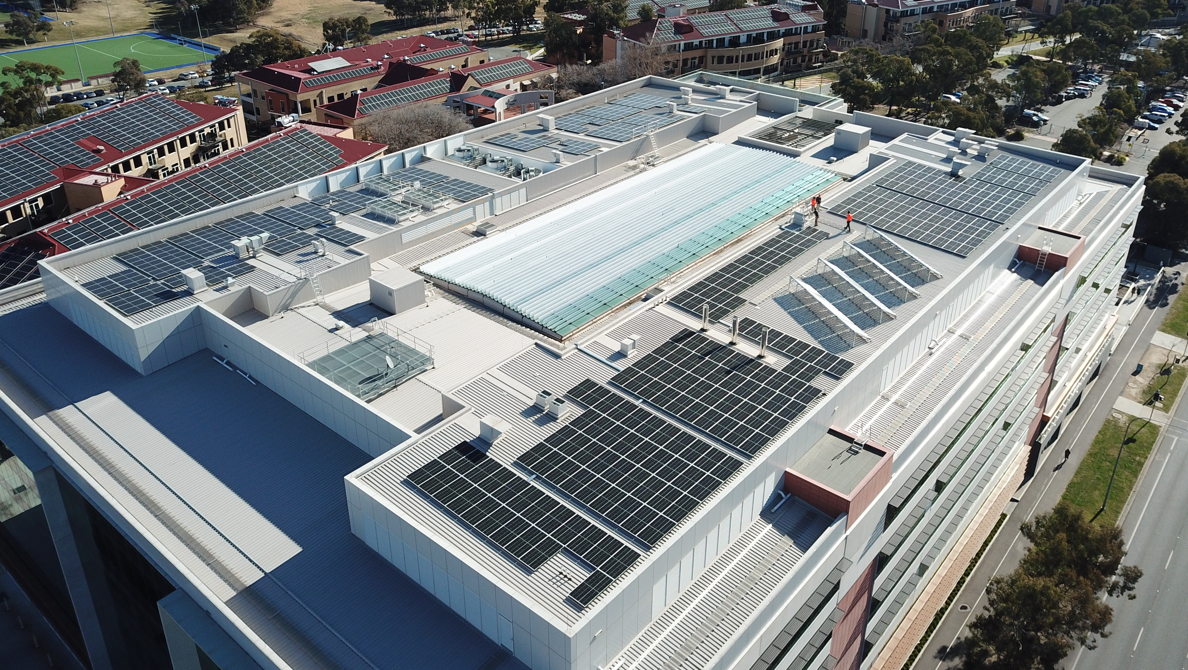
Australia undergoes a clean energy revolution as commercial and domestic landlords turn rooftops into revenue
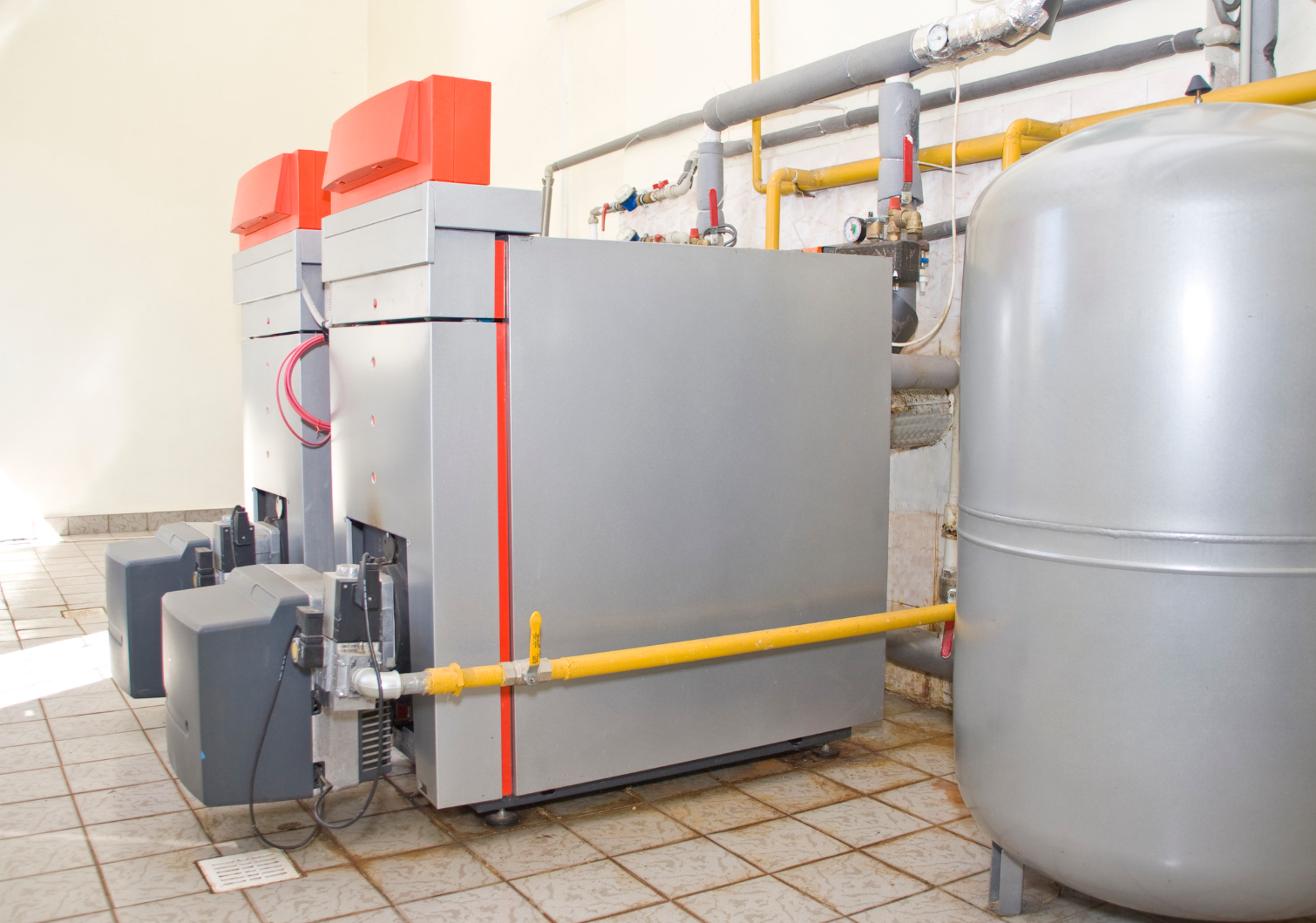
Agile Advantage Ed.17 - Solar for Process Heat: Replacing Gas Boilers in Food and Beverage Manufacturing

5 Reasons Why Capital-Funded Solar is the Safest Energy Transition Strategy in 2026
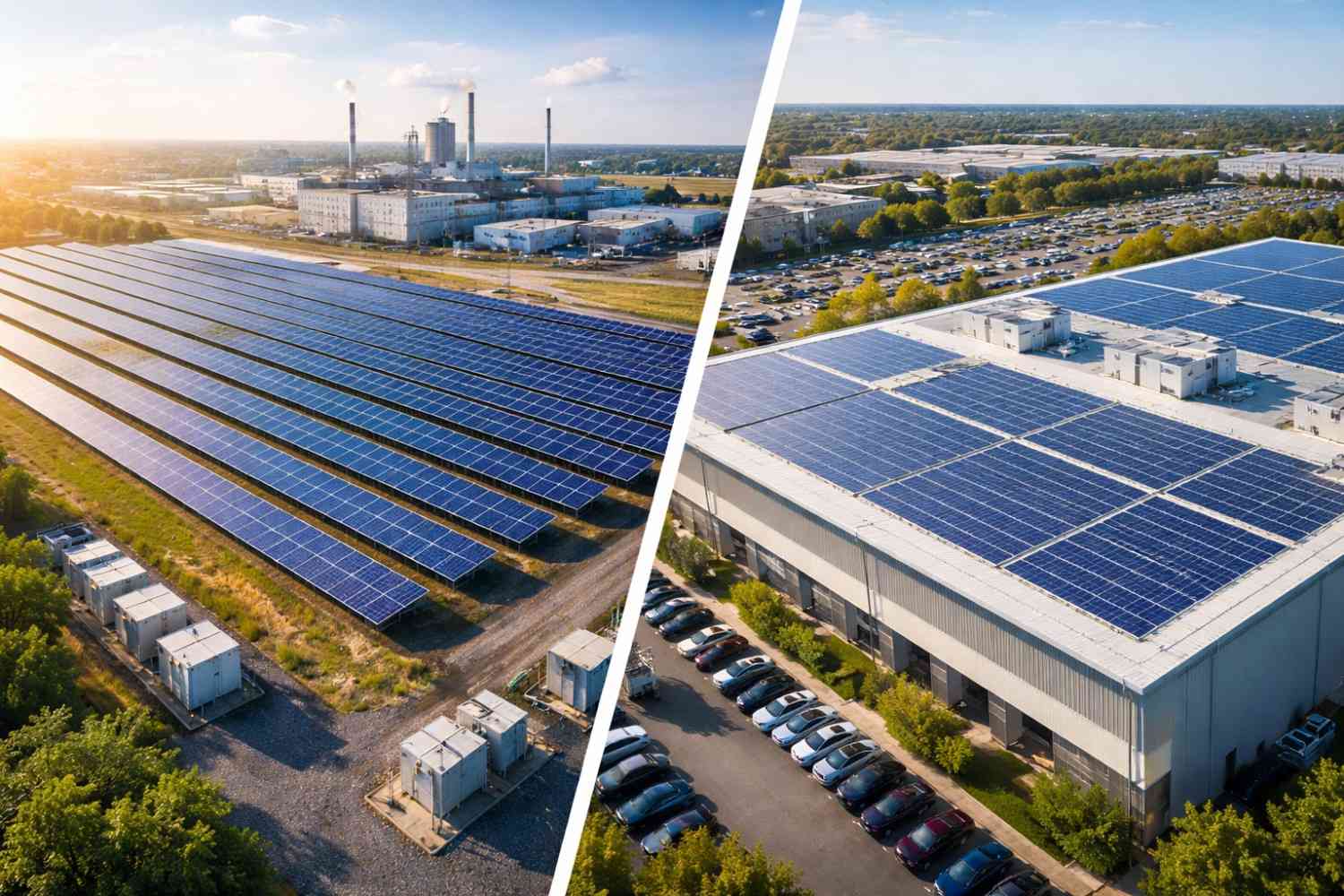
Industrial vs Commercial Solar Systems: Which Energy Solution Is Right for Your Business?

Agile Boardroom 2 - Solar + Storage Under Tight Operating Budgets: Education & Not-for-Profit

Agile Advantage Ed. 16 - Cutting Diesel Dependency: Solar battery PPAs for remote farming operations

Agile Boardroom 1 - A Competitive Advantage in Government & Enterprise Tenders: The Decarbonised Bid

Agile Advantage Ed. 15 - Winning the war on peak prices: Load Shifting, Storage and Smart Controls for C&I

The summer surge: How to keep energy bills cool when temperature rise

Agile Advantage Ed. 14 - The 2026 solar health check: From legacy systems to strategic assets
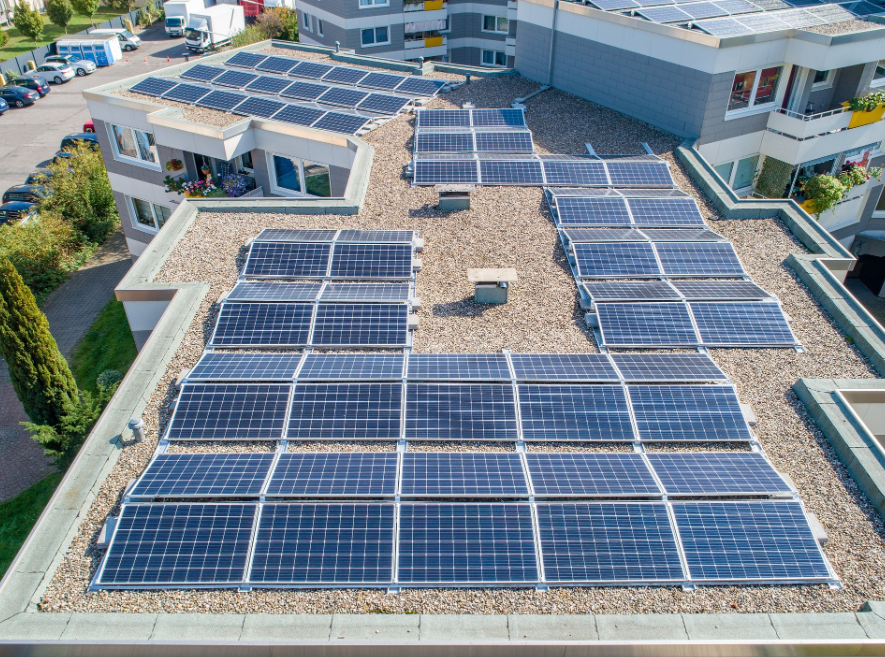
Solar vs Grid Energy Price Escalation: 2026 Outlook
Agile Advantage Ed. 13 - From energy users to market participants: How Agile businesses are monetising flexibility
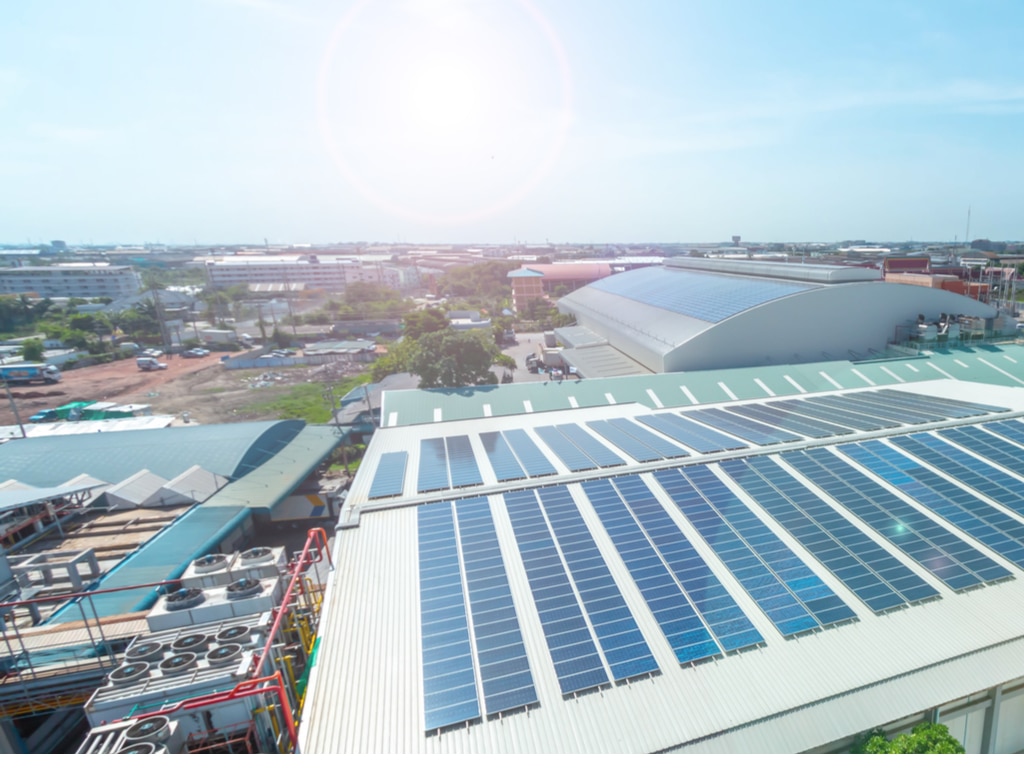
Mandatory Climate Reporting: What CFOs need to know (2026–2028)

Agile Advantage Ed. 11 - Unlocking full value from solar & storage: The business case for batteries

End-of-Year Energy Audit: 10 ways to start 2026 leaner and cleaner

Agile Advantage Ed. 10 - Embedded Networks 101: Turning electricity from a cost centre into a profit centre
Top 5 Energy Incentives for Australian Businesses (2025)

Managing solar and battery rollouts for national portfolio

Risk management in renewables
Commercial solar ROI in 2026: Maximise your business savings

Scaling SAFe in large-scale energy organisations: How executives can harness the Scaled Agile Framework (SAFe) to accelerate the energy transition

Always-On Agile operating model for Australia’s energy transition

Integrated energy & carbon strategies: A Playbook for future-proofing Australian manufacturing

Weathering the storm: Protects solar assets from heavy rainfall risk
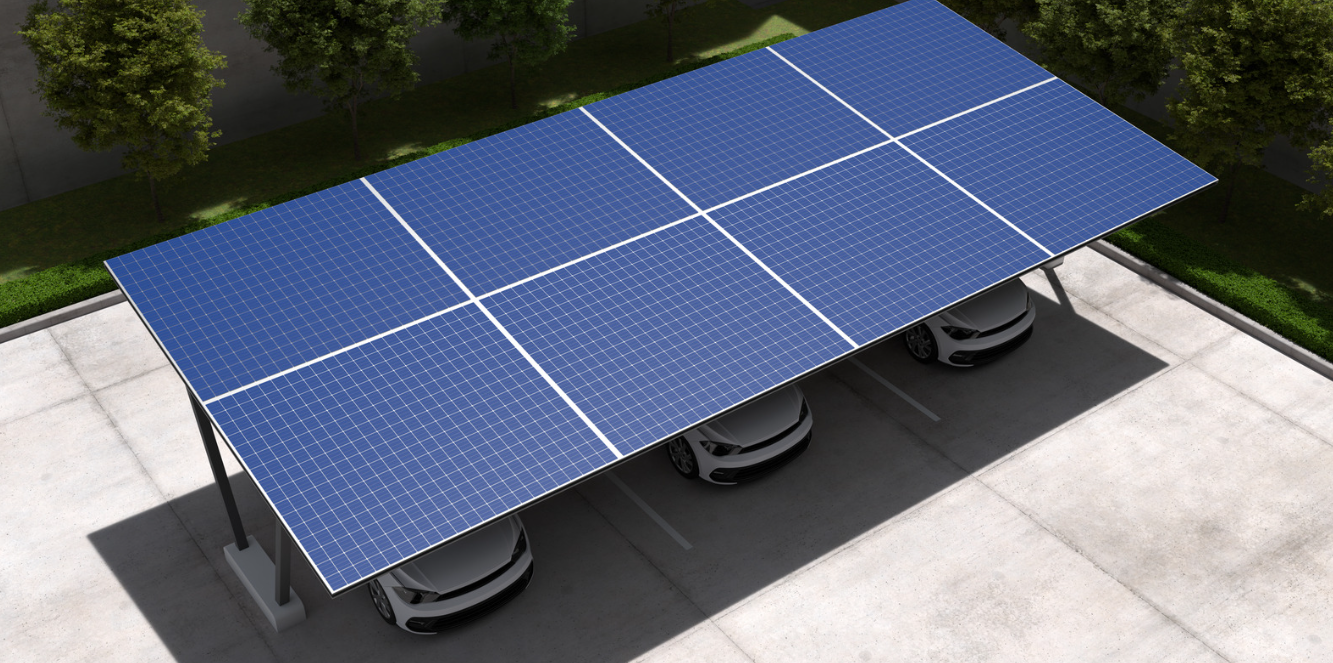
Transforming dead space into active assets: How Agile unlocks roofs, car parks, and land for revenue

Agile Advantage Ed. 9 - Why energy data is the new gold for Australian manufacturer
Solar Battery Rebate

Agile Advantage Ed. 8 - E is Everything: Energising Australian Businesses

Agile Advantage Ed. 7 - Riding the renewable wave: Why Australian businesses are embracing solar energy

Agile Advantage Ed. 6 - Why CFOs should prioritise renewable energy investments in 2025

Empowering Australian Businesses: Unlocking energy efficiency and sustainability

Agile Advantage Ed. 5 - Inspiring the young workforce: How rolling out renewables sparks motivation

The power of vertical integration in solar project delivery

Agile Advantage Ed. 4 - Making complex simple: Navigating the complexity of solar installations

Rising cost of insurance : Impact on solar assets

Monetising your solar assets: Converting pre-purchased systems into power purchase agreements (PPAs)

Agile Advantage Ed. 3 - The Magic of experience: Partnering for performance in renewables

Solar rooftop safety: Risk management guide

Agile Advantage Ed. 2 - Clear paths to carbon reduction: Renewables and more for Australian businesses

Agile Advantage Ed. 1 - Seven deadly sins of solar installations: Mistakes businesses must avoid

CEO's view on managing increasing energy costs

What are Small-scale technology certificates (STC)?

Carbon Accounting and your business

Join Agile Energy at the Healthcare Real Estate Summit

Carbon Projects - Where to Start?

TRADE ACCUs WITH US! From the desk of Equipoised Group
Ready to power your business with Sustainable Energy?
Let's take the first step towards a brighter and greener future.