Agile Advantage Ed.22 - When Power Fails, Product Fails: Energy Resilience in Cold Chain
.jpg)
Cold chain systems operate on a simple premise: temperature stability preserves product integrity. What is often overlooked is that this stability is entirely dependent on continuous energy supply. Unlike other industries, cold chain logistics cannot tolerate even short interruptions without immediate consequences.
Therefore, the cold chain sector is emerging as one of the most exposed to energy disruption risks as Australia's energy system becomes more volatile.
The urgency of this shift is underscored by the current state of the Australian National Electricity Market (NEM). With Flow Power (2022) reporting that cold storage is one of the highest operating cost sectors in Australia, the rising frequency of 'high price periods' and grid instability has moved energy from a utility line item to a primary operational risk. In some sectors, such as pharmaceuticals, a breach is defined by as little as 15 minutes above 8°C, leaving zero margin for manual backup intervention.
The Physics of Failure
Cold storage is not a static condition. Refrigeration systems are constantly working to remove heat that enters through insulation, door openings, and ambient conditions. When power is lost, this process stops immediately, but heat ingress continues.
Beyond total outages, 'dirty power' (specifically voltage sags and harmonic distortion) inflicts long-term, insidious damage. Research on refrigeration compressors shows that operating outside the standard 230V +10%/-6% range forces motors into inefficient overheating, degrading winding insulation and leading to premature burnout. This means a facility can experience 'product failure' through equipment degradation even if the power never technically goes out.
The result is not a gradual decline in product quality, but a time-bound window before temperature thresholds are breached. In many cases, that window is measured in hours, not days. Overall, lack of energy resilience creates a binary choice: either the system maintains temperature, or the product is compromised.
Why Backup Systems Are No Longer Sufficient
Traditionally, diesel generators have been used as a safeguard against outages. However, this model assumes that outages are rare and short- lived. As grid instability increases, the role of backup systems is shifting from occasional use to more frequent and prolonged operation.
This exposes several limitations:
• Generators are not designed for continuous cycling
• Fuel supply becomes a constraint during extended disruptions
• Maintenance requirements increase significantly under repeated use
More importantly, the transition between grid power and backup generation introduces moments of vulnerability where systems can fail to transfer cleanly.
The Compounding Risk of Grid Volatility
The modern grid does not fail only through blackouts. It increasingly experiences fluctuations in frequency and voltage that can disrupt sensitive equipment. For refrigeration systems, these disturbances can trigger shutdowns or reduce efficiency, accelerating temperature rise.
This means that even when power is technically available, it may not be reliable enough to maintain product integrity.
Reframing Resilience as Continuity
True resilience requires a tri-layered energy architecture, but more importantly it changes how energy costs are incurred, managed, and reduced within cold chain operations.
Layer 1: Behind-the-Meter (BTM) Generation
By flattening the facility's load profile, BTM generation can materially reduce demand charges, creating a consistent and predictable reduction in operating expenditure. In addition, it provides a baseline level of supply during daytime grid disturbances, reducing immediate exposure to outages.
Layer 2: Advanced Battery Storage (BESS)
Battery storage enables facilities to control when energy is drawn from the grid, rather than remaining fully exposed to real-time price fluctuations. Energy can be stored during low-cost periods or when solar generation exceeds demand, and discharged during high- price intervals or grid instability.
This reduces exposure to peak wholesale prices, particularly during evening demand periods. Second, it further lowers demand charges by limiting short-duration spikes in grid consumption. Finally, it protects against extreme price volatility, effectively capping cost exposure during stressed market conditions.
Layer 3: Intelligent Load Management
Load management aligns energy consumption with price signals and system conditions. Through variable speed drives (VSDs) and IoT-enabled monitoring, facilities can pre-cool during periods of low-cost or self-generated energy, reducing the need for intensive cooling during peak pricing windows.
This results in a further reduction in energy costs and peak demand exposure, while maintaining strict temperature control requirements.
Where market participation is viable, additional revenue streams such as Frequency Control Ancillary Services (FCAS) and demand response programs can further improve asset utilisation. However, the primary financial benefit is derived from avoided costs and improved energy cost predictability, with recent Australian case studies showing payback periods as low as 4.4 years when paired with solar.
The integration of these systems must be designed around the thermal dynamics of the facility, ensuring that energy supply aligns with the rate at which temperature can change.
Conclusion
In cold chain logistics, energy failure is not an inconvenience but a direct loss of product. As grid conditions become less predictable, resilience must be engineered into the system at a fundamental level, ensuring that temperature stability is maintained regardless of external conditions.

Agile Boardroom 7 - 2026 Energy Risk: A Framework for Reliability, Cost and Continuity
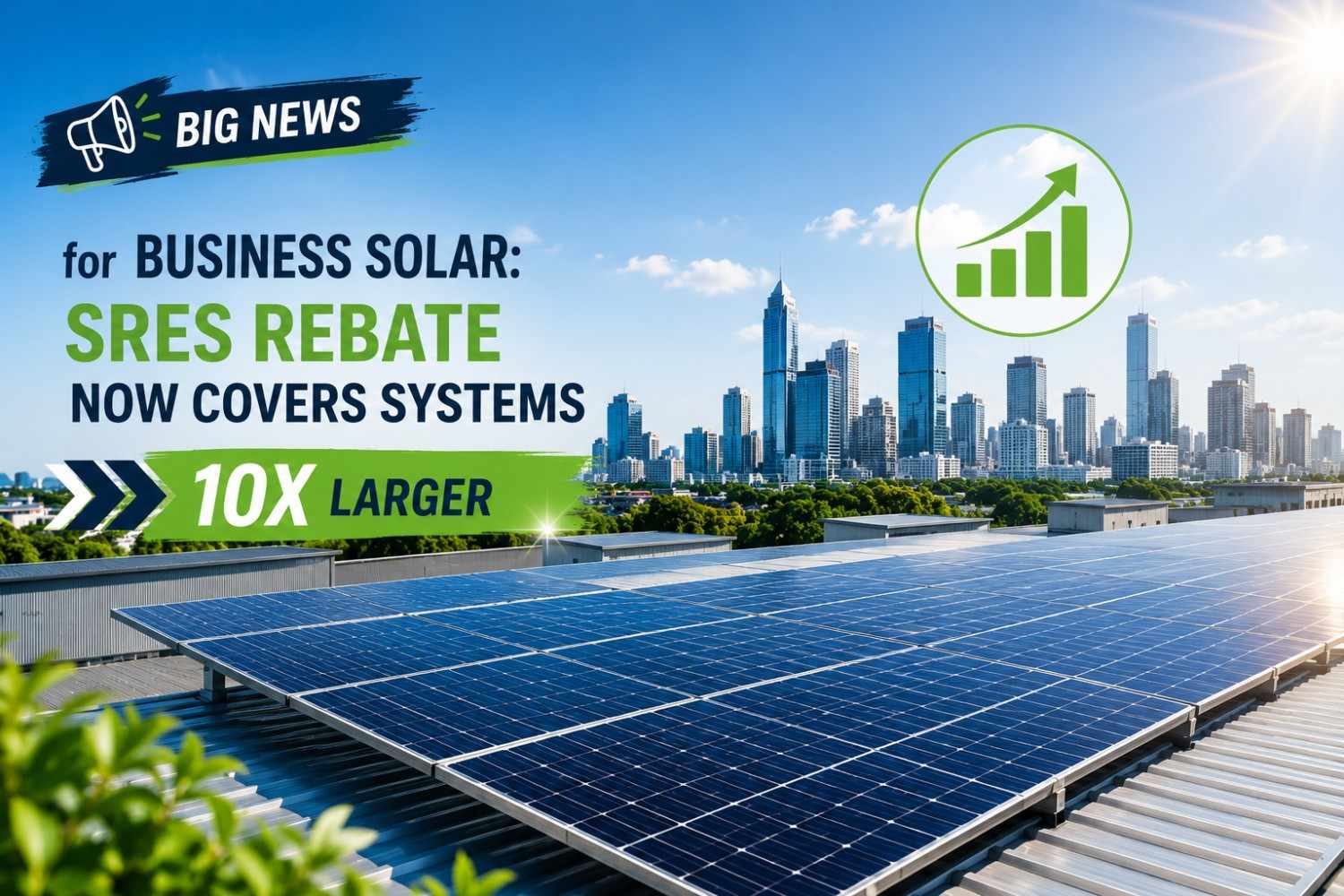
Big News for Business Solar: SRES Rebate Now Covers Systems 10x Larger

Agile Advantage Ed.21 - From Backup to Strategy: Batteries as business Continuity Infrastructure
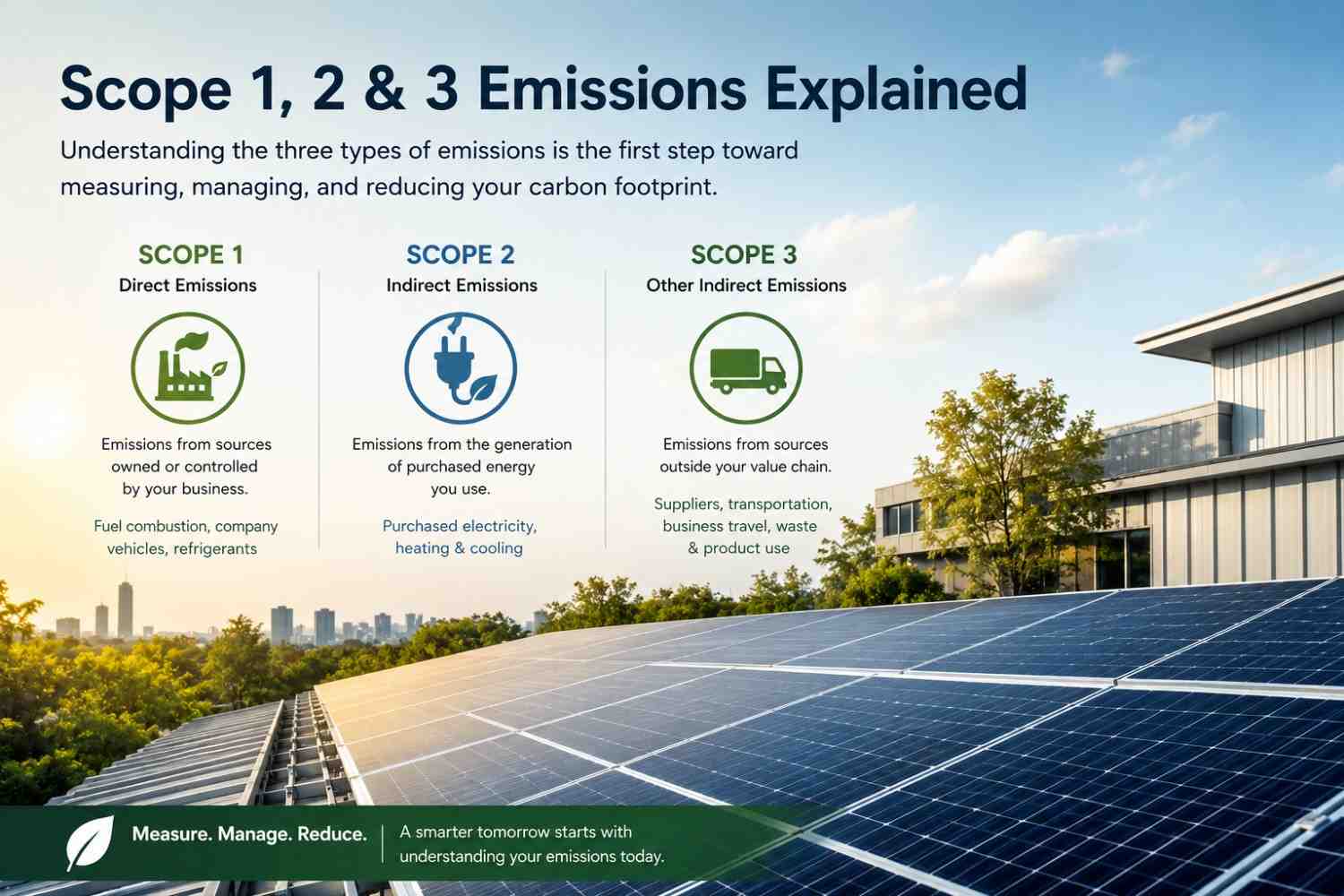
What Are Scope 1, 2 and 3 Emissions?
What Is Carbon Offsetting and Should Businesses Use It?
What Is RE100 and Should Your Business Join?
How Can Businesses Reduce Peak Demand Charges?
What Are Demand Charges and How Are They Calculated?
What Is Commercial Energy Procurement? A Guide for Australian Businesses

Agile Boardroom 6 - Where should capital go? Core Business vs Energy Infrastructure
Agile Advantage Ed.20 - Energy Security for Australian Businesses: Operating Through Global Instability

Is Your Business Too Dependent on the Grid? Here's What to Do
Network Charges Explained: The Fastest-Growing Cost on Your Business Power Bill

Agile Boardroom 5: Energy as competitive advantage in private equity portfolios

Agile Advantage Ed.19 - The End of Cheap Diesel: What Businesses Need to Know
Energy-as-a-Service Explained for Commercial Property Owners

Agile Boardroom 4 - Geopolitics meets energy: What CFOs must factor into energy strategy

Agile Advantage Ed.18 - Keeping Production Running: Battery Storage for Outage Management in Manufacturing

Agile Boardroom 3 - The Bankable PPA: What Lenders, Boards and Investors actually require

Australia is experiencing a clean energy revolution as commercial and domestic landlords turn rooftops into revenue
Landlords turn to rooftop solar to yield income

Commercial landlords turning rooftops into ‘profit machines’ through solar installations

Solar PPA for Schools: Reduce Electricity Costs Without Upfront Investment
Agile Energy Featured on Business Essentials Podcast
.png)
Schools access cheaper electricity
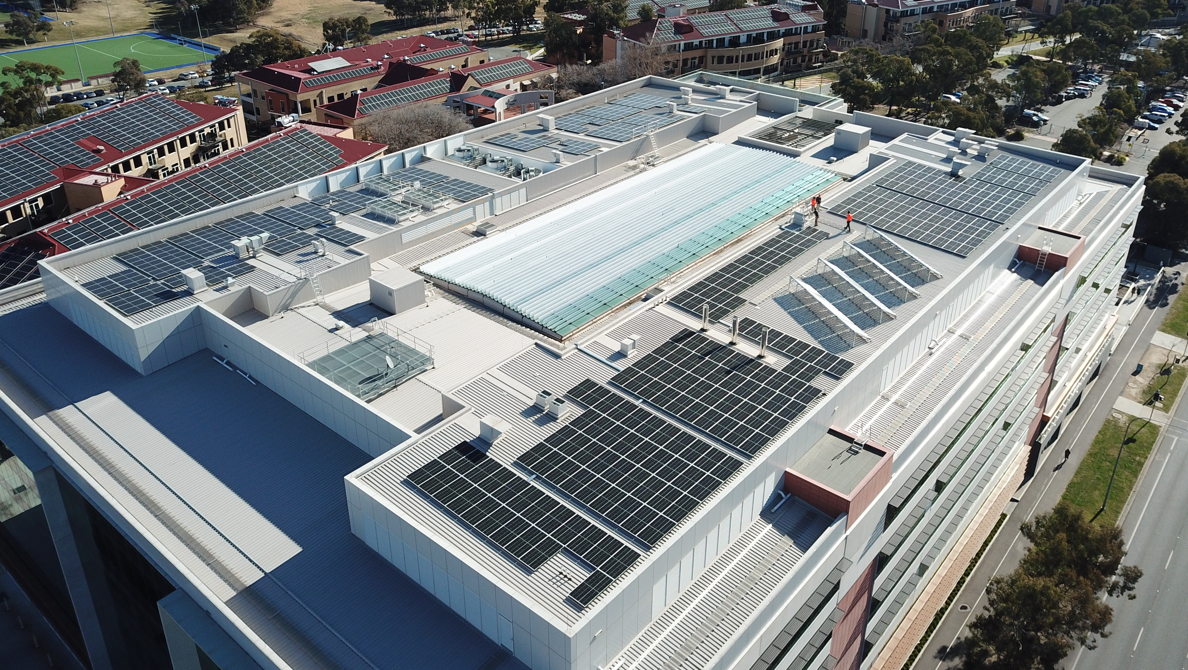
Australia undergoes a clean energy revolution as commercial and domestic landlords turn rooftops into revenue
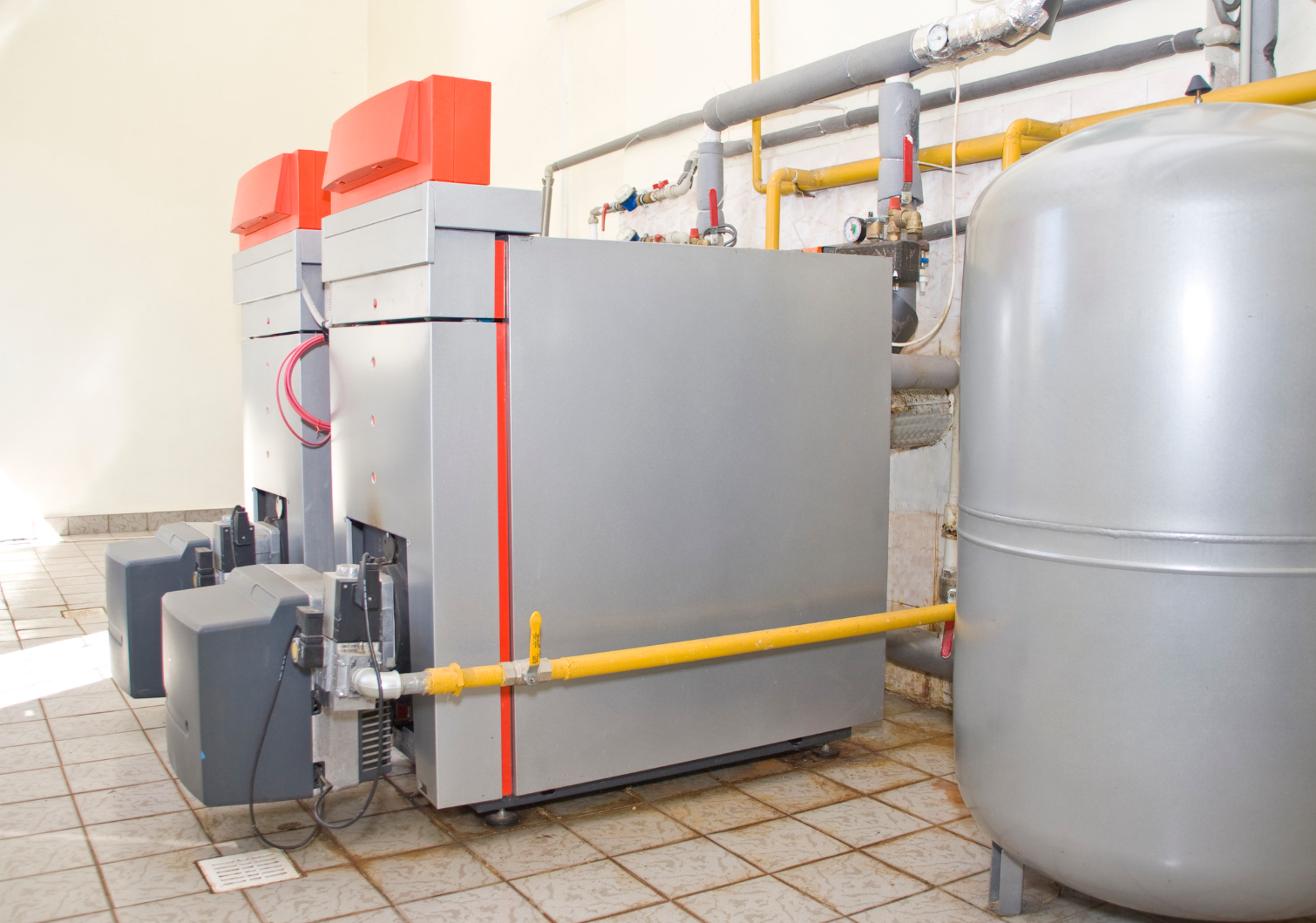
Agile Advantage Ed.17 - Solar for Process Heat: Replacing Gas Boilers in Food and Beverage Manufacturing

5 Reasons Why Capital-Funded Solar is the Safest Energy Transition Strategy in 2026
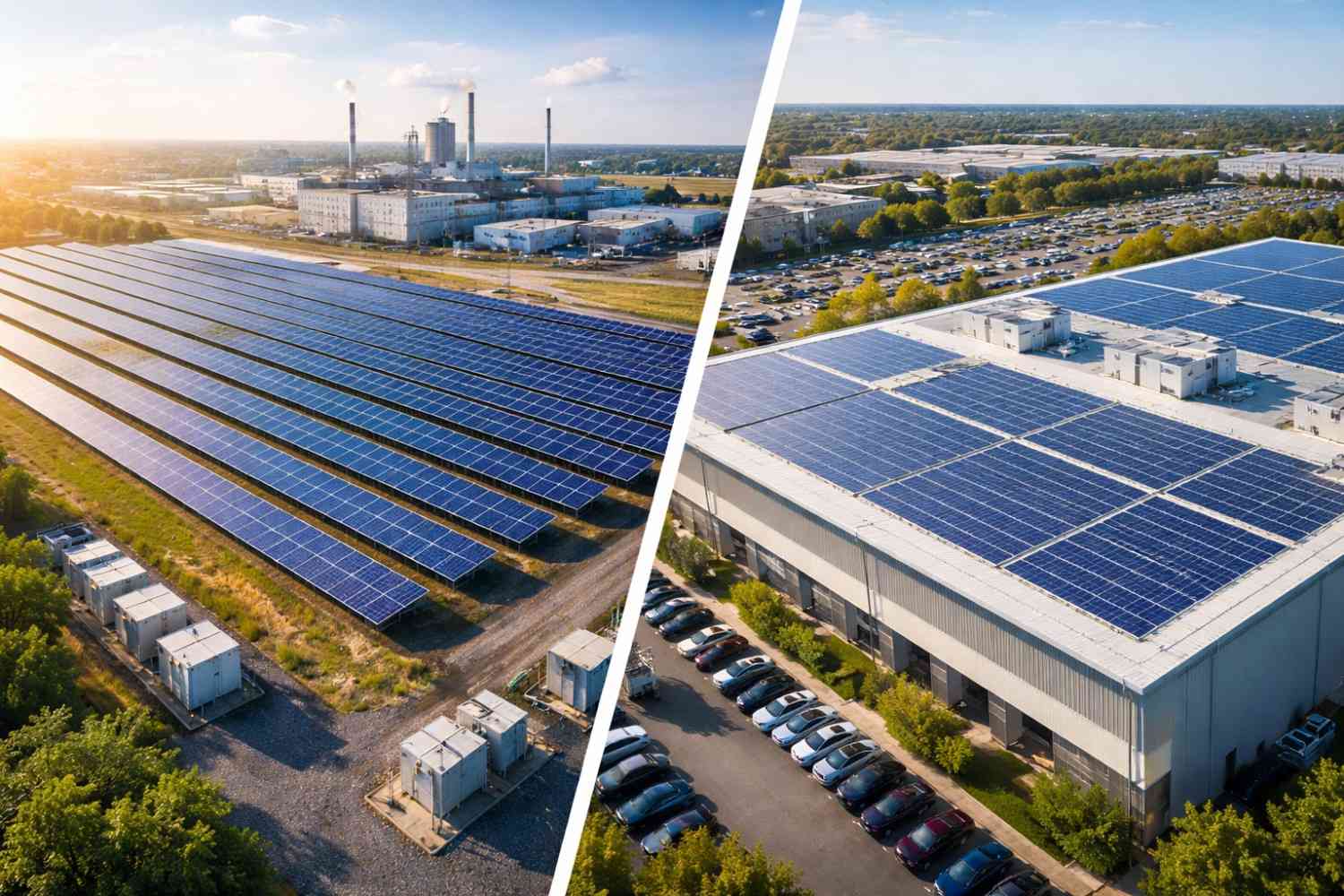
Industrial vs Commercial Solar Systems: Which Energy Solution Is Right for Your Business?

Agile Boardroom 2 - Solar + Storage Under Tight Operating Budgets: Education & Not-for-Profit

Agile Advantage Ed. 16 - Cutting Diesel Dependency: Solar battery PPAs for remote farming operations

Agile Boardroom 1 - A Competitive Advantage in Government & Enterprise Tenders: The Decarbonised Bid

Agile Advantage Ed. 15 - Winning the war on peak prices: Load Shifting, Storage and Smart Controls for C&I

The summer surge: How to keep energy bills cool when temperature rise

Agile Advantage Ed. 14 - The 2026 solar health check: From legacy systems to strategic assets
Solar vs Grid Energy Price Escalation: 2026 Outlook
Agile Advantage Ed. 13 - From energy users to market participants: How Agile businesses are monetising flexibility
Mandatory Climate Reporting: What CFOs need to know (2026–2028)

Agile Advantage Ed. 11 - Unlocking full value from solar & storage: The business case for batteries

End-of-Year Energy Audit: 10 ways to start 2026 leaner and cleaner

Agile Advantage Ed. 10 - Embedded Networks 101: Turning electricity from a cost centre into a profit centre
Top 5 Energy Incentives for Australian Businesses (2025)

Managing solar and battery rollouts for national portfolio
Risk management in renewables
Commercial solar ROI in 2026: Maximise your business savings

Scaling SAFe in large-scale energy organisations: How executives can harness the Scaled Agile Framework (SAFe) to accelerate the energy transition

Always-On Agile operating model for Australia’s energy transition

Integrated energy & carbon strategies: A Playbook for future-proofing Australian manufacturing

Weathering the storm: Protects solar assets from heavy rainfall risk
Transforming dead space into active assets: How Agile unlocks roofs, car parks, and land for revenue

Agile Advantage Ed. 9 - Why energy data is the new gold for Australian manufacturer
Solar Battery Rebate

Agile Advantage Ed. 8 - E is Everything: Energising Australian Businesses

Agile Advantage Ed. 7 - Riding the renewable wave: Why Australian businesses are embracing solar energy

Agile Advantage Ed. 6 - Why CFOs should prioritise renewable energy investments in 2025

Empowering Australian Businesses: Unlocking energy efficiency and sustainability

Agile Advantage Ed. 5 - Inspiring the young workforce: How rolling out renewables sparks motivation

The power of vertical integration in solar project delivery

Agile Advantage Ed. 4 - Making complex simple: Navigating the complexity of solar installations

Rising cost of insurance : Impact on solar assets

Monetising your solar assets: Converting pre-purchased systems into power purchase agreements (PPAs)

Agile Advantage Ed. 3 - The Magic of experience: Partnering for performance in renewables

Solar rooftop safety: Risk management guide

Agile Advantage Ed. 2 - Clear paths to carbon reduction: Renewables and more for Australian businesses

Agile Advantage Ed. 1 - Seven deadly sins of solar installations: Mistakes businesses must avoid

CEO's view on managing increasing energy costs

What are Small-scale technology certificates (STC)?

Carbon Accounting and your business

Join Agile Energy at the Healthcare Real Estate Summit

Carbon Projects - Where to Start?

TRADE ACCUs WITH US! From the desk of Equipoised Group
Ready to power your business with Sustainable Energy?
Let's take the first step towards a brighter and greener future.