How Big a Commercial Solar System Do I Need? A Sizing Guide for Australian Businesses
.jpg)
Solar can be an efficient strategy for Australian enterprises to reduce dependence on grid power and control energy-related costs. However, selecting a system isn't as simple as placing as many panels as possible on the existing rooftop area. The right capacity usually depends on several factors, including the company's electricity usage, operating hours, available space and future energy requirements.
When considering large commercial solar systems, understanding the following aspects before asking for a quote can help you choose the right solution according to your usage pattern and the scale of your operations or property portfolio.
Start With Your Business Energy Consumption
Solar sizing begins by determining how much power your organisation consumes and what times of day the electricity is used.
Review at least one year’s worth of electric bills to cover different seasons. Smart meter readings will give you more accurate data because they tell you how much electricity you consume throughout the day. This is especially important for organisations that have drastic differences in consumption while operating compared to non-operating hours.
For larger C&I projects, it is also useful to assess consumption across individual facilities, production lines, warehouses, offices or other operational sites. This can help determine whether a single large installation or a coordinated multi-site solar rollout would be more suitable.
Look at:
1. Consumption of electricity annually and monthly.
2. Daily consumption average in kilowatt-hours.
3. Consumption during day and night.
4. Seasonal variations in energy demand.
5. Electricity tariff charges.
6. Peak demand currently and expected.
7. Energy consumption across different sites, where applicable.
A business that runs its machinery during daytime could probably utilise a fair bit of its energy production through solar power. On the other hand, a company whose consumption of electricity is mostly during evening hours might have to take another path.
How Much Solar Capacity Does a Business Need?
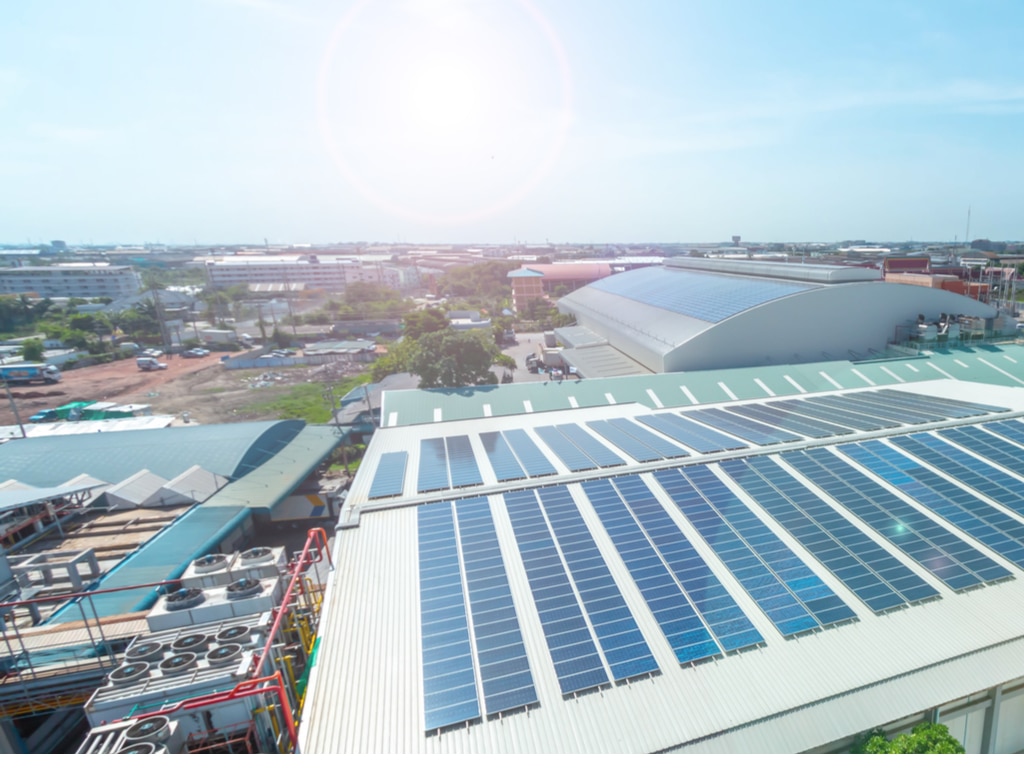
No standard system size can suit all commercial properties. For larger commercial and industrial businesses, system sizing can extend well beyond the smaller rooftop installations often associated with commercial solar. Projects may fall within the 100 kW–500 kW range, 500 kW–1 MW range or 1 MW+ category, depending on electricity demand, site conditions and project objectives.
A broad guide for larger C&I applications is:
These ranges are indicative rather than fixed system recommendations. A 100 kW system may be suitable for one facility while another business with similar floor space may require significantly more capacity. Larger portfolios may also be assessed on a site-by-site basis before being integrated into an overall solar strategy.
The capacity needed would ultimately be determined through detailed analysis of electricity consumption, site conditions, network requirements and future energy demand.
Match Solar Generation With Daytime Usage
An extremely critical factor is the amount of electricity that your business consumes during the day when the sun is shining.
This is because solar panels produce electricity during daylight hours, and production levels fluctuate throughout the day as well as across different seasons. Thus, businesses with significant daytime demand will likely use more of their solar energy production.
For instance, a warehouse that has refrigeration units running throughout the day, a factory with machines, or an office building that uses air conditioning units will have a beneficial day load profile.
For larger C&I systems, understanding the relationship between solar generation and site demand becomes even more important. A 500 kW, 1 MW or larger system should be assessed against the facility's actual load profile rather than being sized simply according to available roof space.
For businesses operating across multiple locations, the same assessment can be repeated for each site to identify differences in demand, solar potential and operating hours.
It is not really necessary to generate as much power as possible. Rather, the idea is to design a system that maintains balance among the generation from solar, consumption on-site, and electricity fed into the grid.
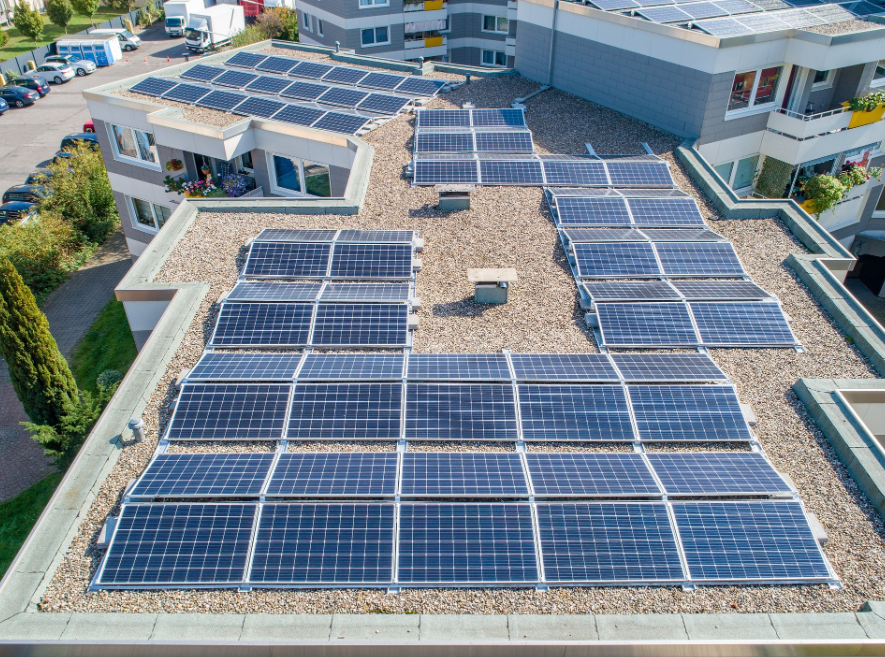
Assess Your Roof and Available Space
Although electricity consumption can indicate that a big system is required, you will still need to have sufficient room for the panels.
The evaluation must take into account:
1. Useful roof space.
2. Direction and angle of roof.
3. Shading by surrounding buildings or vegetation.
4. State of the roof and its suitability.
5. Arrangement of panels and ease of maintenance.
6. Room for electrical components.
7. Available space across multiple properties, where a portfolio-wide rollout is being considered.
The Australian government uses sunny roof space and shading as important considerations when deciding on the size of the system. Just because the roof space is large doesn’t necessarily mean that there will be increased solar generation capacity, especially where there are shaded areas on the roof.
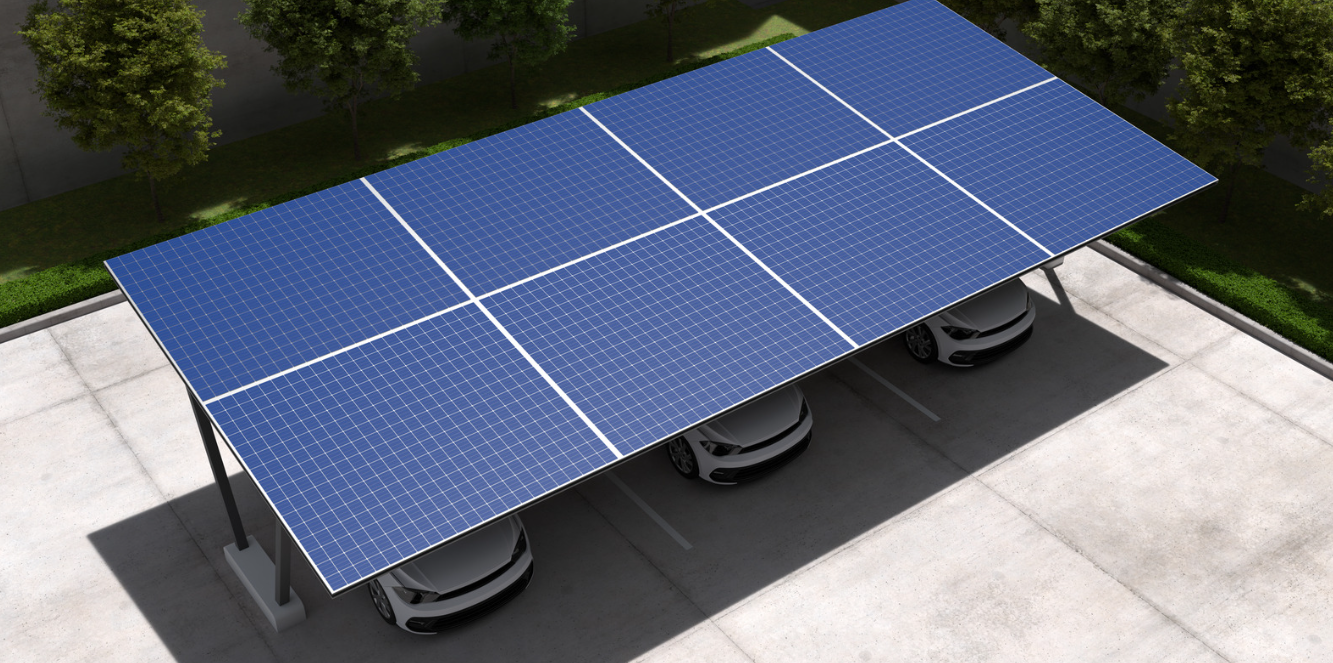
Where rooftop area is limited, businesses may even look into ground-mounted systems or solar installations over suitable car parks. This can provide additional space for installation when a traditional rooftop installation is not enough.
For 500 kW, 1 MW+ and multi-site projects, a broader site assessment may also be required to evaluate electrical infrastructure, roof condition, available connection capacity and the practical requirements of deploying larger systems.
Consider Future Electricity Requirements
Solar installations are meant to be long-term investments; hence, current electricity consumption should not be the sole determining factor.
Is your company looking to grow, increase equipment, or consume more electricity in the future? Growth will mean having more air conditioners, increased production capacities, use of electric cars, expansion of premises, or replacement of fuel-powered machinery with electric alternatives.
However, the Australian Government advises consideration of potential future energy needs in the context of solar panel planning since any alteration might greatly impact electricity consumption.
This is particularly relevant for larger C&I projects. A business considering a 500 kW, 1 MW+ or multi-site solar rollout should consider planned facility expansions, additional equipment, electrification and changes in operational demand before finalising system capacity.
Hence, a good system should be able to sustain your present operation while not ignoring future needs.
Check Local Network Requirements
But before you make a decision on the system size, it is also worth considering how the system is connected to the electricity grid in your area.
Electricity networks in Australia may have limitations on inverter size and export capacity. Such restrictions may vary depending on the network to which your property is connected.
An export limit for certain companies means that increased solar capacity will not necessarily translate into increased electricity being exported to the grid; any additional production will have to be curtailed based on the system configuration.
These considerations can become particularly important as project size increases from 100 kW–500 kW to 500 kW–1 MW and beyond. For 1 MW+ projects, network connection requirements and electrical infrastructure should be assessed as part of the early project planning process.
It is therefore critical to have professionals design the system when planning for a large installation.
What If Your Business Cannot Install Enough Solar?
Not all businesses have enough roof or land space for producing the power that they require. Under such circumstances, the Power Purchase Agreement would serve as an alternative.
In the case of a PPA, a third-party owner typically owns and manages the solar system while the business buys the produced energy according to a predetermined contract. Such a provision may be important for big companies which need renewable energy but do not want to own and maintain the solar system.
For businesses with multiple locations, a PPA or other structured energy arrangement may also be considered when individual sites have different levels of solar potential, available space or electricity demand.
A solution through a power purchase agreement Australia can thus be considered along with owning solar power when evaluating various energy solutions.
Get a System Designed Around Your Business
The selection of a solar power energy company should not just be based on comparison of panel numbers and price estimates. One needs to ask potential suppliers how they determined the required capacity and on what basis they estimated energy use, production, pricing, and future energy demand.
For larger C&I projects, businesses should also consider the provider's approach to project design, electrical infrastructure, network requirements, construction and ongoing management. For multi-site portfolios, consistency across locations and the ability to coordinate multiple installations can also be important considerations.
When comparing different providers, working with the best solar company in Melbourne can also assist in understanding the installation process.
Agile Energy is able to evaluate your electricity needs and the installation space available, in order to provide you with a solar energy system that meets your business needs.
The Right Solar Size Is Business-Specific
The right commercial solar installation may not be the biggest system that can fit on your rooftop. Instead, it should be a system that will suit your energy use pattern, your daytime demand, space availability, solar energy potential, and network considerations.
For larger Australian C&I projects, this may mean assessing a 100 kW–500 kW installation, a 500 kW–1 MW system, a 1 MW+ project or a coordinated rollout across multiple sites. The appropriate approach depends on the electricity profile and physical and electrical characteristics of each business or facility.
Before the investment, collect your recent bills of electricity, examine your usage pattern, and get a professional site assessment. For multi-site businesses, gather comparable energy and site information for each location so that the overall portfolio can be assessed alongside individual site requirements.
A properly sized solar power system will ensure that you have made an investment based on your actual business operation.
Agile Energy will assist businesses in Australia to consider these aspects prior to pursuing their commercial solar project in order to make system sizing a more realistic decision.
Solar and Battery vs Solar Only: When Does the Extra Cost Pay Off?
Agile Advantage Ed.22 - When Power Fails, Product Fails: Energy Resilience in Cold Chain

Agile Boardroom 7 - 2026 Energy Risk: A Framework for Reliability, Cost and Continuity
Big News for Business Solar: SRES Rebate Now Covers Systems 10x Larger

Agile Advantage Ed.21 - From Backup to Strategy: Batteries as business Continuity Infrastructure
What Are Scope 1, 2 and 3 Emissions?

What Is Carbon Offsetting and Should Businesses Use It?
What Is RE100 and Should Your Business Join?
How Can Businesses Reduce Peak Demand Charges?
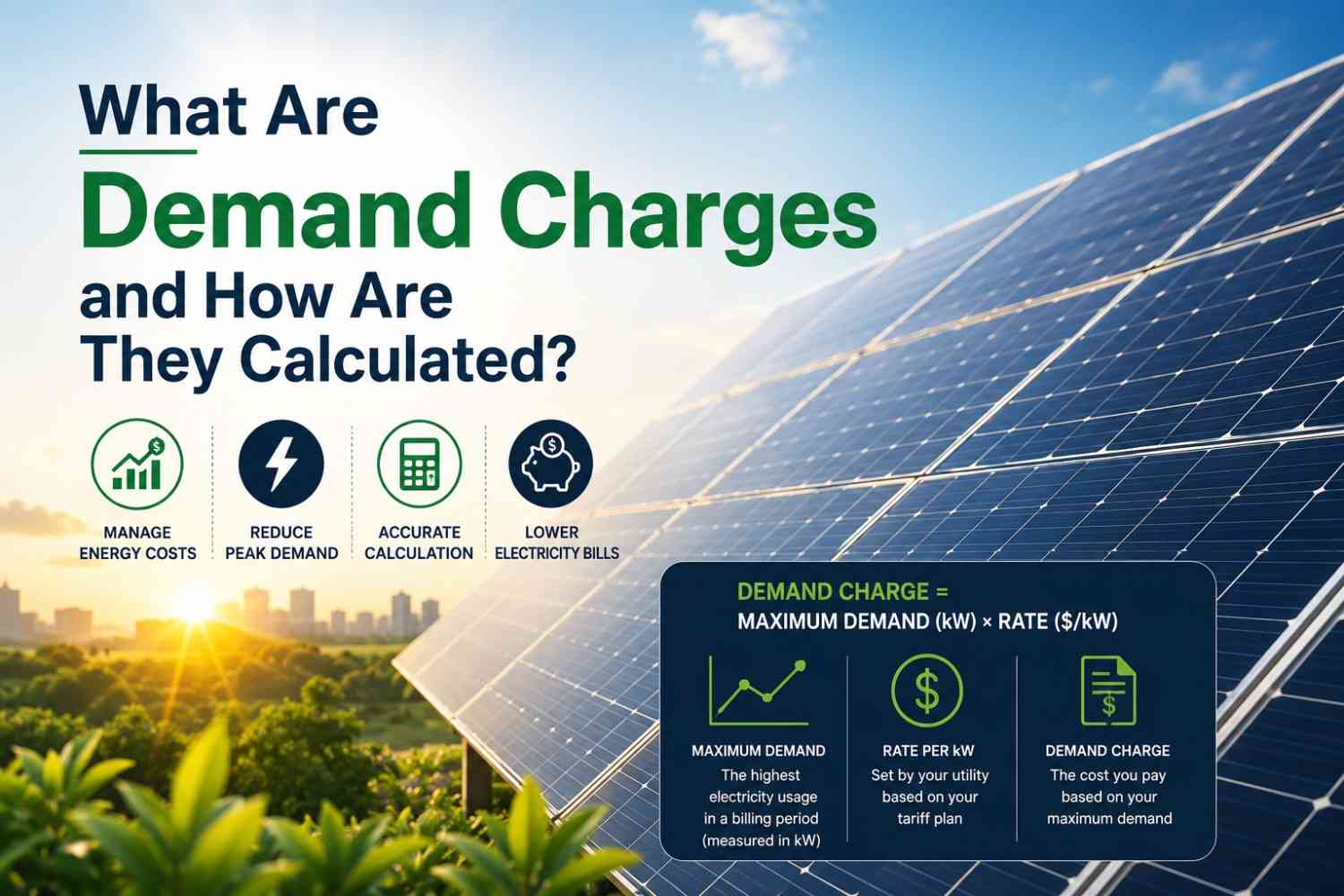
What Are Demand Charges and How Are They Calculated?
What Is Commercial Energy Procurement? A Guide for Australian Businesses

Agile Boardroom 6 - Where should capital go? Core Business vs Energy Infrastructure

Agile Advantage Ed.20 - Energy Security for Australian Businesses: Operating Through Global Instability

Is Your Business Too Dependent on the Grid? Here's What to Do
Network Charges Explained: The Fastest-Growing Cost on Your Business Power Bill

Agile Boardroom 5: Energy as competitive advantage in private equity portfolios

Agile Advantage Ed.19 - The End of Cheap Diesel: What Businesses Need to Know
Energy-as-a-Service Explained for Commercial Property Owners

Agile Boardroom 4 - Geopolitics meets energy: What CFOs must factor into energy strategy

Agile Advantage Ed.18 - Keeping Production Running: Battery Storage for Outage Management in Manufacturing

Agile Boardroom 3 - The Bankable PPA: What Lenders, Boards and Investors actually require

Australia is experiencing a clean energy revolution as commercial and domestic landlords turn rooftops into revenue
Landlords turn to rooftop solar to yield income

Commercial landlords turning rooftops into ‘profit machines’ through solar installations

Solar PPA for Schools: Reduce Electricity Costs Without Upfront Investment
Agile Energy Featured on Business Essentials Podcast
.png)
Schools access cheaper electricity
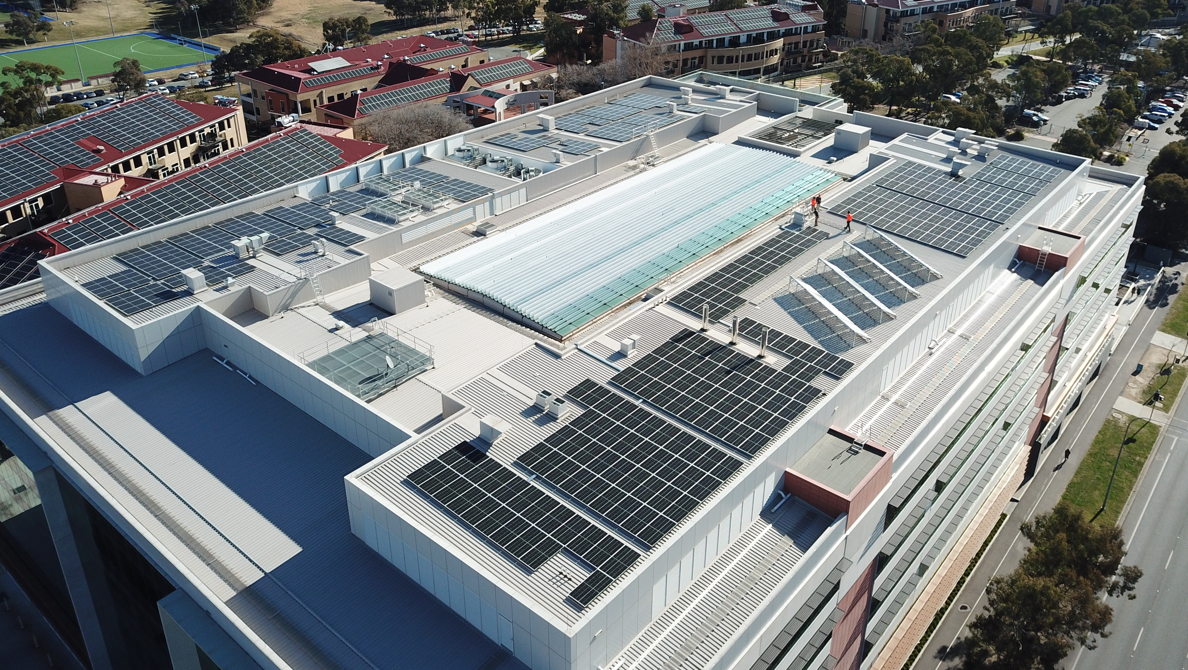
Australia undergoes a clean energy revolution as commercial and domestic landlords turn rooftops into revenue
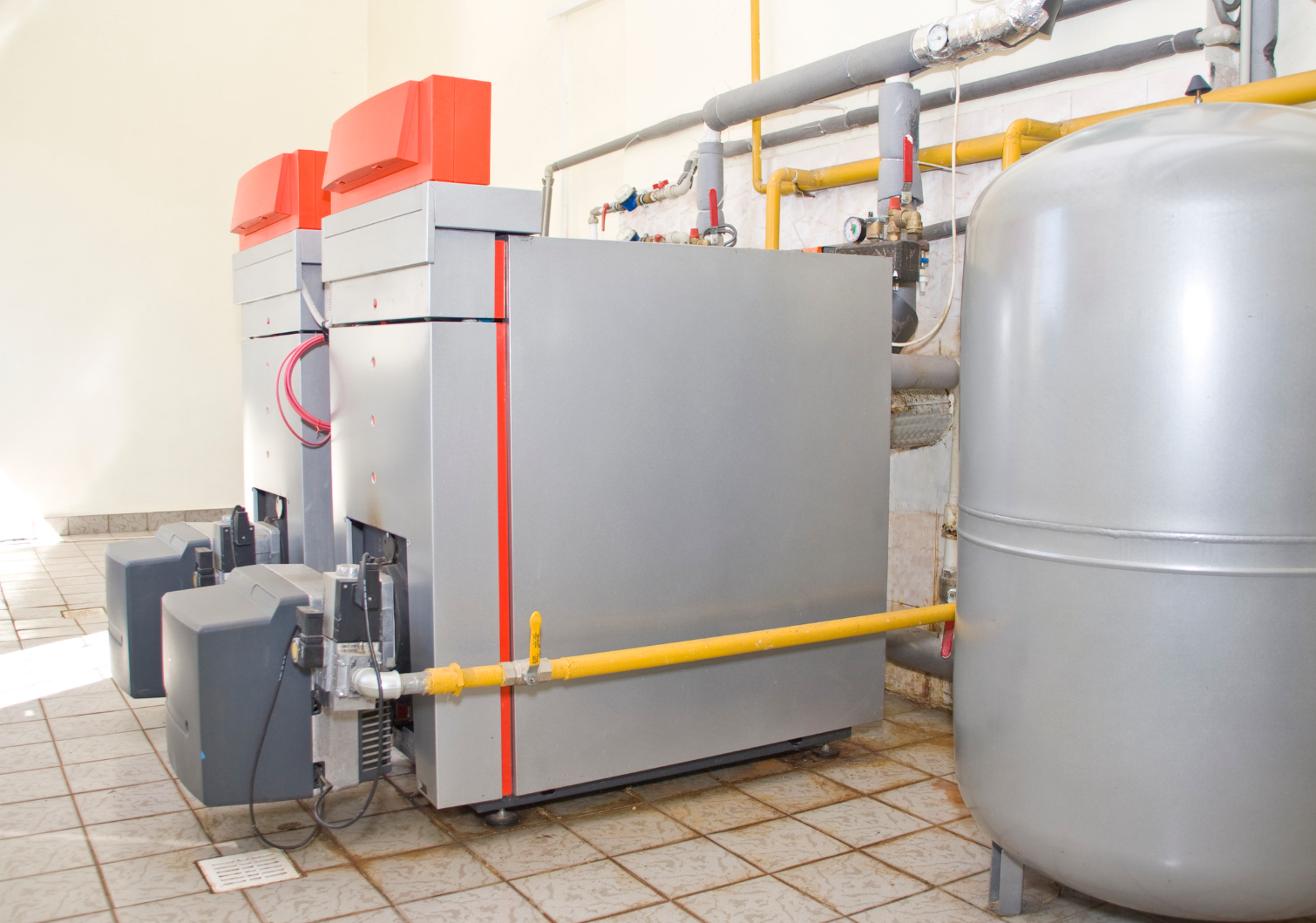
Agile Advantage Ed.17 - Solar for Process Heat: Replacing Gas Boilers in Food and Beverage Manufacturing

5 Reasons Why Capital-Funded Solar is the Safest Energy Transition Strategy in 2026
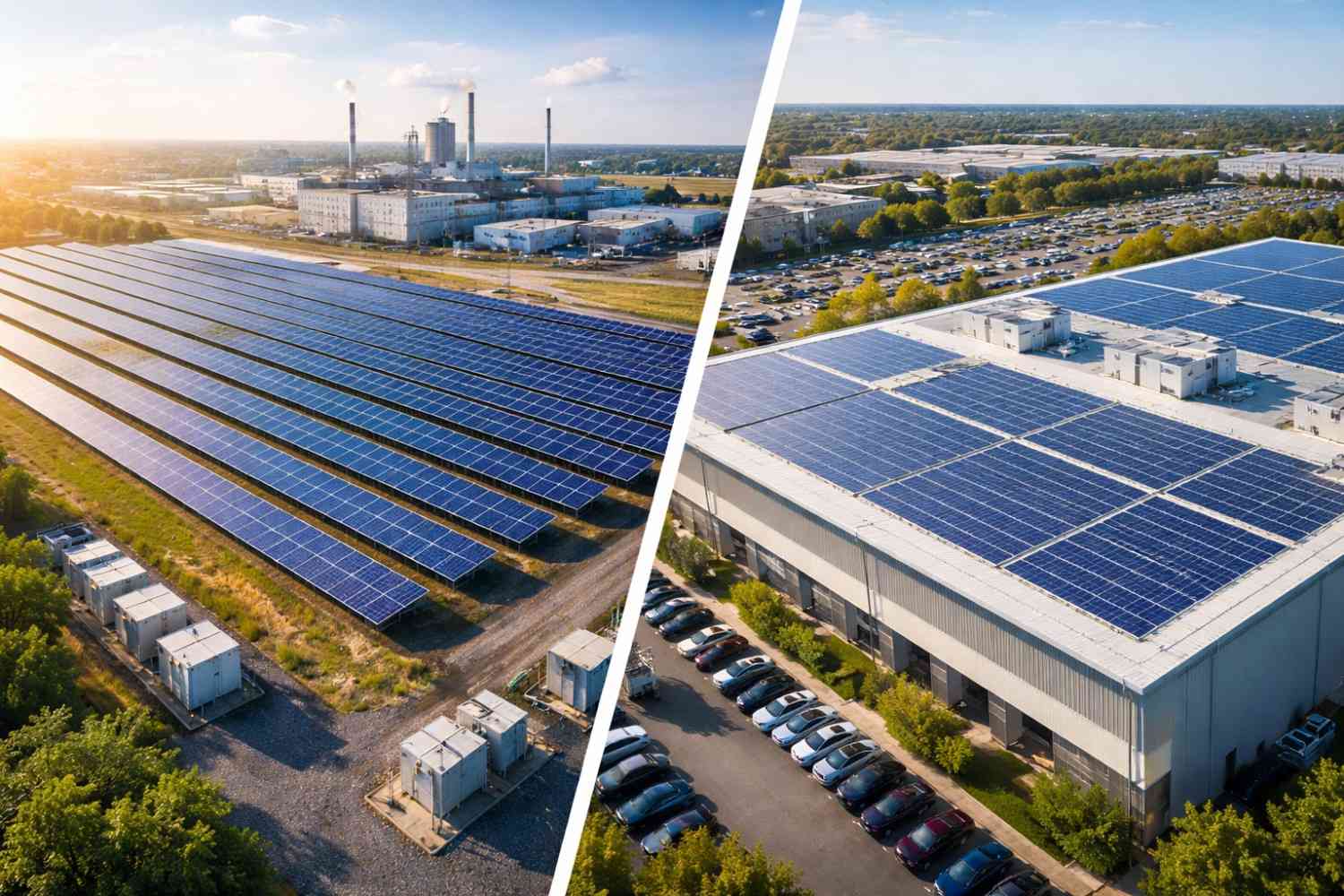
Industrial vs Commercial Solar Systems: Which Energy Solution Is Right for Your Business?

Agile Boardroom 2 - Solar + Storage Under Tight Operating Budgets: Education & Not-for-Profit
Agile Advantage Ed. 16 - Cutting Diesel Dependency: Solar battery PPAs for remote farming operations

Agile Boardroom 1 - A Competitive Advantage in Government & Enterprise Tenders: The Decarbonised Bid

Agile Advantage Ed. 15 - Winning the war on peak prices: Load Shifting, Storage and Smart Controls for C&I

The summer surge: How to keep energy bills cool when temperature rise

Agile Advantage Ed. 14 - The 2026 solar health check: From legacy systems to strategic assets
Solar vs Grid Energy Price Escalation: 2026 Outlook
Agile Advantage Ed. 13 - From energy users to market participants: How Agile businesses are monetising flexibility
Mandatory Climate Reporting: What CFOs need to know (2026–2028)

Agile Advantage Ed. 11 - Unlocking full value from solar & storage: The business case for batteries
End-of-Year Energy Audit: 10 ways to start 2026 leaner and cleaner

Agile Advantage Ed. 10 - Embedded Networks 101: Turning electricity from a cost centre into a profit centre
Top 5 Energy Incentives for Australian Businesses (2025)

Managing solar and battery rollouts for national portfolio

Risk management in renewables
Commercial solar ROI in 2026: Maximise your business savings

Scaling SAFe in large-scale energy organisations: How executives can harness the Scaled Agile Framework (SAFe) to accelerate the energy transition

Always-On Agile operating model for Australia’s energy transition

Integrated energy & carbon strategies: A Playbook for future-proofing Australian manufacturing

Weathering the storm: Protects solar assets from heavy rainfall risk
Transforming dead space into active assets: How Agile unlocks roofs, car parks, and land for revenue

Agile Advantage Ed. 9 - Why energy data is the new gold for Australian manufacturer
Solar Battery Rebate

Agile Advantage Ed. 8 - E is Everything: Energising Australian Businesses

Agile Advantage Ed. 7 - Riding the renewable wave: Why Australian businesses are embracing solar energy

Agile Advantage Ed. 6 - Why CFOs should prioritise renewable energy investments in 2025

Empowering Australian Businesses: Unlocking energy efficiency and sustainability

Agile Advantage Ed. 5 - Inspiring the young workforce: How rolling out renewables sparks motivation

The power of vertical integration in solar project delivery

Agile Advantage Ed. 4 - Making complex simple: Navigating the complexity of solar installations

Rising cost of insurance : Impact on solar assets

Monetising your solar assets: Converting pre-purchased systems into power purchase agreements (PPAs)

Agile Advantage Ed. 3 - The Magic of experience: Partnering for performance in renewables

Solar rooftop safety: Risk management guide

Agile Advantage Ed. 2 - Clear paths to carbon reduction: Renewables and more for Australian businesses

Agile Advantage Ed. 1 - Seven deadly sins of solar installations: Mistakes businesses must avoid

CEO's view on managing increasing energy costs

What are Small-scale technology certificates (STC)?

Carbon Accounting and your business

Join Agile Energy at the Healthcare Real Estate Summit

Carbon Projects - Where to Start?

TRADE ACCUs WITH US! From the desk of Equipoised Group
Ready to power your business with Sustainable Energy?
Let's take the first step towards a brighter and greener future.