Solar and Battery vs Solar Only: When Does the Extra Cost Pay Off?
.jpg)
Installing solar panels can reduce your dependence on grid electricity, but adding a battery gives you options for what to do with that energy. Rather than using solar energy mostly when it is sunny, a battery lets you store and use it later.
The main issue here is whether it is worth the extra cost of installing a battery. This will depend on several factors, including electricity tariffs, energy consumption pattern, export rate, among others.
Solar Only: A Simpler Starting Point
The all-solar system produces electricity during daytime only. Your premises consume the required amount of solar energy, but additional production will usually be able to be fed back into the grid, depending on the particular electricity setup that you have.
This solution offers a single significant benefit in terms of cost: the less capital required. Fewer elements mean less cost in acquisition and maintenance.
A solar-only system would be sensible if:
1. Majority of electrical energy usage happens during daytime.
2. The value given for export is decent.
3. The site’s energy needs are somewhat consistent.
4. Maintaining initial costs is important.
5. Backup power in case of grid failure is unnecessary.
As the size of the property/business increases, system design comes into play. For instance, the installation of ground-mount solar panels could be recommended where land space is adequate while roof space is not.
What Changes When You Add a Battery?
The solar panels produce electricity as long as there is sun, but electricity demands do not always coincide with that. The battery compensates for this imbalance by storing additional solar energy when production is high and releasing it when production drops.
This would be especially helpful at night times, when electricity demand remains, but solar energy production is low.
A battery may create value through:
1. Increased solar self-consumption: Higher proportions of the generated energy can be consumed locally instead of being exported.
2. Savings during peak hours: Stored energy can be utilised during peak hours when energy from the grid is more expensive.
3. Increased energy independence: A lesser amount of electricity would have to be bought from the grid.
4. Standby mode: Appropriate systems are capable of feeding the required loads during power failure.
For businesses, this idea will take on much greater significance since energy consumption may be large and occur during costly operating hours.
Solar Only vs Solar + Battery: At a Glance
As indicated by the table above, there is one significant observation that can be drawn, and that is that the mere presence of the battery does not necessarily make solar more profitable.
When Does the Extra Battery Cost Pay Off?
The financial benefit of using the battery increases where the stored electricity is valuable.
Let’s take an example where electricity production from the sun is higher than the consumption for the day; however, most of the electricity is consumed in the evening hours. The exported electricity earns some financial gain, but if stored, it can replace future electricity purchase costs.
The rationale for the calculation becomes even stronger when:
1. Electricity costs on the grid are either high or variable depending on the time of day.
2. Export payment is relatively low.
3. Electricity usage extends late into the night.
4. The property faces many power outages.
5. Battery rebates or incentives are lowering the installation cost further.
6. Battery cycling can be done efficiently, without excessive losses.
In the case of commercial buildings, commercial battery storage Australia has gained relevance where there is a requirement to manage high power usage, operational continuity, or peak demand.
Don't Look Only at the Payback Period
Simple payback is effective, but it is not the complete financial picture. The formula for calculating it is to divide the net installation cost by annual savings. Nevertheless, a thorough evaluation must take into account battery efficiency, degradation, maintenance, financing, changes in electricity prices, and replacement costs.
For instance, when the cost of installing the solar panel is $20,000 and saves $2,000 annually, then the simple payback period will be 10 years. When the addition of the battery makes the total cost to become $30,000 but increases the savings per year to $2,700, the simple payback period is now 11.1 years.
In this case, the battery has taken more time to recoup its initial cost, despite generating higher savings each year. It therefore shows that the quickest payback period does not mean the greatest long-term value.
How Incentives Can Change the Calculation
Both government incentives and utilities can significantly affect the economic factors related to solar and energy storage. Incentives such as rebates lower the total cost of installing solar panels, therefore decreasing the payback period for the initial costs incurred.
It is also wise for companies to look into any commercial solar rebates that may apply to the installation prior to finalizing their choice of system. The criteria and amounts may vary from one jurisdiction to another and may also change from time to time.
The installation of a battery should not only be attributed to the incentives but also to the cost of power, operating hours, and the lifespan of the equipment.
Where Solar + Battery Makes the Most Sense
The use of battery storage becomes more valuable in cases where there is a need for electricity even after solar power generation ceases.
This is especially true for:
1. Factories with long working periods.
2. Office premises with large nighttime consumption.
3. Hotel/retail establishments working after sunset.
4. Locations where continuous electricity is critical.
5. Sites that do not derive much benefit from the export of any excess electricity generated by solar power.
In larger facilities, it would be possible to install both the industrial solar systems and the battery storage. The right combination will depend on various factors, like available space, site’s load profile, operational requirements, and tariff structure.
A Practical Way to Decide
Before making a decision, consider the following aspects:
1. Look at your electricity bills: Discover when and how much energy you use.
2. Daytime usage: More daytime usage means that using solar panels will be even more useful.
3. Check export rates: Find out how much money you can earn from excess solar energy.
4. Review peak tariffs: Differences in tariff rates during peak and non-peak times may make an even more compelling case for energy storage.
5. Include resilience: Think about the cost and disruption of electricity outages.
6. Compare lifetime costs: Do not only consider the initial cost but also other factors, like degradation, maintenance, and potential replacement needs.
An assessment from an energy provider such as Agile Energy will provide businesses with an analysis based on their specific energy usage as opposed to just using payback period estimates.
The Bottom Line
Solar alone tends to be easier and more affordable, whereas solar coupled with batteries offers more control over the timing of power usage. The additional cost of the battery system would be more justifiable in cases where the property has high evening consumption, high-cost electricity during peak hours, low value in exports, or requires back-up power.
For businesses opting to implement commercial solar solutions, the decision should be informed by the relationship between energy production, consumption time, electricity charges, and operating needs.
Agile Energy could be employed to assess the impact of these variables during a site-specific assessment of solar and energy storage technologies. However, the focus of the assessment should be on identifying whether the added capacity would create value sufficient to justify the cost.
How Big a Commercial Solar System Do I Need? A Sizing Guide for Australian Businesses

Agile Advantage Ed.22 - When Power Fails, Product Fails: Energy Resilience in Cold Chain

Agile Boardroom 7 - 2026 Energy Risk: A Framework for Reliability, Cost and Continuity

Big News for Business Solar: SRES Rebate Now Covers Systems 10x Larger

Agile Advantage Ed.21 - From Backup to Strategy: Batteries as business Continuity Infrastructure

What Are Scope 1, 2 and 3 Emissions?

What Is Carbon Offsetting and Should Businesses Use It?
What Is RE100 and Should Your Business Join?
How Can Businesses Reduce Peak Demand Charges?
What Are Demand Charges and How Are They Calculated?
What Is Commercial Energy Procurement? A Guide for Australian Businesses

Agile Boardroom 6 - Where should capital go? Core Business vs Energy Infrastructure

Agile Advantage Ed.20 - Energy Security for Australian Businesses: Operating Through Global Instability

Is Your Business Too Dependent on the Grid? Here's What to Do
Network Charges Explained: The Fastest-Growing Cost on Your Business Power Bill

Agile Boardroom 5: Energy as competitive advantage in private equity portfolios

Agile Advantage Ed.19 - The End of Cheap Diesel: What Businesses Need to Know
Energy-as-a-Service Explained for Commercial Property Owners

Agile Boardroom 4 - Geopolitics meets energy: What CFOs must factor into energy strategy

Agile Advantage Ed.18 - Keeping Production Running: Battery Storage for Outage Management in Manufacturing

Agile Boardroom 3 - The Bankable PPA: What Lenders, Boards and Investors actually require

Australia is experiencing a clean energy revolution as commercial and domestic landlords turn rooftops into revenue

Landlords turn to rooftop solar to yield income

Commercial landlords turning rooftops into ‘profit machines’ through solar installations

Solar PPA for Schools: Reduce Electricity Costs Without Upfront Investment
Agile Energy Featured on Business Essentials Podcast
.png)
Schools access cheaper electricity
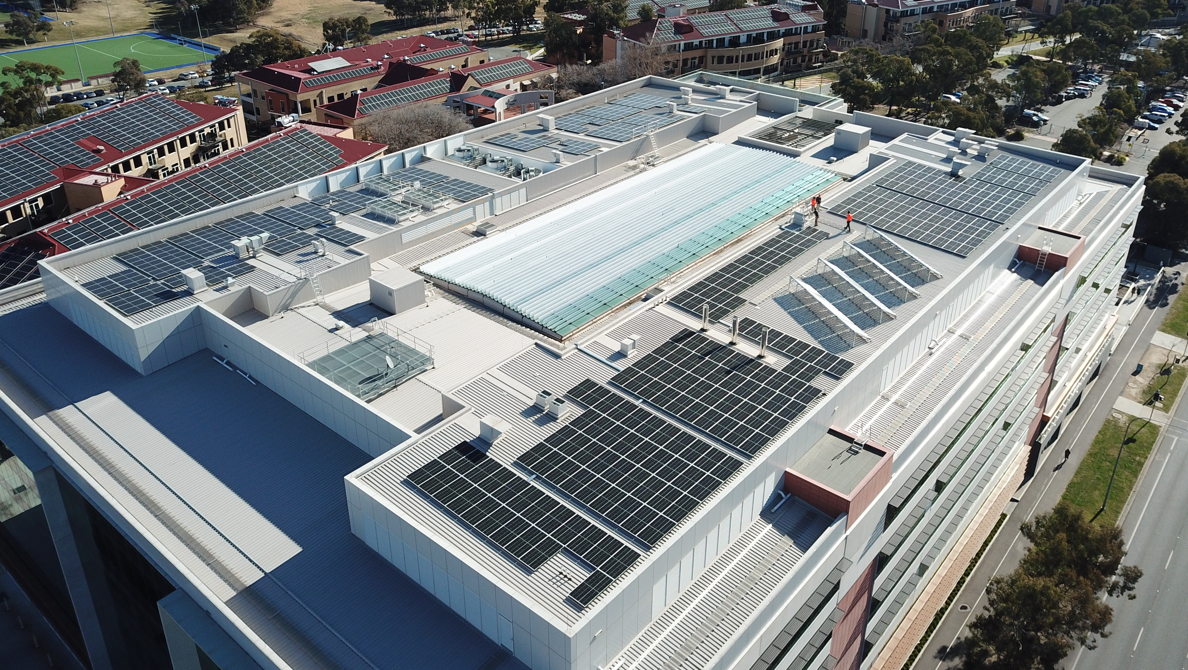
Australia undergoes a clean energy revolution as commercial and domestic landlords turn rooftops into revenue
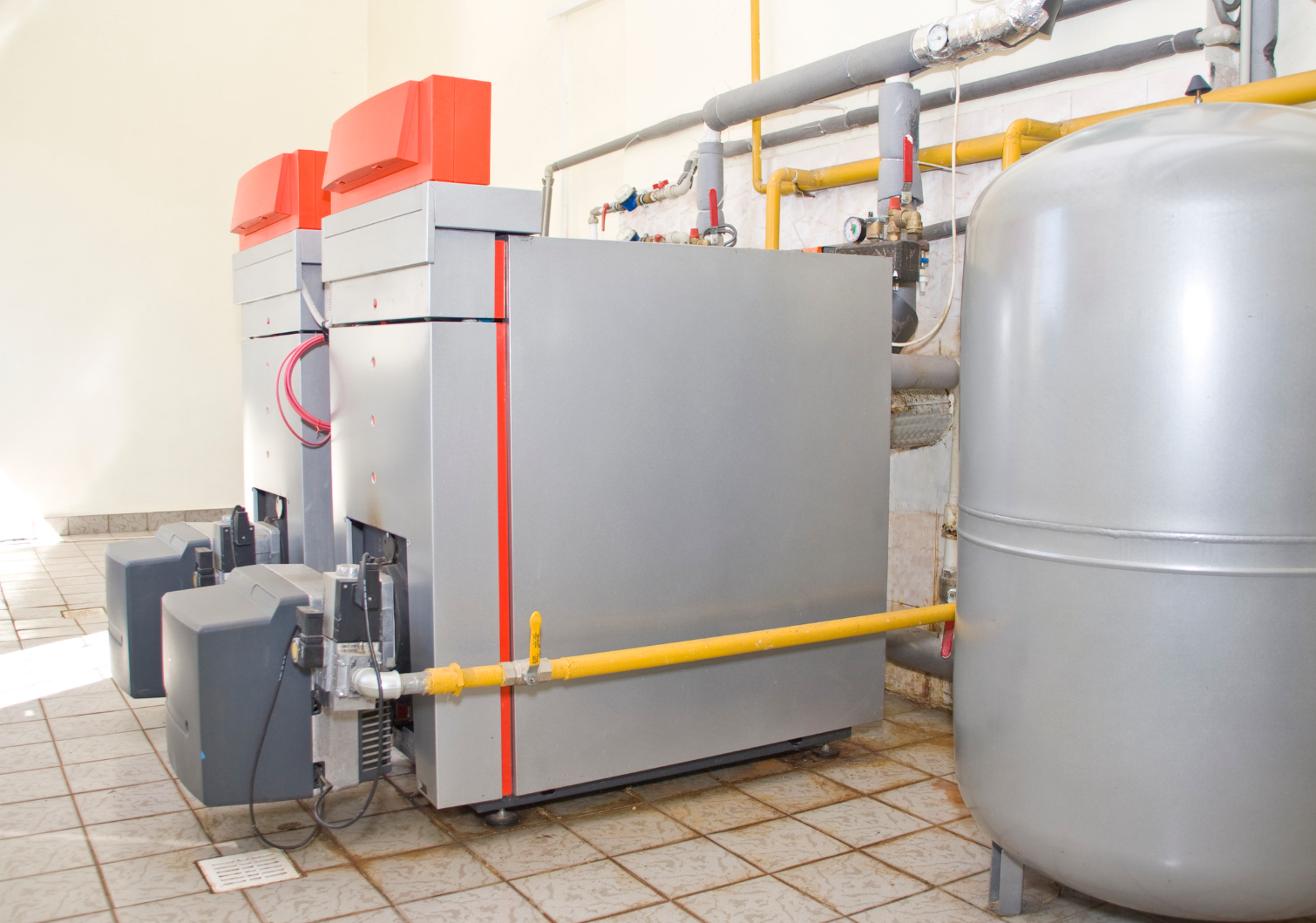
Agile Advantage Ed.17 - Solar for Process Heat: Replacing Gas Boilers in Food and Beverage Manufacturing

5 Reasons Why Capital-Funded Solar is the Safest Energy Transition Strategy in 2026
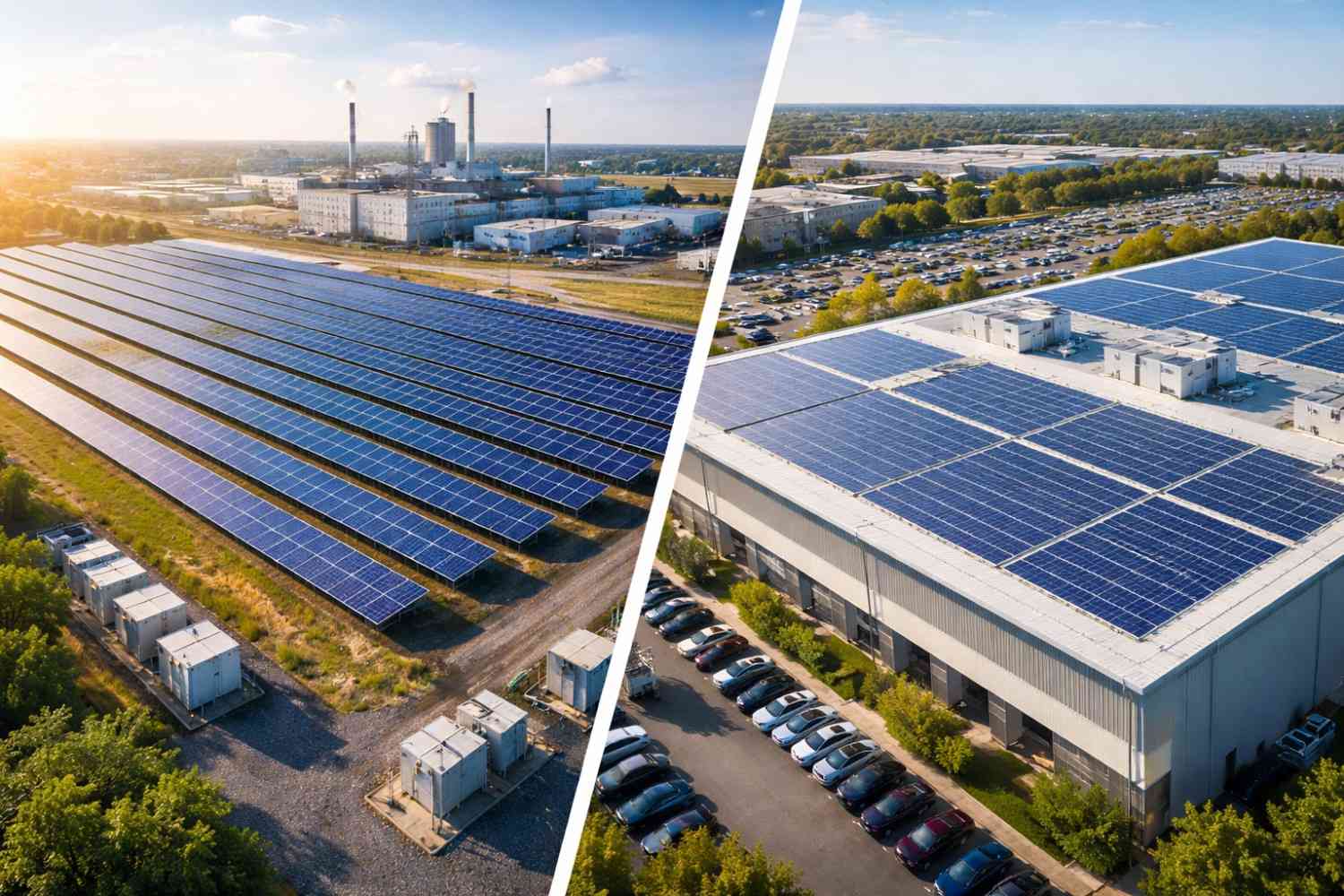
Industrial vs Commercial Solar Systems: Which Energy Solution Is Right for Your Business?

Agile Boardroom 2 - Solar + Storage Under Tight Operating Budgets: Education & Not-for-Profit

Agile Advantage Ed. 16 - Cutting Diesel Dependency: Solar battery PPAs for remote farming operations

Agile Boardroom 1 - A Competitive Advantage in Government & Enterprise Tenders: The Decarbonised Bid

Agile Advantage Ed. 15 - Winning the war on peak prices: Load Shifting, Storage and Smart Controls for C&I

The summer surge: How to keep energy bills cool when temperature rise

Agile Advantage Ed. 14 - The 2026 solar health check: From legacy systems to strategic assets
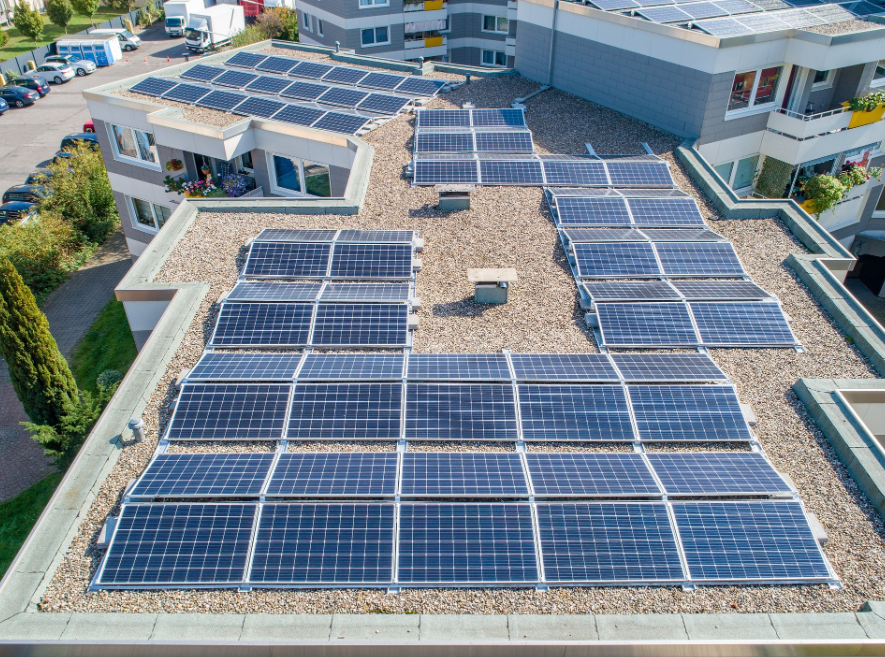
Solar vs Grid Energy Price Escalation: 2026 Outlook
Agile Advantage Ed. 13 - From energy users to market participants: How Agile businesses are monetising flexibility
Mandatory Climate Reporting: What CFOs need to know (2026–2028)

Agile Advantage Ed. 11 - Unlocking full value from solar & storage: The business case for batteries

End-of-Year Energy Audit: 10 ways to start 2026 leaner and cleaner

Agile Advantage Ed. 10 - Embedded Networks 101: Turning electricity from a cost centre into a profit centre
Top 5 Energy Incentives for Australian Businesses (2025)

Managing solar and battery rollouts for national portfolio

Risk management in renewables
Commercial solar ROI in 2026: Maximise your business savings

Scaling SAFe in large-scale energy organisations: How executives can harness the Scaled Agile Framework (SAFe) to accelerate the energy transition

Always-On Agile operating model for Australia’s energy transition

Integrated energy & carbon strategies: A Playbook for future-proofing Australian manufacturing

Weathering the storm: Protects solar assets from heavy rainfall risk
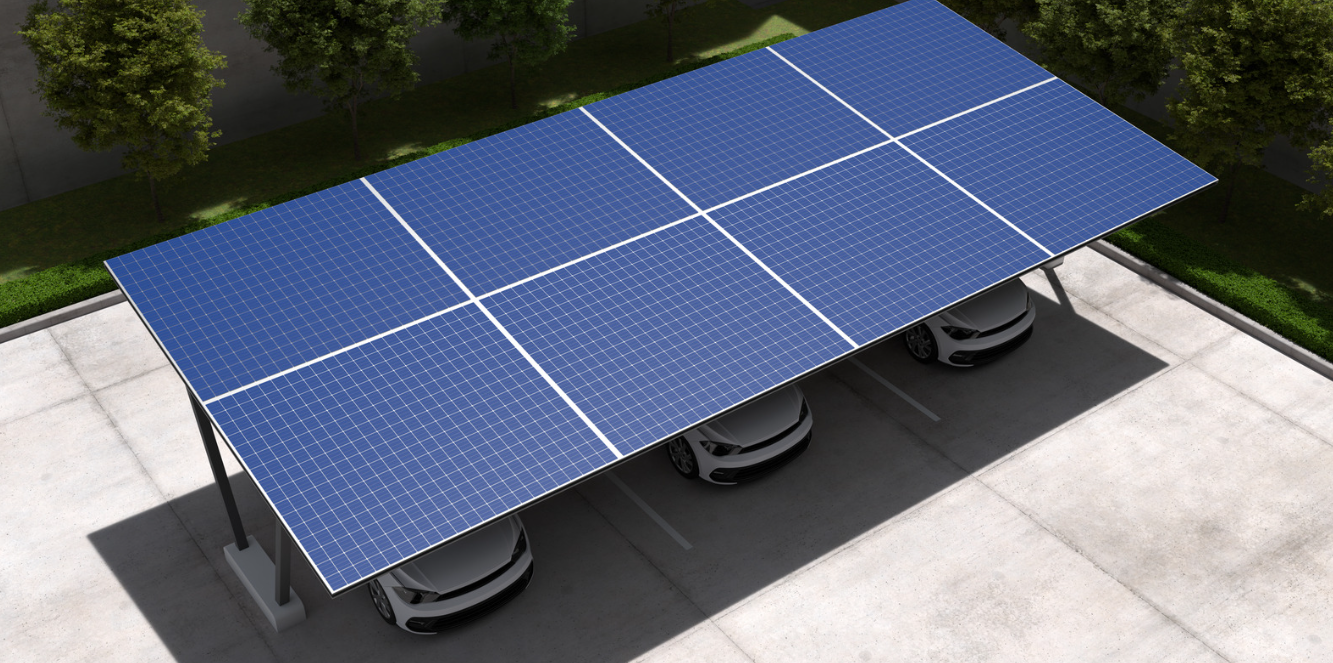
Transforming dead space into active assets: How Agile unlocks roofs, car parks, and land for revenue

Agile Advantage Ed. 9 - Why energy data is the new gold for Australian manufacturer
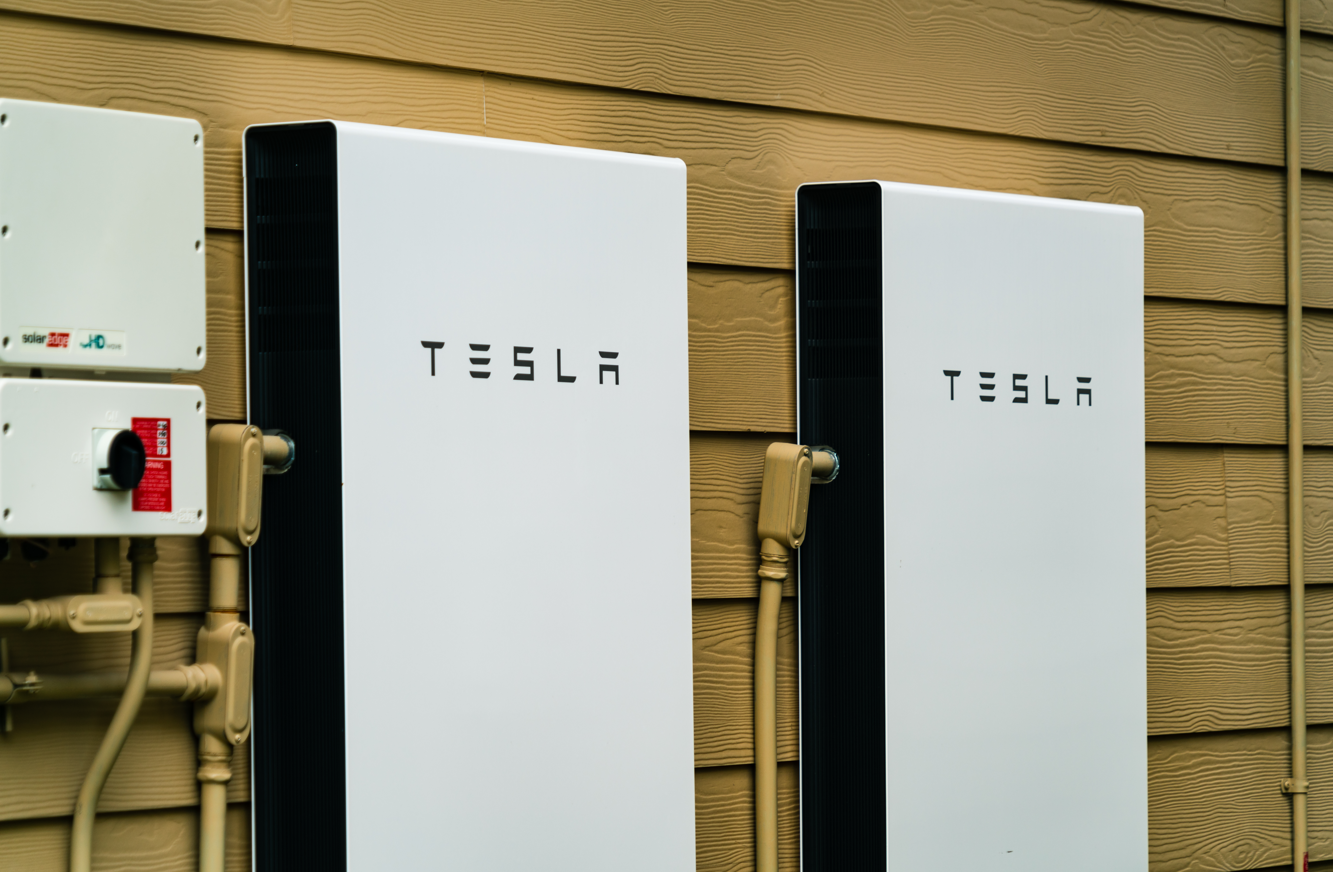
Solar Battery Rebate

Agile Advantage Ed. 8 - E is Everything: Energising Australian Businesses

Agile Advantage Ed. 7 - Riding the renewable wave: Why Australian businesses are embracing solar energy

Agile Advantage Ed. 6 - Why CFOs should prioritise renewable energy investments in 2025

Empowering Australian Businesses: Unlocking energy efficiency and sustainability

Agile Advantage Ed. 5 - Inspiring the young workforce: How rolling out renewables sparks motivation

The power of vertical integration in solar project delivery

Agile Advantage Ed. 4 - Making complex simple: Navigating the complexity of solar installations

Rising cost of insurance : Impact on solar assets

Monetising your solar assets: Converting pre-purchased systems into power purchase agreements (PPAs)

Agile Advantage Ed. 3 - The Magic of experience: Partnering for performance in renewables

Solar rooftop safety: Risk management guide

Agile Advantage Ed. 2 - Clear paths to carbon reduction: Renewables and more for Australian businesses

Agile Advantage Ed. 1 - Seven deadly sins of solar installations: Mistakes businesses must avoid

CEO's view on managing increasing energy costs

What are Small-scale technology certificates (STC)?

Carbon Accounting and your business

Join Agile Energy at the Healthcare Real Estate Summit

Carbon Projects - Where to Start?

TRADE ACCUs WITH US! From the desk of Equipoised Group
Ready to power your business with Sustainable Energy?
Let's take the first step towards a brighter and greener future.