Agile Advantage Ed. 23 -Turn energy into an operating expense, not capital investment
.jpg)
Energy infrastructure has traditionally required significant upfront investment. Businesses either built capacity themselves or entered long-term agreements that effectively locked in capital commitments. This model is becoming less viable in an environment defined by rapid technological change and market volatility.
A shift is emerging towards treating energy as a service, aligning costs with usage rather than ownership. This change is happening with a reclassification of energy costs from Capital Expenditure (CapEx) to Operating Expenditure (OpEx), allowing organisations to preserve their borrowing capacity and improve debt-to-equity ratios.
This transition removes the burden of Energy Service Agreements (ESA) from the balance sheet, allowing businesses to redirect limited capital toward core growth initiatives (such as R&D or market expansion) rather than depreciating infrastructure.
This shift also changes how capital is prioritised at a strategic level. By removing energy infrastructure from the capital allocation process, businesses avoid deploying balance sheet capacity into non-core assets that do not generate competitive advantage. Instead, capital can be directed toward activities that directly drive revenue, margin expansion, or market share, such as product development, automation, or geographic growth. In this sense, the transition to an OpEx model is not just a financing decision, but a reallocation of capital toward the core economic engine of the business.
The Limitations of Capital-Heavy Models
Capital investment in energy infrastructure assumes stability: stable technology, stable prices, and stable operating conditions. However, none of these assumptions hold in the current market.
• Technologies such as battery storage are evolving rapidly, meaning that assets can become outdated well before the end of their financial life.
• Furthermore, traditional ownership forces companies to absorb 100% of the operational risk, including maintenance, system degradation, and the 'stranding' of assets as regulatory compliance and carbon-reduction targets tighten.
• At the same time, market conditions are changing in ways that can
• Undermine the expected returns on these investments.
This creates a mismatch between long-term capital commitments and short-term operational realities.
Aligning Energy with Operational Needs
Treating energy as an operating expense allows businesses to scale their energy usage in line with demand, without being tied to fixed assets. This model shifts risk away from the business and towards service providers who are better positioned to manage it.
This risk transfer is quantified through Service Level Agreements (SLAs) that guarantee system uptime and efficiency. Unlike owning a boiler or solar array (where the business pays for repairs regardless of performance) an OpEx model ensures the provider is only paid when the energy outcome is delivered, directly aligning the provider's profit with the customer's operational reliability.
It also enables greater flexibility, allowing businesses to adapt as conditions change without being constrained by existing infrastructure.
The Role of Integrated Energy Services
This shift is being enabled by the emergence of integrated energy service providers who offer bundled solutions, including generation, storage, and management.
Rather than purchasing equipment, businesses contract for performance outcomes, such as guaranteed availability or cost thresholds. This changes the focus from asset ownership to service reliability.
The change to an integrated service model typically delivers immediate cash flow improvements. In many industrial applications, Energy as a Service (EaaS) models have demonstrated performance improvements of up to 19.2% and significant reductions in energy intensity. This allows for 'off-balance sheet' financing where payments are often fully tax-deductible as operating expenses, effectively lowering the Total Cost of Ownership (TCO) compared to self-funded projects.
Impact on Equity Value and Business Valuation
The shift from capital ownership to an operating expense model has direct implications for how a business is valued by investors.
Capital-intensive energy infrastructure increases the asset base without contributing to revenue differentiation, which can dilute return on invested capital and suppress valuation multiples. By contrast, an OpEx model reduces asset intensity and improves capital efficiency, allowing the business to generate earnings without continuously deploying capital into non-core infrastructure.
This typically results in stronger free cash flow conversion, as less capital is required to sustain operations. From an equity perspective, businesses that demonstrate consistent cash generation with lower reinvestment requirements are often valued at a premium, particularly in sectors where capital discipline is closely scrutinised.
Additionally, removing long-lived energy assets from the balance sheet reduces exposure to technological obsolescence and regulatory risk. This improves the perceived quality and durability of earnings, which is a key factor in valuation.
In practical terms, shifting energy to OpEx does not just change cost structure, it can change how the business is priced by the market.
Potential Implementation Roadmap
We propose this transition requires a structured three-phase approach:
1. The Energy Audit & Baseline
Before shifting to an OpEx model, a business must establish its current "Total Cost of Ownership" (TCO). This involves:
• Aggregating 12-24 months of utility billing data.
• Identifying "invisible" costs like maintenance, emergency repairs, and insurance on existing assets.
• Defining specific performance requirements (e.g., "We need 99.9% uptime for cold storage").
2. The Service Provider Tender
Instead of requesting quotes for equipment, businesses should issue a Request for Proposal (RFP) for outcomes.
• Ask for a fixed monthly service fee or a "pay-per-unit"
• Ensure the contract includes "Technology Refresh" clauses, allowing the provider to upgrade equipment at their own cost if more efficient tech emerges during the term.
3. Financial Alignment & Onboarding
• Work with tax and finance teams to ensure the contract is structured as a service agreement rather than a "hidden" capital lease, keeping the obligation off the balance sheet.
• Coordinate the removal or sale of old, company-owned equipment as the service provider installs the new, managed infrastructure.
Conclusion
Ultimately, the choice to move energy to the OpEx column is a commitment to 'future- proofing.' It replaces the gamble of long-term technology bets with a predictable, fixed, or performance-indexed fee, ensuring that the business remains lean and technologically current without ever writing another multi-million-dollar cheque for a depreciating asset.

How Big a Commercial Solar System Do I Need? A Sizing Guide for Australian Businesses
Solar and Battery vs Solar Only: When Does the Extra Cost Pay Off?
Agile Advantage Ed.22 - When Power Fails, Product Fails: Energy Resilience in Cold Chain

Agile Boardroom 7 - 2026 Energy Risk: A Framework for Reliability, Cost and Continuity
Big News for Business Solar: SRES Rebate Now Covers Systems 10x Larger

Agile Advantage Ed.21 - From Backup to Strategy: Batteries as business Continuity Infrastructure
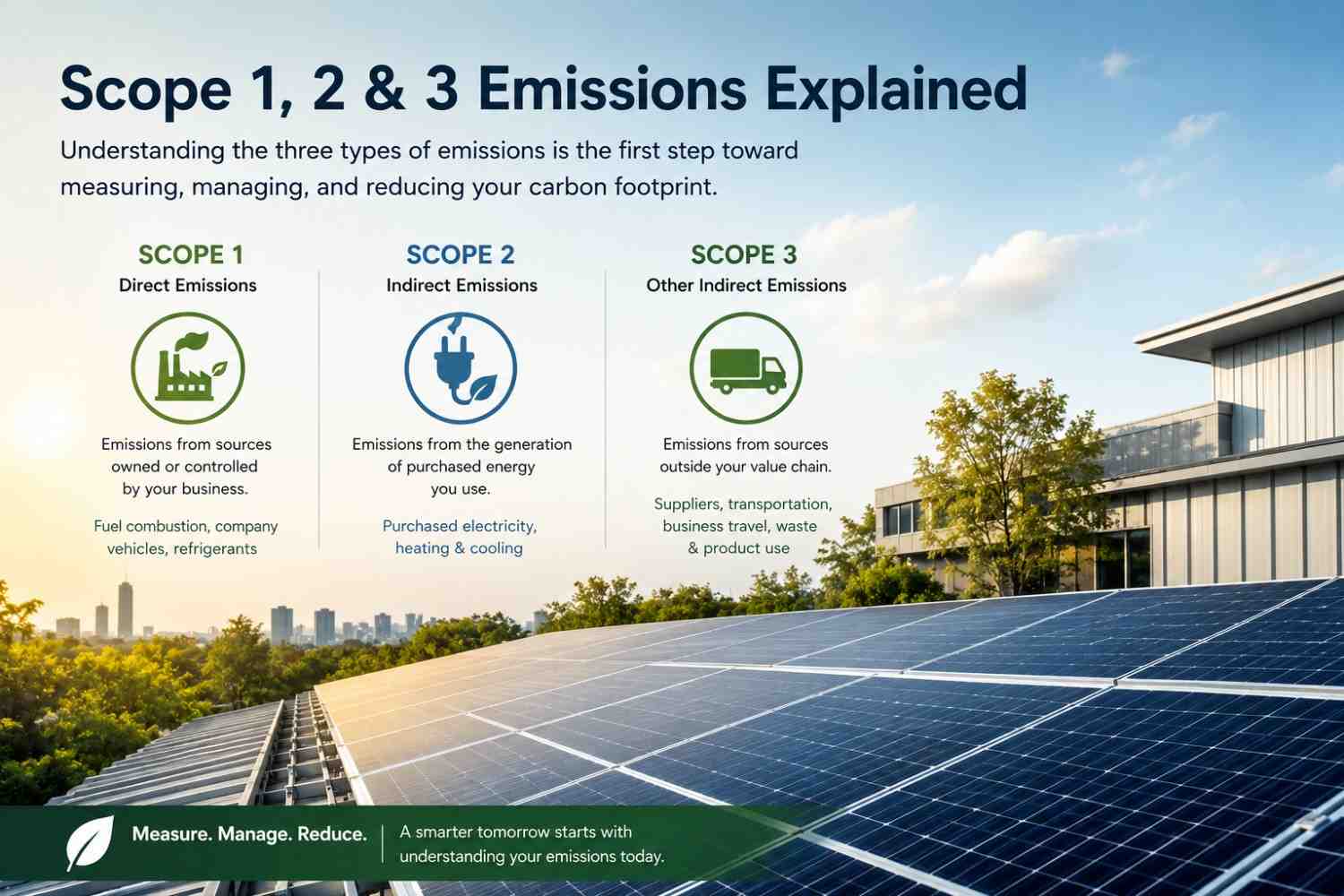
What Are Scope 1, 2 and 3 Emissions?
What Is Carbon Offsetting and Should Businesses Use It?
What Is RE100 and Should Your Business Join?
How Can Businesses Reduce Peak Demand Charges?
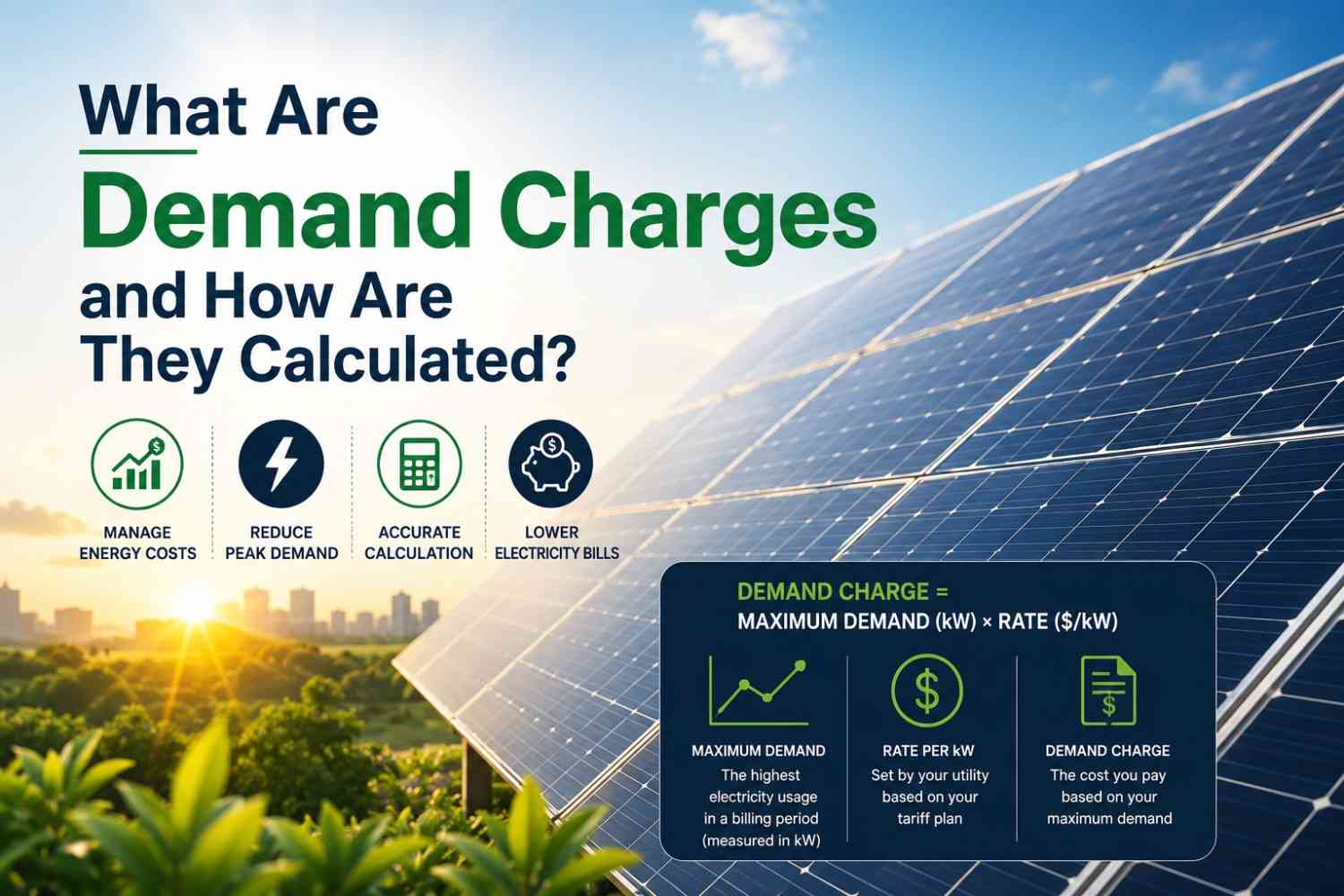
What Are Demand Charges and How Are They Calculated?
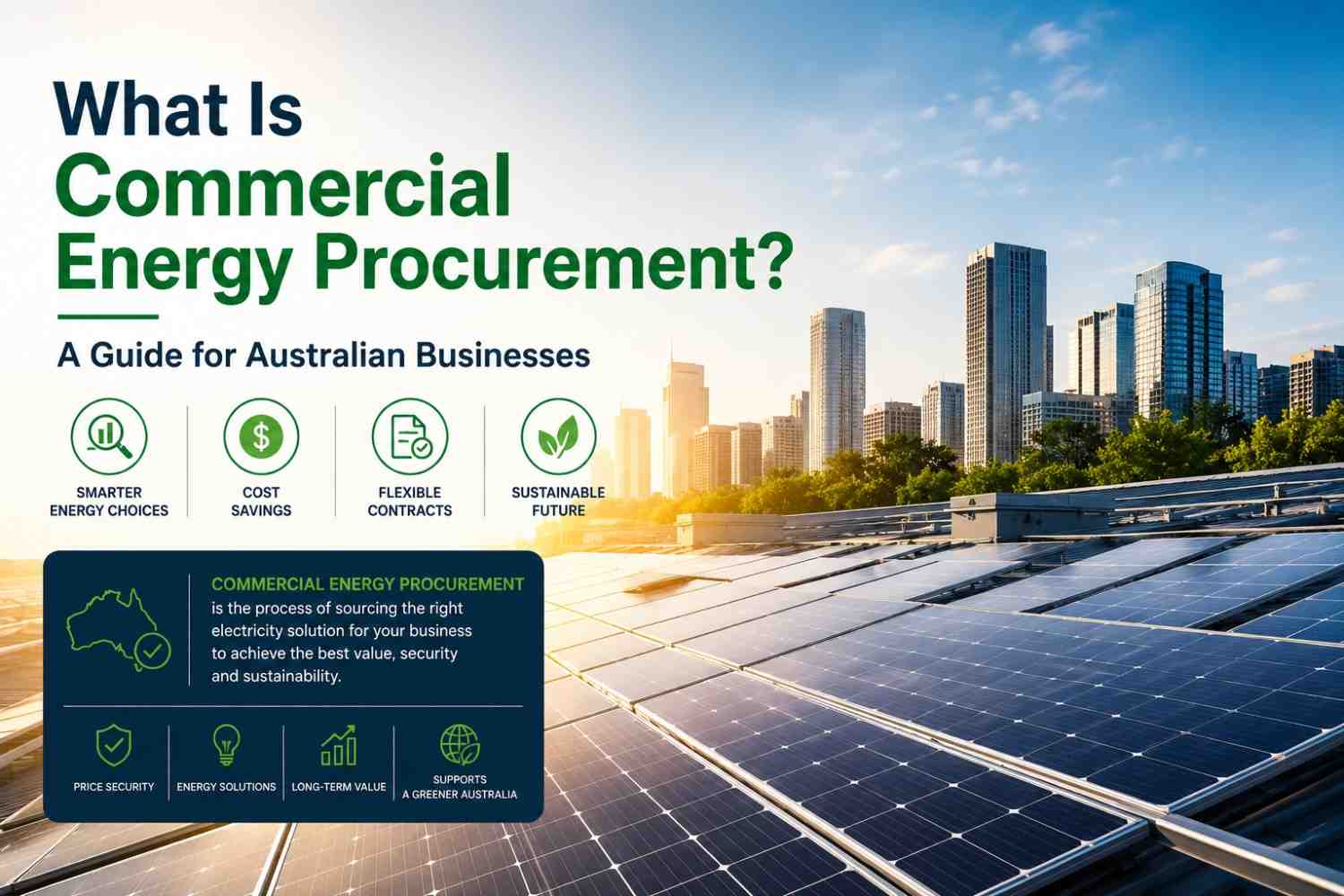
What Is Commercial Energy Procurement? A Guide for Australian Businesses

Agile Boardroom 6 - Where should capital go? Core Business vs Energy Infrastructure
Agile Advantage Ed.20 - Energy Security for Australian Businesses: Operating Through Global Instability

Is Your Business Too Dependent on the Grid? Here's What to Do
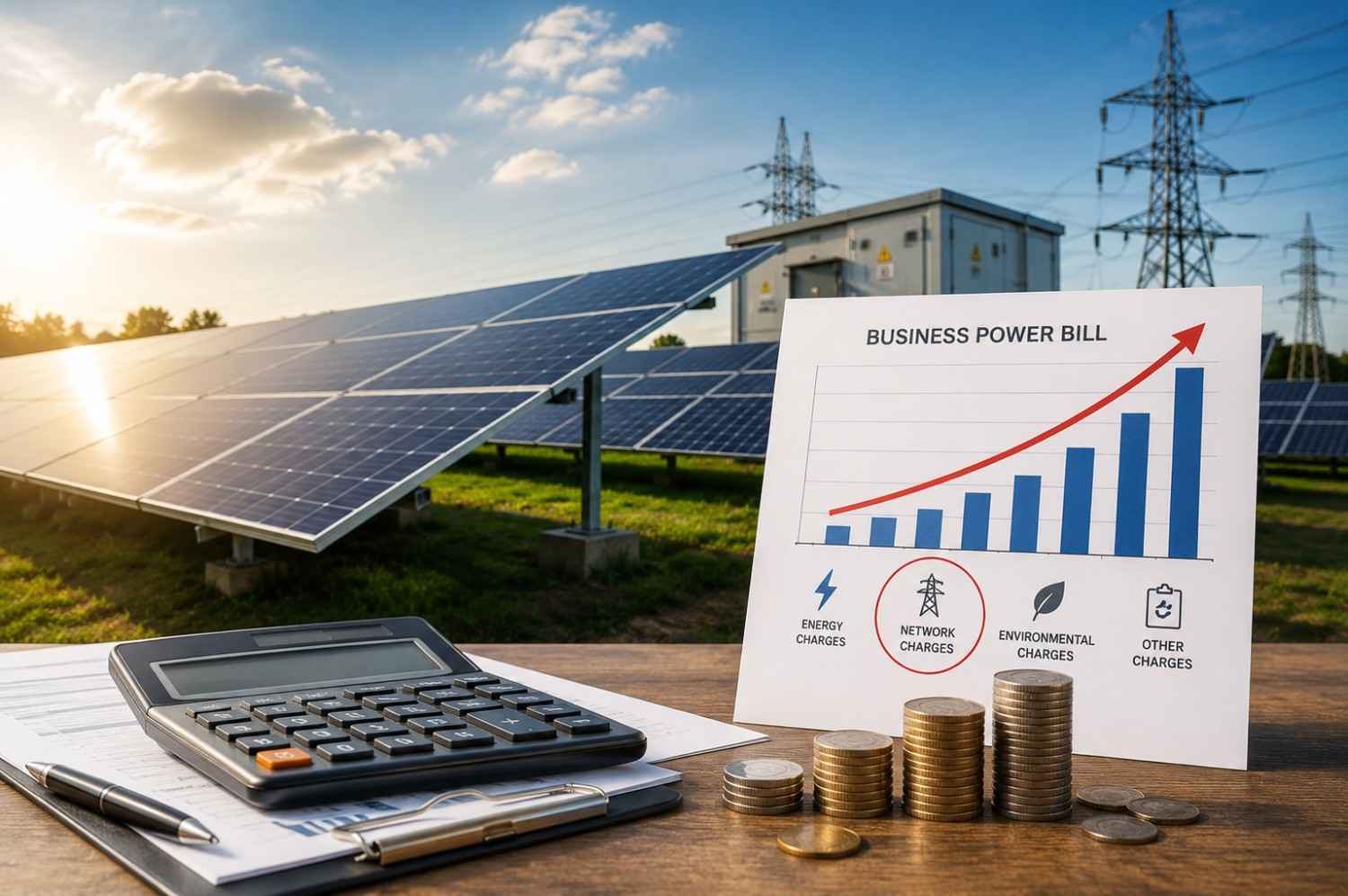
Network Charges Explained: The Fastest-Growing Cost on Your Business Power Bill

Agile Boardroom 5: Energy as competitive advantage in private equity portfolios

Agile Advantage Ed.19 - The End of Cheap Diesel: What Businesses Need to Know
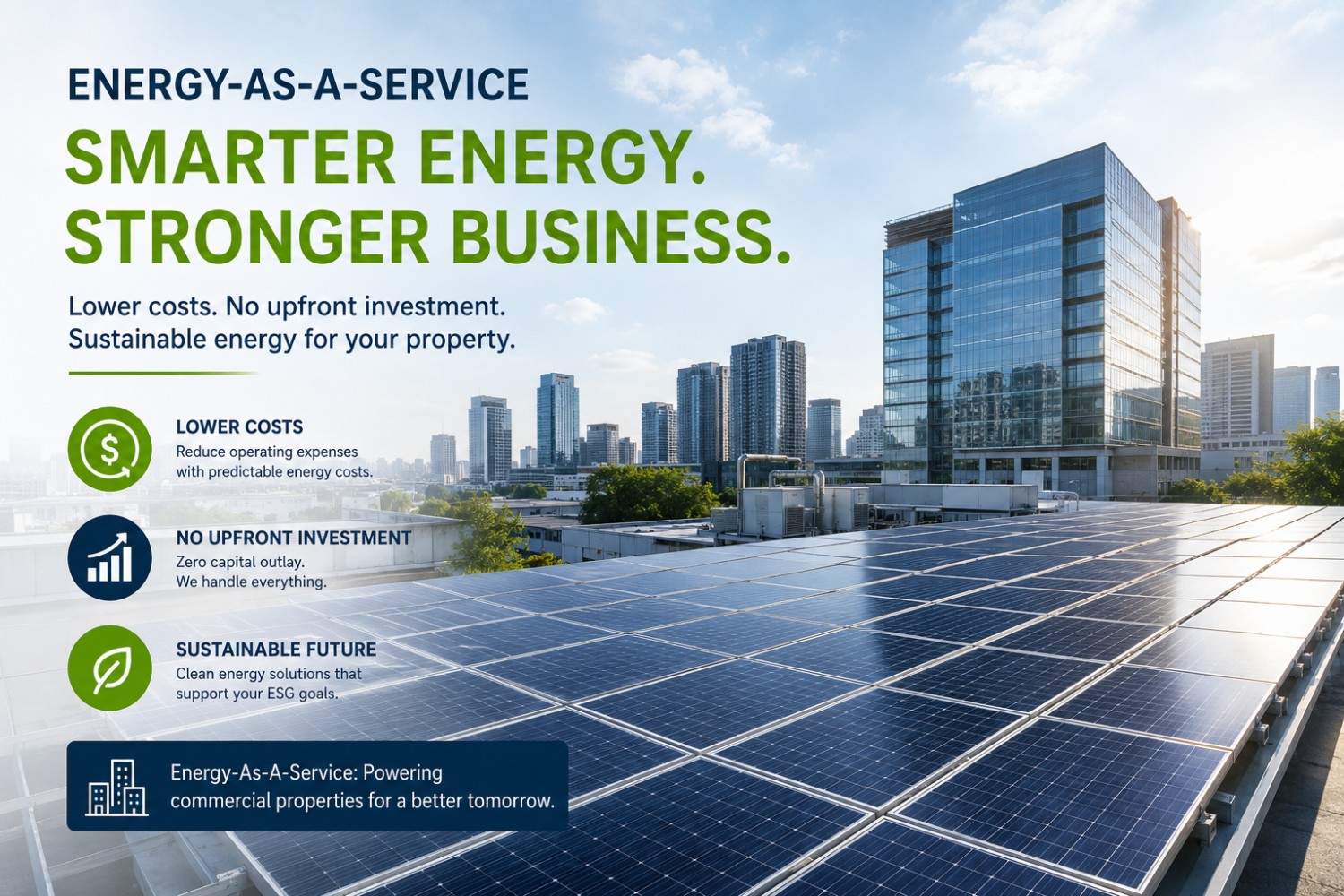
Energy-as-a-Service Explained for Commercial Property Owners

Agile Boardroom 4 - Geopolitics meets energy: What CFOs must factor into energy strategy

Agile Advantage Ed.18 - Keeping Production Running: Battery Storage for Outage Management in Manufacturing

Agile Boardroom 3 - The Bankable PPA: What Lenders, Boards and Investors actually require

Australia is experiencing a clean energy revolution as commercial and domestic landlords turn rooftops into revenue

Landlords turn to rooftop solar to yield income

Commercial landlords turning rooftops into ‘profit machines’ through solar installations

Solar PPA for Schools: Reduce Electricity Costs Without Upfront Investment
Agile Energy Featured on Business Essentials Podcast
.png)
Schools access cheaper electricity
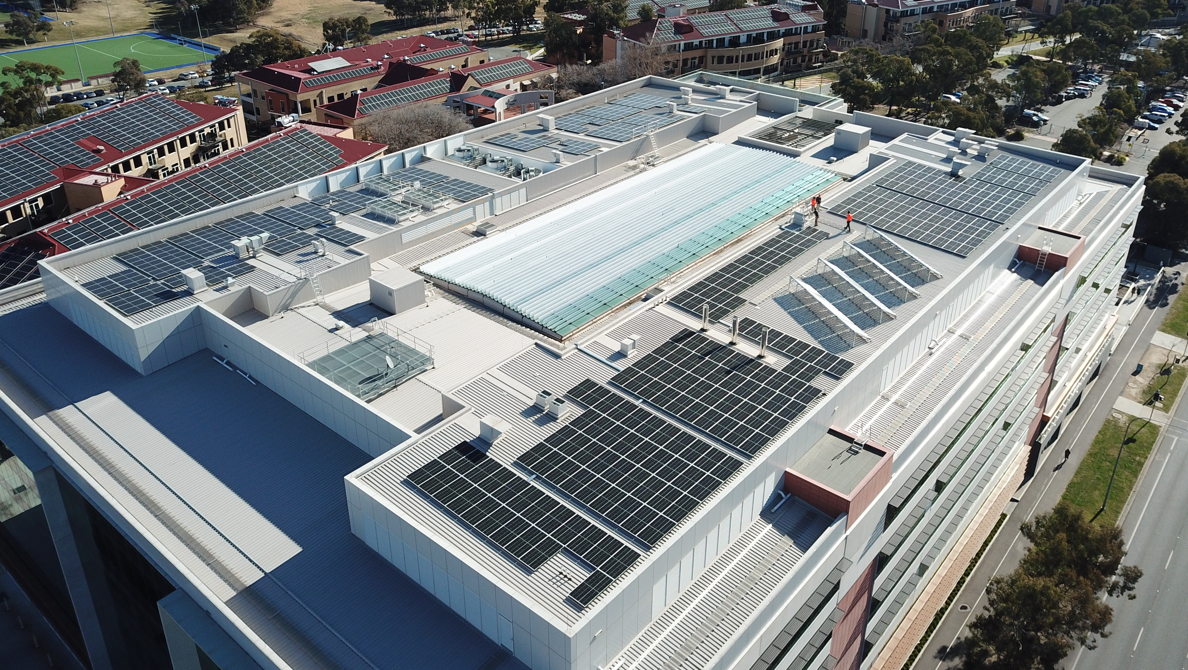
Australia undergoes a clean energy revolution as commercial and domestic landlords turn rooftops into revenue
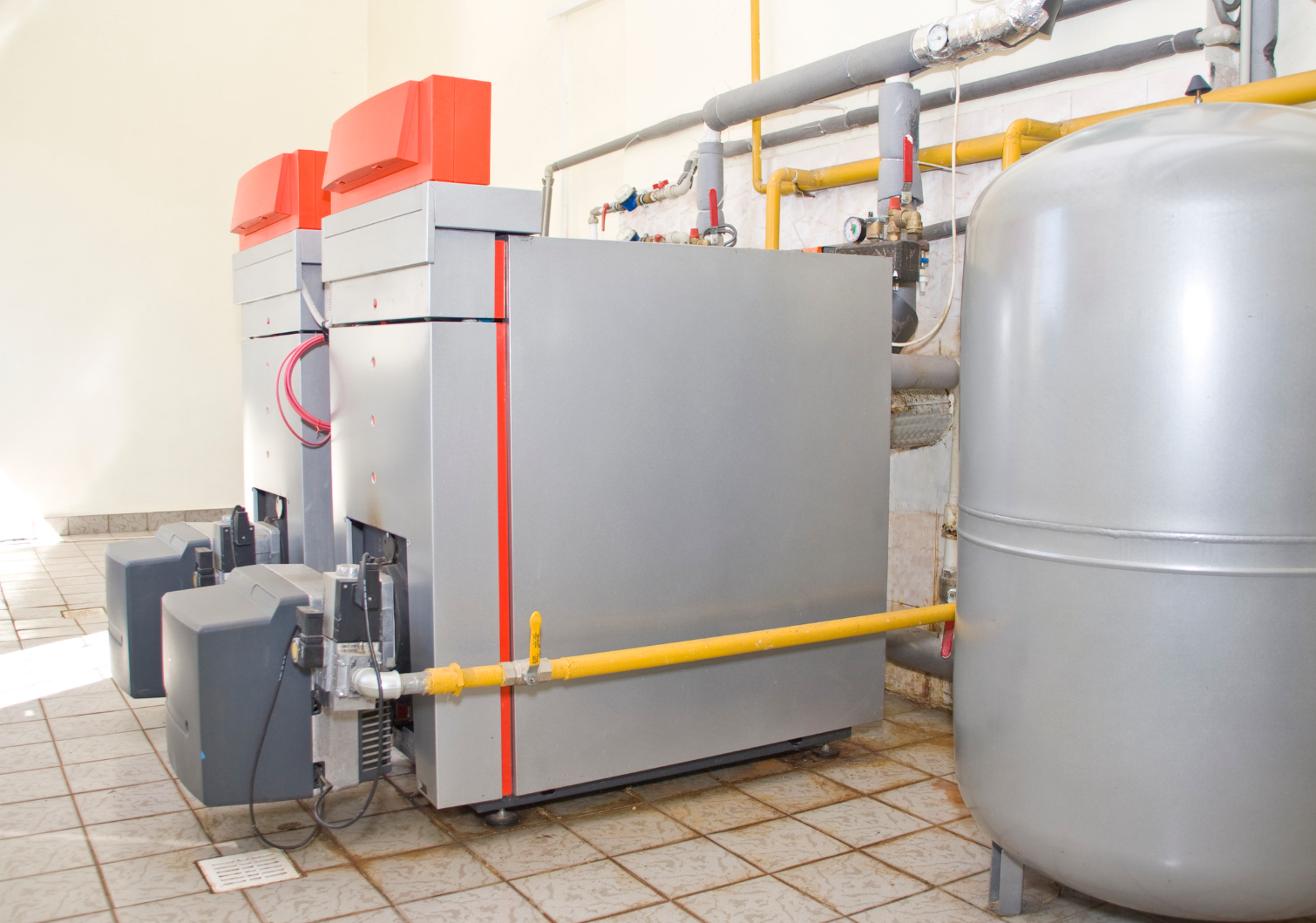
Agile Advantage Ed.17 - Solar for Process Heat: Replacing Gas Boilers in Food and Beverage Manufacturing

5 Reasons Why Capital-Funded Solar is the Safest Energy Transition Strategy in 2026
Industrial vs Commercial Solar Systems: Which Energy Solution Is Right for Your Business?

Agile Boardroom 2 - Solar + Storage Under Tight Operating Budgets: Education & Not-for-Profit

Agile Advantage Ed. 16 - Cutting Diesel Dependency: Solar battery PPAs for remote farming operations

Agile Boardroom 1 - A Competitive Advantage in Government & Enterprise Tenders: The Decarbonised Bid

Agile Advantage Ed. 15 - Winning the war on peak prices: Load Shifting, Storage and Smart Controls for C&I

The summer surge: How to keep energy bills cool when temperature rise

Agile Advantage Ed. 14 - The 2026 solar health check: From legacy systems to strategic assets
Solar vs Grid Energy Price Escalation: 2026 Outlook
Agile Advantage Ed. 13 - From energy users to market participants: How Agile businesses are monetising flexibility
Mandatory Climate Reporting: What CFOs need to know (2026–2028)

Agile Advantage Ed. 11 - Unlocking full value from solar & storage: The business case for batteries

End-of-Year Energy Audit: 10 ways to start 2026 leaner and cleaner

Agile Advantage Ed. 10 - Embedded Networks 101: Turning electricity from a cost centre into a profit centre
Top 5 Energy Incentives for Australian Businesses (2025)

Managing solar and battery rollouts for national portfolio

Risk management in renewables
Commercial solar ROI in 2026: Maximise your business savings

Scaling SAFe in large-scale energy organisations: How executives can harness the Scaled Agile Framework (SAFe) to accelerate the energy transition

Always-On Agile operating model for Australia’s energy transition

Integrated energy & carbon strategies: A Playbook for future-proofing Australian manufacturing

Weathering the storm: Protects solar assets from heavy rainfall risk
Transforming dead space into active assets: How Agile unlocks roofs, car parks, and land for revenue

Agile Advantage Ed. 9 - Why energy data is the new gold for Australian manufacturer
Solar Battery Rebate

Agile Advantage Ed. 8 - E is Everything: Energising Australian Businesses

Agile Advantage Ed. 7 - Riding the renewable wave: Why Australian businesses are embracing solar energy

Agile Advantage Ed. 6 - Why CFOs should prioritise renewable energy investments in 2025

Empowering Australian Businesses: Unlocking energy efficiency and sustainability

Agile Advantage Ed. 5 - Inspiring the young workforce: How rolling out renewables sparks motivation

The power of vertical integration in solar project delivery

Agile Advantage Ed. 4 - Making complex simple: Navigating the complexity of solar installations

Rising cost of insurance : Impact on solar assets

Monetising your solar assets: Converting pre-purchased systems into power purchase agreements (PPAs)

Agile Advantage Ed. 3 - The Magic of experience: Partnering for performance in renewables

Solar rooftop safety: Risk management guide

Agile Advantage Ed. 2 - Clear paths to carbon reduction: Renewables and more for Australian businesses

Agile Advantage Ed. 1 - Seven deadly sins of solar installations: Mistakes businesses must avoid

CEO's view on managing increasing energy costs

What are Small-scale technology certificates (STC)?

Carbon Accounting and your business

Join Agile Energy at the Healthcare Real Estate Summit

Carbon Projects - Where to Start?

TRADE ACCUs WITH US! From the desk of Equipoised Group
Ready to power your business with Sustainable Energy?
Let's take the first step towards a brighter and greener future.