Agile Advantage Ed. 24 - Solar Isn't the Strategy — Control Is: Why Energy Flexibility Is the Real Advantage

Corporate energy strategy has largely equated progress with installation. More rooftop solar, larger PPAs, greater renewable penetration. Capacity has become the metric of action.
However, in a grid increasingly saturated with solar generation, adding more supply does not automatically reduce risk or cost. In fact, without flexibility, it can amplify exposure to price volatility and timing mismatches.
The strategic advantage is no longer owning or contracting generation. It is controlling when energy is consumed, stored, or curtailed. Businesses that prioritise flexibility over capacity are better positioned to protect margins, manage volatility, and maintain operational continuity.
The Saturation Problem
Australia's electricity system experiences regular periods of excess solar generation during daylight hours. Wholesale prices during these windows frequently fall sharply and at times turn negative. Conversely, evening periods, when solar output declines and demand remains, are defined by tighter supply conditions and elevated prices.
In Q4 2025 alone, negative pricing occurred in 31% of dispatch intervals NEM-wide, reaching 48% in South Australia and 43% in Victoria during daylight hours. This is a signature of the 'duck curve', where excess rooftop and utility-scale solar floods the grid midday, driving prices toward zero or below while creating sharp evening ramps.
In this environment, installing additional solar capacity does not necessarily reduce overall exposure. Daytime generation may coincide with periods when prices are already suppressed. Meanwhile, the most expensive periods often occur outside solar production hours.
The result is a widening gap between when energy is cheapest to produce and when it is most expensive to consume. For example, daytime prices in high-solar regions such as Queensland have fallen from an average of around $40/MWh in 2015 to near $0/MWh in 2025, while evening peaks remain volatile and expensive.
The Illusion of Self-Sufficiency
On-site solar is often framed as a step toward independence from the grid. In reality, without storage or load flexibility, it creates a partial dependency shift rather than true control.
During sunny hours, the business may offset a portion of grid consumption. Outside those hours, it remains fully exposed. If operational demand peaks in the early morning or evening, solar contribution may be negligible during the most expensive intervals.
This creates a structural imbalance: generation is fixed in time, while demand is dictated by operations. The business still relies on the grid at precisely the moments when prices and constraints are most acute.
Compounding this, record levels of solar output in 2025 led to economic curtailment of up to 30% of total solar generation in some periods, meaning even abundant generation often delivers little marginal value when prices turn negative.
Where the Financial Impact Emerges
These timing mismatches translate directly into higher costs for commercial and industrial users. Businesses face three primary financial pressures in this environment:
First, peak pricing exposure remains largely intact. Even with substantial daytime generation, businesses often continue to draw heavily from the grid during evening peaks, where pricing pressure is concentrated.
Second, demand charges and network costs, which can represent 30-50% of a large user's bill, are typically calculated on maximum demand during peak periods. When solar generation does not align with these peaks, its impact on the most material cost drivers is limited.
Third, excess generation during low-price periods may be exported at minimal value, particularly as daytime prices decline under high solar penetration. This reduces the marginal economic benefit of additional generation capacity.
In aggregate, this means that the marginal return on additional solar is declining in high- saturation environments.
Flexibility
Using flexibility as a strategic lever addresses the timing problem directly.
The ability to shift consumption, store energy, or modulate load allows a business to respond to price signals rather than passively absorb them. Instead of being fixed in its demand profile, the organisation gains optionality.
When prices are low or negative, consumption can increase or storage can be charged. When prices rise, demand can be reduced or stored energy dispatched. The financial impact is therefore derived from narrowing the gap between low-cost supply periods and high-cost demand periods.
Flexibility also mitigates operational risk. In periods of grid stress or constraint, the ability to reduce load or rely temporarily on stored energy reduces dependency on external conditions. Businesses can gain a degree of insulation instead of being subject to system dynamics, overall proving flexibility will reduce both cost volatility and operational fragility.
The Competitive Implication
As renewable penetration increases, energy markets reward responsiveness. Organisations that can adapt consumption patterns gain economic advantage over those that operate on fixed demand profiles.
Two competitors with identical solar installations will not experience identical outcomes if one can actively manage timing while the other cannot. The former can capture value from volatility; the latter absorbs it.
In practice, two sites with identical solar installations can see vastly different energy cost outcomes: the flexible site captures low/negative price periods for increased consumption or storage, while the inflexible site remains fully exposed to evening price spikes and network peaks
Conclusion
Solar remains an important component of corporate energy strategy. However, in a system already characterised by high daytime generation, additional capacity without flexibility delivers diminishing strategic benefit.
With negative pricing now a structural feature of the NEM and solar curtailment reaching record levels in 2025, simply adding more generation capacity delivers rapidly diminishing strategic returns without accompanying control mechanisms.
The true advantage now lies in control, the ability to decide when energy is consumed, when it is stored, and when exposure to the grid is reduced.
Generation changes where energy comes from, but control changes what energy costs and how much risk it carries. In a high-renewables market, the latter is the true strategic lever.

Agile Advantage Ed. 23 -Turn energy into an operating expense, not capital investment

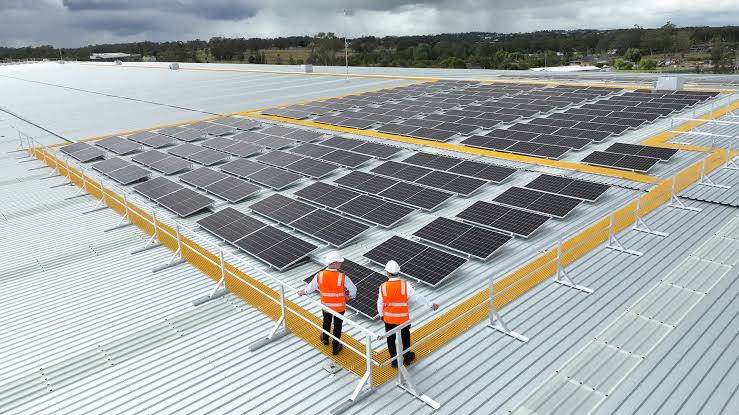
How Big a Commercial Solar System Do I Need? A Sizing Guide for Australian Businesses
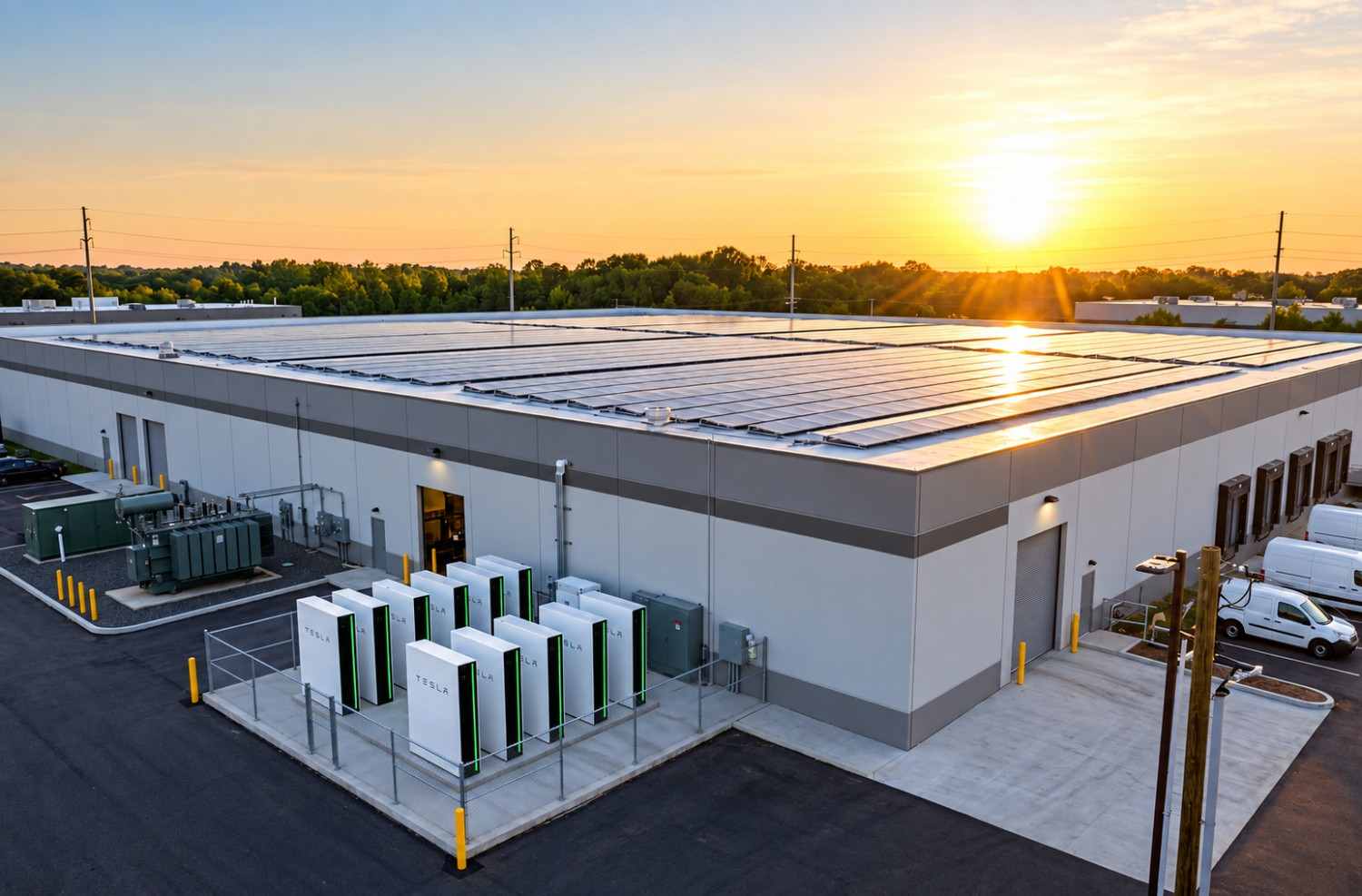
Solar and Battery vs Solar Only: When Does the Extra Cost Pay Off?

Agile Advantage Ed.22 - When Power Fails, Product Fails: Energy Resilience in Cold Chain

Agile Boardroom 7 - 2026 Energy Risk: A Framework for Reliability, Cost and Continuity
Big News for Business Solar: SRES Rebate Now Covers Systems 10x Larger

Agile Advantage Ed.21 - From Backup to Strategy: Batteries as business Continuity Infrastructure

What Are Scope 1, 2 and 3 Emissions?

What Is Carbon Offsetting and Should Businesses Use It?
What Is RE100 and Should Your Business Join?
How Can Businesses Reduce Peak Demand Charges?
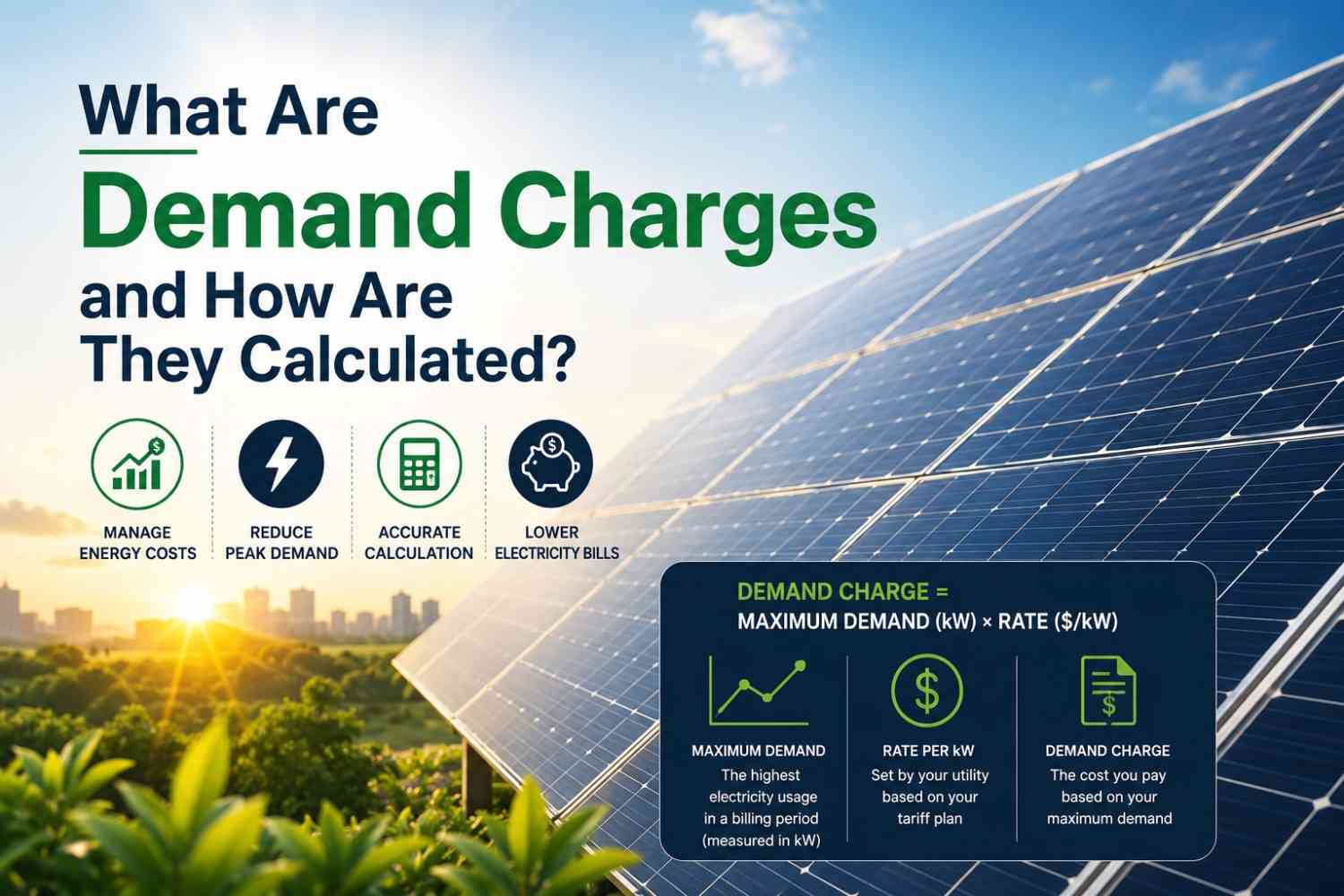
What Are Demand Charges and How Are They Calculated?
What Is Commercial Energy Procurement? A Guide for Australian Businesses

Agile Boardroom 6 - Where should capital go? Core Business vs Energy Infrastructure

Agile Advantage Ed.20 - Energy Security for Australian Businesses: Operating Through Global Instability

Is Your Business Too Dependent on the Grid? Here's What to Do
Network Charges Explained: The Fastest-Growing Cost on Your Business Power Bill

Agile Boardroom 5: Energy as competitive advantage in private equity portfolios

Agile Advantage Ed.19 - The End of Cheap Diesel: What Businesses Need to Know
Energy-as-a-Service Explained for Commercial Property Owners

Agile Boardroom 4 - Geopolitics meets energy: What CFOs must factor into energy strategy

Agile Advantage Ed.18 - Keeping Production Running: Battery Storage for Outage Management in Manufacturing

Agile Boardroom 3 - The Bankable PPA: What Lenders, Boards and Investors actually require

Australia is experiencing a clean energy revolution as commercial and domestic landlords turn rooftops into revenue

Landlords turn to rooftop solar to yield income

Commercial landlords turning rooftops into ‘profit machines’ through solar installations

Solar PPA for Schools: Reduce Electricity Costs Without Upfront Investment
Agile Energy Featured on Business Essentials Podcast

Schools access cheaper electricity
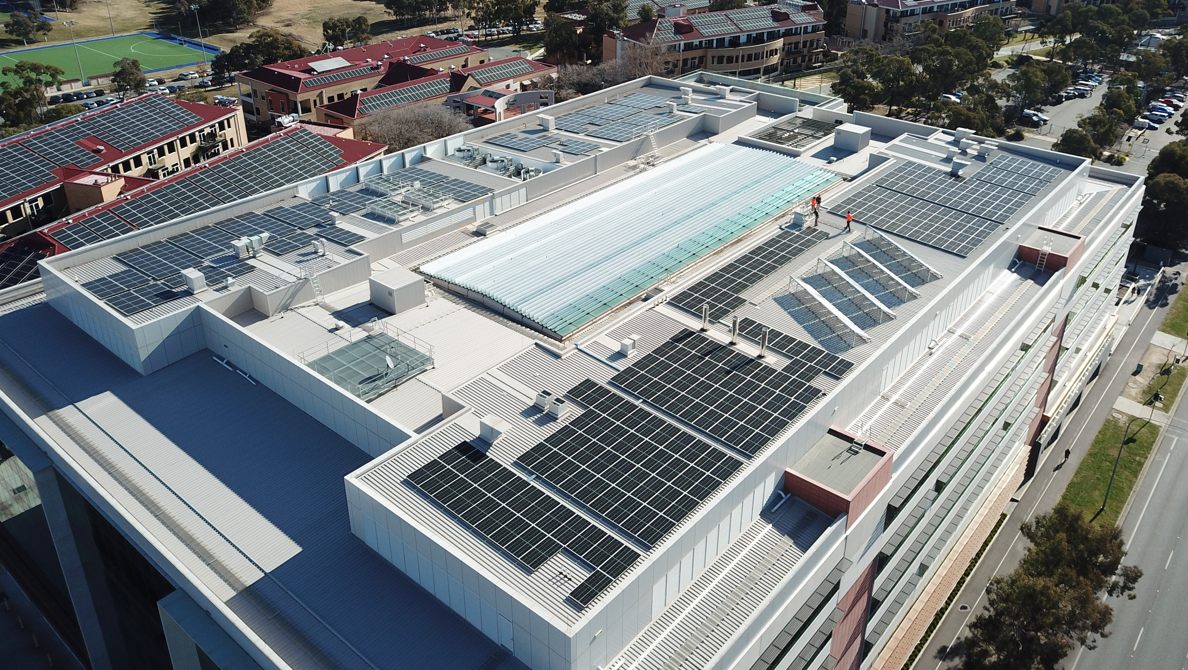
Australia undergoes a clean energy revolution as commercial and domestic landlords turn rooftops into revenue
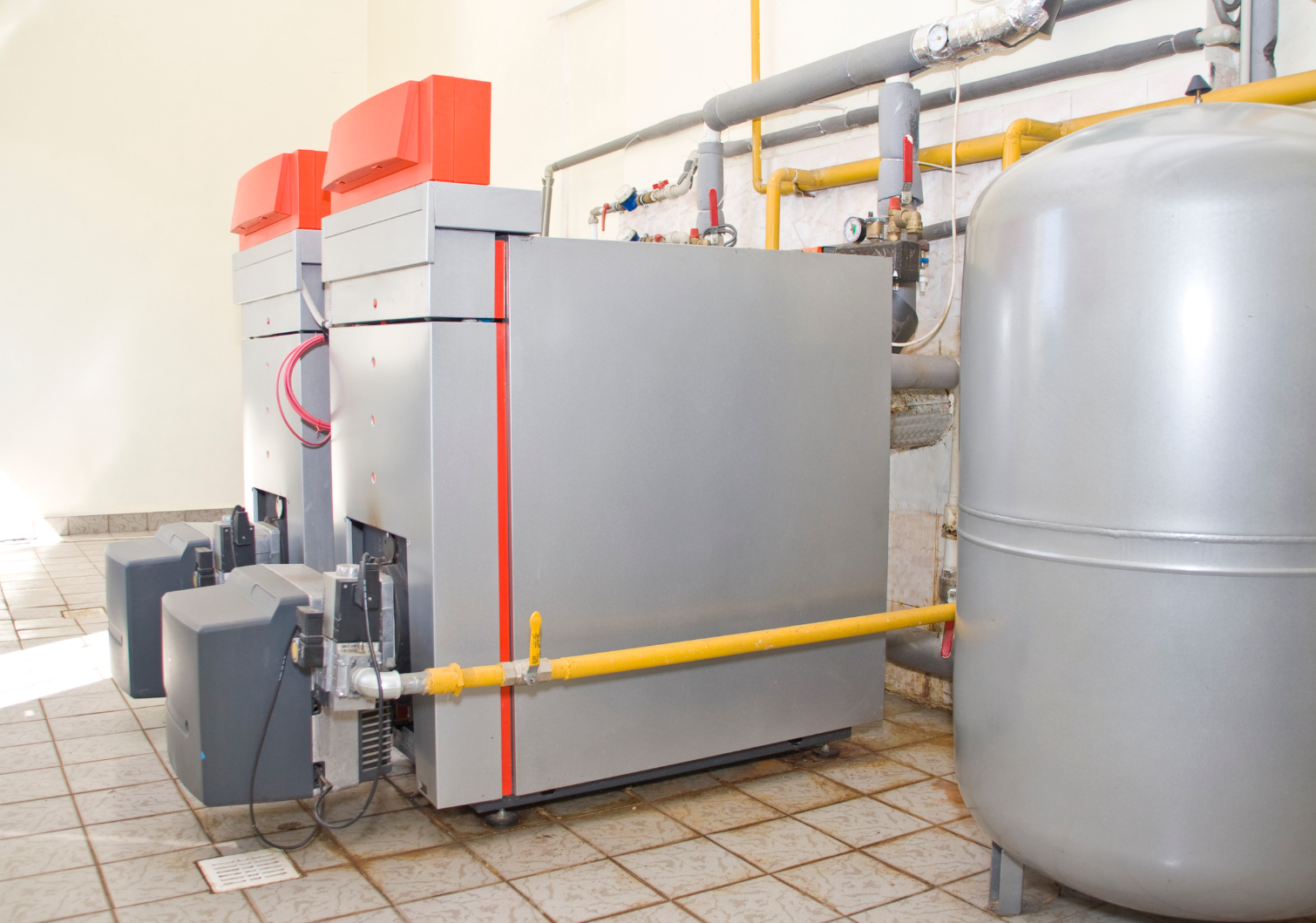
Agile Advantage Ed.17 - Solar for Process Heat: Replacing Gas Boilers in Food and Beverage Manufacturing

5 Reasons Why Capital-Funded Solar is the Safest Energy Transition Strategy in 2026
Industrial vs Commercial Solar Systems: Which Energy Solution Is Right for Your Business?

Agile Boardroom 2 - Solar + Storage Under Tight Operating Budgets: Education & Not-for-Profit

Agile Advantage Ed. 16 - Cutting Diesel Dependency: Solar battery PPAs for remote farming operations

Agile Boardroom 1 - A Competitive Advantage in Government & Enterprise Tenders: The Decarbonised Bid

Agile Advantage Ed. 15 - Winning the war on peak prices: Load Shifting, Storage and Smart Controls for C&I

The summer surge: How to keep energy bills cool when temperature rise

Agile Advantage Ed. 14 - The 2026 solar health check: From legacy systems to strategic assets
Solar vs Grid Energy Price Escalation: 2026 Outlook
Agile Advantage Ed. 13 - From energy users to market participants: How Agile businesses are monetising flexibility
Mandatory Climate Reporting: What CFOs need to know (2026–2028)

Agile Advantage Ed. 11 - Unlocking full value from solar & storage: The business case for batteries

End-of-Year Energy Audit: 10 ways to start 2026 leaner and cleaner

Agile Advantage Ed. 10 - Embedded Networks 101: Turning electricity from a cost centre into a profit centre
Top 5 Energy Incentives for Australian Businesses (2025)

Managing solar and battery rollouts for national portfolio

Risk management in renewables
Commercial solar ROI in 2026: Maximise your business savings

Scaling SAFe in large-scale energy organisations: How executives can harness the Scaled Agile Framework (SAFe) to accelerate the energy transition

Always-On Agile operating model for Australia’s energy transition

Integrated energy & carbon strategies: A Playbook for future-proofing Australian manufacturing

Weathering the storm: Protects solar assets from heavy rainfall risk
Transforming dead space into active assets: How Agile unlocks roofs, car parks, and land for revenue

Agile Advantage Ed. 9 - Why energy data is the new gold for Australian manufacturer
Solar Battery Rebate

Agile Advantage Ed. 8 - E is Everything: Energising Australian Businesses

Agile Advantage Ed. 7 - Riding the renewable wave: Why Australian businesses are embracing solar energy

Agile Advantage Ed. 6 - Why CFOs should prioritise renewable energy investments in 2025

Empowering Australian Businesses: Unlocking energy efficiency and sustainability

Agile Advantage Ed. 5 - Inspiring the young workforce: How rolling out renewables sparks motivation

The power of vertical integration in solar project delivery

Agile Advantage Ed. 4 - Making complex simple: Navigating the complexity of solar installations

Rising cost of insurance : Impact on solar assets

Monetising your solar assets: Converting pre-purchased systems into power purchase agreements (PPAs)

Agile Advantage Ed. 3 - The Magic of experience: Partnering for performance in renewables

Solar rooftop safety: Risk management guide

Agile Advantage Ed. 2 - Clear paths to carbon reduction: Renewables and more for Australian businesses

Agile Advantage Ed. 1 - Seven deadly sins of solar installations: Mistakes businesses must avoid

CEO's view on managing increasing energy costs

What are Small-scale technology certificates (STC)?

Carbon Accounting and your business

Join Agile Energy at the Healthcare Real Estate Summit

Carbon Projects - Where to Start?

TRADE ACCUs WITH US! From the desk of Equipoised Group
Ready to power your business with Sustainable Energy?
Let's take the first step towards a brighter and greener future.